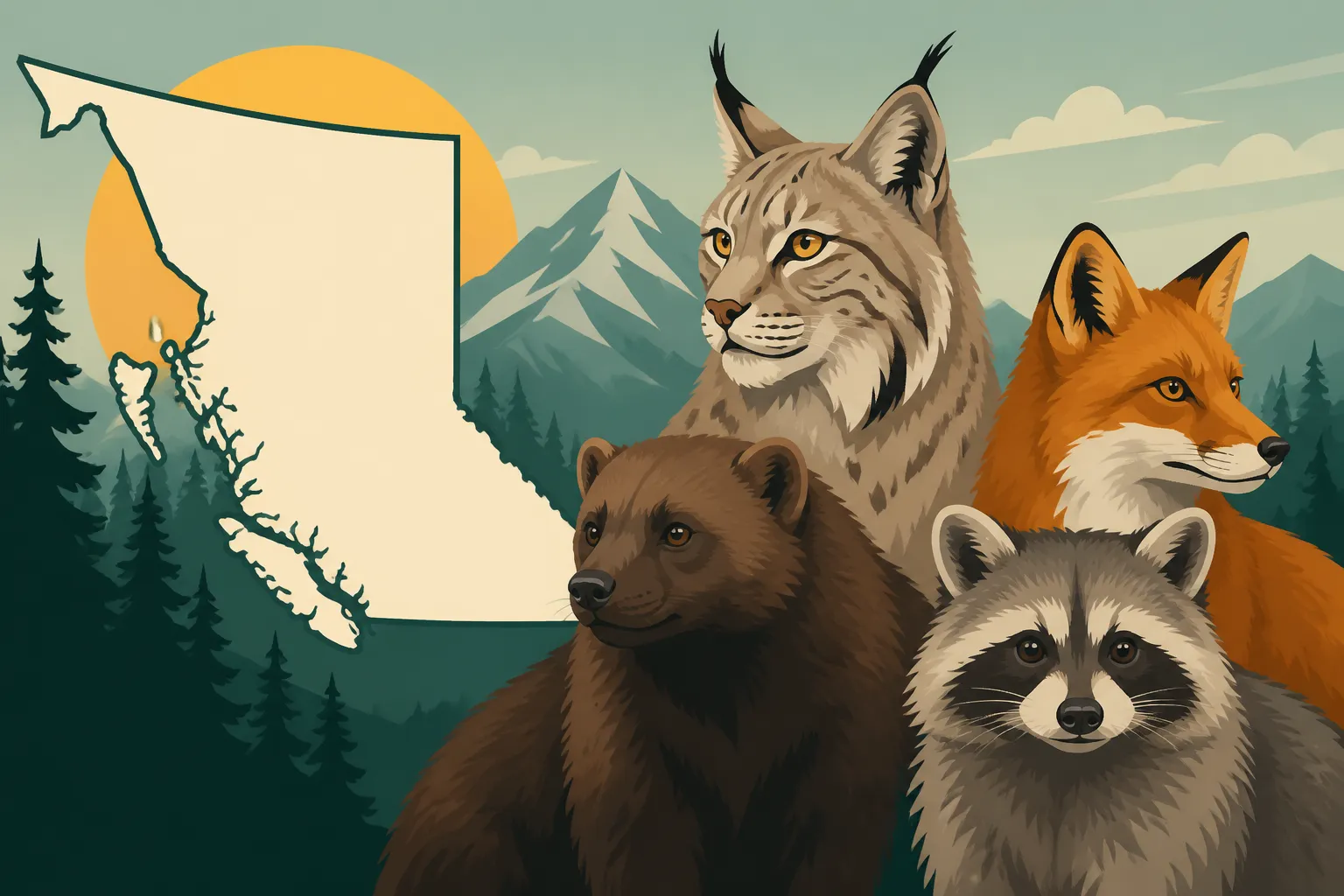
British Columbia’s Furbearer Populations
British Columbia is a wild, vast landscape, and for those of us who spend time in its forests and mountains, there's a unique fascination with the creatures that make their living by their wits and their incredible adaptability. Understanding British Columbia's furbearer populations isn't just about identifying a species; it's about appreciating the delicate balance of our ecosystems and the constant ebb and flow of these resilient animals. This guide will help you delve into the lives and current status of the furbearers that call BC home, giving you a clearer picture of these often elusive residents.
Understanding British Columbia's Diverse Furbearer Landscape
When we talk about furbearers in British Columbia, we're really talking about a fascinating group of mammals that have historically been, and in some cases still are, trapped or hunted for their valuable pelts. But beyond their economic value, these animals play critical roles in the natural world, from shaping forest ecosystems to acting as indicators of environmental health. Getting a grasp on who these animals are and where they fit into the bigger picture is essential for anyone interested in the wild heart of BC.
What Defines a Furbearer in British Columbia?
The term "furbearer" is a broad classification, often defined by specific regulations related to trapping and hunting. In British Columbia, it generally includes species like wolves, coyotes, lynx, bobcat, marten, fisher, wolverine, fox, otter, beaver, and muskrat. What sets them apart is often their pelts, which historically drove exploration and settlement in many parts of North America, including right here in BC. These animals are typically carnivores or omnivores, though beavers and muskrats are notable exceptions, being primarily herbivores that drastically alter their environments. They are often secretive, intelligent, and possess an incredible ability to adapt to varying habitats, from dense coastal rainforests to arid interior grasslands and high alpine tundra. Their presence, or absence, can tell us a lot about the health of the broader ecosystem they inhabit, as they are often sensitive to changes in prey availability, habitat quality, and human disturbance.
The Ecological Importance of Furbearers
Furbearers are far more than just "fur" – they are integral components of British Columbia's biodiversity. Predators like wolves and coyotes, and smaller carnivores such as lynx and bobcats, are crucial for regulating prey populations, helping to maintain balance and prevent overgrazing or disease outbreaks in species like deer and rabbits. Wolves in British Columbia are an excellent example of a species whose population dynamics directly influence ungulate health. Marten and fisher, often found in mature and old-growth forests, play roles in seed dispersal and preying on smaller rodents, insects, and even birds, contributing to forest regeneration and pest control. Beavers, through their dam-building activities, are true ecosystem engineers; they create wetlands that benefit countless other species, from waterfowl and amphibians to fish and other furbearers like otters and muskrats. These wetlands also help filter water, mitigate floods, and store carbon. Understanding these complex interdependencies highlights why managing furbearer populations is not just about individual species, but about sustaining the entire web of life.
Key Furbearer Species and Their Status in British Columbia
British Columbia is home to a rich array of furbearer species, each with its own unique challenges and population dynamics. While some are widespread and robust, others face more specific conservation concerns, often due to habitat specialization or human pressures. Let's take a closer look at some of these important animals.
Mustelids: Marten, Fisher, Wolverine, Otter
The mustelid family is well-represented in BC, encompassing some of our most tenacious and elusive furbearers.
- Marten and Fisher: These agile, tree-dwelling carnivores are often associated with mature coniferous and mixed forests. Marten, smaller and more widespread, are generally doing well in areas with suitable habitat, particularly where logging practices leave sufficient cover. Fishers, however, are a different story. These larger, darker mustelids are much more dependent on dense, older forests with large hollow trees and snags for denning and resting. Their populations have seen declines in some areas due to habitat loss and fragmentation, making them a species of concern. You often won't spot these unless you're deep in the timber, and even then, they're quick to disappear.
- Wolverine: The wolverine, often called "skunk bear" due to its distinctive markings and fierce reputation, is one of British Columbia's most iconic and elusive furbearers. Wolverine in British Columbia's Mountains are creatures of vast, wild landscapes, preferring high-elevation alpine and subalpine environments with deep snowpacks that persist into late spring – crucial for their denning sites. Their populations are generally considered stable but sensitive to habitat fragmentation, climate change affecting snowpack, and human disturbance. Seeing a wolverine is a rare treat, a testament to the rugged wildness of the landscape.
- River Otter: Found across much of British Columbia wherever there's water – rivers, lakes, estuaries, and even coastal marine areas – river otters are playful and opportunistic predators. They thrive in healthy aquatic environments, preying on fish, crustaceans, and amphibians. Their populations appear to be generally healthy, though they can be sensitive to water pollution and habitat degradation. If you've spent any time on a quiet BC river or lake, you've likely seen their playful antics or found their slides along muddy banks.
Canids and Felids: Wolves, Coyotes, Lynx, Bobcat
Our predatory furbearers are vital for maintaining ecosystem health, often exerting significant influence on prey populations.
- Wolves: British Columbia has a healthy and widespread wolf population, though their densities vary significantly across the province. They are highly adaptable, occupying diverse habitats from coastal rainforests to northern boreal forests and interior grasslands. While often viewed as apex predators, wolves face complex management challenges, balancing their ecological role with interactions with livestock and ungulate populations. Understanding Wolves in British Columbia requires a look at regional nuances and local population dynamics. You might use resources like GoHunt to cross-reference current management unit information regarding wolf populations and seasons if you're planning a trip.
- Coyotes: These highly adaptable canids are common across much of British Columbia, particularly in the interior and southern regions, including urban peripheries. Their ability to thrive in various habitats, from wildlands to agricultural areas, speaks to their intelligence and resilience. Coyote populations are generally robust, and they play an important role as opportunistic predators, keeping rodent and small mammal populations in check. Hunting Coyotes on British Columbia Grassland is a common pursuit in many areas.
- Lynx and Bobcat: These two wild cats are master ambush predators. Lynx are primarily found in northern and interior British Columbia, closely tied to dense boreal forests and their primary prey: the snowshoe hare. Their populations often fluctuate in cycles mirroring those of the hare. Lynx and Snowshoe Hare Cycles are a classic example of predator-prey dynamics. Bobcat, on the other hand, prefer warmer, drier habitats in southern BC, often found in brushy areas, rocky outcrops, and open forests, preying on rabbits, hares, and small rodents. While both are relatively secretive, healthy hare and rabbit populations generally mean healthy lynx and bobcat numbers in their respective ranges.
Rodents: Beaver and Muskrat
These aquatic furbearers are unique in their ability to dramatically alter their habitats, creating new ecosystems in the process.
- Beaver: Known as nature's engineers, beavers are found throughout British Columbia wherever there is suitable water and woody vegetation. Their dams create ponds and wetlands, which provide habitat for countless other species and perform vital ecosystem services like water retention and filtration. Beaver populations are generally widespread and healthy, though their activities can sometimes conflict with human land use. Observing beavers at work is a testament to their industriousness and their profound impact on the landscape.
- Muskrat: Smaller than beavers but also highly aquatic, muskrats are common in British Columbia's wetlands, marshes, and slow-moving waterways. They construct lodges from vegetation and burrow into banks, feeding primarily on aquatic plants. Their populations are generally stable, providing an important food source for many predators, including raptors, mink, and otters. You can often see their tell-tale V-shaped wakes gliding across calm water at dusk.
Here's a quick overview of some of these populations:
| Furbearer Species | General Habitat | Population Status (General) | Key Ecological Role |
|---|---|---|---|
| Wolf | Widespread | Healthy, regionally variable | Apex predator, ungulate regulator |
| Coyote | Widespread | Robust | Opportunistic predator, rodent control |
| Lynx | Boreal forest, North BC | Tied to snowshoe hare cycles | Hare specialist, mesopredator |
| Bobcat | Dry, brushy areas, South BC | Stable | Rabbit/rodent specialist, mesopredator |
| Wolverine | High alpine, vast wilderness | Stable but sensitive | Scavenger, apex predator in harsh environments |
| Marten | Mature coniferous/mixed forest | Generally healthy | Forest rodent/insect control |
| Fisher | Dense, older forests | Sensitive, localized declines | Forest rodent/insect/bird control |
| River Otter | Aquatic (rivers, lakes, coast) | Healthy | Aquatic predator, ecosystem health indicator |
| Beaver | Aquatic (rivers, lakes, wetlands) | Widespread, healthy | Ecosystem engineer, wetland creation |
| Muskrat | Wetlands, marshes | Stable | Aquatic herbivore, prey base |
Factors Influencing Furbearer Populations
British Columbia's furbearer populations are not static; they are constantly influenced by a complex interplay of environmental and human factors. Understanding these dynamics is crucial for appreciating the challenges and resilience of these animals.
Habitat Loss and Fragmentation
Perhaps the most significant long-term threat to many furbearer populations is habitat loss and fragmentation, especially for species that rely on specific types of mature or intact ecosystems. For instance, species like the fisher and wolverine, which need large tracts of undisturbed forest or alpine wilderness, are particularly vulnerable to industrial development, extensive logging, and road building. When a forest is heavily logged, it doesn't just remove trees; it breaks up the continuous canopy and understory that these animals depend on for cover, denning sites, and secure travel corridors. This fragmentation can isolate populations, making them more susceptible to local extinctions and reducing genetic diversity. Even smaller furbearers are affected; if the wetlands that beavers create are drained or polluted, those populations will suffer too. Maintaining contiguous blocks of diverse habitat is paramount for the health of many furbearer species.
Climate Change Impacts
Climate change is an increasingly recognized factor influencing furbearer populations across British Columbia. Changes in snowpack, temperature, and precipitation patterns can have cascading effects. For species like the wolverine, which require deep, persistent snow for denning, reduced snowpack due to warmer winters could severely impact reproductive success. Shifting temperature regimes can also alter the distribution and abundance of prey species, directly affecting predators like lynx, which are closely tied to the snowshoe hare cycle. Milder winters might also lead to changes in competitive dynamics among predators or allow diseases and parasites to spread more readily. Coastal species, like river otters, could face challenges from sea-level rise affecting estuarine habitats or changes in freshwater flows that impact their food sources. The subtle, long-term shifts in BC's climate demand careful monitoring of these populations.
Human Activities and Management Strategies
Human activities extend beyond just habitat impacts. Hunting and trapping, when managed sustainably, can be important tools for population control and scientific monitoring. British Columbia has a comprehensive regulatory framework for furbearer management, including specific seasons, bag limits, and reporting requirements for trappers and hunters. British Columbia Trapping Licences are necessary for those pursuing furbearers. The province's approach aims to ensure healthy populations while providing opportunities for harvest. Additionally, measures like the designation of Wildlife Management Areas and protected zones help safeguard critical furbearer habitats. However, conflicts can arise, particularly in agricultural areas where predators like wolves and coyotes might impact livestock. Effective management often involves a balance of regulation, habitat protection, and public education to minimize human-wildlife conflict and ensure the long-term viability of these incredible animals. Hunters and trappers play a vital role in providing information and helping manage these populations. Using tools like GoHunt can help you understand the current regulations and reporting requirements for different species.
Conservation and Management of Furbearers in British Columbia
Maintaining healthy furbearer populations in British Columbia is a complex task that requires a multifaceted approach, balancing conservation goals with sustainable use and recognizing the ecological value of these animals. It's not just about protecting individual species, but about managing the health of the broader landscapes they inhabit.
Regulatory Frameworks and Sustainable Harvesting
British Columbia's furbearer populations are managed under provincial wildlife regulations, which are designed to ensure sustainable harvesting while protecting species viability. These regulations specify open seasons, bag limits, and methods of take for various furbearers, reflecting the specific population status and conservation needs of each species. For example, Trapping and Predator Rules in British Columbia detail the legal requirements for trappers, including trap types, trap checking frequency, and reporting obligations. Hunters also have specific seasons and limits for species like wolves and coyotes. The province collects data from compulsory reporting by trappers and hunters to monitor population trends and inform future management decisions. This system allows for adaptive management, where regulations can be adjusted in response to changing environmental conditions or population assessments. The goal is to allow for recreational and economic opportunities while ensuring these populations thrive for generations to come.
Research and Monitoring Efforts
Continuous research and monitoring are essential for understanding the health and dynamics of British Columbia's furbearer populations. Wildlife biologists and researchers employ various methods, from tracking and telemetry studies to genetic analysis and population surveys, to gather data on distribution, abundance, reproductive success, and survival rates. For instance, understanding Lynx and Snowshoe Hare Cycles often involves long-term studies of both predator and prey to see how their numbers fluctuate together. This scientific information is critical for making informed management decisions, identifying areas of concern, and evaluating the effectiveness of conservation strategies. Citizen science initiatives, where hunters and trappers report observations or provide samples, also contribute valuable data to these efforts, creating a collaborative approach to wildlife stewardship. This ongoing commitment to understanding our furbearers is the backbone of responsible management.
Habitat Protection and Restoration
While direct management of populations through harvest regulations is important, the long-term health of furbearers ultimately hinges on the quality and availability of their habitat. This means protecting critical habitats from degradation and, where possible, undertaking restoration efforts. Initiatives like establishing protected areas, implementing sustainable forestry practices that consider wildlife corridors and denning sites, and restoring degraded wetlands are all vital. For beavers and muskrats, maintaining healthy riparian areas and clean water sources is key. For species like fishers and wolverines, protecting large, undisturbed tracts of old-growth and high-elevation wilderness is paramount. Programs like the Habitat Conservation Trust Foundation, funded in part by the Habitat Conservation Surcharge on hunting licences, invest in projects that directly benefit wildlife habitat across the province. Responsible land stewardship, from large-scale policy to individual land use decisions, plays a crucial role in ensuring British Columbia remains a haven for its diverse and valuable furbearer populations. Before heading out, use resources like GoHunt to familiarize yourself with the management unit maps and any specific habitat considerations in your target area.
Disclaimer
This article is for general informational purposes only and does not constitute professional advice. Laws, prices and regulations vary by location and change over time. Consult a qualified professional for guidance on your specific situation.