Ducks of the Fraser Delta
There's nothing quite like the unique challenge and reward of waterfowling in British Columbia's Fraser Delta. For many hunters, the image of duck hunting often conjures up remote marshes or hidden potholes. But here, you're looking at a dynamic, often crowded, yet incredibly productive environment where big rivers meet the Pacific, and agricultural fields stretch out to the horizon. This guide will walk you through what to expect when chasing ducks in this special region, from understanding the species you'll find to navigating the unique complexities of hunting in such a populated and important ecosystem.
Understanding the Fraser Delta's Unique Appeal for Waterfowlers
The Fraser Delta is far more than just a big river mouth; it's an ecological powerhouse, a critical stopover on the Pacific Flyway, and a major wintering ground for countless waterfowl. This unique confluence of fresh and saltwater environments, combined with extensive agricultural lands, creates an irresistible buffet for ducks and geese. However, this same abundance also attracts a significant number of hunters, making it a place of both incredible opportunity and considerable competition.
The delta's geography plays a huge role. You have the vast mudflats and estuaries that are exposed at low tide, providing rich feeding grounds for dabbling ducks like pintails and wigeon. Then there are the sloughs and channels that snake through the agricultural lands, offering refuge and feeding opportunities. And of course, the flooded fields themselves, particularly after a good rain, draw in thousands of birds seeking waste grain. This mosaic of habitats means you could be hunting over salt marsh one day and a corn stubble field the next, requiring a diverse set of tactics and a keen understanding of bird movements. It's truly a dynamic landscape that rewards adaptability.
The sheer volume of birds that pass through or winter in the Fraser Delta can be astounding. It’s not uncommon to see massive flocks of waterfowl moving across the sky, particularly during migration peaks. This concentration, however, also means hunters need to be extra diligent about safety, ethics, and respecting property boundaries. It's a busy place, and courtesy goes a long way. Many of us have felt that frustration of arriving at a prime spot only to find another hunter already set up, or having birds flare due to pressure from an unexpected direction. Planning ahead, and perhaps using tools like GoHunt to scout public land access points, becomes absolutely crucial here.
Key Duck Species You'll Encounter in the Delta
The Fraser Delta is a magnet for a wide variety of duck species, drawing birds from across the northern reaches of the Pacific Flyway. While you might encounter almost anything here, there are a few species that stand out as common targets and require specific approaches. Understanding these birds' habits and preferred habitats within the delta is key to a successful hunt.
Dabbling Ducks: The Field and Marsh Feeders
Dabbling ducks, often called "puddle ducks," are surface feeders. They're typically found in shallower waters, tipping forward to graze on aquatic vegetation, seeds, and invertebrates. In the Fraser Delta, these are often the most sought-after species, particularly in the agricultural fields and the vast intertidal zones.
- Northern Pintail: Elegant and fast-flying, pintails are a delta staple. They love open water and exposed mudflats, where they feed on seeds and plant matter. They're known for their cautious nature, often circling decoys several times before committing. You'll often find them feeding in flooded fields, especially those with waste grain.
- American Wigeon: These birds are characterized by their distinctive white patch on the wing and often a greenish head stripe on drakes. Wigeon are voracious grazers, frequently found in large rafts on the estuaries and flooded pastures. They’re notorious for "pirating" food from diving ducks, so keep an eye out for them associating with other species.
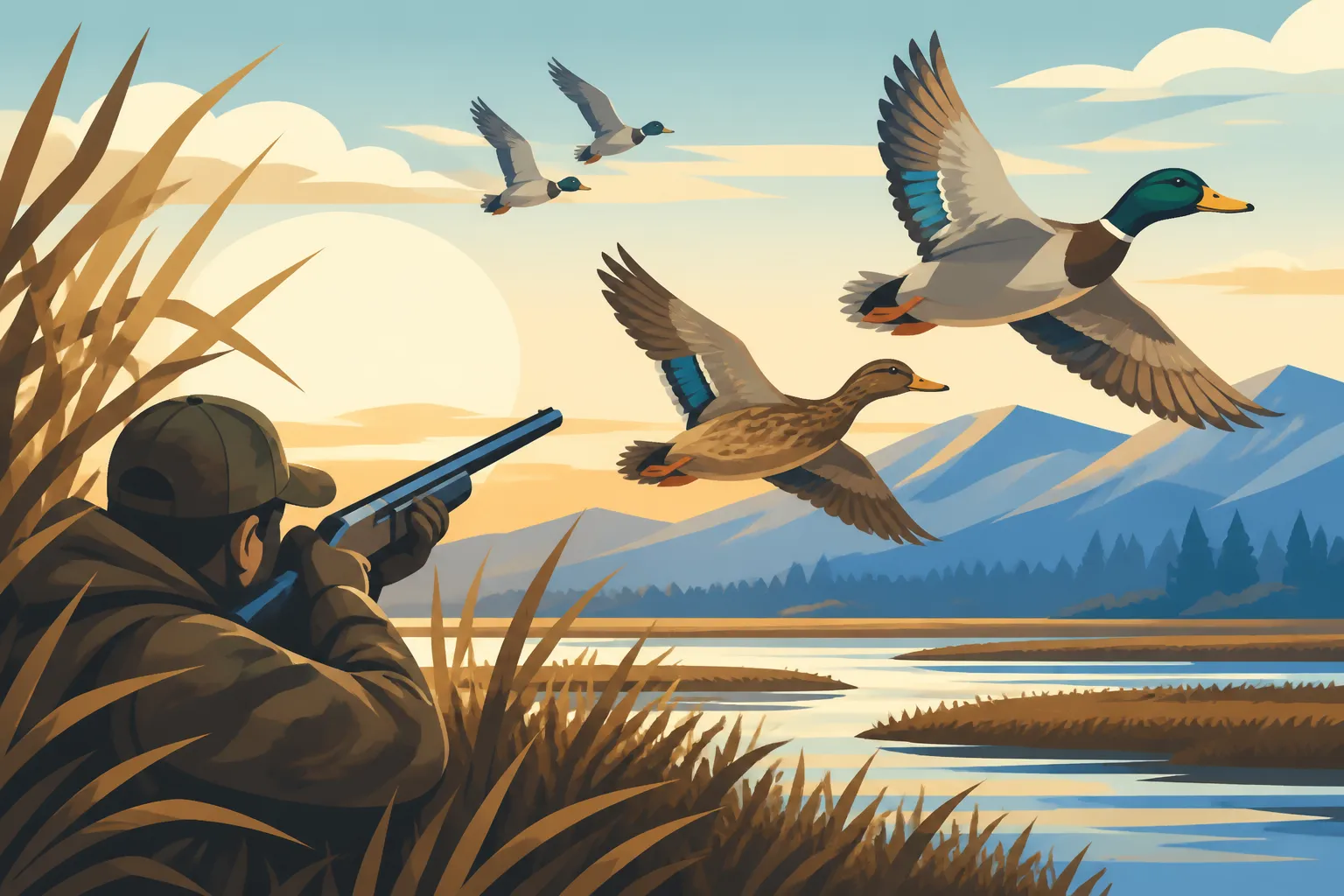
- Mallard: The iconic duck, mallards are adaptable and abundant in the delta. You'll find them in almost every habitat, from river channels to flooded fields and even urban ponds. They respond well to calling and decoys and are often the most forgiving ducks for new hunters. Their versatility means they're a reliable target throughout the season.
- Green-winged Teal: The smallest of our dabblers, these speedy little ducks are a joy to hunt. They prefer shallow, vegetated marshes and sloughs, often found in tight flocks. They can be incredibly acrobatic in flight, making for challenging shooting.
- Gadwall: Often overlooked, gadwalls are a beautiful duck, with drakes sporting a subtle grey plumage and a distinctive white speculum. They're common in the delta's quieter sloughs and ponds, feeding on submerged vegetation.
Diving Ducks: The Deeper Water Specialists
While dabblers get a lot of attention, the delta also hosts a good number of diving ducks, especially in the larger channels and more open waters of the estuary. These birds dive completely underwater to find their food, which includes mollusks, crustaceans, and aquatic plants.
- Greater and Lesser Scaup: Often lumped together as "bluebills," scaup are plentiful on the more open waters of the delta, particularly during colder months. They form large rafts and dive for shellfish and aquatic insects.
- Bufflehead and Goldeneye: These smaller, often striking divers are frequently found in the river channels and protected bays. Buffleheads are tiny, black-and-white marvels, while goldeneyes are larger and incredibly hardy, often staying well into winter. They're fast flyers and can offer exciting shooting opportunities.
Understanding these different species helps you choose your hunting location and tactics. For example, if you're targeting pintails, you'll focus on open mudflats or large flooded fields. If scaup are your quarry, you'll likely be on the main river channels or larger bays. British Columbia Duck Season Dates can give you an idea of when these species are most abundant and legal to pursue.
Here’s a quick overview of some common species you might encounter:
| Species | Preferred Habitat (Delta) | Key Identifying Feature (Drake) | General Diet |
|---|---|---|---|
| Northern Pintail | Open mudflats, flooded fields, shallow estuaries | Long, slender neck and tail feather | Seeds, aquatic plants, invertebrates |
| American Wigeon | Estuaries, flooded pastures, large open water | White patch on wing, green head stripe | Grasses, aquatic vegetation |
| Mallard | Rivers, sloughs, flooded fields, ponds | Green head, white neck ring | Seeds, grains, insects, aquatic plants |
| Green-winged Teal | Shallow, vegetated marshes, small sloughs | Small size, green speculum | Seeds, invertebrates |
| Gadwall | Quieter sloughs, ponds, vegetated edges | White speculum (wing patch) | Submerged vegetation, seeds |
| Greater/Lesser Scaup | Large river channels, open estuary waters | Blue bill, black head (Greater: rounder) | Shellfish, aquatic insects |
| Bufflehead | River channels, protected bays | Large white head patch, small body | Aquatic insects, crustaceans, small fish |
| Common Goldeneye | Main river channels, open tidal waters | White spot near eye, iridescent head | Shellfish, insects, small fish |
Strategies and Realities of Hunting Ducks in this Densely Populated Area
Hunting ducks in the Fraser Delta is a unique experience, often a blend of traditional waterfowling techniques with the added complexities of hunting near urban centres and amidst significant agricultural activity. It's rarely a solitary pursuit, and success often hinges on good scouting, adaptability, and respecting your fellow hunters.
Decoying and Calling: The Core Tactics
For most duck hunters in the delta, decoying is the primary method. Setting up a spread that mimics a resting or feeding flock of birds can be incredibly effective, especially for dabblers like pintails, wigeon, and mallards. On the vast mudflats, large spreads of shell decoys or full-body decoys can be necessary to attract birds from a distance. In smaller sloughs or flooded fields, a more modest spread might be all you need. Motion decoys, like spinners or jerk cords, can add that crucial element of realism to draw birds in. Remember to place your decoys strategically, accounting for wind direction and the birds' typical approach patterns. Decoying Ducks on a Coastal Estuary details some of these strategies.
Calling also plays a significant role, particularly for mallards and wigeon. A good hail call can grab distant birds' attention, and softer feeding chuckles can seal the deal as they work your spread. However, in heavily pressured areas, over-calling can spook birds. Sometimes, a subtle approach with minimal calling is more effective. Just like using GoHunt to find new hunting spots, practicing your calling technique and knowing when to be quiet is a learned skill.
Jump-shooting is another viable option, particularly along less accessible sloughs, ditches, and riverbanks. This involves stealthily approaching areas where ducks might be resting or feeding and flushing them for a shot. It requires keen observation and a quiet approach, but can be very rewarding, especially in areas with limited space for decoy spreads.
Navigating Tides, Weather, and Access
The Fraser Delta is highly tidal, and understanding the tide charts is non-negotiable for success. Low tide can expose vast mudflats where ducks feed, making certain areas prime. High tide can flood these areas, pushing birds into sloughs or fields. Strong tidal currents in the main river channels also dictate where you can safely set decoys or anchor a boat. Always be mindful of the outgoing tide, as it can leave you stranded or make retrieval difficult. Hunting From a Boat on the Coast can provide insights on utilizing watercraft in such environments.
Weather also dictates duck behaviour. Overcast, drizzly days with a steady breeze are often ideal, as they keep birds flying lower and more actively. Bright, calm days can make ducks skittish and prone to circling high. The delta's coastal proximity means you'll often be dealing with rain, so good waterproof gear is essential.
Access in the delta can be challenging. Much of the prime habitat is either private agricultural land or within designated wildlife management areas with specific rules. Always be absolutely certain of your location and respect private property. Trespassing is not just illegal; it gives all hunters a bad name. British Columbia Trespass and Private Land Law outlines your responsibilities. Utilize public land maps, and if a particular farmer has exceptional habitat, consider asking for permission well in advance. Sometimes, a knock on the door and a polite request can open up incredible opportunities.
Hunter Pressure and Safety
Due to its accessibility and abundant waterfowl, the Fraser Delta sees significant hunter pressure. You'll often be sharing the landscape with other duck hunters, goose hunters, and even wildlife viewers. This means being extra vigilant about firearm safety, clearly identifying your target, and communicating with other groups if necessary. Always maintain a safe shooting lane and be aware of your surroundings. British Columbia Shooting Hours are another critical piece of information you must adhere to. The shared nature of the resource means that courtesy and ethical behaviour are paramount to ensuring a positive experience for everyone.
Navigating Regulations, Conservation, and Responsible Hunting in the Delta
Hunting in the Fraser Delta, like all hunting in British Columbia, comes with a specific set of rules and a deep commitment to conservation. Because it's such a vital migratory bird stopover, you're dealing with both provincial and federal regulations, which can sometimes feel like a lot to juggle. But it's all there to ensure the future of these incredible resources.
Federal Migratory Bird Regulations
First and foremost, when hunting ducks (or geese) in British Columbia, you need to be aware of federal regulations. This means obtaining a Migratory Game Bird Hunting Permit, which is separate from your provincial hunting licence and species tags. This permit also requires you to purchase a Canadian Wildlife Habitat Conservation Stamp. These funds directly contribute to habitat conservation efforts across the country, which ultimately benefits the birds you're hunting. The Federal Migratory Game Bird Permit covers the specifics of this requirement. Always ensure your permit is valid for the current season and that you understand the bag limits and possession limits for each species.
Provincial Rules and Wildlife Management Areas
Beyond the federal permit, you'll need your provincial hunting licence and a FWID (Fish and Wildlife ID). The provincial regulations dictate season dates, specific bag limits, and general hunting rules. For the Fraser Delta, pay particular attention to any specific rules for Wildlife Management Areas (WMAs). The George C. Reifel Migratory Bird Sanctuary, for example, is a well-known conservation area within the delta where hunting is often restricted or prohibited. However, other WMAs might have designated hunting zones with specific entry, access, and shooting hour rules. Always check the current British Columbia hunting synopsis for the most up-to-date information on the specific Management Unit (MU) you plan to hunt. British Columbia Wildlife Management Area Rules are often more stringent than general Crown land regulations.
It's crucial to understand the rules around shot type as well. For all migratory bird hunting in British Columbia, non-toxic shot is mandatory. This means no lead shot is allowed when hunting ducks, geese, or other waterfowl. This regulation is in place to protect both the birds and the environment from lead poisoning. Non-Toxic Shot Rules in British Columbia provides further detail on this important environmental protection.
Compulsory Reporting and Ethical Practices
While most duck and goose harvests don't require compulsory inspection like some big game species, it's always good practice to keep accurate records of your harvest. Some species or specific areas might have mandatory reporting requirements, so consult the regulations synopsis carefully. The Thirty Day Reporting Deadline applies to many species. This data is vital for wildlife managers to monitor populations and adjust seasons and bag limits for future sustainability.
Responsible hunting in the Fraser Delta also means being a good neighbour. This highly visible area means hunters are often under scrutiny from the non-hunting public. Adhere to all safety rules, pick up your spent shells and garbage, retrieve all downed birds, and handle your game respectfully. Consider using GoHunt or similar scouting tools to understand property boundaries and avoid unintentional trespass. Showing respect for the land, the wildlife, and other users of the outdoors goes a long way in ensuring hunting remains a valued part of British Columbia's heritage. Your actions reflect on all hunters, and in an area as visible as the Fraser Delta, that impact is amplified.
Disclaimer
This article is for general informational purposes only and does not constitute professional advice. Laws, prices and regulations vary by location and change over time. Consult a qualified professional for guidance on your specific situation.