Where Cougars Are Most Common
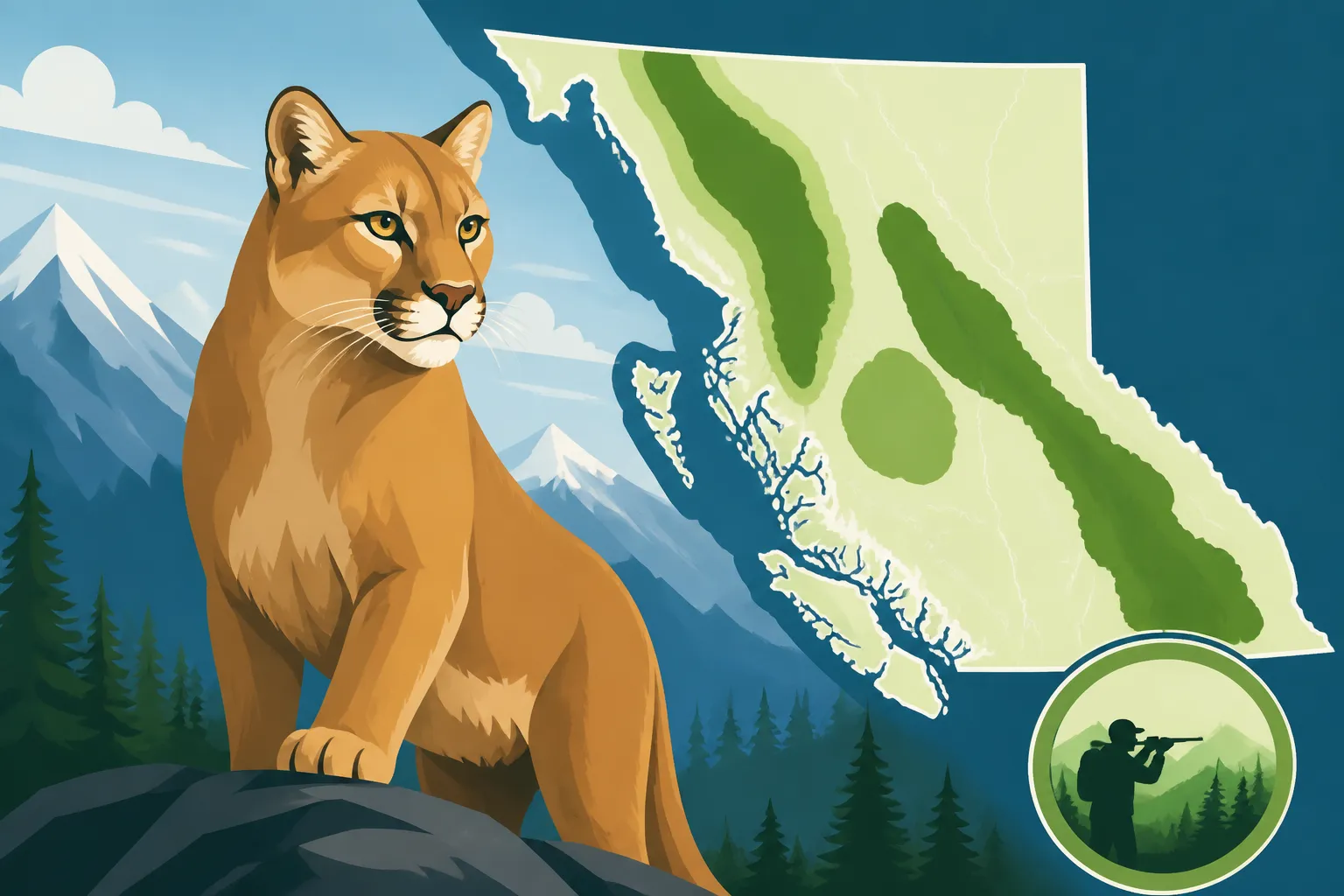
Many hunters across British Columbia dream of the ultimate predator encounter, the chance to pursue a cougar in its natural element. But the sheer vastness and varied terrain of this province can make locating these elusive cats feel like searching for a ghost. If you've spent countless hours wondering where exactly to focus your efforts, you're not alone. This comprehensive guide will illuminate the specific regions and habitat types across British Columbia where cougars are most common, helping you understand their patterns and increase your odds of a successful hunt or even just a sighting.
Understanding Cougar Habitat Preferences
To understand where cougars are most common, we first need to delve into what makes a good home for them. These incredible hunters aren't just roaming aimlessly; they are incredibly strategic and territorial animals with specific environmental needs. Their survival hinges on a delicate balance of abundant prey, suitable cover for stalking, and relatively undisturbed areas for denning and raising their young. Without these key components, a cougar simply won't thrive.
The Importance of Prey Density
Cougars are obligate carnivores, meaning their diet is almost exclusively meat. For British Columbia's cougars, deer are the bread and butter of their existence. This means that if you want to find cougars, you need to be where the deer are. Areas with high populations of black-tailed deer, mule deer, and even white-tailed deer will naturally support a higher density of cougars. These ungulates provide the consistent food source required to sustain a healthy cougar population.
Consider a place like Vancouver Island, renowned for its dense populations of Black-Tailed Deer on British Columbia's Coast. Where deer thrive, especially in areas with good cover, cougars will follow. It's not just about deer, though; elk, particularly the Roosevelt elk on the coast and Rocky Mountain elk in the Kootenays, also feature significantly in their diet in certain areas. Even smaller game, like snowshoe hare or beaver, can supplement their diet, but deer are the primary driver of cougar presence. If you're scouting a new area, always start by asking yourself, "Is this good deer country?" If the answer is yes, you're already on the right track for cougars.
Key Terrain and Cover Requirements
Beyond food, cougars need terrain that allows them to hunt effectively and remain hidden. They are ambush predators, relying on stealth and surprise rather than long-distance chases. This means they favour broken terrain, dense forests, thick undergrowth, and rocky outcrops. These features provide the perfect concealment for stalking prey and for retreating when necessary.
On the coast, this often translates to vast stretches of Hunting a Second-Growth Timber Block and thick rainforest, where the dense canopy and underbrush offer endless opportunities for cover. In the Interior, it might be deep draws, timbered ridges, and areas with good stands of mature timber interspersed with open patches where deer graze. Think of areas with a mix of dense cover and open feeding grounds. Cougar tracks and sign are often found along the edges of these habitat transitions. They'll often parallel old logging roads or game trails that offer both easy travel and access to stalking lanes. Knowing these preferred cover types is crucial for anyone hoping to Calling Predators in British Columbia.
Top Regions for Cougar Activity in British Columbia
While cougars are found throughout British Columbia, certain regions consistently stand out for their higher populations and, consequently, better hunting opportunities. These areas typically boast the perfect combination of abundant prey and suitable habitat, creating an ideal environment for these apex predators.
Vancouver Island and the Southern Coast
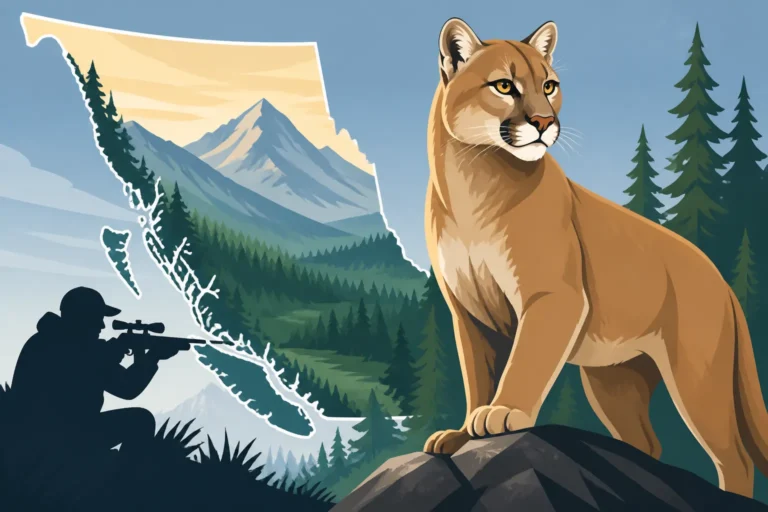
Without a doubt, Vancouver Island holds some of the highest cougar densities in North America. The island's mild climate, combined with incredibly dense black-tailed deer populations, creates a veritable cougar paradise. The coastal rainforest, with its mosaic of old-growth timber, regenerating cutblocks, and steep, rugged terrain, offers endless opportunities for these cats to thrive. It’s no wonder so many hunters make the trip to target cougars here.
Hunters on Vancouver Island frequently encounter cougar sign, especially when Hunting Vancouver Island Blacktail in Second Growth or tracking deer along logging roads. The sheer number of deer means that cougars have a consistent food source, allowing their populations to remain robust. Beyond Vancouver Island, the rugged, mountainous areas of the mainland coast, particularly around the Sunshine Coast, Squamish, and further north towards Bella Coola, also support significant cougar numbers due to similar habitat and prey availability, including mountain goats and coastal elk. These areas are characterized by steep slopes and thick vegetation, perfect for an ambush predator.
The Kootenay Region
Moving inland, the Kootenay region in southeastern British Columbia is another hotspot for cougar activity. This area is characterized by its dramatic mountain ranges, deep valleys, and mixed forests, providing excellent habitat for both mule deer and white-tailed deer, as well as elk. The sheer amount of diverse terrain, from dense timber to open slopes, gives cougars plenty of territory to roam and hunt.
The Kootenays see a healthy mix of both mule deer and white-tailed deer, making for consistent prey. Hunting areas like the Elk Valley, the Flathead Drainage, and the numerous creek draws within the Purcell and Rocky Mountains offer prime cougar habitat. When the snow falls and pushes deer to lower elevations, cougars often follow, making late-season hunting particularly productive. Keep an eye out for fresh tracks in the snow along logging roads or in river bottoms; these can tell you exactly Reading Blacktail Sign in Wet Ground or mule deer sign, and where a cougar might be patrolling. Many experienced hunters use mapping software like GoHunt to scout these diverse elevations and identify potential cougar corridors based on known deer wintering grounds.
Okanagan and Thompson Regions
The dry, rugged landscapes of the Okanagan and Thompson regions, while different from the coast, also support a significant cougar population. These areas are primarily known for their mule deer and white-tailed deer herds, which thrive in the grasslands, pine forests, and broken, sagebrush-covered terrain. The numerous canyons, steep benches, and river valleys provide excellent cover and travel corridors for cougars.
While the vegetation might not be as dense as the coast, the broken nature of the topography offers plenty of ambush opportunities. Cougars here adapt to the drier climate, often using riparian zones along creeks and rivers, or the shaded north-facing slopes, for daytime bedding and travel. Mule deer are a primary food source, and where you find strong mule deer populations, especially in the larger, more remote valleys and highlands, you'll find cougars. Using a robust mapping tool like GoHunt can help you identify these specific habitat types, from "hunting an interior grassland bench" to "hunting a sagebrush flat for mule deer," which often correlate directly to cougar hunting grounds.
Specific Habitat Types and Movement Patterns
Beyond broad regional classifications, understanding specific habitat types and how cougars utilize them can further refine your search. These cats are incredibly adaptive, and their movements are often dictated by the availability and movement of their primary food sources.
Logging Roads and Cutblocks
Logging roads are a double-edged sword for hunters but can be a goldmine for finding cougar sign. While busy roads can push animals deeper into the bush, less-travelled or deactivated logging roads provide excellent travel corridors for cougars. They often use these roads for easy movement through their territory, patrolling for prey. Fresh tracks in the mud or snow on these roads are a clear indication of their presence.
Cutblocks, especially those a few years old with good regenerating growth, are magnets for deer, and consequently, for cougars. The edges of these cutblocks, where dense cover meets open feeding areas, are prime ambush locations. When Hunting a Recent Cutblock in Its Third Year, pay close attention to the fringes where deer will browse and cougars will lie in wait. These areas provide the perfect blend of food access and concealment, making them high-probability zones for cougar activity.
Alpine and Subalpine Zones
While often associated with thick timber, cougars will readily ascend into alpine and subalpine zones, especially during periods when mountain goats or sheep are available, or when deer migrate to higher elevations. During the summer months, or in early fall when Hunting British Columbia's Alpine in September, cougars can be found patrolling rocky slides, avalanche chutes, and high elevation meadows.
These high-country cougars are often larger and even more elusive, adapted to the rugged conditions. Look for sign around cliff bands and bluffs, where mountain goats and sheep find refuge, as cougars are adept at navigating such treacherous terrain. The transition zones between timberline and the open alpine are particularly productive, as animals move between feeding and bedding areas.
Factors Influencing Cougar Distribution and Behavior
Cougar populations and their distribution aren't static; they ebb and flow with various environmental factors. Understanding these dynamics can give hunters a significant edge when trying to pinpoint where these animals will be.
Seasonal Shifts and Prey Migration
Cougar movements are heavily influenced by the seasons, primarily due to the migration patterns of their prey. In the fall and early winter, as snow pushes deer and elk down from higher elevations to their wintering grounds, cougars will follow. This concentrates both prey and predators in lower valleys, river bottoms, and south-facing slopes. This is often when you'll find the highest density of cougar activity in accessible areas.
Conversely, in spring and summer, as deer move back to higher, greener pastures, cougars will disperse. This makes them harder to find but can offer opportunities in areas that are less pressured. A hunter using a mapping platform like GoHunt can review historical snow lines and known winter range for deer and elk, which can be invaluable for predicting where cougars will be concentrated during the colder months. Understanding these seasonal shifts is critical for knowing when and where to hunt these animals effectively.
Human Activity and Pressure
Like most predators, cougars are incredibly sensitive to human activity. Areas with high recreational use, dense human populations, or heavy industrial activity will generally have lower cougar numbers or at least cougars that are far more wary and nocturnal. They prefer wilder, more remote areas where they can operate undisturbed.
This doesn't mean they never venture near human settlements – they certainly do, often drawn by easy prey like domestic animals or deer that become habituated to urban fringes. However, for hunting purposes, focusing on truly wild and expansive territories away from significant human presence will yield better results. This often means venturing deeper into British Columbia's extensive British Columbia's Crown Land Access, utilizing British Columbia's Forest Service Road Network to get into remote areas, and being prepared for extended stays in the backcountry. The more remote you go, the higher your chances of finding a thriving cougar population that hasn't learned to completely avoid human contact.
Best Practices for Finding Cougars
Knowing where cougars are common is just the first step. Successfully finding them requires diligent scouting, patience, and an understanding of their sign.
Scouting for Sign
The most effective way to find cougars is to look for their sign. Tracks are the most common indicator – look for large, round paw prints without claw marks (claws are usually retracted) along dusty roads, game trails, or in snow. Scat (droppings) can also be found, often containing hair and bone fragments of their prey. Kill sites, identified by scattered hair, bones, and often a partially buried carcass, are undeniable evidence of cougar activity.
Focus your scouting efforts in the high-probability areas mentioned above: dense deer winter ranges, the edges of cutblocks, along less-used logging roads, and in draws or creek bottoms that offer good cover. Using a good set of optics and systematically glassing slopes known for deer can also help you spot a cougar moving between bedding and hunting areas, especially at dawn and dusk. Scouting a British Columbia Management Unit for cougars isn't much different than scouting for deer – it's all about finding their food and their preferred travel routes.
Utilizing Mapping Tools and Local Knowledge
Modern hunting apps and mapping tools, such as GoHunt, are indispensable for cougar hunting. They allow you to study topography, identify dense timber, pinpoint potential travel corridors, and mark areas of past cougar activity. Overlaying maps with historical wildfire data or logging activity can also give you insight into areas that may have recently seen an increase in deer populations.
Don't underestimate the power of local knowledge. Talking to other hunters, trappers, or even forestry workers in an area can provide invaluable insights into cougar activity. They often spend significant time in the bush and can offer tips on specific drainages or habitat types that consistently hold cats. This blend of digital scouting and on-the-ground intelligence is your best bet for successful cougar hunting in British Columbia.
| Region | Primary Prey Species (Major) | General Cougar Prevalence | Habitat Characteristics |
|---|---|---|---|
| Vancouver Island | Black-tailed Deer, Elk | High | Dense second-growth, old-growth edges, coastal mountains |
| Southern Coast (Mainland) | Black-tailed Deer, Elk, Mountain Goat | High | Steep, rugged mountains, dense coastal rainforest |
| Kootenays | Mule Deer, White-tailed Deer, Elk | Moderate to High | Mountainous terrain, river valleys, mixed forest |
| Okanagan/Thompson | Mule Deer, White-tailed Deer | Moderate | Dry grasslands, pine forests, broken terrain |
| Cariboo/Chilcotin | Mule Deer, Moose | Moderate | Forested plateaus, aspen parklands, scattered clearings |
| Skeena/Omineca (North) | Moose, Mule Deer | Moderate | Vast wilderness, dense boreal forest, mountain ranges |
Disclaimer
This article is for general informational purposes only and does not constitute professional advice. Laws, prices and regulations vary by location and change over time. Consult a qualified professional for guidance on your specific situation.