What Happened After the Grizzly Hunt Closed
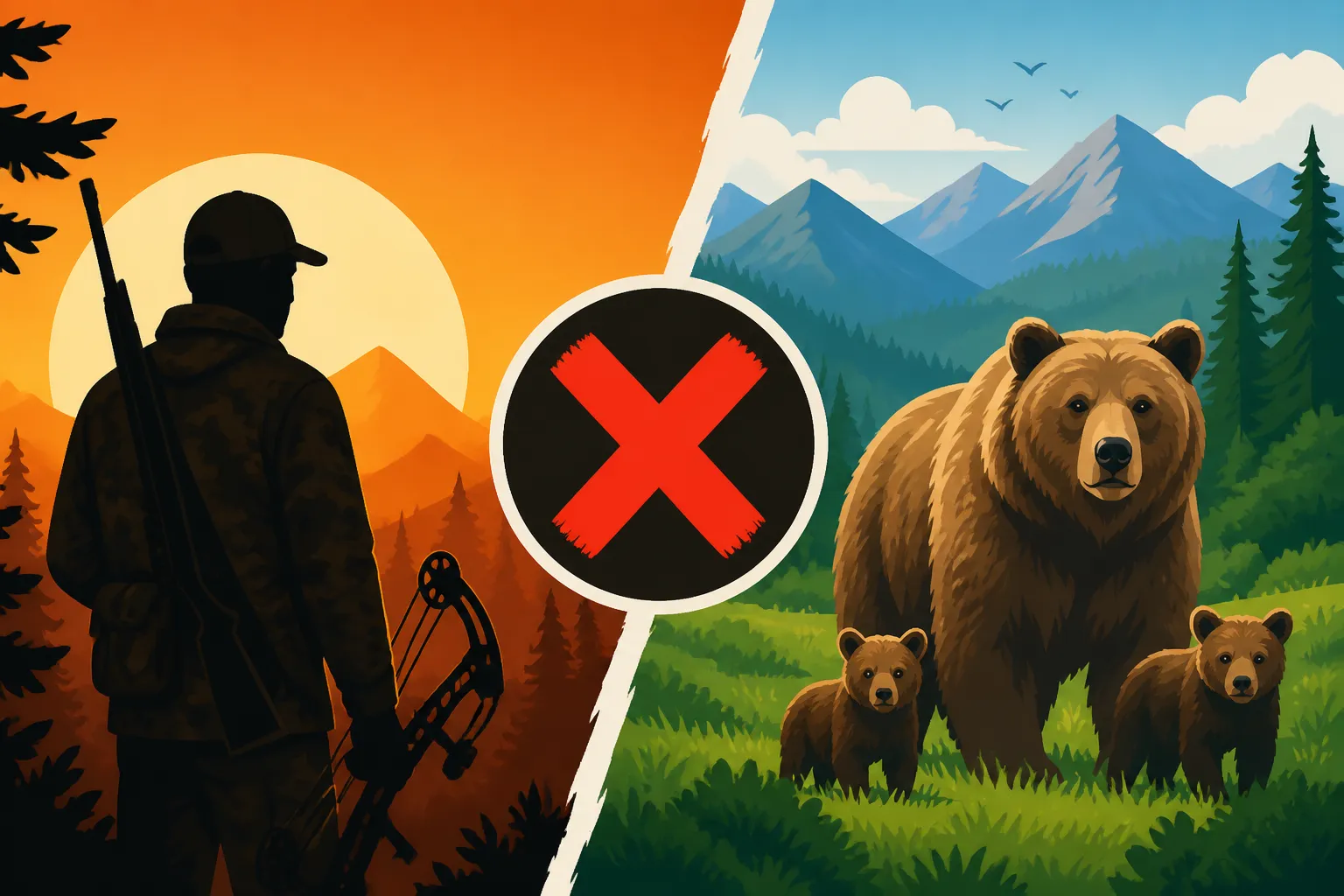
For many of us who cherish British Columbia's wild places, the decision to close the grizzly bear trophy hunt in 2017 (and then the full hunt in 2018) was a seismic shift, leaving a lot of questions about what it truly meant for these iconic animals and our shared landscapes. This guide delves into the realities on the ground since that pivotal moment, exploring the various impacts, the ongoing conservation efforts, and what it means for hunters and wildlife enthusiasts navigating BC today.
The Pivotal Decision to End Grizzly Hunting in British Columbia
The path to ending grizzly bear hunting in British Columbia was a long and often contentious one, stirring passions on all sides of the issue. For years, the grizzly hunt, particularly the "trophy hunt" aspect where only the hide and skull were kept, had been a lightning rod for debate. Conservation groups and a significant portion of the public argued that hunting grizzlies for sport was unethical and risked vulnerable populations. They highlighted the grizzlies' slow reproductive rates and the inherent challenges in accurately estimating their numbers across vast, remote territories.
On the other hand, many hunters and guide outfitters firmly believed that regulated hunting was a valuable conservation tool. They pointed to the economic benefits that fueled wildlife management and habitat protection, and argued that responsible hunting, overseen by science-based quotas, was sustainable and had little impact on overall population health. Hunters often felt their deep connection to the land and knowledge of wildlife were overlooked in the public discourse. The initial move in 2017 to end the trophy hunt, while still allowing the harvest of meat, was a compromise, but it soon became clear that the pressure for a complete closure was overwhelming, leading to the full cessation of grizzly hunting in 2018. This decision, while celebrated by some, left many in the hunting community feeling unheard and uncertain about the future of wildlife management in the province.
Public Sentiment and Conservation Advocacy
The public outcry against grizzly hunting had been building for decades, reaching a crescendo in the years leading up to the ban. It wasn't just about the act of hunting itself, but the image it projected of British Columbia's wilderness. Many people felt that grizzlies, as apex predators and symbols of wildness, deserved a higher level of protection. Petitions garnered hundreds of thousands of signatures, and environmental organizations launched high-profile campaigns that resonated deeply with urban populations and those less familiar with hunting as a management tool.
These campaigns often focused on the perceived cruelty of the hunt and the economic potential of bear viewing tourism as an alternative to hunting. The narrative shifted from sustainable harvest to the intrinsic value of these animals, regardless of their population numbers. This strong public sentiment ultimately played a significant role in influencing the political decision, demonstrating the power of popular opinion in shaping wildlife policy, even when it sometimes ran counter to the perspectives of the hunting community. It created a deep divide that still echoes through discussions about wildlife management today.
The Role of Science and Indigenous Perspectives
While public opinion was a powerful driver, the scientific understanding of grizzly bear populations also played a complex role. Scientists had been studying grizzly populations for years, often providing estimates that varied widely depending on methodology and the specific management unit. Some studies suggested healthy, stable populations in many areas, while others highlighted vulnerable, isolated populations in decline. This scientific complexity made it difficult to present a clear-cut case, and both sides of the debate often cherry-picked data to support their arguments.
Alongside the scientific debate, Indigenous perspectives on grizzlies, often rooted in centuries of co-existence and deep respect for these animals, also gained prominence. Many First Nations communities hold grizzlies in high cultural and spiritual regard, with some having traditional harvest practices that differ significantly from modern recreational hunting. The decision to close the hunt also acknowledged these Indigenous perspectives, recognizing that wildlife management in British Columbia must consider a broader range of values and relationships with the land. This integration of diverse knowledge systems added another layer of complexity to an already multifaceted issue.
Immediate Aftermath and Shifting Dynamics
When the hunt officially closed, it sent ripples through various communities, particularly those involved in guide outfitting and the local economies that supported them. For guide outfitters who had built their businesses around grizzly hunts, often booking clients years in advance, the closure meant an immediate and significant loss of revenue. Many had to pivot their operations, focusing more on black bear, moose, or Elk Hunting in British Columbia hunts, or shifting entirely to wildlife viewing and photography tours. It was a tough transition for many, especially those in remote areas where grizzlies were a primary draw.
For resident hunters, the immediate impact was also felt, even if fewer participated in grizzly hunts compared to other species. There was a sense of uncertainty about what this meant for overall wildlife management. Would other species follow suit? Would predator populations, no longer managed through hunting, begin to impact ungulate numbers? These were legitimate concerns that sparked much discussion among the hunting community, highlighting the interdependencies within the ecosystem and the management system.
Changes for Resident Hunters and Outfitters
Resident hunters, while not directly affected by the trophy hunt ban in the same way guide outfitters were, still felt the reverberations. Many had long viewed grizzly hunting as a challenging and rewarding pursuit, and its cessation meant the loss of an opportunity that was part of BC's hunting heritage. The broader conversation also fueled discussions around the role of resident hunters in conservation and how their contributions, through license fees and volunteer efforts, would be recognized and utilized in a changing landscape.
Guide outfitters faced the most direct economic hit. Their business models, often based on high-value, multi-species hunts, had to be rapidly re-evaluated. Some successfully transitioned to other offerings, diversifying their operations to include Spring Bear Hunting British Columbia's Logging Roads for black bears, fishing trips, or eco-tourism. Others struggled, particularly those whose territories were renowned specifically for grizzly opportunities. This period underscored the economic fragility of some remote communities heavily reliant on hunting tourism.
Initial Observations and Speculations
In the immediate years following the closure, observations varied widely. Some individuals reported seeing more grizzlies, particularly in areas they frequented, leading to speculation that populations were rapidly increasing. Others, particularly long-time backcountry users and hunters, cautioned against drawing quick conclusions, emphasizing that anecdotal sightings don't necessarily equate to province-wide population booms. They pointed out that grizzly distribution can be influenced by food sources, weather patterns, and even human activity, making short-term observations tricky to interpret.
There were also concerns raised about potential increases in human-wildlife conflict, especially in areas where grizzlies might become more habituated or bolder without the pressure of hunting. While concrete data takes time to collect and analyze, these initial speculations reflected the deeply held beliefs and experiences of those who live and work closest to these magnificent, powerful animals. The lack of clear, immediate data meant that much of the discussion was fueled by personal observations and deeply ingrained perspectives on predator management.
Monitoring Grizzly Populations and Management Efforts
Without hunting harvest data, monitoring grizzly bear populations shifted to other methods, often relying on a combination of intensive scientific studies and public reporting. The provincial government continues to invest in research to understand grizzly numbers, distribution, and health. This involves techniques like DNA sampling from hair snags, remote camera traps, and aerial surveys in specific regions. These methods, while costly and labour-intensive, aim to provide a more direct assessment of populations.
For those interested in understanding the terrain and management unit boundaries where these magnificent animals roam, resources like GoHunt can offer valuable insights into the landscape and its complexities, though it's important to remember that such tools provide geographical context, not real-time population data. This ongoing monitoring is crucial not just for grizzlies, but for understanding their impact on other species, such as British Columbia's Caribou Herds and Their Status, which can be particularly vulnerable to increased predation. The emphasis has largely moved from managing populations through harvest to managing them through habitat protection and conflict reduction.
Shifting from Harvest Data to Direct Surveys
Historically, harvest statistics provided a valuable, albeit indirect, source of information on grizzly populations. The number of bears hunted, their age, and sex were all data points that wildlife biologists could use to infer population health and trends. With the hunt closure, this data stream ceased, necessitating a shift to more direct, non-lethal survey methods.
Techniques like hair snagging, where bears rub against barbed wire to collect hair samples for DNA analysis, have become more prevalent. This allows scientists to identify individual bears, estimate population sizes, and assess genetic diversity within specific areas. Remote cameras, strategically placed, also offer insights into bear activity patterns and presence. While these methods provide rich data, they are geographically limited and require significant logistical effort and funding, making a comprehensive, province-wide census a monumental undertaking.
Ongoing Research and Conservation Initiatives
Beyond population counting, significant research continues into grizzly ecology, diet, habitat use, and movement patterns. Understanding these aspects is vital for effective conservation in a changing environment. For instance, studies on what bears eat on a Hunting a Salmon Stream for Bears can inform salmon conservation efforts, which directly impact grizzly health. Researchers are also looking at how grizzlies respond to human disturbances, climate change, and habitat fragmentation.
Conservation initiatives have also intensified, focusing on protecting critical grizzly habitat, maintaining movement corridors, and reducing human-bear conflicts. This includes public education campaigns, proper waste management in rural and recreational areas, and swift responses to problem bears. The goal is to foster coexistence, recognizing that grizzlies are an integral part of British Columbia's wilderness. You can learn more about how to navigate these areas safely in articles like Grizzly Safety on a British Columbia Hunt.
Ecological and Social Ramifications
The closure of the grizzly hunt wasn't just a change in policy; it represented an experiment in ecosystem management with potential ecological and social ramifications that are still unfolding. Ecologically, the absence of hunting pressure could, in theory, lead to changes in grizzly numbers, distribution, and behaviour. Socially, it impacts human perceptions of wildlife, interactions in the backcountry, and the economic landscape of certain regions.
The table below summarizes some of these shifts, from the broad strokes of management philosophy to the more nuanced effects on the ground.
| Aspect of Management | Before Hunt Closure (General Approach) | After Hunt Closure (General Approach) |
|---|---|---|
| Primary Management Tool | Regulated harvest (trophy and meat) and habitat protection | Habitat protection, conflict reduction, direct population monitoring |
| Focus of Data Collection | Harvest data, population estimates for quota setting | Non-invasive population monitoring (DNA, cameras), habitat assessments |
| Perception of Grizzlies | Wildlife resource to be managed, apex predator with harvest potential | Iconic wildlife symbol, apex predator requiring strict protection |
| Economic Impact (Guiding) | Revenue source for guide outfitters, supporting local economies | Shift to other species/tourism (e.g., viewing), economic adjustment/loss |
| Human-Wildlife Conflict | Managed partly through harvest, education, and aversion conditioning | Managed through education, prevention, attractant management, aversion |
| Hunter's Role | Direct participant in management through harvest and conservation fees | Indirect participant via general license fees, focus on other species |
Predator-Prey Dynamics and Ecosystem Balance
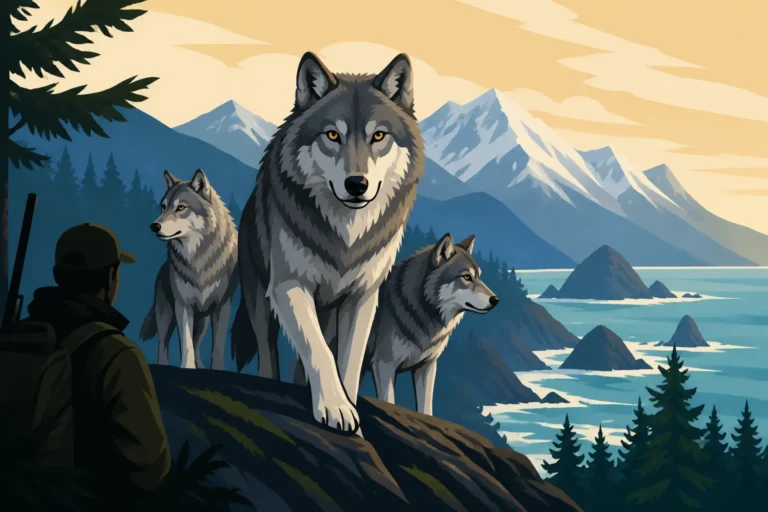
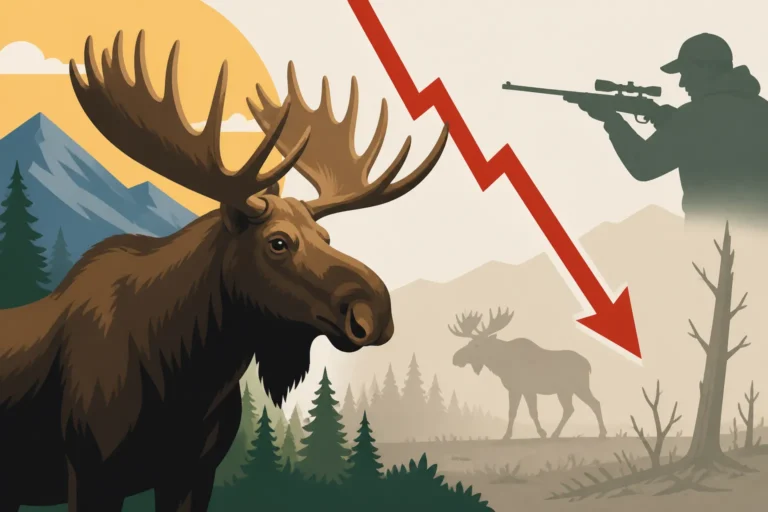
One of the most frequently discussed ecological ramifications revolves around predator-prey dynamics. Grizzlies are apex predators, and their populations can influence the numbers and distribution of ungulates like deer, moose, and elk. The argument for regulated hunting often included the idea that it helped manage predator numbers, thus potentially benefiting prey species. With the hunt closed, some worry about increased predation pressure on already stressed populations, especially in areas where prey numbers might be low due to other factors like What Wildfire Has Done to British Columbia Game or habitat loss.
However, ecosystems are incredibly complex, and predicting precise outcomes is difficult. Grizzlies are opportunistic omnivores; their diet varies seasonally and geographically, including berries, roots, insects, and fish in addition to meat. A healthy grizzly population could also contribute to ecosystem health by culling weak or diseased prey, or by dispersing seeds through their foraging. The long-term effects on specific prey populations and overall ecosystem balance will require continued monitoring and research.
Human-Wildlife Coexistence in a Post-Hunt Era
The social implications of the hunt closure largely centre on human-wildlife coexistence. Without the hunting pressure, grizzlies may become less wary of humans in some areas, potentially leading to an increase in encounters and conflicts. This places a greater emphasis on public education for backcountry users, hunters pursuing other species, and rural residents. Understanding Bear Safety While Hunting in British Columbia is more critical than ever, with a focus on attractant management, carrying bear spray, and knowing how to react in an encounter.
There's also the ongoing debate within the hunting community about the overall philosophy of wildlife management. Many hunters believe that without the financial and on-the-ground presence of outfitters and resident grizzly hunters, certain remote areas might see a decrease in human presence that could, paradoxically, lead to less monitoring of bear behaviour and potential issues. This highlights the complex relationship between human activity, wildlife, and conservation outcomes in British Columbia's vast wilderness.
The Future of Grizzly Bears in British Columbia
The story of grizzly bears in British Columbia is far from over. Their future is intertwined with habitat protection, sound management practices, and our collective commitment to coexistence. While the hunting debate has subsided, new challenges emerge constantly, from habitat fragmentation due to development to the escalating impacts of climate change on food sources and denning areas.
The focus moving forward is increasingly on understanding the complex needs of these animals and ensuring they have the space and resources to thrive. For anyone venturing into British Columbia's backcountry, whether to hunt Mule Deer Hunting in British Columbia, fish, or simply observe, respecting grizzlies and understanding their behaviour is paramount. Their presence is a testament to the wildness of this province, and their continued survival is a shared responsibility we all bear.
Continued Monitoring and Adaptable Management Strategies
British Columbia's wildlife management framework is built on adaptability, and the approach to grizzly bears is no exception. As new research emerges and technologies advance, monitoring strategies will continue to evolve. This might include more sophisticated genetic analysis, satellite tracking of individual bears, and enhanced citizen science programs where public sightings can contribute valuable data (when verified and properly collected).
The province will likely continue to refine its approach to managing human-bear conflicts, emphasizing prevention and early intervention. This means ongoing public awareness campaigns, effective waste management protocols, and readily available resources for communities dealing with bear issues. Management strategies must be dynamic, responsive to local conditions, and always guided by the best available science and a deep respect for these magnificent creatures.
The Broader Conservation Landscape
The conservation of grizzly bears in British Columbia cannot be isolated from the broader conservation landscape. Their fate is linked to the health of salmon runs, the integrity of old-growth forests, and the vastness of undisturbed wild spaces. Efforts to protect and restore critical habitats, such as those discussed in articles like Hunting an Old Growth Edge, benefit not only grizzlies but countless other species that share their home.
For hunters, even those focused on other game, the grizzly's presence is a constant reminder of the wildness of British Columbia. It reinforces the importance of ethical hunting practices, habitat stewardship, and contributing to the conservation efforts that benefit all wildlife. The journey since the hunt closure has been one of adaptation and ongoing learning, and it will continue to shape how we understand and interact with one of North America's most iconic predators for generations to come.
Disclaimer
This article is for general informational purposes only and does not constitute professional advice. Laws, prices and regulations vary by location and change over time. Consult a qualified professional for guidance on your specific situation.