When the Blacktail Rut Peaks
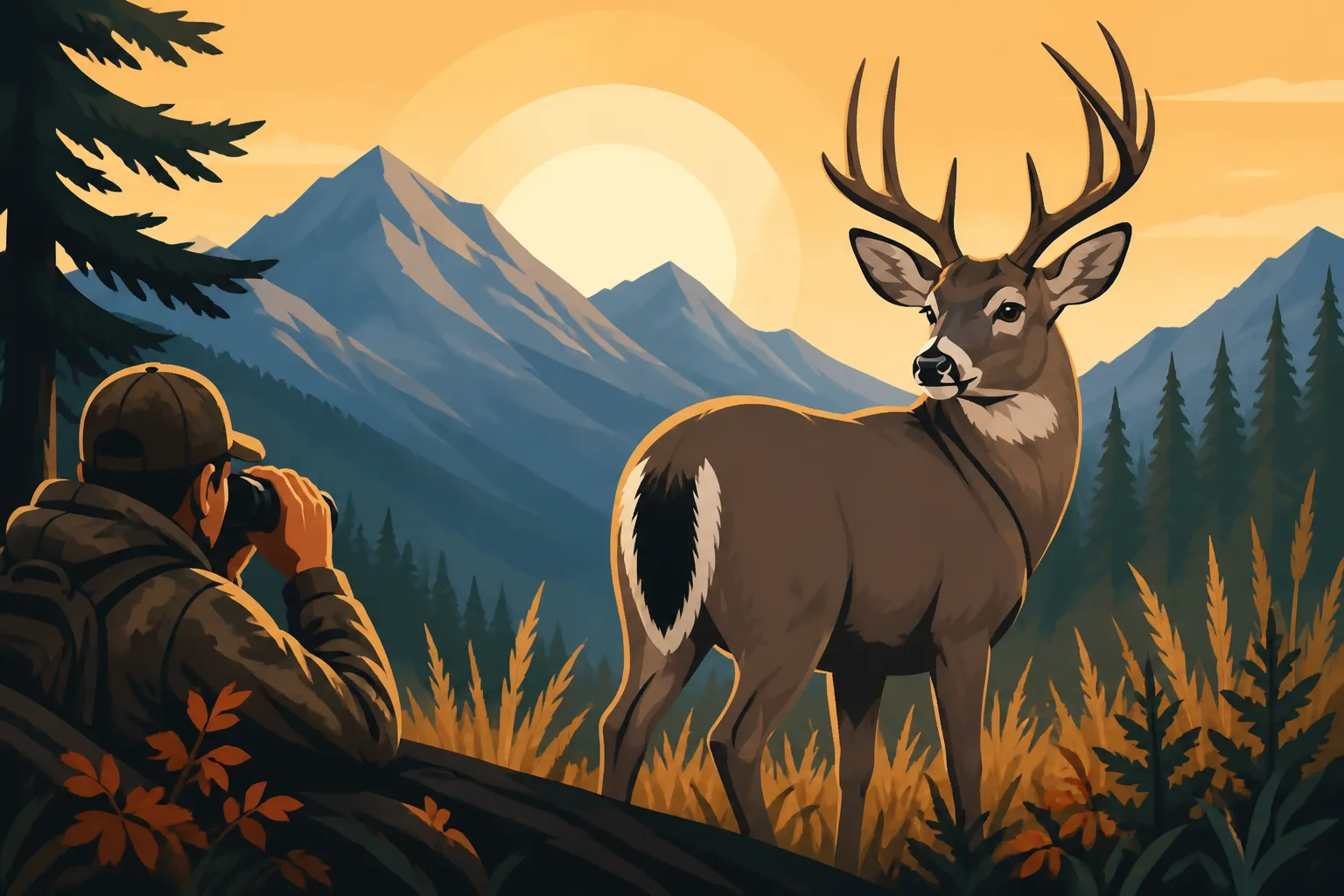
Trying to time your blacktail hunt in British Columbia can feel like chasing a ghost, especially when you're hoping to catch them during the peak of the rut. That magical window when bucks are most active and vulnerable is what every hunter dreams of, but knowing exactly when the blacktail rut peaks and how to capitalize on it requires more than just luck. This guide will dive deep into the behaviours, timing, and tactics needed to help you understand and hunt the blacktail rut effectively across the diverse landscapes of British Columbia.
Understanding the Blacktail Rut Cycle
For many hunters, the blacktail rut is the pinnacle of the hunting season. It’s when these typically elusive deer, known for their ability to vanish into thick cover, become more visible and vocal. The urge to breed drives bucks to abandon their solitary habits, making them more predictable and, critically, more callable. But to truly intercept this crucial period, you first need to grasp the fundamental biological rhythms that govern it. It's not just a switch that flips overnight; it's a gradual build-up of hormonal changes and behaviours that culminate in intense activity.
The frustration often stems from seeing scattered activity and wondering if the "real show" is yet to come, or if you've missed it entirely. Understanding the stages leading up to the peak can alleviate some of that guesswork and help you adapt your hunting strategy on the fly. You're not just looking for a buck, you're looking for a buck driven by instinct, a buck whose usual caution is overridden by the primal need to find does. This shift in their priorities is what makes the rut such an exciting and productive time to be in the woods.
The Biological Drive: Why Bucks Become Vulnerable
The rut is fundamentally a biological imperative, a window when does are receptive to breeding. For bucks, this means a surge in testosterone, prompting them to seek out does aggressively. This hormonal shift changes everything about their behaviour. Instead of relying purely on stealth and cover, they become bolder, sometimes even reckless, as they travel more widely, scent-check for does, and engage with other bucks. This increased movement is what makes them more vulnerable to hunters who understand their patterns.
They're covering ground they might normally avoid in daylight, venturing into more open areas or crossing logging roads that offer easier travel. Their focus shifts from feeding and hiding to finding and chasing does. This tunnel vision can make them less aware of their surroundings, or at least, less inclined to prioritize caution over breeding opportunities. It's a high-stakes game for them, and for the hunter, it presents a unique opportunity to encounter mature bucks that are otherwise incredibly difficult to pattern. You'll notice they're often alone or in pursuit of a doe, rather than in small bachelor groups as seen earlier in the season.
Pre-Rut Indicators: Scrapes, Rubs, and Increased Activity
Before the full-blown chaos of the peak rut, blacktail bucks begin to lay down clues about their presence and intentions. These pre-rut indicators are invaluable for scouting and positioning yourself for success. Look for fresh rubs on small trees and saplings, where bucks have scraped their antlers to remove velvet and later, to mark their territory and intimidate rivals. These rubs act as visual and scent posts, signalling a buck's readiness to breed. The size of the rub can sometimes give you an indication of the buck's body and antler size, though smaller bucks will rub just as enthusiastically.
More significant indicators are scrapes. These are patches of ground, usually under an overhanging branch, that bucks paw clean. They then urinate over their tarsal glands into the scrape, depositing a potent scent cocktail. The overhanging branch above the scrape, often called a "licking branch," also gets chewed and rubbed with preorbital scent glands. These scrapes are essentially communication hubs, telling other deer in the area who's around and who's ready to breed. Fresh scrapes, especially multiple ones in a "scrape line" along a travel corridor, are a clear sign that a buck is actively patrolling for receptive does and that the rut is building. Pay attention to Reading Blacktail Sign in Wet Ground as the moist coastal environment can make some signs more ephemeral. The more intense and frequent the fresh sign, the closer you are to the peak.
Pinpointing the Peak Rut in British Columbia
Knowing the general timing of the blacktail rut is one thing, but pinpointing its peak in British Columbia is often the key to success. Unlike some species where the rut timing is fairly uniform, blacktail deer in BC can exhibit regional variations due to differing climates, habitats, and deer populations. This is where local knowledge and careful observation become absolutely critical. The term "peak" itself refers to the period of most intense breeding activity, when the highest percentage of does are receptive and bucks are at their most frenzied.
It's a narrow window, often lasting only a week or two, but the activity leading up to it and shortly after can still be very productive. Many hunters get frustrated because they expect a specific date to hold true every year, but Mother Nature has her own schedule. Variables like weather fronts, moon phases, and even hunting pressure can subtly shift the exact timing. This unpredictability is part of the challenge and excitement of Hunting British Columbia's Coastal Blacktail. Hunters often rely on tools like the GoHunt app to keep detailed scouting notes year after year, which can reveal subtle patterns specific to their chosen hunting areas.
Coastal Versus Island Variations
British Columbia's blacktail deer populations primarily reside in the coastal regions, including the mainland coast, Vancouver Island, and the Haida Gwaii archipelago. While there's a general timeframe for the rut, subtle differences exist.
- Coastal Mainland: On the mainland coast, from the Lower Mainland up through the Sunshine Coast and beyond, the blacktail rut typically kicks into high gear in mid-November, sometimes starting a bit earlier in the first week, and extending through the end of the month. Bucks here might be found in dense timber, thick second-growth, or along the edges of clearcuts. Their movements can be influenced by heavy rainfall, as they might seek temporary shelter from the worst of the weather, but the breeding urge will still pull them out. Understanding Hunting Blacktail in British Columbia's Coastal Rain is crucial here.
- Vancouver Island: Vancouver Island, with its vast tracts of productive habitat, generally sees its blacktail rut peak from mid-November through the first week or two of December. The later timing often provides better hunting conditions as the weather cools and leaves fall, improving visibility in the dense forests. Hunters often focus on Hunting Vancouver Island Blacktail in Second Growth or around Hunting a British Columbia Island Clearcut Edge, where bucks will be scent-checking for does. With significant blacktail numbers on the island, the competition for does can be fierce, leading to intense buck activity.
- Haida Gwaii: While blacktail are abundant on Haida Gwaii, the hunting dynamics are quite unique. The rut timing generally aligns with Vancouver Island, usually peaking from mid-November into early December. However, the sheer density of deer on Haida Gwaii can sometimes lead to less conspicuous "rutting behaviour" from the bucks, as there's less competition for does in some areas. That said, the drive is still there, and bucks will be actively seeking does, often in the abundant regenerating forest that characterises much of the island.
Here's a general overview of average peak rut timing:
| Region | General Peak Rut Timing | Key Characteristics |
|---|---|---|
| Coastal Mainland | Mid-November | Bucks active in dense timber, clearcut edges. Rainfall can influence daily movement, but not the rut itself. |
| Vancouver Island | Mid-November to Early December | Excellent visibility in falling leaves, focus on second-growth and clearcut edges. High deer density. |
| Haida Gwaii | Mid-November to Early December | Abundant deer, sometimes less pronounced "chasing" due to high doe-to-buck ratios. Focus on regenerating forest. |
Remember, these are general guidelines. Each year is different, and local conditions can cause slight shifts. Always check When British Columbia's Blacktail Season Runs for the specific management unit you plan to hunt.
Factors Shifting the Peak: Weather, Moon, and Pressure
While genetics dictate the general timeframe for the blacktail rut, environmental factors can subtly influence when the peak activity occurs within that window, and certainly when deer are most active during the day.
- Weather: Cold, crisp weather often seems to invigorate rutting bucks. A sudden drop in temperature, especially after a warm spell, can trigger a noticeable increase in daylight activity. Conversely, heavy rain or strong winds can suppress deer movement temporarily, pushing the activity into calmer windows or even into the cover of night. However, the rut itself doesn't stop; the intensity of observed activity might just shift. A light snow cover can also be a huge advantage, as it highlights fresh tracks and reveals deer movement patterns.
- Moon Phase: Many hunters swear by the moon's influence on the rut. While scientific consensus is mixed, anecdotal evidence from seasoned hunters suggests that the full moon, or the period immediately following it, can sometimes correlate with heightened daytime rut activity. Some believe that deer might feed more at night during a bright full moon, then rest more during the day. However, during the peak of the rut, the biological drive is so strong that bucks will still be on their feet searching, regardless of the moon. It's more likely to influence when during the 24-hour cycle they are most active than to shift the rut itself. GoHunt's mapping features can help you track your observations against moon phases over several seasons.
- Hunting Pressure: Perhaps one of the most significant human-influenced factors is hunting pressure. In easily accessible areas, constant human presence can quickly make deer, even rutting bucks, nocturnal or push them into the thickest, nastiest cover available. If you're hunting in a busy management unit, the peak rut activity you observe might be curtailed during daylight hours because the deer have adapted to avoid hunters. This is where still-hunting carefully or finding less-pressured pockets becomes crucial. Exploring areas beyond the obvious access points, like those found by checking Finding Open Forest Roads in British Columbia, can make a difference.
Effective Strategies for Hunting the Blacktail Rut
Hunting the blacktail rut requires a blend of patience, persistence, and strategic thinking. It's a time when traditional still-hunting tactics often combine with more aggressive calling or stand hunting to capitalize on the bucks' heightened vulnerability. The key is to understand that rutting bucks are on the move, driven by a singular focus, which means you need to be prepared to intercept them in their search for does. Don't be afraid to try different approaches and be willing to adapt based on the specific conditions and deer behaviour you observe.
Remember that What a Coastal Blacktail Weighs and their keen senses make them formidable prey even when rutting. Their smaller size compared to interior deer means they can disappear into dense cover with incredible ease. Always consider the terrain and vegetation; coastal blacktail thrive in areas with abundant hiding spots, so your approach needs to be calculated and quiet.
Calling Bucks into Range
During the peak of the rut, calling can be an incredibly effective strategy for blacktail. Bucks are actively seeking out does, and any sound that suggests a receptive doe or a challenging rival can pique their interest.
- Fawn Bleats: A soft, pleading fawn bleat is often the safest and most effective call. It signals distress, and a doe might come to investigate, often with a buck trailing nearby. A single, short bleat can be enough to stop a buck in its tracks or draw him closer out of curiosity. You can learn more about Calling a Blacktail Buck With a Fawn Bleat.
- Doe Bleats/Grats: A short, slightly louder doe bleat or "estrous bleat" can mimic a doe ready to breed. This can be very enticing to a buck. Use sparingly at first, as an overly aggressive doe call can sometimes spook cautious deer.
- Buck Grunts: A deeper buck grunt can simulate another buck moving through the area. This can challenge a rutting buck, drawing him in to investigate or confront the perceived rival. Combine grunts with light rattling for a more aggressive approach, but be prepared for a quick, intense response if a buck comes in hot.
- Rattling: During the peak of the rut, rattling can work, especially if you know there are multiple bucks in the area. Light, subtle rattling can mimic two bucks sparring, drawing in a dominant buck looking for an easy win or an opportunity to steal a doe. Avoid over-rattling; a short, sharp sequence followed by silence and attentive listening is often best. The GoHunt app can help you mark locations where you've had success with specific calls.
When calling, always position yourself with good cover and visibility downwind. Bucks often circle downwind to scent-check before committing, so be ready for them to approach from an unexpected direction.
Still-Hunting and Stand Placement
Still-hunting is a classic and highly effective method for blacktail, especially during the rut when bucks are on the move. This involves moving incredibly slowly and deliberately through the forest, pausing frequently to scan and listen. Focus on areas where you've seen fresh rut sign—scrapes, rubs, and tracks—and likely travel corridors between bedding areas and feeding spots, or where does are known to frequent. Think about Still-Hunting Second Growth for Blacktail or along old logging spurs.
- Focus on Cover: Blacktail love dense cover. Don't be afraid to hunt in it. Move through thick second-growth, brushy draws, and the edges of clearcuts. These are the places bucks feel safe travelling in daylight, especially when searching for does. Areas like Hunting a Coastal Second Growth Block are prime examples.
- Wind is Key: Always hunt into the wind or with a crosswind. Blacktail, like all deer, have an incredible sense of smell. One whiff of human scent and they're gone.
- Utilize Terrain: Use subtle elevation changes, logging debris, and standing timber for cover as you move. Break up your silhouette and try to blend in with your surroundings.
- Stand Placement: While less common for blacktail than whitetail, ground blinds or treestands can be effective in specific scenarios, particularly if you've identified a heavily used scrape line, a bottleneck in travel, or a prominent pinch point between doe bedding and feeding areas. Set up quietly well before first light, allowing your scent to dissipate, and be prepared for long sits. Look for these high-traffic areas near Hunting an Old Growth Edge or a natural funnel.
Reading Rut Sign in the Field
The ability to read the landscape and interpret deer sign is paramount, especially during the rut. As mentioned earlier, scrapes and rubs are crucial. But go beyond just noticing them; analyze their freshness and location.
- Freshness: A shiny, sap-filled rub or a scrape with moist, disturbed earth means a buck was there very recently. Dry, faded signs are less relevant for current activity.
- Location: Scrapes are often found on flat ground in areas of moderate cover, near trails or bottlenecks. Rubs can be anywhere, but heavy rubbing along a trail indicates a regular travel route for a buck.
- Tracks: Look for large, distinct buck tracks, especially if they're following smaller doe tracks. During the rut, bucks are less careful about concealing their presence.
- Doe Behaviour: Observe doe behaviour closely. If you see does acting skittish, running suddenly, or looking back over their shoulders, it's a strong indicator that a buck might be pursuing them nearby. This is often your best "live" indicator that the rut is on. You might also notice groups of does being pushed around by a buck.
- Sound: Listen for sounds unique to the rut: grunts, snort-wheezes, and the crashing of antlers if bucks are sparring. During the rut, silence can be deceiving; sometimes, the best strategy is to sit and listen intently for these subtle cues.
Understanding these signs, knowing your hunting ground, and being present during that critical mid-November to early December window will significantly increase your odds of encountering a rutting blacktail buck in British Columbia.
Disclaimer
This article is for general informational purposes only and does not constitute professional advice. Laws, prices and regulations vary by location and change over time. Consult a qualified professional for guidance on your specific situation.