Getting a Moose Out on a British Columbia River
British Columbia bull moose extraction requires planning for 900 to 1,500 pound weights, difficult riverbanks, and cold water hazards.
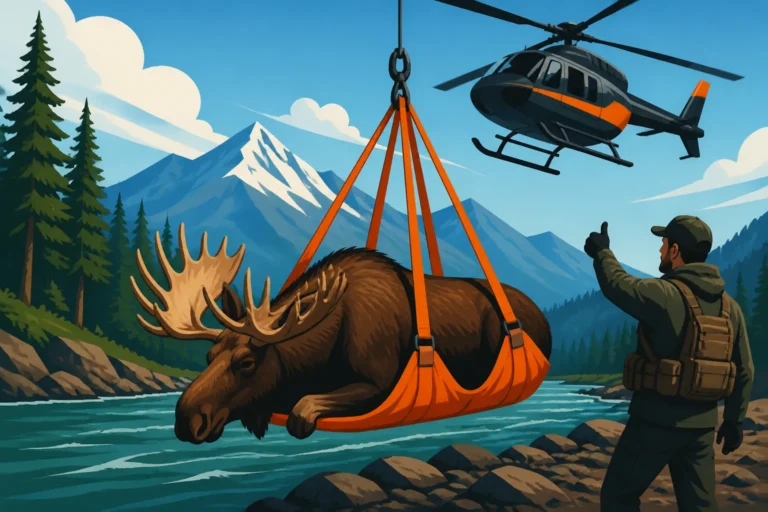
British Columbia bull moose extraction requires planning for 900 to 1,500 pound weights, difficult riverbanks, and cold water hazards.
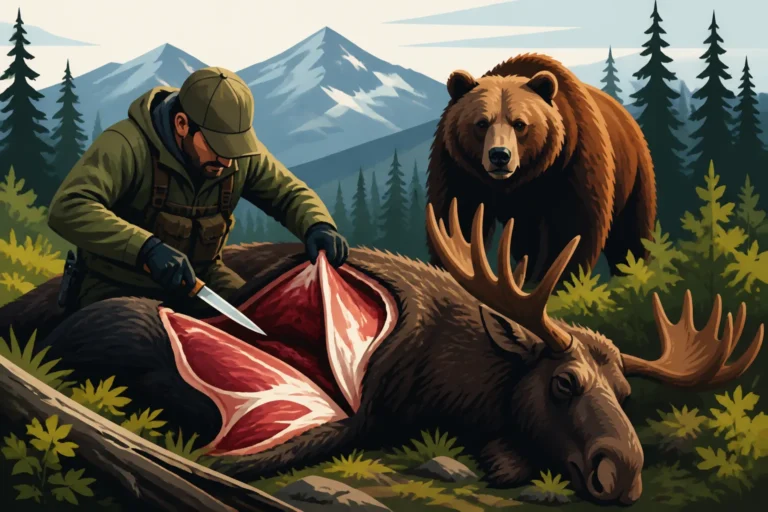
Quartering a moose in British Columbia grizzly country requires fast processing to safely protect fresh meat from predators.
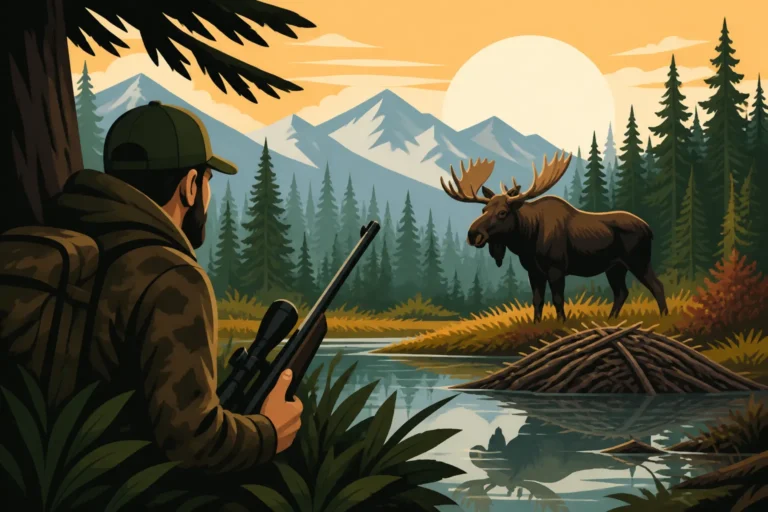
British Columbia beaver ponds attract moose with water, aquatic plants, and woody browse for successful hunting and scouting strategies.
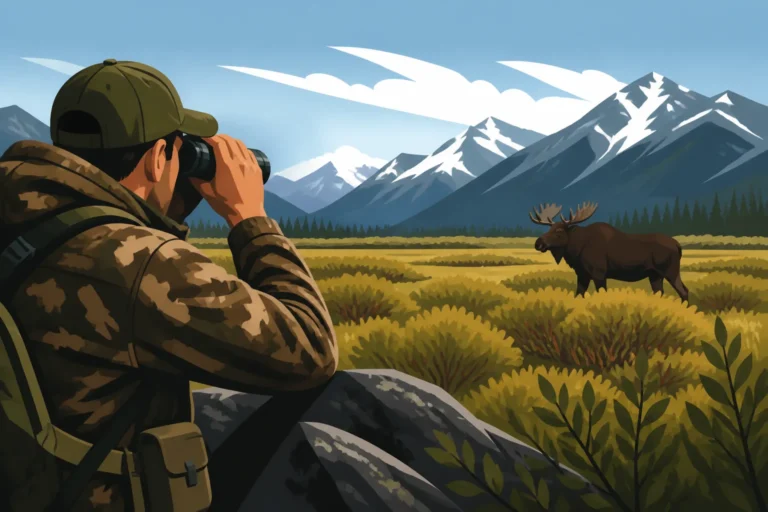
Glassing British Columbia willow flats helps hunters spot hidden moose using deliberate, methodical scanning techniques.
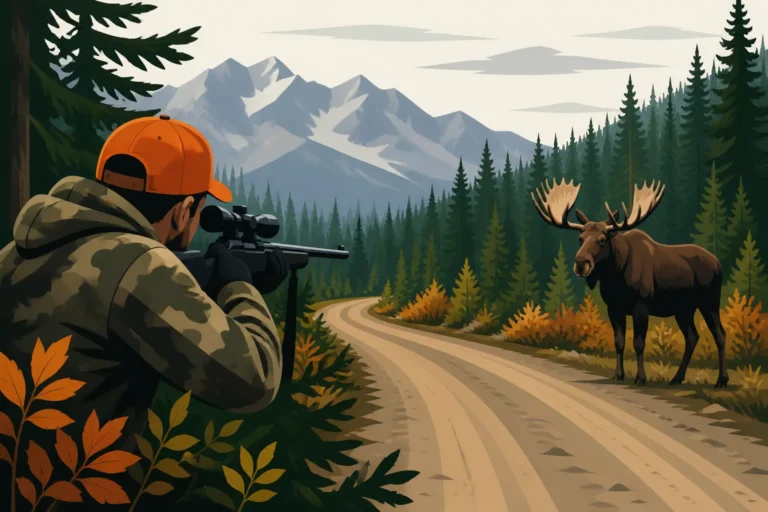
Moose hunting along British Columbia forest roads offers accessible big game harvesting without remote wilderness expeditions.
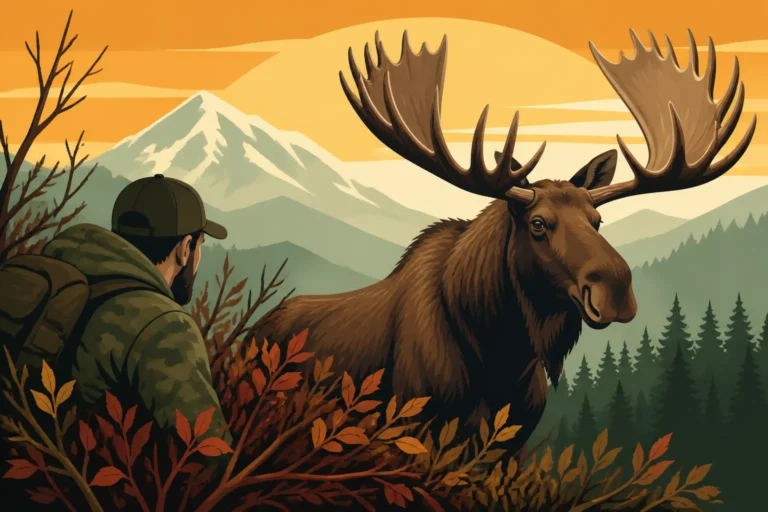
Raking brush during the British Columbia moose rut triggers aggressive bull responses by mimicking territorial antler displays.
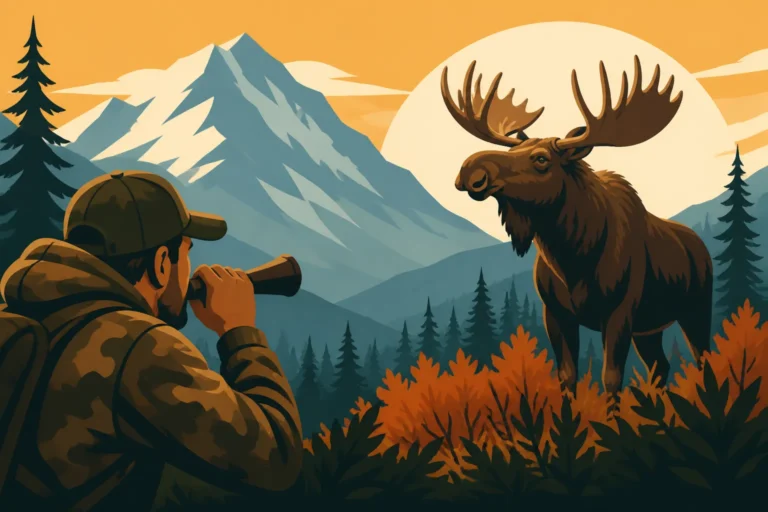
British Columbia moose hunting strategies explain breeding season timing, rut pits, and calling techniques to bring bulls into range.
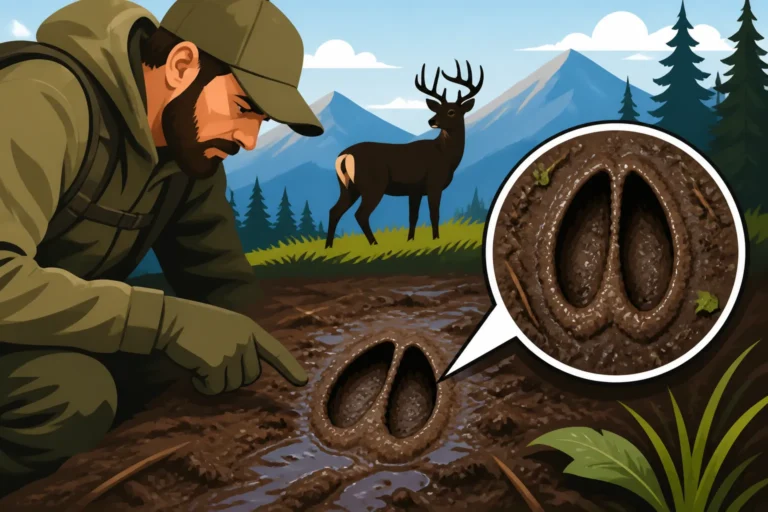
Coastal blacktail tracking in wet British Columbia soil explains how hunters read fresh deer tracks and saturated forest trails.

Coastal fog and blacktail deer behavior on the British Columbia coast dictate how hunters use high-elevation terrain to find animals.
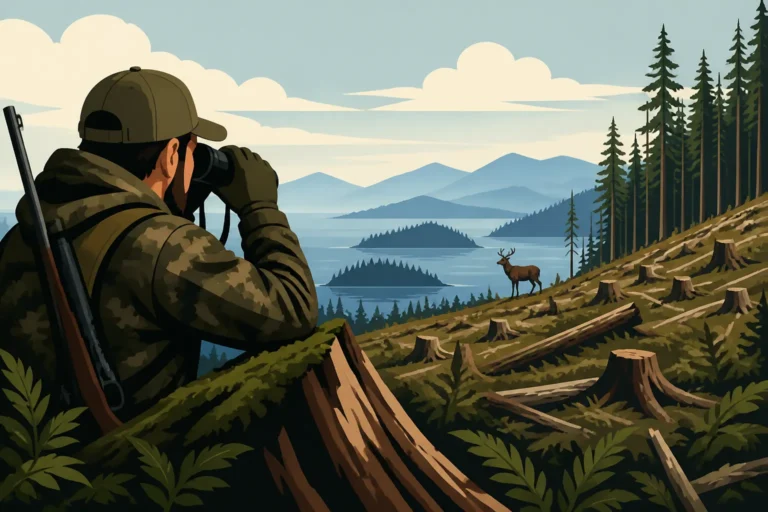
British Columbia island clearcut edge hunting strategies help hunters find wary blacktail deer within two to fifteen years of forest regrowth.