Wolf Packs on British Columbia’s Coast
Coastal wolf packs of British Columbia display unique genetic traits, specialized marine hunting strategies, and remarkable rainforest adaptations.
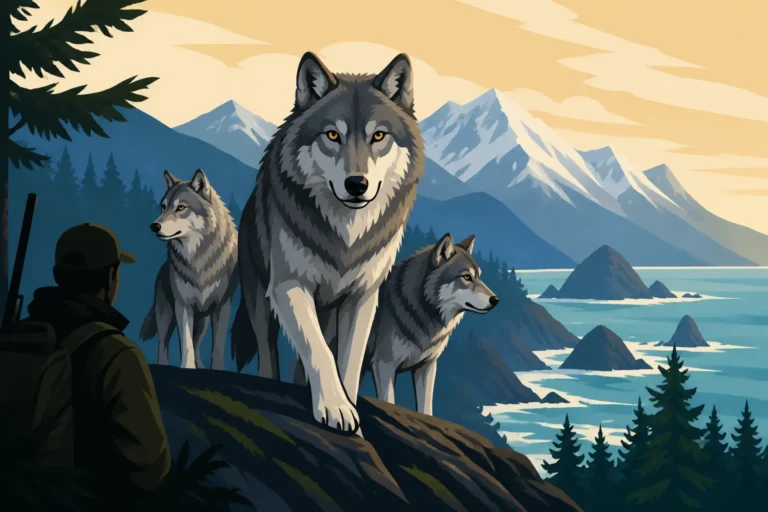
Coastal wolf packs of British Columbia display unique genetic traits, specialized marine hunting strategies, and remarkable rainforest adaptations.
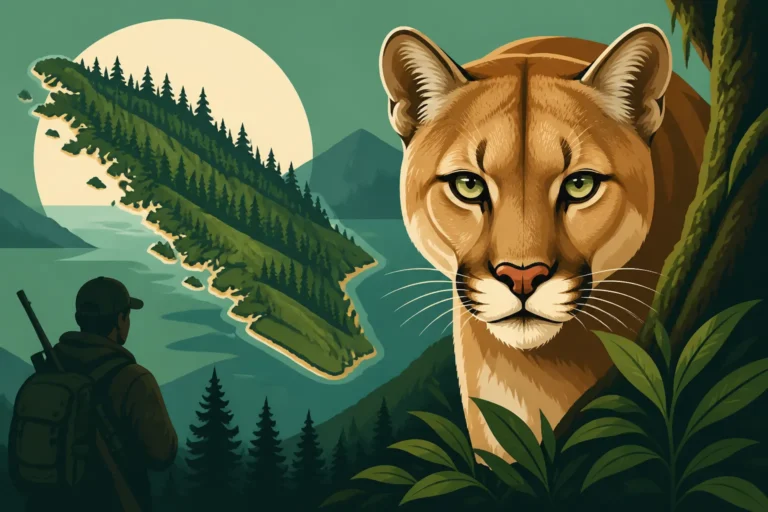
Vancouver Island cougar populations thrive because dense forests and abundant black-tailed deer provide a stable habitat.
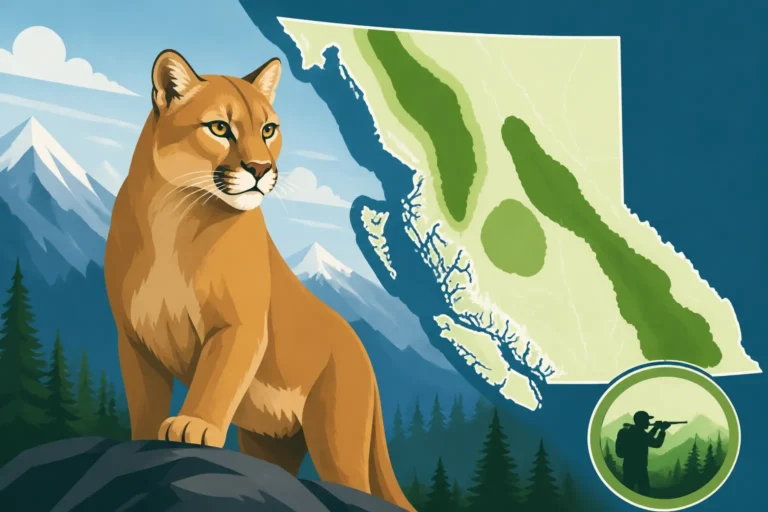
British Columbia regions and habitat types with high cougar populations, dense deer herds, and suitable cover for hunting.
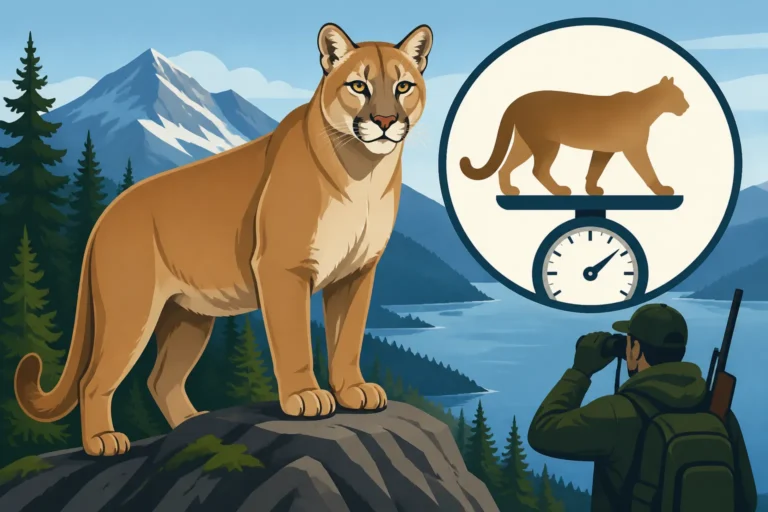
Mature male British Columbia cougars weigh 140 to 180 pounds, while females range from 80 to 120 pounds with differences driven by sex, age, and prey.
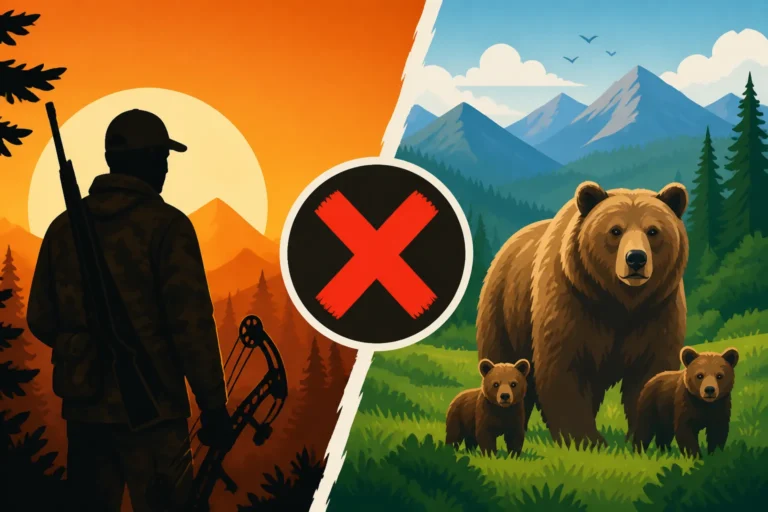
British Columbia grizzly bear hunt closure impacts, ongoing conservation efforts, and changing wildlife management practices.
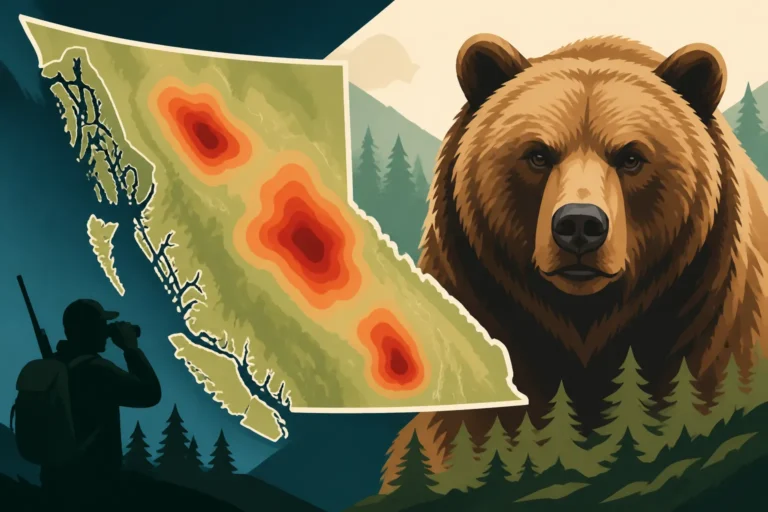
British Columbia grizzly bear distribution patterns and high density regions help backcountry travelers plan safer trips.
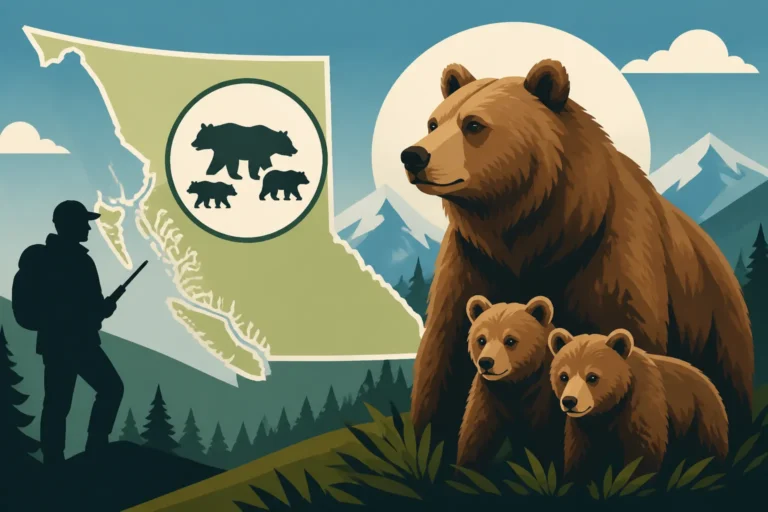
British Columbia grizzly bear population estimates, historical management, and the debate surrounding regulated big game hunting practices.
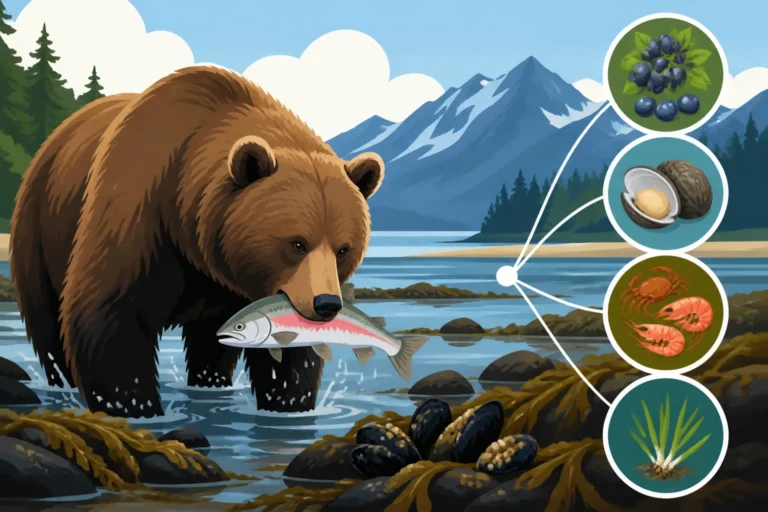
British Columbia coastal estuary bears eat spring greens, summer berries, and fall salmon across changing seasonal tides.
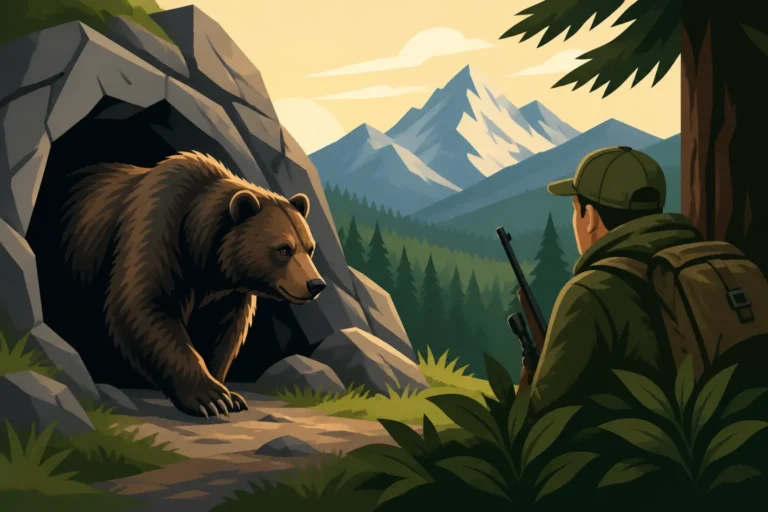
British Columbia black bears emerge from winter dens between late March and early May, driven by temperature, snowmelt, and food availability.
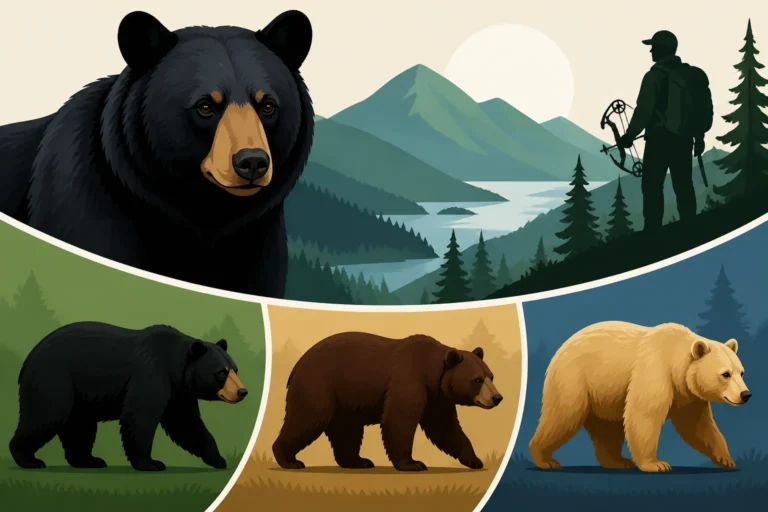
British Columbia black bears display various colour phases including black, brown, cinnamon, and blonde driven by genetics.