British Columbia’s Feral and Introduced Species
British Columbia feral and introduced species create ecological challenges while offering unique hunting opportunities for local hunters.
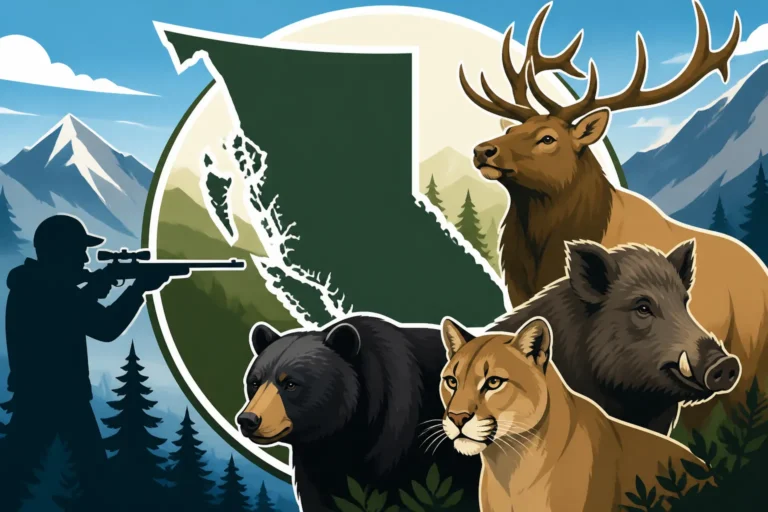
British Columbia feral and introduced species create ecological challenges while offering unique hunting opportunities for local hunters.
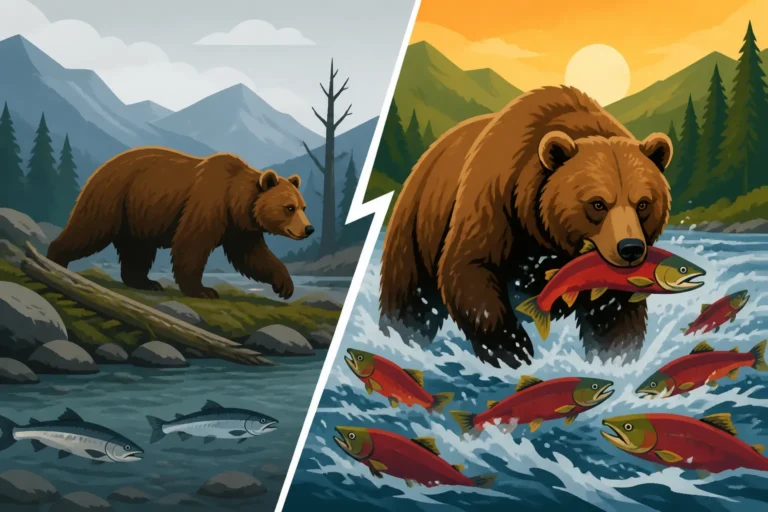
Salmon runs in British Columbia alter bear foraging habits and territoriality, concentrating animals along rivers for winter survival.
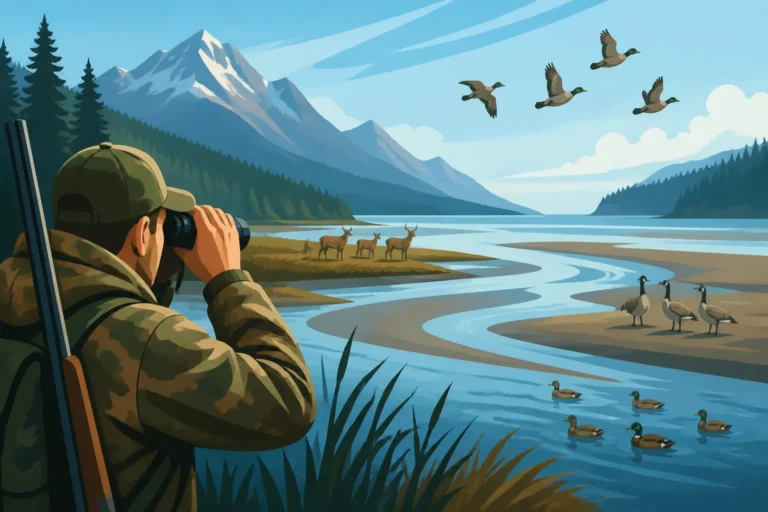
British Columbia coastal estuaries concentrate game species by combining freshwater and marine nutrients in fertile tidal deltas.
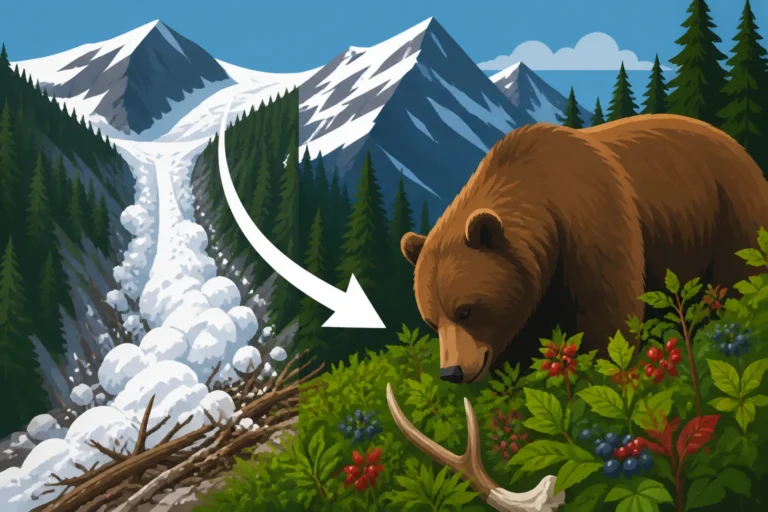
Avalanche chutes in British Columbia provide bears with early seasonal greens, cow parsnip, and vital food after hibernation.
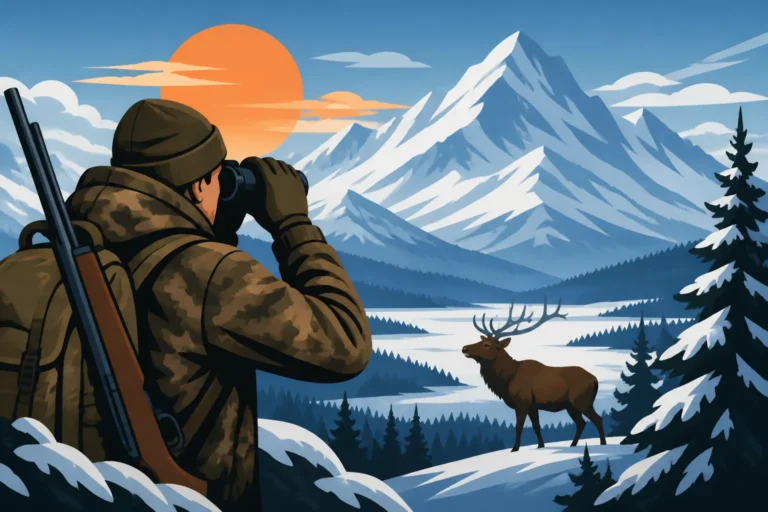
British Columbia game animal winter ranges, including migration patterns, survival needs, and locations for late-season hunts.
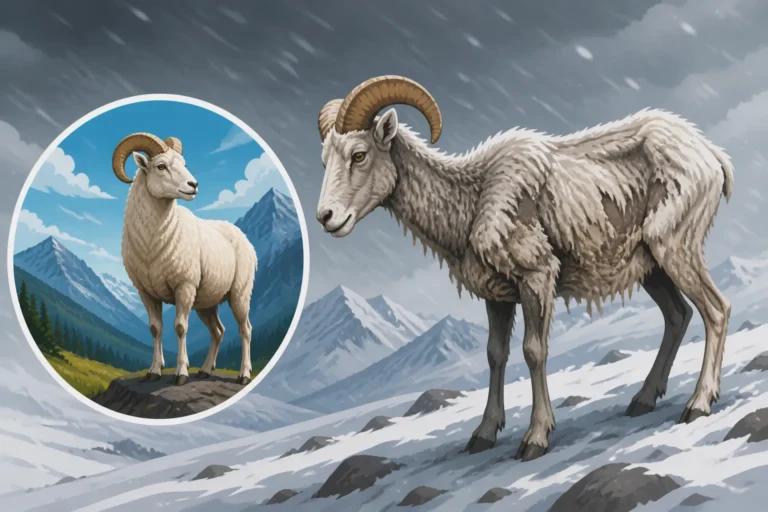
British Columbia wild sheep facing hard winters suffer severe weight loss, increased predation risks, and higher mortality rates.
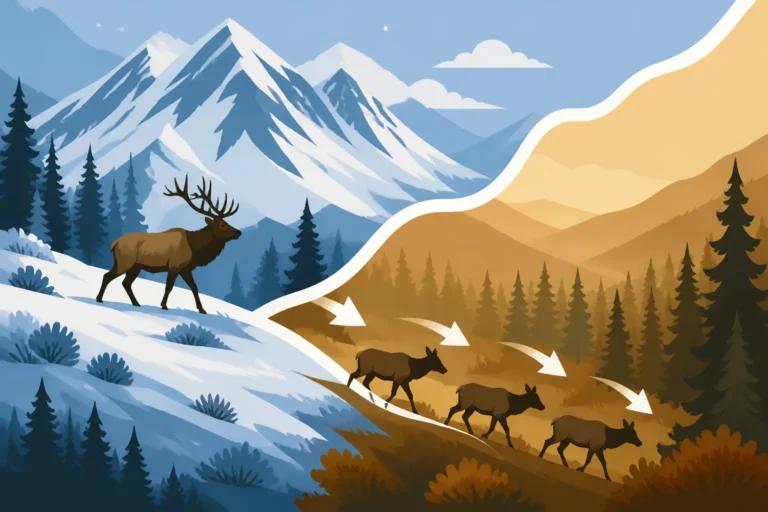
British Columbia interior game migration driven by the shifting snow line, explaining winter range survival and hunting strategies.
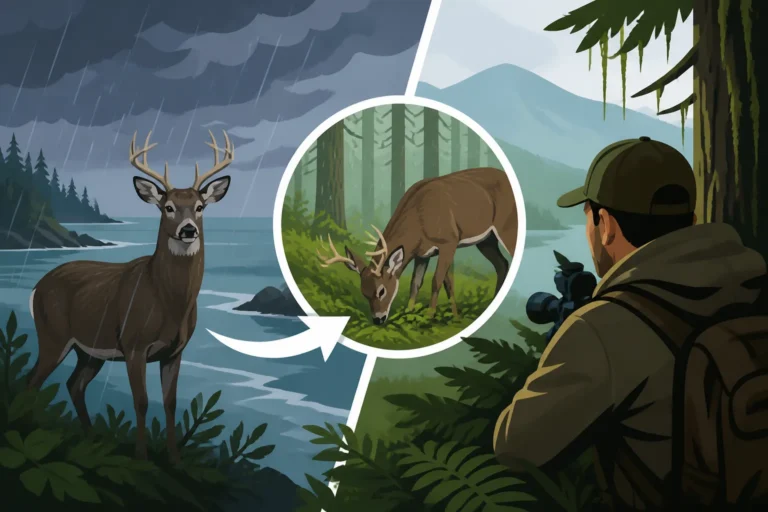
Coastal rain alters British Columbia game animal behaviour and movement, helping hunters stalk deer and elk successfully.
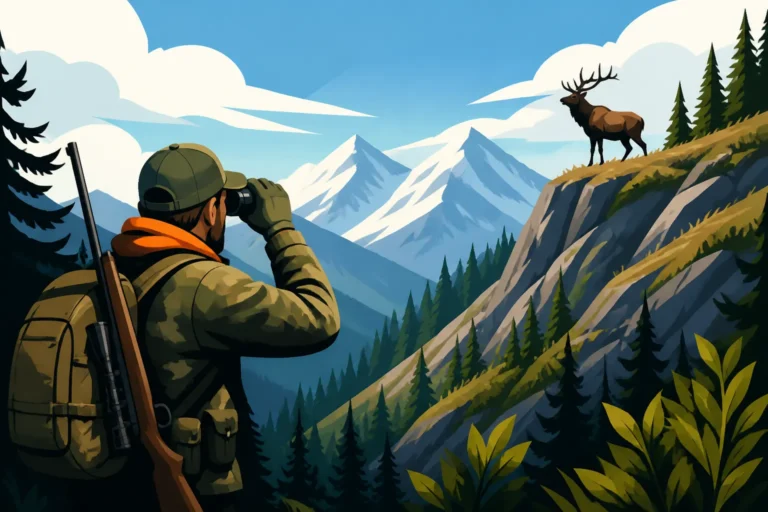
British Columbia game animal movements across elevation zones help hunters locate white-tailed deer and elk throughout the year.
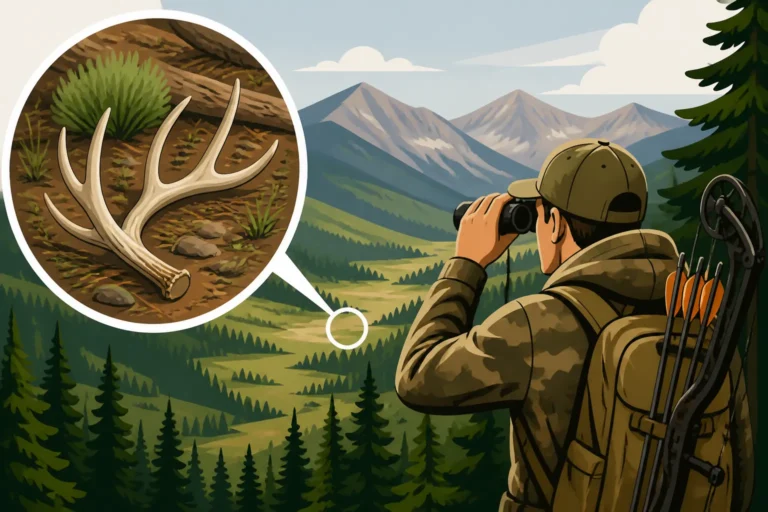
British Columbia shed hunting strategies help you locate mule deer and elk antlers in late winter and early spring months.