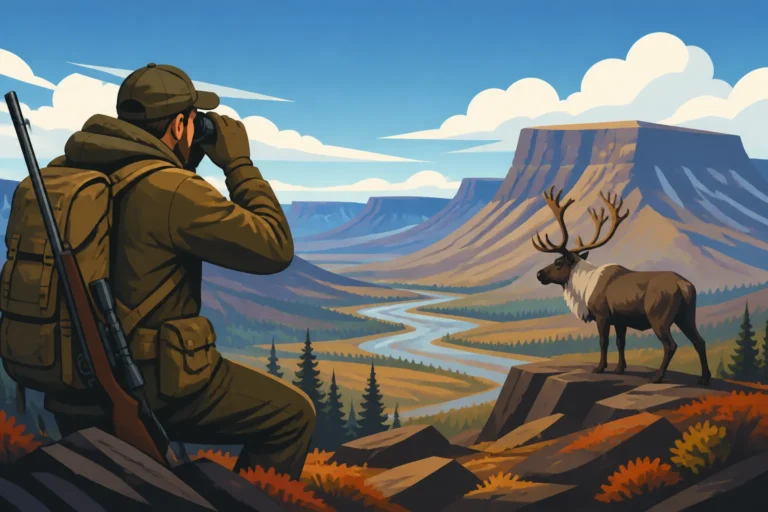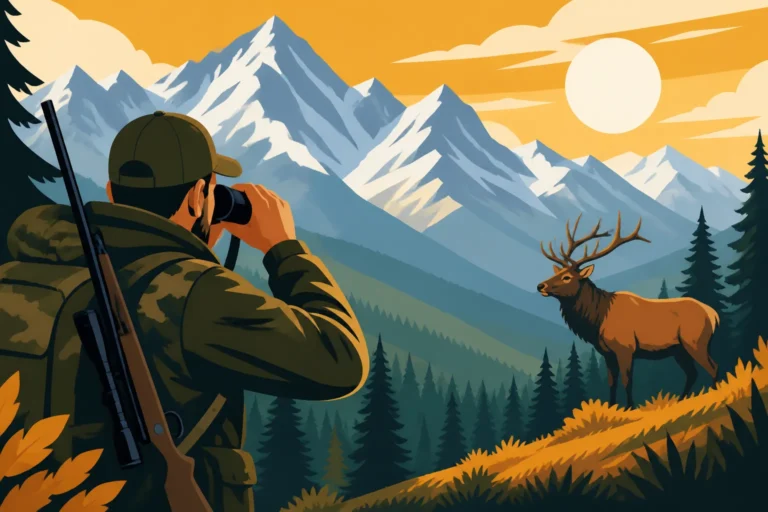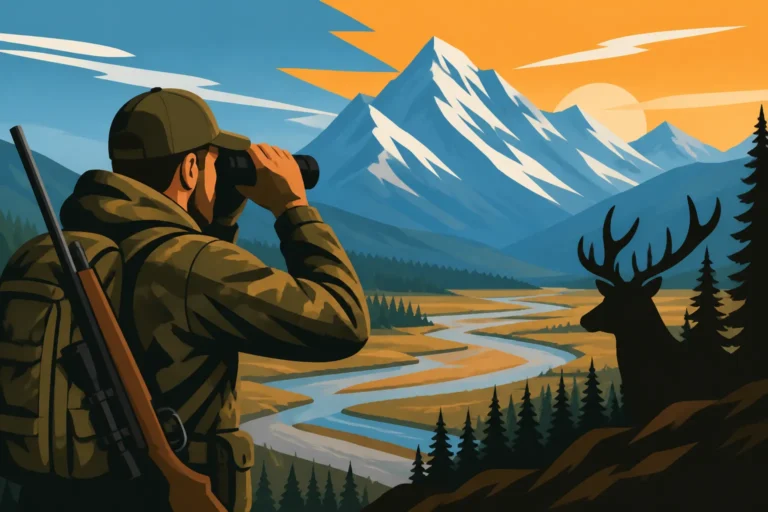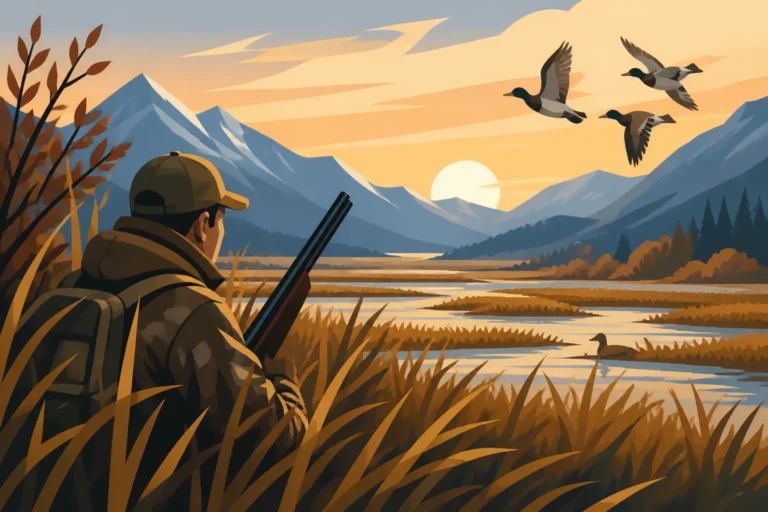
Hunting the Bush Around Mackenzie
Hunting the vast and often unforgiving bush around Mackenzie, British Columbia, can be a daunting prospect for many, feeling like an impenetrable green wall where good hunting spots are secrets held only by the most experienced locals. This guide is designed to demystify the rugged landscape surrounding Mackenzie, offering practical advice and insights to help you navigate, find game, and successfully hunt this unique corner of British Columbia's interior.
Understanding the Mackenzie Hunting Landscape
The Mackenzie area, nestled in the northern interior of British Columbia, is characterized by its expansive forests, numerous lakes, rivers, and diverse terrain ranging from relatively flat plateaus to rolling hills. It's a land of boreal forests, aspen groves, and extensive logging activity, all of which shape the habitat for the region's wildlife. Understanding these geographical features is the first step in unlocking its hunting potential.
The Forested Wilderness and Its Features
When we talk about the "bush" around Mackenzie, we're primarily referring to vast tracts of coniferous and deciduous forest. This isn't your open, park-like timber found elsewhere; much of it is thick, dense, and can be incredibly challenging to move through. Conifer stands of spruce and lodgepole pine often create a dark, quiet understory, while regenerating cutblocks, frequently dominated by aspen and birch, offer thick cover and forage. These transitions between old growth and new growth are key to finding game.
Think about how these different forest types influence animal movement. Deer and moose will often seek the dense cover of young regeneration for bedding during the day, only to move to older, more open stands or riparian areas to feed at dawn and dusk. Understanding these patterns, even on a micro-scale within a single valley, can be the difference between seeing game and walking through empty woods. This region also sees significant snowfall, which can dramatically alter animal distribution later in the season, pushing them towards lower elevations or south-facing slopes.
Waterways and Their Role in Hunting
Mackenzie is surrounded by incredible waterways. The mighty Parsnip and Pack Rivers flow into Williston Lake, one of the largest reservoirs in British Columbia. These rivers, along with countless smaller creeks, sloughs, and beaver ponds, create vital habitat corridors and provide essential water sources for all game species. Lakeshores, river flats, and marshy areas are magnets for moose and waterfowl, offering rich forage and protective cover.
Hunting near these water features often requires a different approach than still-hunting through dry uplands. A boat can be an invaluable tool for accessing otherwise unreachable areas along Williston Lake or the larger rivers, allowing you to cover vast distances and explore remote bays or inlets that see minimal human pressure. Even smaller creeks and drainages, often overlooked, can be highways for game moving between feeding and bedding areas, especially during the rut. Pay attention to beaver activity; their ponds and dams create openings and new growth that attract moose and bears. Hunting a British Columbia Lakeshore for Moose offers more specific tips on this strategy.
Accessing the Bush Around Mackenzie
The biggest hurdle for many hunters in the Mackenzie area isn't necessarily finding game, but getting to where the game lives. While British Columbia boasts vast tracts of public land, actually reaching prime hunting ground often means navigating an extensive network of Forest Service Roads (FSRs) that can be a mixed bag of well-maintained routes and rough, deactivated tracks.
Navigating Forest Service Roads and Cutblocks
Mackenzie is a hub of forestry activity, which means a comprehensive grid of FSRs extends deep into the surrounding wilderness. These roads are your primary arteries for getting into hunting areas. However, their condition varies wildly. Mainline FSRs might be relatively smooth and well-graded, while secondary roads can quickly deteriorate into rough, rocky, or overgrown tracks requiring a high-clearance 4×4, and sometimes even an ATV or significant walk-in effort beyond. Always be prepared for washouts, fallen trees, and unexpected closures, especially during wet seasons or after heavy snow.
Using detailed mapping tools like onX Hunt is absolutely crucial here. They allow you to download maps for offline use, pinpoint FSRs, and identify the boundaries of Crown land, which is vital for knowing where you can legally hunt. Beyond the main FSRs, new and old cutblocks offer intriguing access points. Fresh cutblocks often have temporary access roads that are only passible for a short time before they grow over or are intentionally de-activated. Older cutblocks, especially those three to ten years post-logging, provide excellent forage and cover, but getting into them might require bushwhacking through dense, regenerating timber. British Columbia's Forest Service Road Network provides broader context on navigating these routes.
Remote Access and Planning for the Unknown
Some of the most rewarding hunting around Mackenzie lies deep in areas accessible only by foot, ATV, jet boat, or even float plane. Planning a remote hunt requires meticulous preparation. Fuel caches, emergency supplies, robust communication devices like satellite phones or messengers, and a solid understanding of wilderness first aid are non-negotiable. It's not just about covering ground; it's about being self-sufficient in a genuinely wild environment.
Consider a multi-day hike into a remote basin or a jet boat trip up the Parsnip River. These adventures carry inherent risks but open up possibilities for encountering unpressured game. When planning these trips, pay close attention to topographical maps for natural travel corridors like old game trails, ridge lines, or creek beds that can provide easier passage through the dense bush. Always tell someone your detailed plans, including your route, expected return time, and contingency plans. Emergency Planning in British Columbia's Backcountry is an invaluable resource for this kind of preparation.
Game Species and Hunting Strategies
The Mackenzie area is rich with big game opportunities, primarily known for its healthy populations of moose and black bears. However, deer, wolves, and various small game species also call this region home, offering a diverse hunting experience for those willing to adapt their strategies to the local conditions.
Moose: The Crown Jewel of Mackenzie Hunting
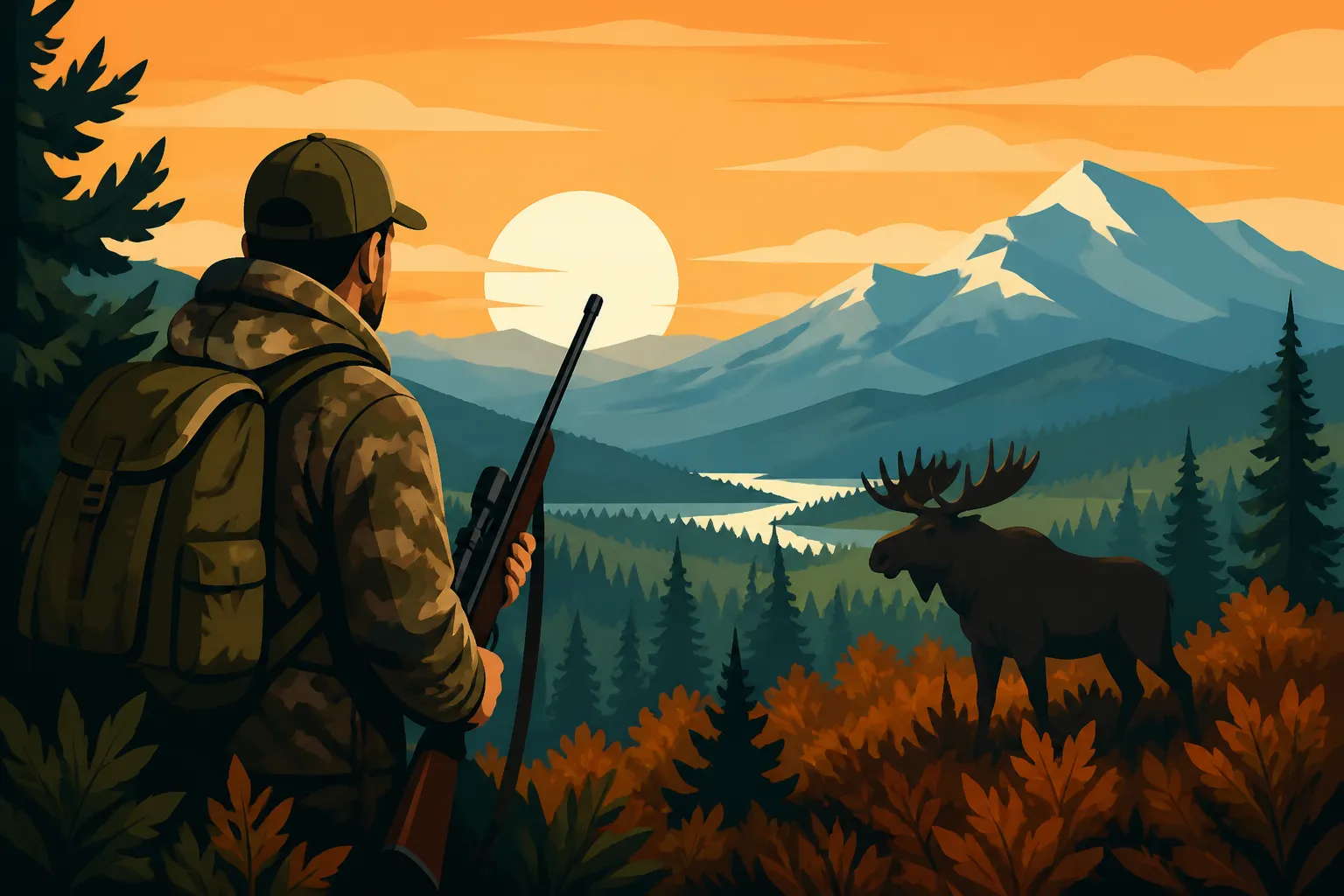
Moose are arguably the most sought-after big game animal in the Mackenzie region. The dense forests, abundant wetlands, and regenerating cutblocks provide ideal habitat for these impressive animals. Hunters often target moose during the rut in late September and early October, using calling techniques to lure bulls into range. However, still-hunting or spot-and-stalk can also be effective, especially during the early archery seasons or late rifle seasons when snow has pushed animals to more accessible areas. Moose Hunting British Columbia's Interior delves deeper into these methods.
Effective moose hunting in this dense bush relies heavily on patience and a keen understanding of their habitat preferences. They frequent willow flats, alder bottoms, and the edges of beaver ponds, particularly at dawn and dusk. Look for fresh tracks, broken alders from feeding, and rub lines on small trees. When calling, don't be afraid to rake a nearby bush to mimic a bull, but be prepared for a stealthy approach – bulls don't always come crashing in. If you're hunting during the rifle season, remember the specific antler restrictions that apply to moose in certain management units.
Black Bears: Abundant and Opportunistic
Black bears are common throughout the Mackenzie area and offer exciting hunting opportunities, especially during the spring and fall seasons. In spring, bears emerge from hibernation and are often found on south-facing slopes, old logging roads, and green-up areas, feeding on new grasses and forbs. This makes glassing open slopes and clearings a popular and effective strategy. In the fall, they shift their diet to berries and other mast crops, often congregating in berry patches on hillsides or near salmon-bearing streams. Black Bear Hunting British Columbia's Spring provides specialized advice for spring hunts.
Hunting black bears requires careful observation and an understanding of their behaviour. Look for overturned rocks, scat, and claw marks on trees. When glassing, patience is paramount; bears can appear suddenly from dense cover. Always approach with extreme caution, and be absolutely certain of your target's identity before taking a shot, especially checking for cubs that might be nearby. The Mackenzie region, like much of BC, has specific bag limits for bears, so be sure to check the regulations.
Other Game Species
While moose and black bears dominate, don't overlook other opportunities. White-tailed deer are present in the region, particularly in river valleys and mixed forest types. Their numbers might not be as high as in other parts of BC, but a patient hunter can still find success. Wolves are also present and can be called or hunted incidentally while pursuing other species, contributing to healthy prey populations.
Hunting these other species often involves similar strategies: scouting for fresh sign, understanding their preferred habitat, and using good old-fashioned boot leather. Local knowledge is invaluable here; sometimes, a particular valley or small draw might consistently hold deer or a wolf pack. Always keep your eyes and ears open; the "bush" around Mackenzie is teeming with life, and you never know what you might encounter.
| Species | Preferred Habitat | Key Hunting Strategy | Considerations |
|---|---|---|---|
| Moose | Willow flats, alder bottoms, regenerating cutblocks, lakeshores | Calling (rut), still-hunting, spot-and-stalk | Antler restrictions, dense cover, difficult pack-outs |
| Black Bear | South-facing slopes (spring), berry patches (fall), logging roads | Glassing, spot-and-stalk | Identify sex/cubs, highly wary, unpredictable |
| White-tailed Deer | River valleys, mixed forests, open timber edges | Still-hunting, stand hunting | More sparse populations, keen senses, often follow distinct trails |
| Wolf | Throughout, often follow moose/deer herds | Calling, incidental encounters, baiting (where legal) | Extremely intelligent, elusive, requires patience and quiet movement |
| Grouse | Forest edges, cutblocks, logging roads | Walking old roads, flushing from cover | Great incidental opportunity, often found near water |
Essential Gear and Safety Considerations
Hunting in the Mackenzie area is a serious undertaking that demands robust gear, thorough preparation, and an unwavering commitment to safety. The remoteness and ruggedness of the terrain mean you must be self-reliant and ready for any eventuality.
Navigation and Communication
Reliable navigation is non-negotiable. While traditional maps and compasses are essential backups, modern GPS devices or smartphone apps like onX Hunt are incredibly helpful for pinpointing your location, marking trails, and identifying property boundaries. Always download offline maps, as cell service is non-existent in much of the backcountry. GoHunt, while more focused on draw odds and data analysis, also emphasizes the importance of good mapping and pre-scouting for any remote hunt.
For communication, don't rely on cell phones. A satellite messenger (like an InReach or Zoleo) or a satellite phone is a critical piece of safety gear, allowing you to send messages or call for help in an emergency. Beyond technology, whistle signals for group members and having a predetermined rendezvous point are simple but effective safety measures. Always inform someone of your hunting plans, including your exact route and expected return. Satellite Communication on a Remote Hunt highlights the importance of these devices.
Clothing, Footwear, and Shelter
The weather in British Columbia's interior can be highly unpredictable, especially in shoulder seasons. Layers are your best friend. Expect everything from crisp, sunny days to sudden downpours and even early season snow. Quality waterproof and windproof outer layers are non-negotiable. Good quality boots, broken in and waterproofed, are paramount for navigating wet terrain, rocky slopes, and dense bush. Consider knee-high gaiters to keep your pants and boots dry.
For longer trips, a lightweight but durable tent or tarp, along with a warm sleeping bag and pad, are crucial. Even on day hunts, always carry an emergency bivy sack or space blanket. A small but potent fire-starting kit should be in every pack, rain or shine. Think about how you'll handle a night unexpectedly spent in the bush. Having these items can literally be a lifesaver.
Bear Safety and Meat Care
Hunting in bear country, especially where both black bears and grizzlies roam, means always being bear-aware. Carrying bear spray, knowing how to deploy it, and having it immediately accessible are crucial. Make noise while traveling through dense cover to avoid surprise encounters. Understand the difference between defensive and predatory bear behaviour, and know how to react in each scenario. Bear Safety While Hunting in British Columbia is a must-read before heading out.
When you harvest an animal, especially a large one like a moose, careful and efficient meat care is vital, particularly in warmer early seasons. Have a sharp knife, game bags, and a plan for cooling the meat quickly. Packing out a moose from the Mackenzie bush can be an epic undertaking, often requiring multiple trips with heavy loads. A sturdy frame pack is essential, and considering how you'll hang meat at camp to cool and protect it from scavengers is part of the planning. Meat Care in British Columbia's Warm Early Seasons offers detailed guidance.
Disclaimer
This article is for general informational purposes only and does not constitute professional advice. Laws, prices and regulations vary by location and change over time. Consult a qualified professional for guidance on your specific situation.