How Many People a Permit Covers
Trying to figure out the intricacies of hunting regulations in British Columbia, especially when you're a non-resident looking to hunt with a resident friend or family member, can feel like navigating a dense coastal forest in a pea-soup fog. The "Permit to Accompany" system is often a source of confusion, leaving many wondering exactly how it works and, crucially, how many people one permit actually covers. This comprehensive guide will demystify the Permit to Accompany, breaking down the rules so you can confidently plan your British Columbia hunting adventure.
Understanding the Permit to Accompany System in British Columbia
British Columbia has a unique and somewhat complex regulatory framework for hunting, especially concerning non-residents. Unlike residents who can generally hunt without direct supervision, non-residents are typically required to either hire a licensed guide outfitter or obtain a Permit to Accompany. This system is designed to manage wildlife resources responsibly while also supporting the province's established guide outfitting industry.
What is a Permit to Accompany?
At its heart, a Permit to Accompany is a special authorization that allows a resident of British Columbia to host and directly supervise a non-resident hunter. It's not a hunting licence itself, but rather an additional permit that enables the non-resident to purchase species licences and participate in general open seasons or draw hunts, provided they are under the constant, immediate supervision of their resident host. Think of it as a special permission slip that opens the door for a non-resident to hunt, but only with a qualified local by their side. This permit is an alternative to booking a costly hunt with one of the many excellent British Columbia Guide Outfitters, making it an appealing option for those with strong local connections.
The system is a direct reflection of British Columbia's commitment to both conservation and supporting local businesses. For many, it's the only viable pathway to experiencing hunting in this province without the significant financial investment of a guided trip. The permit serves as a legal bridge, allowing friends and family from out of province or out of country to share in the hunting heritage of British Columbia, but with strict controls in place to ensure compliance and ethical hunting practices. Understanding what a Permit to Accompany allows is the first step toward a successful trip.
Why Does British Columbia Have This Rule?
The Permit to Accompany system exists for a couple of primary reasons. Firstly, it's a critical component of wildlife management and conservation. By requiring non-residents to be accompanied by a knowledgeable resident or a licensed guide, the province aims to ensure that hunters understand and adhere to local regulations, species identification, and ethical hunting practices. A resident host is expected to be well-versed in the specific rules of their management unit, contributing to more responsible hunting.
Secondly, this rule safeguards the interests of British Columbia's significant guide outfitting industry. Guide outfitters invest heavily in their territories, equipment, and expertise, providing a valuable service to non-resident hunters who often seek specific species or a high-quality hunting experience. The Permit to Accompany acts as a balance, allowing for personal hunting relationships while still directing a substantial portion of non-resident hunting activity towards the professional guiding sector. This balance ensures that both resident hunters and the guiding industry have a place in British Columbia's hunting landscape, protecting economic interests alongside ecological ones.
Eligibility and Requirements for the Host Resident
Not just any British Columbia resident can be a host for a Permit to Accompany. There are specific criteria that must be met to ensure the resident is capable and responsible. First and foremost, the resident must hold a valid British Columbia resident hunting licence and a Wildlife Identification Number (FWID). They also need to be at least 19 years of age. Critically, the resident must not have been convicted of a hunting-related offence within the past five years, underscoring the importance of a clean record.
The host is also required to hold the necessary species licences and tags for the animal(s) the non-resident intends to hunt. For example, if the non-resident plans to hunt mule deer, the resident host must also possess a valid mule deer species licence and tag, even if they don't intend to harvest an animal themselves. This ensures that the host is fully engaged and accountable for the hunt. The resident cannot charge a fee for their services, making it a genuine act of companionship, not a commercial enterprise. It’s about sharing the experience, not profiting from it. Residents should also be familiar with British Columbia's CORE Exam and FWID requirements, as these are fundamental to their own hunting eligibility.
The Core Question: How Many Hunters Does One Permit Cover?
This is often the most confusing aspect for those looking into the Permit to Accompany: the exact numbers. The regulations are very clear, and understanding them is paramount to staying on the right side of the law.
The "One Host, One Hunter" Rule
Let's cut right to the chase: a single Permit to Accompany covers one non-resident hunter. That's it. It's a strict one-to-one ratio. One resident host, one non-resident hunter. This rule is absolute and is not open to interpretation or exception based on age, relationship, or hunting method. For instance, if you're a British Columbia resident and your brother and cousin, both non-residents, want to come hunt deer with you, you would need to apply for two separate Permits to Accompany. Each permit would designate one specific non-resident hunter.
This individual pairing ensures direct accountability. The resident host is legally responsible for the actions and compliance of that one specific non-resident hunter. This close supervision is a cornerstone of the system, preventing situations where a single resident might try to oversee multiple non-residents, diluting their ability to ensure safe and legal hunting. It reinforces the idea that the host is a mentor and guardian for the non-resident's entire hunting experience in British Columbia.
Exceptions and Party Hunting Considerations
While the "one host, one hunter" rule is firm for the Permit to Accompany, it's important not to confuse it with other hunting dynamics, particularly party hunting rules that apply to residents. In British Columbia, residents can sometimes participate in party hunting, where a group of licensed hunters can collectively hunt and fill specific tags, often for species like deer or moose, under certain conditions. However, this concept does not extend to non-residents hunting under a Permit to Accompany. A non-resident cannot "party hunt" with their resident host or with other resident hunters to fill tags beyond their own individual species licences.
Each non-resident, even when accompanied, must hold their own valid British Columbia Hunting Licences and Fees and all required species licences and tags for the animal they intend to hunt. They are hunting as an individual, albeit under direct supervision. There are no provisions for one non-resident to share a tag or bag limit with another hunter, resident or non-resident, through the Permit to Accompany system. This keeps the accountability clear and prevents any potential misuse of the system to bypass individual harvest limits.
Practical Implications for Planning Your Hunt
The "one host, one hunter" rule has significant practical implications when planning a trip to British Columbia with non-resident guests. If you're a resident planning to host multiple non-resident friends or family members, you'll need to either:
- Find additional resident hosts: Each additional non-resident hunter will require their own dedicated resident host and a separate Permit to Accompany. This means coordinating with multiple resident friends or family members who meet all the eligibility criteria.
- Stagger your hunts: If you're the only available resident host, you might have to plan separate hunting trips or periods for each non-resident. This can be less ideal for group trips but ensures compliance.
This planning aspect often catches people off guard. It's not uncommon for a group of three or four non-resident friends to want to hunt together, only to find they need an equal number of qualified resident hosts. Using resources like GoHunt, which often provides detailed regulatory breakdowns for various jurisdictions, can help hunters grasp these nuances early in their planning process. Ignoring this fundamental rule can lead to severe penalties, including fines, licence suspensions, and the forfeiture of harvested game, making careful planning absolutely essential.
Navigating the Application Process and Responsibilities
Once you understand the "one-to-one" rule, the next step is to correctly navigate the application process and fully grasp the responsibilities involved. It’s more than just filling out a form; it's about committing to a safe, legal, and ethical hunt.
Applying for the Permit
Applying for a Permit to Accompany is the responsibility of the resident host. The application is typically made through the British Columbia government's online hunting portal, the same system used for purchasing licences and applying for the British Columbia's Limited Entry Hunting Draws. The resident will need to log in to their account, navigate to the permit section, and fill out the necessary information, including details about the non-resident hunter (name, date of birth, address, hunting licence number from their home jurisdiction if applicable). There is a fee associated with the permit, which must be paid at the time of application.
It's crucial to apply well in advance of your planned hunt. While the process is generally straightforward online, unforeseen technical glitches or questions can arise. You wouldn't want to jeopardize your hunting trip because of a last-minute scramble. Be sure to double-check all information before submitting, as errors can lead to delays or rejection. The permit itself will clearly state the name of the resident host and the specific non-resident hunter it covers. Understanding British Columbia's Species Licences and Tags for the intended game is also critical before applying.
Responsibilities of the Host and Accompanied Hunter
Both the resident host and the non-resident hunter carry significant responsibilities under the Permit to Accompany. The resident host's primary duty is "direct and immediate supervision." This means they must be physically present and within sight and voice contact of the non-resident hunter at all times while hunting. They are responsible for ensuring the non-resident complies with all British Columbia hunting regulations, including season dates, bag limits, antler point restrictions (such as British Columbia's Four-Point Antler Restriction for deer), and safety protocols. The host also needs to ensure the non-resident has all required licences and tags. What a Permit to Accompany Host Must Do is extensive and requires full commitment.
For the non-resident hunter, their responsibility is to always remain under the direct supervision of their designated host and to adhere to all British Columbia hunting laws. They must carry their valid non-resident hunting licence, species tags, and the Permit to Accompany at all times. They must also be aware of the specific rules for the British Columbia's Management Units and Regions they are hunting in, including any local closures or restrictions. It's a team effort, but the resident bears the ultimate legal burden if things go awry. It is also wise for non-residents to thoroughly review the Rules for Non-Residents Hunting British Columbia before traveling.
Consequences of Non-Compliance
The penalties for violating the Permit to Accompany rules are serious and can significantly impact both the resident host and the non-resident hunter. For the resident host, non-compliance can lead to substantial fines, suspension or revocation of their hunting privileges in British Columbia, and potentially seizure of firearms and game. The same consequences, or even more severe ones, can apply to the non-resident hunter. Depending on the nature of the violation, charges could range from minor infractions to more serious offences under the Wildlife Act.
For instance, if a resident host is found to be accompanying two non-resident hunters on a single permit, both the host and the non-residents could face charges. If a non-resident is found hunting without their host present and within direct supervision, they could be charged with hunting without the required permit or hunting illegally. These consequences are not trivial; they are designed to be a strong deterrent against abusing a system that is fundamentally based on trust and responsible stewardship. Always ensure you are within the law when Hunting British Columbia With a Resident Friend.
Beyond the Permit: Planning Your British Columbia Hunting Trip
Obtaining the Permit to Accompany is just one piece of the puzzle. A successful British Columbia hunting trip requires thorough planning, knowledge of the terrain, and understanding of additional regulations.
Researching Management Units and Species Seasons
British Columbia is vast and diverse, with nine distinct hunting regions, each with numerous Management Units (MUs). Before even thinking about a permit, it's crucial to research the specific MUs where you plan to hunt and the general open season dates for your target species. Regulations can vary significantly even between adjacent MUs, covering everything from antler restrictions to specific weapon closures. Resources like the official British Columbia Hunting and Trapping Regulations Synopsis are indispensable, as are mapping tools from companies like GoHunt, which can provide overlays of MUs, land ownership, and historical harvest data.
Consider the time of year you plan to hunt. For example, if you're targeting deer, understanding British Columbia Deer Season Dates by Region is critical. If you're chasing black bears, you'll need to know the British Columbia Spring Bear Season Dates or Fall Bear Season Dates by Region. Each species and region has its own unique calendar, and matching your hunt dates to open seasons is paramount. Don't forget to factor in potential road closures, especially in the late fall, as snow can quickly shut down access to prime hunting areas.
Logistics for Non-Resident Hunters
Bringing firearms into Canada as a non-resident requires careful attention to detail. You'll need to complete a Non-Resident Firearm Declaration form (RCMP 5589) in triplicate, which acts as a temporary licence and registration for your firearms. This form must be presented to a Canada Border Services Agency (CBSA) officer upon entry. Only non-restricted firearms (most common hunting rifles and shotguns) are generally permitted for hunting. Prohibited or restricted firearms, such as handguns (with very limited exceptions) are not allowed. It's advisable to review the full details on Bringing Firearms Into British Columbia well in advance of your trip.
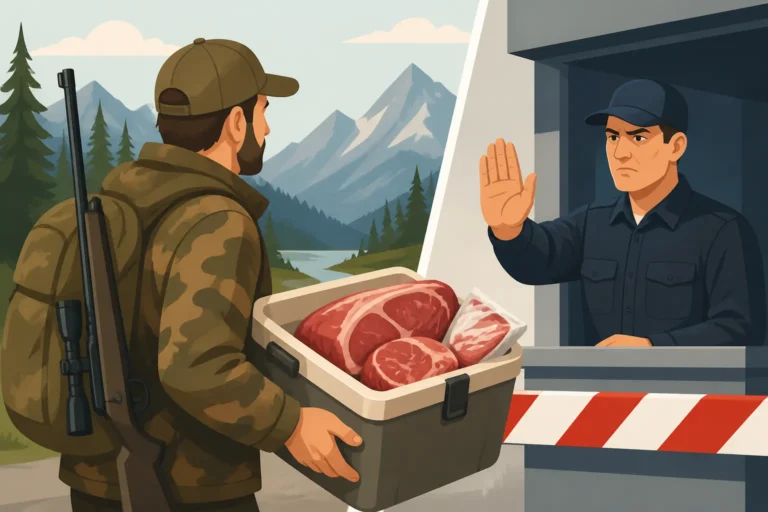
Beyond firearms, consider other logistical aspects like appropriate gear for British Columbia's often rugged and unpredictable weather. For example, if you plan on Hunting British Columbia's Coastal Rain, waterproof gear is non-negotiable. Transportation of game meat also has specific rules, especially if you plan to cross international borders; ensure you understand Transporting Game Meat in British Columbia. For remote hunts, satellite communication devices are highly recommended, as cell service is non-existent in vast stretches of the province.
Maximizing Your Experience with a Permit to Accompany
To make the most of your Permit to Accompany hunt, communication between the host and the non-resident is key. Discuss expectations for the hunt, physical capabilities, target species, and desired outcomes long before you set foot in the field. This ensures everyone is on the same page and minimizes potential frustrations. Remember, the host is your guide, mentor, and legal guardian for the duration of the hunt. Lean on their local knowledge and experience.
Consider practicing your shooting skills before the trip, especially if you're heading into steep country for species like mule deer or elk. Knowing your effective range and being proficient with your firearm will increase your chances of a clean harvest. Use mapping applications like those offered by GoHunt to scout potential areas from home, familiarizing yourself with topography, access points, and potential game habitat. This preparation, combined with adherence to regulations, will set the stage for a memorable and successful British Columbia hunting experience.
Here's a quick summary of the Permit to Accompany rules:
| Feature | Description | Important Note |
|---|---|---|
| Purpose | Allows a BC resident to host and supervise a non-resident hunter. | Required for non-residents not hiring a licensed guide outfitter. |
| Coverage | One Permit = One Non-Resident Hunter | This is a strict 1:1 ratio; no exceptions. |
| Host Eligibility | BC Resident (19+), valid BC hunting licence/FWID, clean record (no hunting convictions in 5 years), must also hold relevant species tags. | Cannot charge for services. |
| Non-Resident Req. | Valid non-resident hunting licence, all required species licences/tags, always under host's supervision. | Must carry all documents, including the Permit to Accompany. |
| Host Responsibility | Direct & immediate supervision, ensuring compliance with all BC hunting regs. | Legally accountable for the non-resident's actions while hunting. |
| Application Process | Completed by the resident host online through the BC government hunting portal. | Apply well in advance; a fee is required. |
| Party Hunting | Not applicable to non-residents under a Permit to Accompany. | Each non-resident hunts individually for their own tags, even if in a party. |
| Consequences of Non-Compliance | Fines, licence suspension/revocation, forfeiture of game/firearms for both host and non-resident. | Penalties are severe to deter misuse of the system. |
Disclaimer
The information provided in this guide is for general informational purposes only and does not constitute legal advice. Hunting regulations in British Columbia can be complex and are subject to change. Always refer to the most current British Columbia Hunting and Trapping Regulations Synopsis published by the BC Ministry of Forests, Lands, Natural Resource Operations and Rural Development (FLNRORD) and consult official government sources for the most accurate and up-to-date information before planning or engaging in any hunting activities.