British Columbia Rule Changes This Cycle
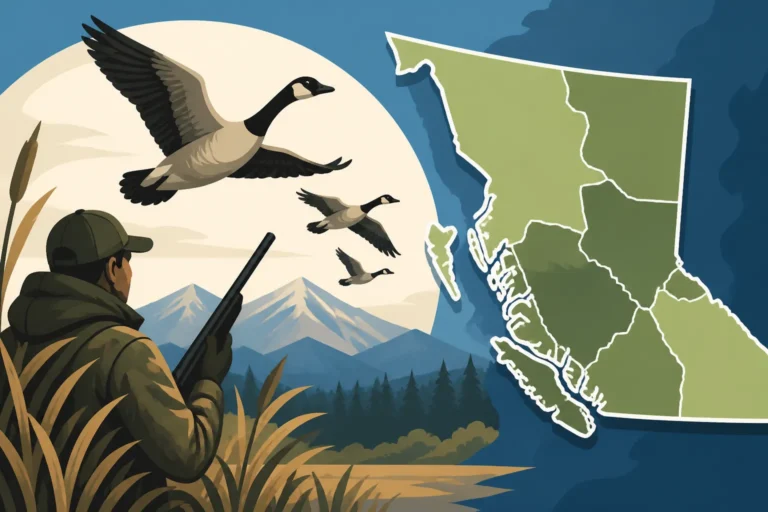
It can feel like you need a law degree just to figure out what's legal and what isn't in the British Columbia hunting world, especially when the regulations seem to shift more often than a mature mule deer buck moving through a clear-cut. Keeping up with the latest rule changes can be a real headache, and missing a small detail could mean the difference between a successful, legal hunt and a costly violation. This guide is here to walk you through how to understand and keep tabs on British Columbia's hunting regulation updates, helping you navigate the complexities so you can focus on what truly matters: your time in the backcountry.
Navigating the Ever-Changing Landscape of British Columbia Hunting Regulations
The British Columbia hunting regulations aren't set in stone; they're dynamic, evolving documents that reflect changes in wildlife populations, habitat conditions, public safety concerns, and even shifts in management philosophy. For hunters, this means constant vigilance is key. It's not enough to simply buy your license and tags; you have to actively engage with the regulations year after year, sometimes even mid-season. The sheer volume of information can be overwhelming, spanning hundreds of pages in the official synopsis, and let's be honest, who has time to pore over every single line when you're busy scouting or prepping gear?
The Biennial British Columbia Hunting and Trapping Synopsis
Understanding that the regulations are primarily contained within the British Columbia Hunting and Trapping Synopsis is your first critical step. This document is typically released every two years, providing the comprehensive legal framework for hunting throughout the province. For instance, the current synopsis might cover a two-year period, say 2022-2024, with the next iteration covering 2024-2026. This biennial cycle means that while many rules remain consistent, significant changes can and do occur with each new release. It's not uncommon for hunters to assume that if they read last year's summary, they're good to go for the upcoming season, only to find out a critical change impacts their intended hunt area or target species.
The synopsis is more than just a list of dates and bag limits; it includes definitions, general regulations, specific regional rules, Limited Entry Hunting (LEH) information, compulsory inspection requirements, and so much more. Many experienced hunters make it a ritual to download the new synopsis as soon as it's available and spend dedicated time reviewing the sections relevant to their hunting plans. Don't rely on word-of-mouth or outdated printouts. Always go straight to the official source, which is typically found on the provincial government's website.
Why Regulations Change and Who Decides
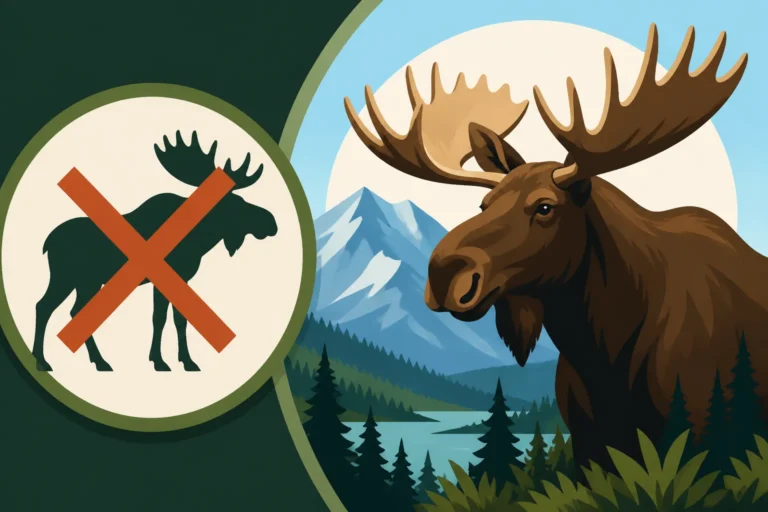
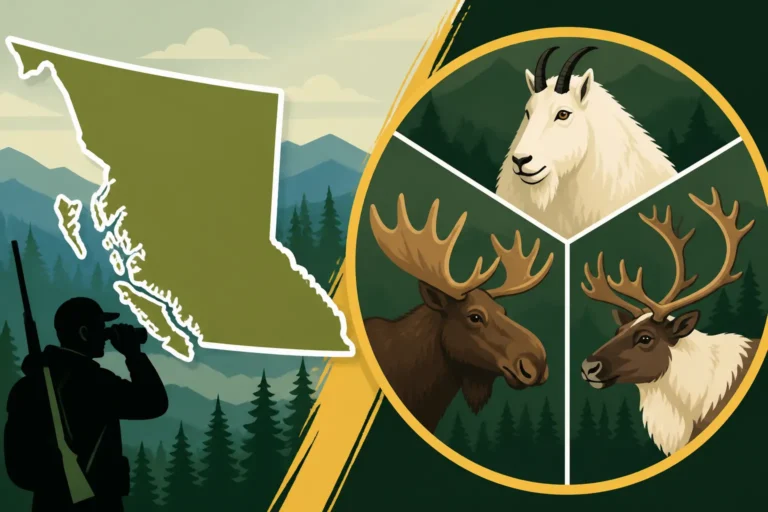
Regulations are not arbitrary; they are usually the result of extensive scientific research, population surveys, stakeholder consultations, and policy decisions aimed at ensuring sustainable wildlife management. The Ministry of Water, Land and Resource Stewardship, along with various wildlife biologists and regional managers, plays a primary role in proposing and implementing these changes. Local knowledge, hunter harvest data, and public input are also crucial components of the decision-making process. For example, a decline in a particular moose population in a certain region might lead to reduced bag limits or a shift from general open season to Limited Entry Hunting for Moose Hunting British Columbia's Interior.
Conservation is always at the forefront. Sometimes, a rule change might be implemented to protect vulnerable species or to allow a herd to recover from environmental pressures like severe winters or habitat loss due from wildfire. Other times, changes might be introduced to address safety concerns, manage human-wildlife conflicts, or even simplify complex rules that have proven difficult for the public to interpret. Understanding the why behind a change can often help hunters better accept and comply with new rules, rather than seeing them as arbitrary restrictions.
Common Types of British Columbia Hunting Rule Adjustments
While the specifics of rule changes vary from cycle to cycle, there are several recurring themes and common categories where you'll often see adjustments. Knowing these categories can help you focus your review of the new synopsis and quickly identify what might impact your upcoming hunts.
Season Date and Bag Limit Adjustments
Perhaps the most common and impactful changes hunters face are modifications to season dates and bag limits. A management unit (MU) that was open for a specific species during a particular week last year might be closed this year, or its season might be shortened or shifted. For instance, a general open season for elk might move earlier or later, or an archery-only season could be added or removed. Similarly, bag limits often fluctuate. A previously "two deer" zone might become "one deer," or antler point restrictions could be introduced or altered, such as in areas where British Columbia's Four-Point Antler Restriction is in effect for mule deer.
Consider the hypothetical: You've been planning your annual trip to the Okanagan Breaks to hunt mule deer in late October for years, a tradition passed down through generations. You pull up the new synopsis, excited, only to find that the general open season in your favourite MU now closes two weeks earlier than you remember, cutting your trip short. Or perhaps, the antler restriction has shifted from a 3-point minimum to a 4-point minimum, changing your target criteria entirely. These kinds of subtle yet significant shifts can drastically alter your hunting plans and require careful attention each cycle.
Limited Entry Hunting (LEH) Zone Revisions
The Limited Entry Hunting (LEH) system in British Columbia is another area prone to regular adjustments. New LEH zones might be created, existing ones consolidated or eliminated, and the number of authorizations (tags) available for a particular species in a specific zone can change dramatically. Even the specific hunt codes, which dictate the species, sex, and time frame, are often tweaked. These changes are typically driven by detailed population assessments and management objectives aimed at distributing hunting pressure and managing harvest levels. Navigating the complexities of British Columbia's Limited Entry Hunting Draws can already be challenging, and added changes make it even more so.
Imagine you've been putting in for a specific moose LEH hunt for five years, building up priority points. You're feeling confident this year, but when you check the new synopsis, your preferred hunt code has been merged with another, or the number of available tags has been cut in half due to population concerns in that particular area. This not only affects your odds but potentially your entire long-term hunting strategy. Websites like GoHunt can be invaluable here, often providing tools to analyze historical LEH data and help you understand how these revisions might impact your draw success, but it always starts with checking the official synopsis for the current cycle's new parameters.
Compulsory Reporting and Inspection Updates
Compulsory reporting and inspection requirements are vital tools for wildlife management, allowing biologists to collect crucial data on harvest rates, animal health, and population demographics. These rules are also subject to changes. A species that previously only required reporting might now need compulsory inspection of the skull and hide, or the timeframe for reporting a harvested animal could be shortened or extended. Similarly, the locations for compulsory inspection might change, making it more or less convenient for hunters depending on where they are harvesting.
For example, a hunter might bag a black bear in a remote area and plan to report it online from home later. However, the new regulations might require that specific bear to be brought to a compulsory inspection site within 72 hours, which could be hundreds of kilometers away. This kind of change requires significant logistical planning and can catch even seasoned hunters off guard if they aren't diligent about reviewing the current rules for British Columbia's Compulsory Reporting Rules. Failing to comply can result in fines or loss of hunting privileges, so these aren't details to overlook.
| Type of Rule Change | Description | Typical Impact on Hunter | Frequency (Approx.) |
|---|---|---|---|
| Season Dates & Bag Limits | Opening/closing dates, length of seasons, number of animals allowed (e.g., 1 deer vs. 2 deer). | Requires checking specific dates for target MUs; changes hunting trip timing/duration. | High (Biennial) |
| Antler Restrictions | Minimum antler points, width requirements, or spike-fork restrictions. | Changes criteria for legal harvest; requires careful field judgment. | Medium (Biennial) |
| LEH Zone Revisions | Creation/deletion of zones, changes in boundaries, number of tags, hunt codes. | Affects LEH application strategy, odds of drawing a tag, and access to specific areas. | High (Annual LEH app) |
| Compulsory Reporting/Inspection | Species requiring reporting, inspection timeframe, designated inspection locations. | Demands careful planning for post-harvest compliance, potentially long drives to inspection. | Medium (Biennial) |
| Weapon Restrictions | Specific regulations on ammunition, bow draw weights, or crossbow legality for certain hunts. | May require equipment adjustments or restrict use of preferred gear in certain zones. | Low (Infrequent) |
| Access Restrictions | New closures on Crown land, changes to private land access rules, road deactivations. | Limits where and how hunters can access hunting grounds, requires scouting alternate routes. | Medium (Ongoing) |
Key Rule Changes in the Current British Columbia Synopsis
While I can't predict the exact changes for a future synopsis (as the current one typically covers 2022-2024, and the next will be for 2024-2026), I can tell you where and how to find them and give you examples of what you might encounter. Every new British Columbia Hunting and Trapping Synopsis begins with a section dedicated to "Changes from Previous Synopsis." This is your golden ticket. It highlights all the significant modifications, saving you from having to compare two entire rulebooks page by page.
Locating and Interpreting the "Changes" Section
When the new synopsis is released, your first stop should always be the table of contents or the first few pages, looking specifically for a section titled something like "Changes from the 2022-2024 Synopsis" (or whatever the previous cycle was). This section acts as a high-level summary, pointing out major modifications to regional regulations, species-specific rules, or provincial-wide policy shifts. It won't have every minor detail, but it will flag the big ones that require your immediate attention. Don't skim this section; read it carefully. Pay close attention to any changes that affect the management units or species you plan to hunt.
For example, you might see a note stating, "Region 4 (Kootenay) – Moose: General open season for bulls closed in M.U. 4-22 due to population decline." This single line immediately tells you that your traditional moose hunt in that particular area is no longer viable under a general open season. You'd then need to check the specific regional tables for M.U. 4-22 to see if an LEH option exists, or if the species is simply closed. Similarly, a notice about British Columbia's Compulsory Reporting Rules might highlight new species requiring inspection or revised reporting deadlines. This section is designed to be a quick filter for the most impactful changes, and it's your responsibility to delve deeper into the specific sections referenced.
Understanding the Nuances of Regulation Language
The language used in regulations can be precise and sometimes a little dry, but every word matters. Pay close attention to terms like "effective immediately," "no person shall," "except as otherwise provided," or "unless otherwise specified." These phrases carry significant legal weight. For example, a change from "any buck" to "4-point or better" for mule deer means you must count points carefully before pulling the trigger. The onus is entirely on the hunter to understand and comply. If you’re ever unsure, it’s always better to err on the side of caution or seek clarification directly from provincial authorities.
A common pitfall is misunderstanding the scope of a change. A rule might change for black bears province-wide, but then specific regions might have further exceptions or unique regulations that override the general rule. So, after reading the "Changes" section, always jump to the relevant regional and species-specific sections to get the full picture. A tool like GoHunt or similar digital mapping services can sometimes integrate these regulation overlays, making it easier to visualize where a new restriction applies, but the official synopsis is always the ultimate legal reference.
Your Essential Toolkit for Staying Informed and Compliant
Staying on top of British Columbia's hunting regulations doesn't have to be a full-time job, but it does require a proactive approach. Building a routine and leveraging available resources can make the process much smoother and ensure you're always hunting legally and ethically.
Official Sources and Digital Resources
The absolute first and most important tool in your arsenal is the official British Columbia Hunting and Trapping Synopsis. This document is typically available for free download as a PDF from the Government of British Columbia website. Make it a habit to check for its release, usually in late spring or early summer, before you start planning your fall hunts or applying for British Columbia's Limited Entry Hunting Draws. You can also order a physical copy, but the digital version is often more up-to-date if minor amendments are made.
Beyond the synopsis itself, the provincial government's wildlife and hunting section of their website often publishes news releases or specific advisories about significant changes or emerging issues (like CWD surveillance or habitat closures). Subscribing to any relevant email newsletters or following official social media channels can provide timely alerts. Websites and apps like GoHunt also do an excellent job of compiling and presenting regulation data, often overlaying it on detailed maps, which can be incredibly useful for visualizing management unit boundaries or specific season dates directly on your scouting platform. This can complement your reading of the official synopsis by providing a visual aid, especially when trying to understand how new boundaries or restrictions interact with the terrain.
Engaging with the Hunting Community and Local Knowledge
While official sources are paramount, tapping into the broader hunting community can also be incredibly beneficial. Local rod and gun clubs, online forums, and even conversations with other experienced hunters can sometimes highlight changes you might have missed or offer practical interpretations of complex rules. For example, a local club meeting might discuss specific access changes in Hunting British Columbia's Logging Road Network or clarify a new antler restriction that's causing confusion among hunters in your area.
However, always exercise caution. Community discussions are excellent for sharing experiences and tips, but they should never replace consulting the official synopsis yourself. Misinformation can spread quickly, and what one person thinks the rule is might not be what the rule actually says. Use the community as a sounding board and for local insights, but always verify critical details with the official regulations before heading into the field. This also includes understanding where Rules for First Nations Hunting Rights may differ or impact access.
Creating Your Personal Regulation Checklist
To streamline your annual review, consider creating a personalized checklist. This list should include:
- Target Species: Which animals are you most likely to hunt?
- Preferred Regions/MUs: Which specific areas do you frequent? (e.g., Hunting the Elk Valley for Bulls or specific coastal units)
- Weapon Type: Are there specific rules for archery, rifle, or muzzleloader in those areas?
- Special Considerations: Are you applying for LEH? Do you hunt near private land?
Once the new synopsis is out, go through your checklist. For each item, find the relevant section in the synopsis and specifically look for changes. For instance, if you plan on Spot-and-Stalk Mule Deer in British Columbia, you'll review the deer season dates, bag limits, and antler restrictions for your preferred MUs. If you're interested in Black Bear Hunting British Columbia's Spring, you'll scrutinize bear seasons and any compulsory inspection updates. This systematic approach ensures you don't overlook critical details that could affect your specific hunting plans. It transforms the overwhelming task of reading the entire synopsis into a focused, manageable review.
Disclaimer
This article is for general informational purposes only and does not constitute professional advice. Laws, prices and regulations vary by location and change over time. Consult a qualified professional for guidance on your specific situation.