Park and Protected Area Hunting Rules
It can be incredibly confusing and honestly, a bit frustrating, to look at a beautiful piece of land on a map, only to discover it's designated as a park or protected area with a whole different set of rules for hunters. Many of us have been there, scouting what looks like prime habitat only to hit a boundary line that shuts down our plans. This guide is here to untangle the web of regulations surrounding hunting in or near British Columbia's various parks and protected areas, so you can plan your hunts with confidence and clarity.
Understanding British Columbia's Protected Areas Landscape
British Columbia is a vast province, famous for its stunning wilderness, and a significant portion of that wilderness is indeed protected under various designations. These designations aren't all created equal when it comes to hunting opportunities. It’s crucial to understand the nuances, because what's allowed in one type of protected area might be strictly prohibited in another, even if they share a similar appearance on a topographical map.
Provincial Parks and Ecological Reserves
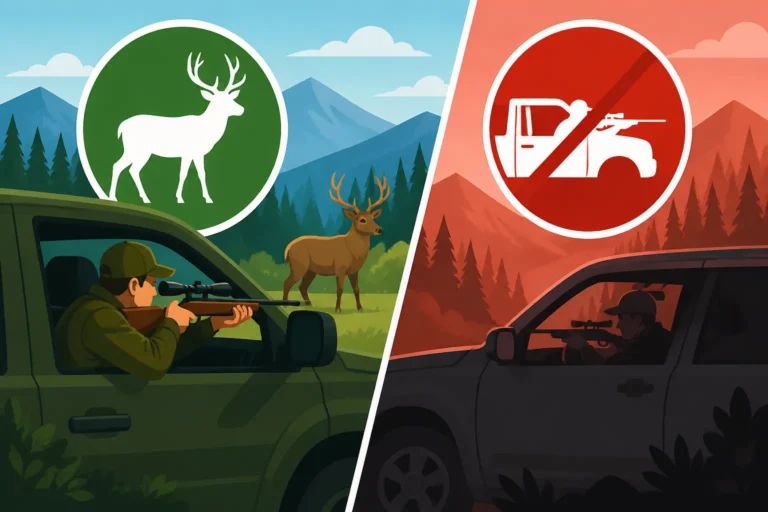
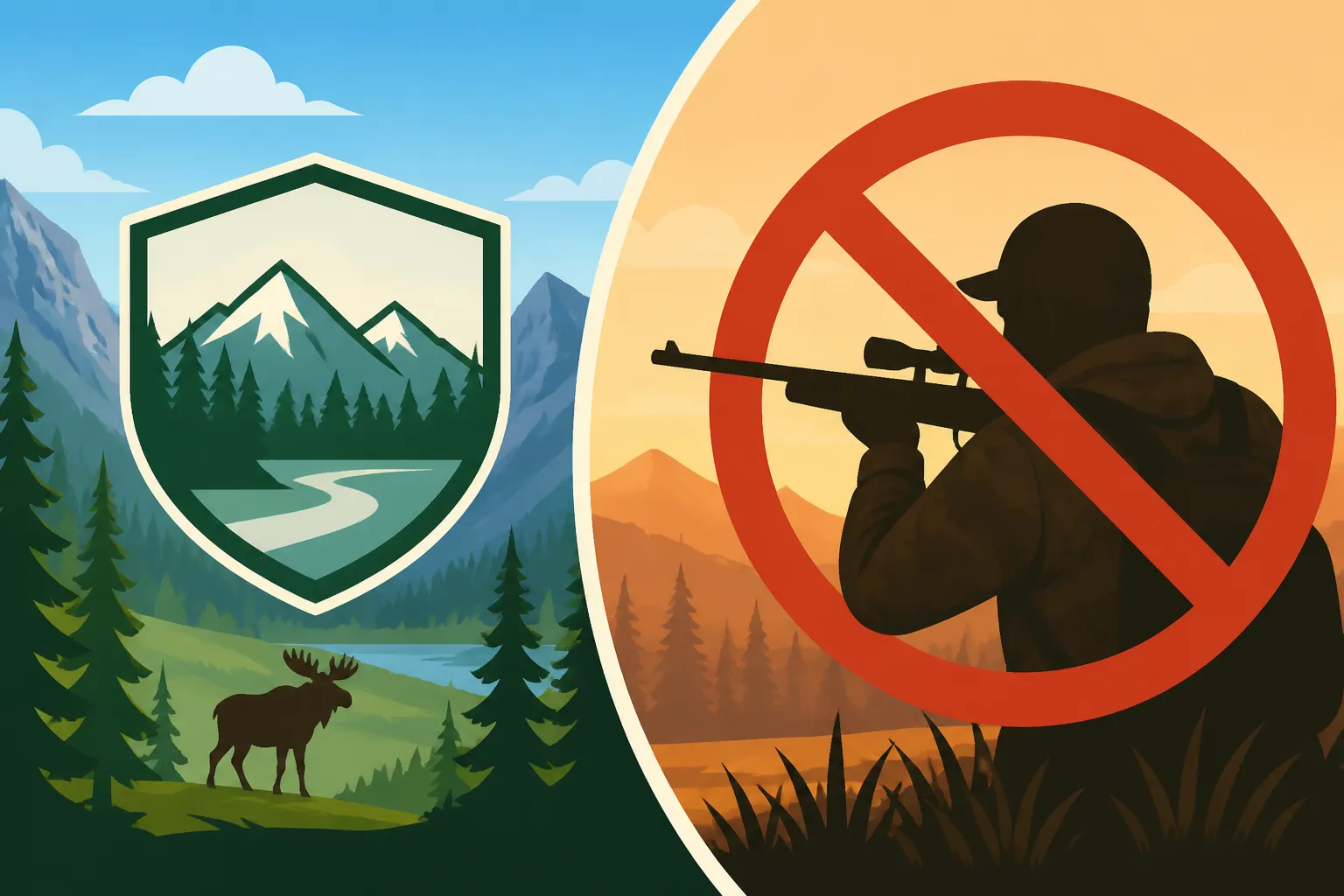
When most folks think of "parks," they often picture British Columbia's Provincial Parks. These are established under the BC Park Act, and their primary purpose is the preservation of natural environments, outdoor recreation, and protecting specific ecological features. The general rule of thumb for Provincial Parks is simple: hunting is not allowed. This isn't just about preserving animals; it's about public safety in areas often used by hikers, campers, and sightseers, and maintaining a non-consumptive view of wildlife within these zones. You'll find signs clearly marking the boundaries, and attempting to hunt within these areas can lead to significant penalties, including fines and potential loss of hunting privileges.
Ecological Reserves take this protection even further. Established under the Ecological Reserve Act, these areas are set aside for scientific research and the preservation of specific ecosystems or biological features. They are even more restrictive than Provincial Parks; public access is often limited, and absolutely no hunting, trapping, or even disturbance of wildlife is permitted. Think of these as outdoor laboratories, not hunting grounds. It's a fundamental difference to grasp: while both aim to protect nature, their management objectives and the activities allowed within them diverge significantly, especially for hunters.
Wildlife Management Areas and Their Unique Rules
Now, here's where things get a bit more interesting and, thankfully, more hunter-friendly. British Columbia's Wildlife Management Areas (WMAs) are specifically designated under the Wildlife Act to conserve wildlife and their habitats. Unlike Provincial Parks, many WMAs do permit hunting, often with specific regulations tailored to the area's wildlife populations and conservation goals. These areas are designed to ensure sustainable wildlife populations and often provide critical habitat for migratory birds, ungulates, or other species.
For example, a WMA might be established to protect crucial winter range for moose or mule deer, or staging areas for waterfowl. While hunting may be permitted, there could be restrictions on specific species, seasons, or even methods. You might find regulations like "archery-only" zones, or limitations on vehicle access to protect sensitive habitats. It's absolutely vital to consult the current British Columbia Hunting Regulations Synopsis, or check tools like GoHunt that integrate up-to-date boundary information, to understand the specific rules for any WMA you're considering. Don't assume that because it's a WMA, everything is fair game. Each WMA is unique, and its rules reflect its specific conservation mandate. Understanding these particular regulations is key to avoiding an accidental violation.
National Parks and Federal Lands
Beyond provincial designations, British Columbia also hosts several National Parks, such as Yoho, Kootenay, Glacier, and Pacific Rim. These are managed by Parks Canada under federal legislation, primarily the Canada National Parks Act. For hunters, the rule is unequivocal: hunting is strictly prohibited in all Canadian National Parks. These areas are established for ecological integrity and public enjoyment, and hunting is considered incompatible with these core objectives. There are no exceptions for general public hunting, regardless of your provincial hunting license.
Similarly, other federal lands might exist within BC, though they are less commonly encountered by hunters than provincial designations. Military bases, for instance, might have federal jurisdiction, and hunting rules would be at the discretion of the Department of National Defence, usually prohibiting public hunting for safety and security reasons. It’s always best to err on the side of caution and assume that federal lands are generally off-limits unless explicitly stated otherwise by the managing authority. If you're using a mapping system like GoHunt, it will typically clearly delineate these areas, making it easier to identify no-go zones.
Navigating the Regulations for Hunting in Protected Zones
The sheer volume of regulations, maps, and special conditions can make a hunter's head spin. One of the biggest frustrations I hear is the fear of inadvertently stepping into a prohibited zone. Nobody wants to be that hunter who makes a mistake, especially not when it comes to wildlife and public lands. The key to navigating this complex landscape is diligent research and understanding how to access the most accurate and up-to-date information.
How to Confirm if an Area is Open to Hunting
The absolute first step, every single time, is to consult the current British Columbia Hunting Regulations Synopsis. This document is your bible for all things hunting in BC. It details season dates, bag limits, and critically, outlines specific restrictions or allowances for all Management Units (MUs) and any designated protected areas within them. You'll find sections dedicated to "Controlled Hunting Areas" or "Wildlife Management Areas" with detailed maps or descriptions.
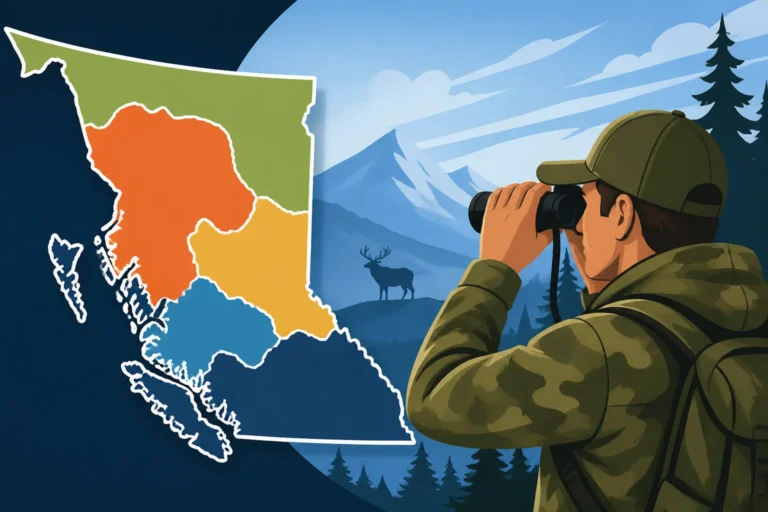
Beyond the regulations synopsis, geographical tools are indispensable. Using a GPS device loaded with current land ownership and management overlays, or a reputable app like GoHunt, can be a game-changer. These tools allow you to visualize boundaries on a topographical map in real-time. Before heading out, spend time at home meticulously overlaying the regulations synopsis information onto your maps. Double-check the exact boundaries of any Provincial Park, Ecological Reserve, or WMA that might be near your intended hunting spot. Pay close attention to the specific Management Unit numbers. For instance, you might be interested in hunting a specific area, and looking at the details for Hunting British Columbia's Management Units and Regions can help you understand the broader context. Confirming boundaries from multiple sources is always a good practice, especially if you're venturing into unfamiliar territory. The goal here isn't just to stay legal, but to hunt responsibly and ethically, respecting all land designations.
Specific Restrictions and Prohibitions
Even in areas where hunting is permitted, like certain WMAs, you'll almost certainly encounter specific restrictions beyond the general season and bag limits for the larger Management Unit. These can include:
- Vehicle Access Restrictions: Many WMAs prohibit ATVs, dirt bikes, or even full-sized vehicles on certain trails or off-road, to minimize habitat disturbance or prevent access during sensitive times (like calving seasons). You might find that access is foot traffic only past a certain point, or only during specific times of the year. Always look for signage on site, but don't rely solely on it; the regulations synopsis takes precedence.
- Weapon Restrictions: Some WMAs might be designated "bow hunting only" or have specific rules for muzzleloaders. This is often implemented for public safety in areas with higher recreational use, or to manage pressure on specific game populations. It's not uncommon to find areas where a rifle is legal just outside a WMA, but within its boundaries, you're limited to archery.
- Species-Specific Limitations: While the larger MU might have an open season for deer and elk, a WMA within it might only allow hunting for one of those species, or have a shorter season. This is typically tied to localized population management. For instance, a WMA crucial for elk calving might have a delayed opening for elk hunting.
- Camping and Fire Restrictions: Even if hunting is permitted, camping, campfires, or specific types of structures might be regulated differently within a WMA than on general Crown land. These restrictions are often in place to reduce human impact on sensitive ecosystems or to manage fire risk.
- Permit Requirements: Occasionally, a WMA might require an additional, specific permit beyond your regular hunting license and tags. While less common for general hunting, it’s worth being aware of. This is more frequent for research or specific conservation efforts.
The lesson here is clear: never assume. Always verify every detail for your specific location and target species. What applies to general open season management units might not apply within a WMA, and certainly not within a Provincial or National Park. Resources like British Columbia's Two-Year Regulations Synopsis and mapping apps can make this information much more digestible.
Practical Tips for Hunting Near Protected Areas
Hunting near protected areas requires a heightened level of awareness and preparation. It's not just about staying legal; it's about being a responsible hunter and ensuring positive public perception of our sport. Missteps near these boundaries can quickly escalate into negative interactions with other outdoor users or land managers.
Scouting and Boundary Awareness
Thorough scouting is always important, but it becomes absolutely critical when you're hunting adjacent to a protected area. Game animals, especially deer and elk, don't recognize man-made boundaries. They'll often feed and travel freely between a huntable zone and a sanctuary, making these transition areas prime hunting spots. However, this also means you need to be acutely aware of exactly where those lines are.
Before you even step foot in the field, invest time in studying maps. Use satellite imagery to identify natural features that align with boundaries, like creeks, ridge lines, or old road beds. When you're on the ground, bring a reliable GPS unit or a smartphone with a robust mapping app like GoHunt. Mark the boundaries of any adjacent Provincial Park, Ecological Reserve, or WMA directly on your device. Physically walk or drive these boundary lines if possible, noting any posted signs or natural indicators. This diligence ensures that when you're focusing on a stalk or tracking a wounded animal, you're not inadvertently crossing into a prohibited zone. Being precise with your location can prevent immense stress and potential legal trouble, especially if an animal crosses the line after being shot. It's a huge benefit to know your hunting area, but it's even more beneficial to understand the adjacent non-hunting areas as well. You might want to review Scouting a British Columbia Management Unit for general tips, but add a layer of boundary-specific focus.
Ethical Considerations and Public Perception
Hunting adjacent to protected areas often means you're in closer proximity to non-hunting outdoor enthusiasts – hikers, bird watchers, photographers – who might not understand or appreciate hunting. Your actions can significantly impact how the general public perceives hunting. It's not just about following the law; it's about being a good ambassador for the hunting community.
- Visibility: Consider wearing blaze orange or blaze pink even when not legally required, especially during rifle seasons. This provides visible assurance to other users that you are a hunter and can increase safety awareness.
- Noise and Disturbance: Be mindful of loud noises, especially if you're near a well-used trail or campground within a protected area. While a responsible hunter is always quiet, extra care near public access points can help maintain peace.
- Game Retrieval: If you shoot an animal close to a park boundary and it crosses into the protected zone, do not pursue it without first contacting the appropriate authorities. For Provincial Parks, this would be BC Parks staff or the Conservation Officer Service (COS). For National Parks, it would be Parks Canada wardens. They may be able to assist in retrieving the animal, but unilaterally entering a closed area to retrieve game is a violation and can lead to severe consequences. Knowing British Columbia Trespass and Private Land Law can provide additional context, as illegally retrieving game is a common violation.
- Waste and Respect: Always pack out all trash, spent casings, and leave no trace. This fundamental hunting ethic is even more critical near protected areas where public scrutiny can be higher. Demonstrate respect for the land and all its users.
The reputation of hunting hinges on the responsible actions of individual hunters. By being extra diligent and considerate when hunting near protected areas, we contribute positively to our image and ensure continued access to the incredible hunting opportunities British Columbia offers. For information specific to WMAs, you might also find the article on British Columbia Wildlife Management Area Rules helpful.
| Protected Area Type | Governing Legislation | Hunting Allowed? | General Considerations |
|---|---|---|---|
| Provincial Parks | BC Park Act | No | Strict preservation focus. High public recreational use. No hunting, trapping, or firearms discharge. |
| Ecological Reserves | Ecological Reserve Act | No | Scientific research and ecosystem preservation. Limited public access. Absolutely no disturbance of wildlife. |
| Wildlife Management Areas (WMAs) | BC Wildlife Act | Often Yes | Established for wildlife conservation. Hunting permitted with specific, often detailed, regulations unique to each WMA. |
| National Parks | Canada National Parks Act | No | Federal jurisdiction. Ecological integrity and public enjoyment. Hunting strictly prohibited in all Canadian National Parks. |
| Federal Lands | Various (e.g., National Defence, Indigenous Services) | Generally No | Rules vary by specific land designation and managing authority. Assume no hunting unless explicitly permitted. |
Final Thoughts on Hunting in Restricted Zones
Navigating British Columbia's diverse land designations and their associated hunting rules can feel like a full-time job at times. The patchwork of Provincial Parks, Ecological Reserves, Wildlife Management Areas, and National Parks, each with its own set of "dos and don'ts," is enough to make any hunter pause and double-check. But by taking the time to understand these distinctions, meticulously researching your chosen hunting grounds, and using reliable mapping tools, you empower yourself to hunt legally, ethically, and safely. Being a responsible hunter means respecting not just the game, but also the land and all other outdoor enthusiasts who share it.
Disclaimer
The information provided in this guide is for general informational purposes only and does not constitute legal advice. Hunting regulations in British Columbia are subject to change, and it is the sole responsibility of the hunter to consult the most current British Columbia Hunting Regulations Synopsis, available from the provincial government, before engaging in any hunting activities. Always confirm specific rules, seasons, and boundaries for your chosen Management Unit and any adjacent protected areas.