Penalties for a Hunting Violation
Let's be real, the world of hunting regulations can feel like navigating a dense, tangled forest at times. It's easy to get overwhelmed, and the thought of accidentally stepping afoul of the law is a real anxiety for many of us who cherish the privilege of hunting in British Columbia. This guide isn't here to scare you, but to offer a clear, no-nonsense look at the penalties associated with hunting violations in BC, so you can hunt confidently and responsibly, avoiding those dreaded mistakes.
Why Knowing the Rules is Your Best Defense
Hunting in British Columbia isn't just a pastime; it's a deeply rooted tradition that comes with immense responsibility. The province's diverse ecosystems and abundant wildlife are precious, and the regulations are put in place to ensure their sustainability and fair chase. It’s not about bureaucrats trying to make things difficult; it's about protecting what we all love.
The Complexity of British Columbia's Hunting Regulations
Navigating the rules can certainly feel like a full-time job. We've got the overarching Wildlife Act, which is the foundational legislation, and then the British Columbia Hunting Regulations Synopsis, which changes every two years and details all the season dates, bag limits, and specific rules for each species and management unit. Beyond that, there are federal regulations for migratory birds, municipal bylaws, and even specific rules for private land access. It’s a lot to keep track of, and that’s a frustration many hunters share. You might think you're doing everything right, only to find a minor detail you missed could lead to a significant issue. That's why tools like the GoHunt app or website, which often distill this information, can be incredibly useful for hunters trying to stay compliant in the field, especially when you're in an area with spotty cell service and can't easily reference the official PDF.
Every year, changes occur, and it’s up to each hunter to stay informed. A critical step for any hunter, new or experienced, is to meticulously read the British Columbia's Two-Year Regulations Synopsis before heading out. Don't just skim it; truly digest it. Look for changes from the previous year, pay close attention to the specific management unit you plan to hunt, and understand the antler point restrictions or other harvest criteria. Forgetting a small detail can quickly turn a legal harvest into a violation.
The Role of the Conservation Officer Service
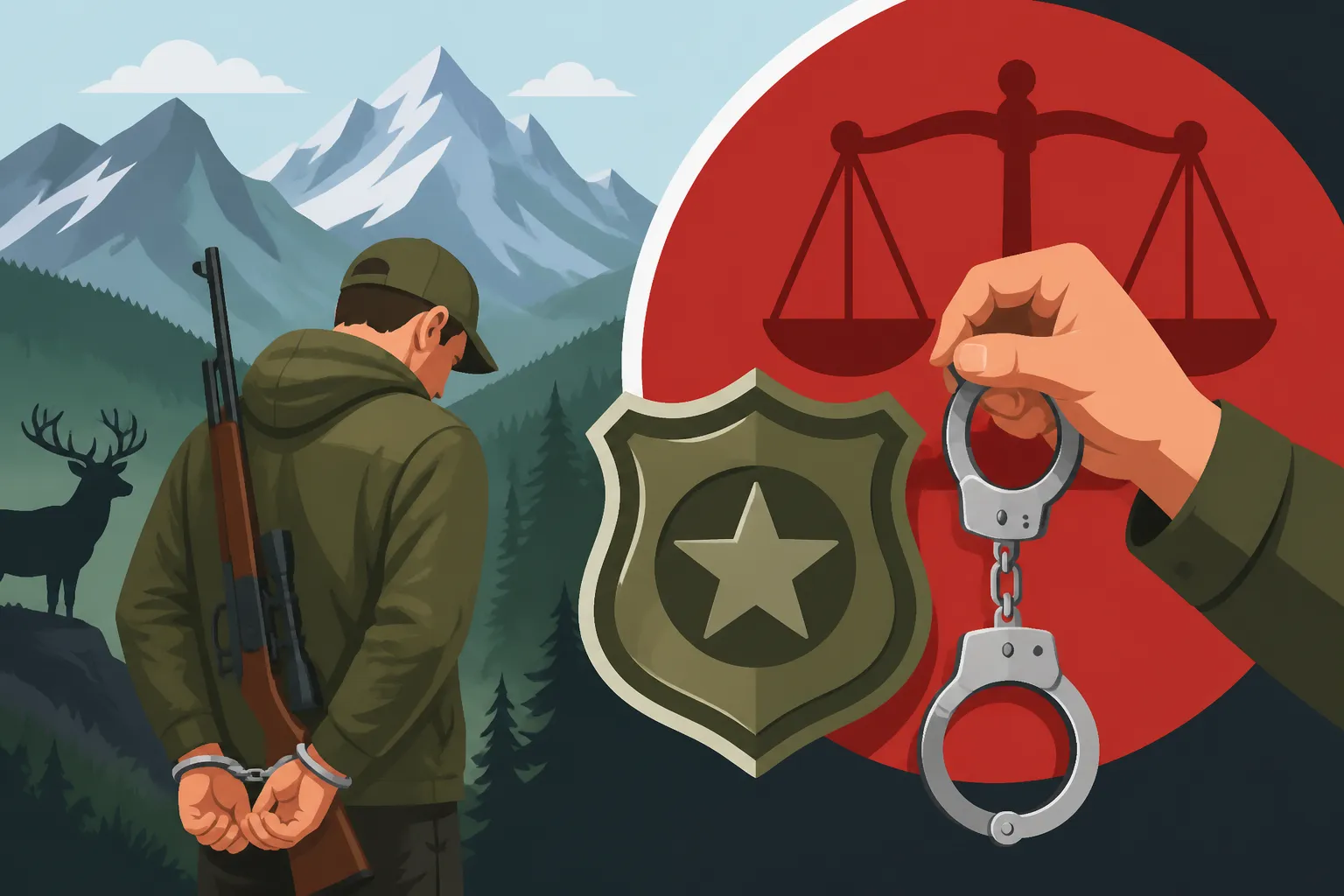
The BC Conservation Officer Service (COS) is the frontline enforcement agency for wildlife, environmental, and public safety laws in British Columbia. These officers are dedicated professionals, often hunters themselves, who are passionate about protecting our natural resources. Their job isn't just about handing out tickets; it's also about education and prevention. However, make no mistake, if you are found to be in violation of the Wildlife Act or its regulations, they have the authority to issue warnings, tickets, or even recommend charges that can lead to court appearances and severe penalties.
It’s easy to feel intimidated when approached by a Conservation Officer, but remember, they are doing their job. Always be respectful, cooperative, and honest. Present your British Columbia Hunting Licences and Fees and species tags when asked, and allow them to inspect your firearms or game as required. Their enforcement is crucial for deterring poaching and illegal activity, which impacts every legal hunter by damaging wildlife populations and tarnishing our collective reputation. Being prepared to demonstrate compliance, perhaps by having your FWID and license easily accessible on your phone or in print, can make these interactions much smoother.
Common Hunting Violations and Their Immediate Consequences
Understanding what constitutes a violation is the first step in avoiding one. It's not always about outright malicious intent; sometimes, honest mistakes or oversights can land you in hot water.
License and Tag Infractions
One of the most common issues arises from errors related to licenses and tags. This includes hunting without a valid hunting license, possessing an expired species tag, or failing to purchase the correct tag for the animal you're pursuing. For instance, if you're out for mule deer but accidentally forgot to pick up that specific species tag, even if you have a general hunting license, you're in violation. It sounds basic, but in the rush and excitement of getting ready for a hunt, these small details can be overlooked.
Another frequent infraction involves incorrect or late reporting. In British Columbia, many species require compulsory reporting. For example, if you harvest a moose, there's a Mandatory Reporting for Moose Licences within a specific timeframe. Failing to report, or submitting incomplete information, can result in fines and even impact your eligibility for future limited entry hunting (LEH) draws. The system relies on accurate harvest data to manage wildlife populations effectively, so these rules are taken seriously. Always make sure you understand the Compulsory Reporting Within Thirty Days requirement for any species you hunt.
Unlawful Methods and Means
British Columbia has strict rules about how you can hunt. This covers everything from the type of weapon you use to how you pursue game. For example, specific regulations outline Legal Rifle Calibres for Big Game and bow draw weight rules. Using a prohibited weapon, or a legal weapon in an illegal manner (like hunting with a spotlight at night, which is strictly forbidden), will lead to significant legal trouble.
Beyond weapons, there are rules on baiting, using hounds for certain species, and even restrictions on hunting near roads. Imagine you're driving a British Columbia Rules on Hunting From a Vehicle and spot a deer. Even if you get out of the vehicle, you might be too close to a paved road or highway to legally shoot, or you could be accused of using a vehicle to pursue game. Ignorance of these rules is not an excuse. It's crucial to understand where and how you can legally hunt. Rules on Shooting Near a Road are particularly tricky, as distances often vary by jurisdiction and type of road. Always err on the side of caution.
Over-Bagging and Closed Seasons
Perhaps the most serious violations, short of outright poaching, involve exceeding bag limits or hunting out of season. These rules are fundamental to wildlife conservation. Taking more than the allowed number of animals (e.g., shooting a second buck when your limit is one) or harvesting an animal outside of the designated season (e.g., shooting a deer in July when the season doesn't open until September) are serious offenses. These actions directly undermine population management efforts and can have significant negative impacts on local wildlife numbers.
Sometimes, hunters misunderstand antler restrictions, like the "four-point antler rules" for some deer species. Accidentally harvesting a three-point buck when a four-point minimum is in effect is still a violation, regardless of intent. This is where careful identification and ethical shooting practices become paramount. If you're unsure, it's always best to let the animal walk.
The Severity of Penalties: Fines, Forfeitures, and Beyond
When a violation occurs, the consequences can range from a minor inconvenience to life-altering penalties. The severity often depends on the nature of the offense, whether it's a first-time or repeat offense, and the specific circumstances surrounding the incident.
Financial Penalties: Fines and Restitution Orders
Fines are the most common form of penalty. These can vary dramatically. Minor infractions, like failing to display your hunting license properly or a very slight delay in reporting a harvest, might result in a few hundred dollars. However, more serious offenses, such as hunting out of season, taking an over-limit, or possessing illegally harvested game, can lead to fines of several thousand dollars. The maximum fine under the Wildlife Act can be as high as $100,000 for a first offense and $200,000 for subsequent offenses, especially when dealing with commercial poaching or endangered species.
Beyond direct fines, courts can also issue restitution orders. This means you might be required to pay the Province for the value of the wildlife illegally killed. For a trophy animal, this could amount to thousands of dollars, reflecting the ecological and recreational value lost. Imagine the financial strain of a hefty fine plus a restitution order; it's a stark reminder of the cost of cutting corners or being negligent.
Hunting Prohibitions and License Suspensions
One of the most impactful penalties for a hunter is the loss of hunting privileges. A conviction under the Wildlife Act can lead to a court-imposed hunting prohibition, often referred to as a license suspension. These prohibitions can range from one year for less serious offenses to a lifetime ban for egregious violations like repeated poaching or involvement in organized illegal wildlife trafficking.
Even a short prohibition period can be devastating for someone whose life revolves around hunting. It means no fall deer seasons, no spring bear hunts, and no opportunities to apply for those coveted LEH tags. For non-residents, a BC prohibition might also impact their ability to hunt in other jurisdictions. This consequence hits at the core of a hunter's identity and passion, serving as a powerful deterrent.
Forfeiture of Equipment and Seizure of Game
Another significant penalty involves the forfeiture of property. If you're caught committing a serious hunting violation, the Conservation Officer Service has the authority to seize any items used in the commission of the offense. This could include your rifle, bow, ATV, boat, truck, spotting scope, or even your expensive hunting pack. If convicted, these items can be permanently forfeited to the Crown.
Furthermore, any game meat, hides, or trophies obtained illegally will be seized and forfeited. This means all the effort, time, and money you invested in your hunt, let alone the animal itself, is lost. Not only do you face fines and potential prohibitions, but you also lose valuable equipment and the fruits of your hunt. This is a tough pill to swallow for any hunter. The importance of ethical hunting cannot be overstated here; it protects not only the wildlife but also your personal assets and hunting future.
Here's a simplified table outlining potential consequences for different categories of hunting violations in British Columbia:
| Violation Category | Examples | Potential Fines (Approx.) | Hunting Prohibition (Years) | Other Penalties |
|---|---|---|---|---|
| Minor Administrative | Failure to carry license, late compulsory report, minor signage violations | $115 – $500 | 0 – 1 | Warning, educational requirements, administrative fees |
| Moderate Infractions | Hunting without specific species tag, minor trespass (non-posted), incorrect evidence of sex, shooting hours violations | $500 – $2,500 | 1 – 5 | Seizure of game, restitution orders |
| Serious Offenses | Hunting out of season, over-limit harvest, illegal methods (e.g., spotlighting), hunting in closed area | $2,500 – $25,000 (up to $100K for first serious offense) | 3 – 15 | Forfeiture of firearms/equipment, restitution, community service, jail (rare) |
| Egregious/Commercial Poaching | Repeated violations, commercial sale of illegal wildlife, hunting protected species, organized crime | $25,000 – $200,000 | 10 – Lifetime | Major forfeiture (vehicles, boats), significant jail time, criminal record |
Note: These are approximate ranges and can vary widely based on specific circumstances, previous offenses, and judicial discretion. Always consult current official BC regulations and legal counsel for precise information.
The Long-Term Ramifications of a Conviction
The immediate penalties, while severe, are often just the tip of the iceberg. A hunting violation conviction can cast a long shadow, impacting various aspects of your life for years to come.
Criminal Record and Reputation Damage
Many serious hunting violations under the Wildlife Act are considered provincial offenses, not federal criminal offenses. However, some egregious acts, particularly those involving commercial poaching or significant environmental damage, can lead to federal criminal charges. Even a provincial conviction, while not necessarily a "criminal record" in the same vein as a federal conviction, will still appear on background checks conducted by the provincial government, potentially impacting future employment, especially in fields requiring a high degree of trust or environmental responsibility.
Beyond the legal record, there's the damage to your reputation within the hunting community. Hunters are generally a tight-knit group that prides itself on ethics and respect for wildlife. Being known as someone who broke the rules can lead to social ostracization, a loss of trust from fellow hunters, and even difficulty finding hunting partners. For those who enjoy sharing their hunting adventures online, a conviction can quickly become public knowledge, leading to widespread criticism and a tarnished image. It's a heavy price to pay for a moment of carelessness or poor judgment.
Impact on Future Hunting Opportunities
Even after a hunting prohibition ends, a past violation can make future hunting more difficult. Applying for special draws, like the LEH system, often requires a clean record. While you may eventually be allowed to purchase a general hunting license again, your history might be considered for discretionary permits or guide outfitter licenses. Furthermore, some other jurisdictions might share information on hunting prohibitions, meaning a ban in BC could potentially affect your ability to hunt in Alberta or other provinces/states.
For those considering becoming a certified guide or outfitter, a past hunting violation can be a major roadblock to obtaining the necessary licenses. Trust and adherence to regulations are paramount in the guiding industry, and a history of non-compliance can signal a significant risk. For anyone who has invested time and effort into obtaining their British Columbia's CORE Exam and FWID, the thought of having it all jeopardized by a violation is a stark reminder of the responsibility that comes with the privilege to hunt.
Increased Scrutiny for Repeat Offenders
If you've been convicted of a hunting violation once, any future infractions will be viewed much more seriously. The courts and Conservation Officer Service will likely see you as a repeat offender, and the penalties for subsequent violations are almost always significantly higher. This can mean longer prohibitions, steeper fines, and a much greater likelihood of asset forfeiture.
For instance, a minor infraction like forgetting your license might result in a warning or small fine the first time. The second time, it might be a larger fine and a short prohibition. A third offense, even if seemingly minor, could escalate dramatically, demonstrating the judicial system's decreasing patience for those who repeatedly fail to adhere to the rules. This is why understanding your obligations and diligently checking current regulations, perhaps even using resources like GoHunt to cross-reference season dates and management unit boundaries, is so critical every single time you step into the field.
Navigating the Legal Process and Seeking Help
If you find yourself in the unfortunate position of being charged with a hunting violation, it can feel overwhelming and intimidating. Knowing what steps to take can make a significant difference in the outcome.
What to Do If You Receive a Violation Notice
If a Conservation Officer issues you a violation notice or ticket, read it carefully. It will outline the specific alleged offense and the amount of the fine, if applicable. You typically have options: either pay the fine (which is an admission of guilt) or dispute it in court. It's crucial not to ignore the notice, as failing to respond within the designated timeframe can lead to a default conviction and further penalties.
Before making any decisions, take a deep breath. Document everything you remember about the incident: the date, time, location, the officer's name, what was said, and any relevant circumstances. Take photos if they are relevant to your defense (e.g., posted signs, specific locations). This documentation can be incredibly valuable if you decide to contest the charge.
When to Seek Legal Counsel
For anything more serious than a very minor ticket, it is highly advisable to seek legal counsel from a lawyer specializing in environmental or administrative law. These lawyers understand the nuances of the Wildlife Act and can help you navigate the legal system. They can advise you on your rights, help you understand the charges against you, and represent you in court.
Trying to defend yourself against complex charges can be a daunting task, and without a thorough understanding of legal procedures and precedents, you might inadvertently harm your own case. A lawyer can assess the strength of the evidence against you, identify any procedural errors, and negotiate with the prosecution on your behalf. They might be able to get charges reduced, fines lessened, or even get a prohibition period shortened. This is especially true if you're facing potential forfeiture of significant assets or a lengthy hunting ban.
Reporting a Poacher in British Columbia
On a different but related note, if you witness a hunting violation or suspect poaching, it's every responsible hunter's duty to report it. British Columbia has The Report All Poachers and Polluters Line (RAPP), a toll-free number (1-877-952-7277) where you can confidentially report violations. You can also report online. Don't confront suspected poachers yourself; simply gather as much detail as possible (location, vehicle descriptions, license plates, physical descriptions of individuals, type of violation, time) and pass it on to the authorities.
Reporting illegal activity isn't "snitching"; it's actively participating in the conservation efforts that protect our wildlife and the integrity of our hunting heritage. When you see someone breaking the rules, they're not just breaking the law, they're stealing from all of us who follow the regulations, complete our British Columbia's CORE Exam and FWID, and purchase our proper tags. Upholding ethical standards is paramount for the future of hunting in British Columbia.
Disclaimer
The information provided in this guide is for general informational purposes only and does not constitute legal advice. Hunting regulations in British Columbia are complex and subject to change. Always consult the most current British Columbia Hunting Regulations Synopsis, the British Columbia Wildlife Act, and if necessary, legal counsel, for accurate and up-to-date information regarding specific laws and penalties.