Transporting Game Meat in British Columbia
You’ve just made a successful shot, and the thrill of the hunt is coursing through you. Congratulations! But now comes the real work, and for many hunters in British Columbia, the challenge of getting that hard-earned game meat from the remote backcountry to the dinner table can feel just as daunting as the hunt itself. From navigating strict regulations to preserving quality over long distances and diverse weather conditions, transporting your harvest safely and legally is paramount. This guide will walk you through every critical step, ensuring your efforts in the field don't go to waste.
Understanding British Columbia's Game Meat Regulations
British Columbia has specific rules governing how you must handle and transport game meat, designed to ensure responsible hunting practices and aid in wildlife management. Failing to adhere to these regulations can lead to fines, loss of hunting privileges, and even confiscation of your harvest, which is the last thing any ethical hunter wants. It’s not just about getting the meat home; it’s about doing it by the book.
Evidence of Sex and Species Identification
One of the most crucial aspects of transporting game meat in British Columbia is maintaining "evidence of sex" on certain species. This isn't just a bureaucratic hoop to jump through; it's a vital tool for conservation officers to ensure that hunters are complying with bag limits and antler restrictions. Imagine a scenario where you've shot a spike fork moose in an area where only bulls with three points or more are legal. Without the evidence of sex attached, it's impossible for an officer to verify your claim.
For most antlered or horned game, this typically means leaving the skull plate with antlers or horns naturally attached to a portion of the meat, usually a hind quarter, until the animal is processed at home or a butcher shop. For species like black bear, the skull must be kept intact, and for male bears, the penis sheath must remain naturally attached to a portion of the hide, or for females, the udder. These specific requirements are often detailed in the annual Hunting and Trapping Synopsis, and it's your responsibility to know them for the species you're hunting in a particular management unit. Many hunters find resources like the official BC government website or even apps like GoHunt incredibly useful for quickly cross-referencing these region-specific rules while planning their trip. This small detail, often overlooked in the excitement of the moment, can save you a significant headache down the road.
Compulsory Inspection and Reporting Requirements
Beyond evidence of sex, some species in British Columbia require a mandatory biological sample and/or compulsory inspection. For instance, if you're lucky enough to draw a tag for a Stone's Sheep or Mountain Goat, or harvest a black bear, you'll need to bring specific parts of the animal (typically the head/skull for sheep/goat/bear, and possibly a canine tooth for bear aging) to an authorized inspector within a set timeframe. This isn't just about species management; it contributes valuable data to wildlife biologists, helping them monitor herd health, age structures, and overall population trends.
The act of transporting game meat to an inspection station means you must keep those required parts in good condition. You can't just toss a bear skull in the back of your truck for days in warm weather without properly preparing it. It needs to be kept cool and clean to prevent deterioration before inspection. Additionally, every hunter who harvests big game, and certain species of small game, is required to submit a harvest report online within 30 days of the kill. This is a critical step in the journey from field to freezer, as it officially documents your harvest and helps track hunting pressure and success rates across the province. Make sure you understand the nuances of Mandatory Reporting for Moose Licences or other species-specific reporting, as penalties for late or missing reports can be significant.
Practical Logistics: From Field to Vehicle
The journey of your game meat truly begins the moment the animal hits the ground. What you do in the first few hours can dramatically impact the quality of your table fare and the ease of transport. This phase is all about efficiency, hygiene, and smart planning.
Field Dressing and Initial Cooling
The absolute first priority after securing your animal is to begin the field dressing process. This means removing the entrails to allow the carcass to cool down as quickly as possible. Bacterial growth thrives in warmth, and the internal organs hold a tremendous amount of heat. If you're hunting in British Columbia's Warm Early Seasons, this cooling process is even more critical. Many hunters opt for the traditional gutting method, opening the cavity and carefully removing everything. However, in truly remote or difficult terrain, or for very large animals, the gutless method—where the meat is removed from the bones and hide without opening the body cavity—can be a lifesaver. Whichever method you choose, cleanliness is paramount. Use clean knives, avoid contaminating meat with dirt or gut contents, and always have a good supply of water (or snow, if available) for rinsing.
Once the animal is field dressed, the next step is to facilitate further cooling. This often involves propping the carcass open to allow air circulation, or if quartered, hanging the individual pieces. Getting the meat off the ground and into the shade, even for a short time, can make a huge difference. In ideal conditions, hanging the meat overnight in a cool spot, away from predators, allows it to naturally chill and begin the aging process. Consider how you'd manage Hanging Meat at a Backcountry Camp if you're deep in the wilderness for several days. This initial cooling sets the stage for everything else; rush it, and you risk spoiling your precious harvest before it even leaves the woods.
Packing Out Your Harvest
After field dressing and initial cooling, the reality of Getting Meat Out of Steep British Columbia Country or even gently rolling terrain sets in. This is where your physical conditioning and choice of gear truly matter. For smaller animals like deer, you might be able to drag the entire animal out, though this is often not ideal for meat quality due to dirt and friction. More often, hunters quarter their animal – separating the four quarters, backstraps, tenderloins, and sometimes the neck meat – for easier transport. Boning out the meat, removing it completely from the bone, significantly reduces weight but can make identification (evidence of sex) more challenging if not managed carefully.
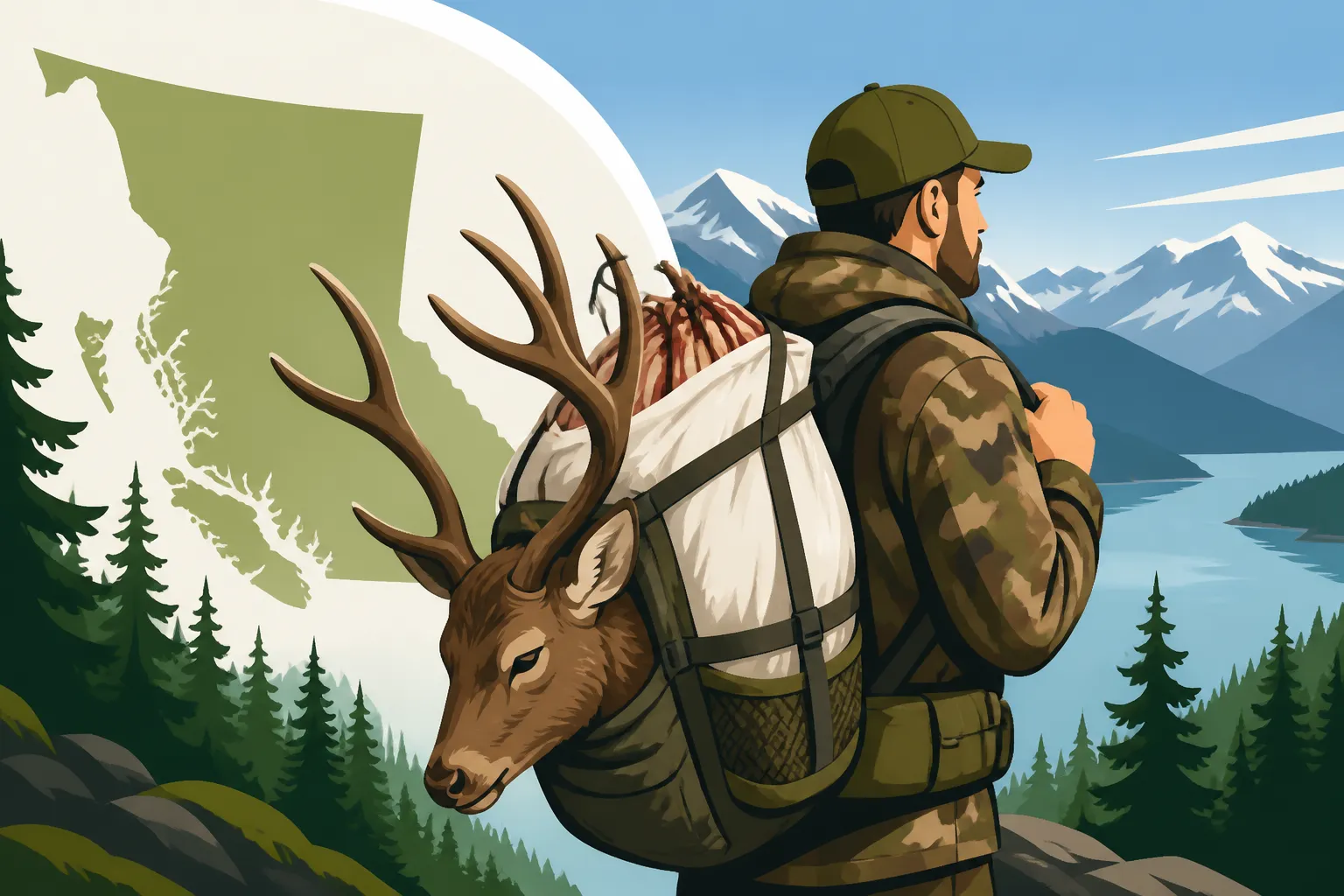
Investing in high-quality game bags is non-negotiable. These breathable bags protect your meat from insects, dirt, and debris while still allowing it to cool. Place each quarter or boned-out section into its own game bag. For the actual pack out, a sturdy internal or external frame pack is essential. Carrying heavy, awkward loads of meat requires a pack designed for the job. Many experienced hunters rely on the Packing Meat With a Frame Pack technique, distributing the weight effectively to prevent injury and allow for a manageable hike out. If you're hunting with a group, sharing the load makes the task much more achievable.
Vehicle Transport and Storage
Once you've successfully packed your game meat to your vehicle, the next challenge is keeping it cool and clean during the drive home. Simply tossing quarters onto the bed of a truck, especially in warm weather, is a recipe for disaster. Airflow is still important, but direct sunlight and road grime are not your friends. Large, well-insulated coolers are your best bet. If you’re facing a long drive, consider packing ice or dry ice into the coolers (keeping dry ice separated from direct contact with meat to prevent freezer burn). For larger animals like moose or elk, multiple coolers might be necessary.
Arrange the meat in game bags within the coolers, ensuring any drainage plugs are open if using wet ice, or that dry ice is properly ventilated in your vehicle. A common mistake is to stack warm meat too tightly in a cooler, which can hinder cooling and promote bacterial growth. If you're transporting a large amount of meat and don't have enough coolers, drape a tarp over the meat in the truck bed to protect it from the sun and dust, but ensure there’s still some airflow to prevent it from getting overly hot and steaming. Secure everything properly to prevent shifting during transit. The last thing you want after all that hard work is to arrive home with bruised or contaminated meat.
Long-Distance Journeys and Border Crossings
British Columbia's vast landscapes mean that a "short drive home" can still be many hours, and for many non-resident hunters, it might involve crossing international borders. Each scenario presents its own set of considerations for game meat transport.
Inter-Provincial Transport within Canada
If you're a Canadian resident and your journey with game meat involves crossing into another province, such as Alberta, the process is generally straightforward as long as you adhere to BC's regulations while in BC. Once you leave British Columbia, your primary concern shifts from local game laws to maintaining the quality of your meat during the extended travel time. There aren't typically specific inter-provincial permits required for legally harvested game meat for personal consumption.
The key here is preservation. Your meat should be well-chilled, preferably frozen solid, and securely packed in high-quality, insulated coolers. Vacuum-sealing individual cuts before freezing is an excellent way to prevent freezer burn and keep the meat fresh for longer. If you have a longer drive, consider using dry ice, which keeps contents frozen for extended periods. Ensure your vehicle has adequate space and power for any electric coolers if you're using them. While you might not face regulatory hurdles between provinces, the practical challenges of keeping your meat perfectly preserved over hundreds or thousands of kilometers are real.
Taking Game Meat Across the US Border
For our American neighbours who come to British Columbia to hunt, the prospect of Taking Meat Across the Border back into the United States is a significant consideration. This process is highly regulated by both Canadian and US authorities, primarily US Customs and Border Protection (CBP) and the US Department of Agriculture (USDA). You absolutely cannot just show up at the border with a cooler full of meat and expect to sail through. Planning this aspect of your hunt before you even leave home is crucial.
Generally, you will need to present your valid British Columbia hunting license, tags, and proof of your harvest (like a confirmed harvest report). The USDA often requires game meat to be boned-out (meat removed from the bone) to prevent the transmission of certain diseases, such as Chronic Wasting Disease (CWD), even though CWD has not been detected in BC. Specific cuts, such as brain or spinal cord tissue, are often prohibited. Skulls and hides must be properly cleaned and often require a declaration. For hunters targeting species like sheep or goat, CITES (Convention on International Trade in Endangered Species of Wild Fauna and Flora) permits may be necessary for export and import, adding another layer of paperwork. Always check the most current regulations from both Canadian and US authorities before your trip. Resources from hunter organizations and platforms like GoHunt often have excellent guides or links to official government pages that can help you navigate this complex process. Don't risk your hard-earned trophy or a hefty fine by being unprepared.
Ensuring Quality: Preservation During Transport
Beyond legality, the ultimate goal of transporting game meat is to deliver it to your kitchen in pristine condition. All the effort in the field and on the road will be for naught if the meat spoils or suffers in quality.
Temperature Control is Paramount
We can't stress this enough: temperature control is the single most important factor in preserving game meat quality during transport. Bacteria multiply rapidly between 4°C and 60°C (40°F and 140°F), often referred to as the "danger zone." Your mission, from the moment the animal is down, is to get the meat below this zone as quickly as possible and keep it there. This means immediate field dressing, as discussed earlier, and then continuous cooling.
If you're hunting in warm conditions, Keeping Meat Cool in an Early Season often involves using ice. Once quarters are in game bags, they can be placed in coolers with ice. For extended trips, especially those that take days, dry ice is an even more effective option as it keeps things frozen solid. Remember, direct contact with dry ice can cause freezer burn, so it's best to separate it from the meat with a layer of cardboard or newspaper. Monitoring the temperature, perhaps with a simple meat thermometer, during long hauls can give you peace of mind. Never allow meat to sit in standing water within a cooler; if using regular ice, ensure it drains freely.
Proper Packaging for Storage and Travel
The way you package your game meat dramatically impacts its longevity and quality, especially for long-distance transport or freezer storage. For the journey home, breathable game bags are essential for the initial cooling and protection. Once home, or if you're preparing for an international border crossing, further packaging is key. Vacuum sealing is the gold standard for long-term freezer storage. It removes oxygen, which is a major culprit in freezer burn and spoilage, preserving the meat's flavour and texture for well over a year.
After vacuum sealing, placing these packages into sturdy cardboard boxes offers an additional layer of protection, particularly if you're shipping meat or flying. Label each package clearly with the type of meat (e.g., "Mule Deer Backstrap"), the date of harvest, and the cut. This makes meal planning easier and ensures you're rotating your freezer stock effectively. If you're flying commercially, check airline regulations for transporting frozen game meat. Typically, it must be frozen solid and packed in leak-proof, hard-sided containers, often insulated with Styrofoam.
Avoiding Contamination and Spoilage
From the moment you begin field dressing, maintaining hygiene is crucial. Use clean knives, ensure your hands are clean, and avoid letting hair, dirt, or debris come into contact with the meat. Game bags are your first line of defence against insects and environmental contaminants. When packing out, ensure quarters aren't dragging on the ground or coming into contact with fuel, oil, or chemicals in your vehicle.
During transport, continuously monitor the meat for any signs of spoilage. A strong, off-putting odour, a slimy texture, or a greenish discoloration are clear indicators that the meat has gone bad. While a slight gamey smell is normal, a rancid or foul odour means it's time to discard. It's heartbreaking to lose a harvest, but consuming spoiled meat can lead to serious health issues. By taking meticulous care at every stage—from the field dressing through to final storage—you ensure that the incredible experience of hunting in British Columbia culminates in delicious, high-quality wild game for your table.
| Aspect of Game Meat Transport | Key Requirement in British Columbia | US Border Crossing Considerations |
|---|---|---|
| Evidence of Sex | Required for most big game (e.g., antlers on skull plate, bear skull/penis sheath/udder) until processed or at home. | May need to be boned-out before crossing; check current USDA/CBP rules. |
| Compulsory Inspection | Required for certain species (e.g., Stone's Sheep, Mountain Goat, Black Bear skull). Must be taken to official inspector. | Skull/hide must be thoroughly cleaned and declared. CITES permits for specific species. |
| Harvest Reporting | Mandatory online report within 30 days for big game and some small game. | Confirmation of harvest report may be requested by authorities. |
| Meat Preparation | Field dress and cool immediately. Protect from dirt/insects. | USDA generally requires boned-out meat. Certain tissues (brain, spinal cord) may be prohibited. |
| Packaging | Breathable game bags for initial transport; insulated coolers for vehicle. | Frozen, vacuum-sealed, sturdy leak-proof containers are best. |
| Temperature Control | Critical from field to freezer. Rapid cooling and consistent low temperature. | Essential for quality and to meet import standards. Dry ice recommended for long trips. |
Disclaimer
The information provided in this guide is for general informational purposes only and is not intended as legal advice. Hunting regulations in British Columbia, as well as international import/export laws, are subject to change. It is the sole responsibility of the hunter to consult the most current British Columbia Hunting and Trapping Regulations Synopsis, Fisheries and Oceans Canada regulations, and the relevant authorities (e.g., US Customs and Border Protection, USDA) before engaging in any hunting activities or transporting game meat. Failure to comply with all applicable laws and regulations may result in severe penalties.