Which Species Need Compulsory Inspection Now
The labyrinth of hunting regulations in British Columbia can feel overwhelming, especially when you're trying to figure out the specific steps you need to take after a successful harvest. One of the most critical, yet often misunderstood, requirements is compulsory inspection. This guide will walk you through exactly which species currently require compulsory inspection, why it's so important, and what you need to do to stay compliant with BC's wildlife laws.
What is Compulsory Inspection and Why Does It Matter?
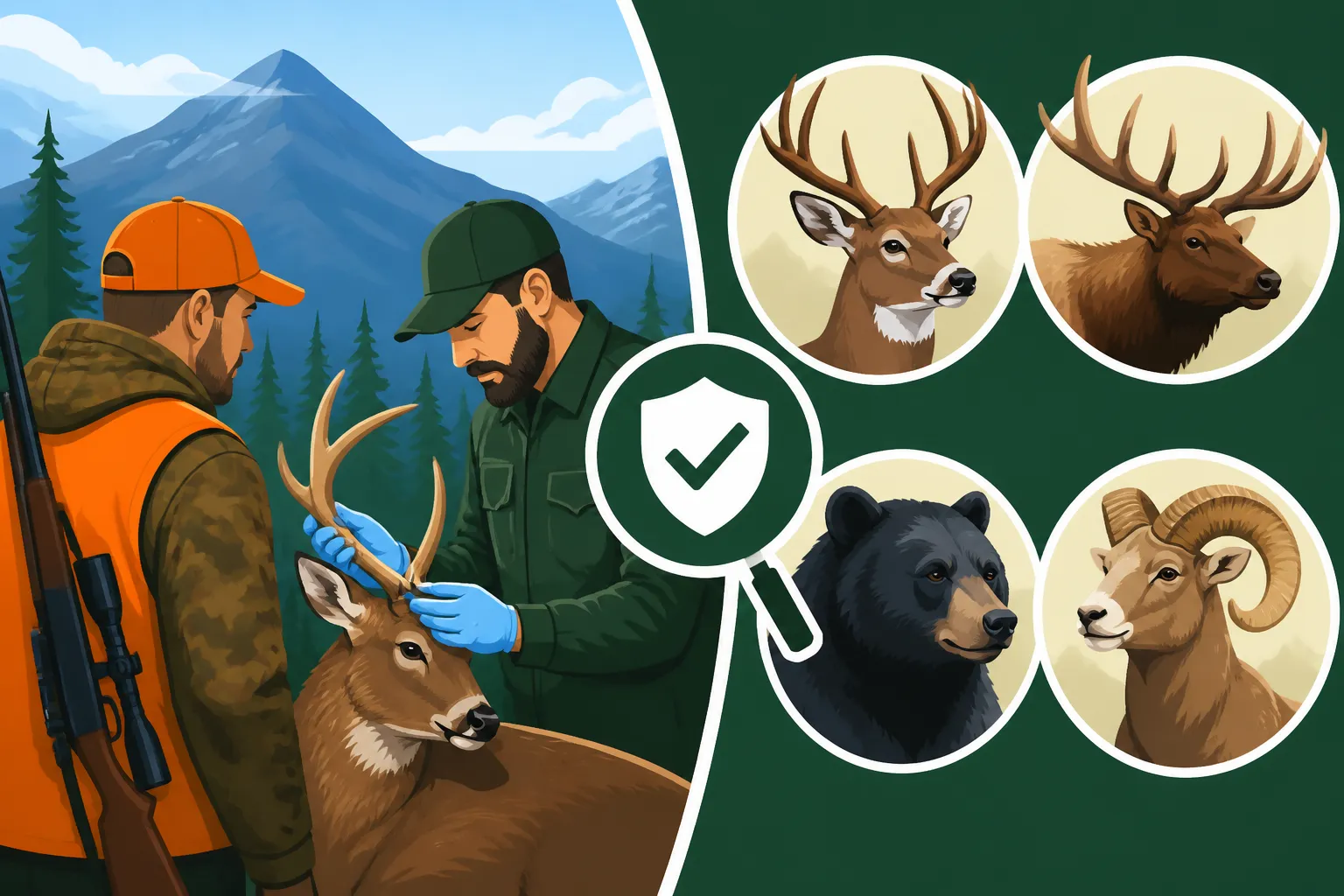
When we talk about "compulsory inspection" in British Columbia hunting, we're referring to a mandatory process where a hunter must physically present specific parts of a harvested animal – typically the head, and sometimes the hide or even the entire animal – to a designated Fish and Wildlife Branch official or a certified inspector. This isn't just a bureaucratic hurdle; it's a vital tool for wildlife management and conservation.
The Role in Conservation and Management
Compulsory inspection serves several critical functions for wildlife conservation and the sustainable management of our game populations. Firstly, it allows wildlife biologists to collect crucial data. When you bring in a skull or head, inspectors can determine the age of the animal by examining its teeth, assess its general health, and verify the species and sex. This real-world data feeds directly into population models, helping to inform future hunting regulations, season dates, and bag limits. For instance, knowing the age structure of a bighorn sheep herd through inspection data helps managers understand reproduction rates and overall herd health. It's a direct way hunters contribute to the science that sustains their passion.
Secondly, inspections are a key component of disease surveillance. While British Columbia has been fortunate to remain free of Chronic Wasting Disease (CWD), a fatal neurological disease affecting deer, elk, and moose, the threat is always present. Regular inspections, particularly of certain species in specific regions, allow for early detection should CWD ever cross into BC. Inspectors are trained to look for signs of disease, and samples can be collected for further testing. This proactive approach helps protect our healthy game herds. You can learn more about British Columbia's CWD Surveillance Program and why it’s so important to be vigilant.
Distinguishing from Compulsory Reporting
It's crucial to understand that compulsory inspection is different from compulsory reporting. All hunters in British Columbia are required to submit a harvest report for any species they hold a tag for, whether they harvest an animal or not. This usually involves an online submission within 30 days of the season closing or harvest, detailing the date, location (Management Unit), species, sex, and antler configuration of any animal taken.
Compulsory inspection, on the other hand, is a much more hands-on process, requiring physical presentation. While species like moose, for example, require Mandatory Reporting for Moose Licences, they generally do not require physical inspection unless specified for a particular region or special circumstance. The two systems work in tandem to provide comprehensive data, but they demand different actions from the hunter. Failing to comply with either can lead to significant penalties, so it's vital to know which rules apply to your specific harvest.
The Current List of British Columbia Species Requiring Inspection
The list of species requiring compulsory inspection can change with each two-year hunting synopsis, reflecting current conservation priorities and data needs. Always consult the most recent British Columbia Hunting and Trapping Regulations Synopsis before heading afield. However, historically and currently, a few key species consistently land on this list due to their specific management needs and conservation status.
Mountain Sheep: Bighorn, Stone's, Dall's, and California
All species of mountain sheep harvested in British Columbia require compulsory inspection. This includes Rocky Mountain Bighorn Sheep, California Bighorn Sheep, Stone's Sheep, and Dall's Sheep (though Dall's Sheep range is extremely limited in BC, typically only found in the far northwest). These majestic animals are highly prized and meticulously managed. The inspection allows wildlife officials to verify the age and horn curl of the ram, ensuring compliance with strict antler regulations, such as Mountain Sheep Season Dates and Curl Rules, which are in place to protect younger rams and ensure older, more genetically valuable animals contribute to breeding.
For a successful sheep hunter, the journey doesn't end when the animal is down. You'll need to carefully remove the skull plate with horns intact, ensuring the evidence of sex is also retained. Transporting this trophy out of steep, remote country requires careful planning. Inspection typically confirms the legal take and allows for the collection of biological samples, vital for ongoing research into herd health and genetics. This data helps manage these sensitive populations, ensuring future generations of hunters can also experience the thrill of a sheep hunt.
Mountain Goat
Similar to mountain sheep, mountain goats are another iconic alpine species requiring compulsory inspection after harvest. Mountain Goat Season Dates by Region are often very specific and limited, reflecting the vulnerability of these populations. Mountain goats are sensitive to pressure and have lower reproductive rates compared to many other big game species. The inspection process for goats is critical for monitoring their populations, assessing age and health, and ensuring hunters adhere to specific regulations, particularly regarding nanny-kid identification.
Identifying a billy from a nanny in the field can be challenging, especially at long distances. Inspectors will examine the horns, skull, and other characteristics to confirm the sex of the harvested animal. This helps prevent the accidental harvest of nannies, which can have a disproportionately negative impact on local goat populations. For many hunters, taking a mountain goat represents the pinnacle of mountain hunting, and understanding and adhering to the inspection rules is a non-negotiable part of this incredible experience.
Caribou (Where Seasons Are Open)
While most caribou populations in British Columbia are struggling and hunting seasons are closed, there are still extremely limited opportunities in very specific regions, particularly for certain herds. If you are fortunate enough to draw a caribou tag and harvest one, compulsory inspection will be a requirement. The conservation status of caribou herds is a significant concern across the province, with extensive efforts underway for British Columbia's Caribou Recovery Effort.
The inspection of harvested caribou is directly linked to these recovery efforts and the need for precise population data. Biologists need to understand the age and health of harvested animals to inform management strategies for the remaining herds. Given the precarious state of many caribou populations, compliance with all regulations, including compulsory inspection, is paramount for any hunter participating in the few open seasons for Caribou Hunting Where It Is Still Open. It’s a privilege that comes with significant responsibility.
Understanding the Compulsory Inspection Process
Knowing which species require inspection is only half the battle; understanding how to get it done correctly is equally important. The process is designed to be straightforward, but preparation is key.
Preparing Your Harvest for Inspection
After you've successfully harvested an animal requiring compulsory inspection, the first step is to correctly prepare the specimen. For mountain sheep and mountain goats, this typically means keeping the skull or skull plate with the horns attached. You also need to retain evidence of sex, which for males usually means the testes or penis, and for females, the udder or vulva. This evidence must remain naturally attached to a portion of the carcass or hide until inspection.
For caribou, similar requirements usually apply. The goal is for the inspector to be able to verify the species, sex, and age of the animal. Proper field care is also essential. If you're in warm weather, ensuring the head and any required evidence are kept cool and clean will make the inspection process smoother. This means thinking about Meat Care in British Columbia's Warm Early Seasons not just for the meat, but for the trophy and inspection requirements too.
Locating an Inspection Station and Scheduling
British Columbia has designated Fish and Wildlife Branch offices and certified inspectors located across the province where you can bring your harvest. You can usually find a list of these locations and their operating hours in the current hunting synopsis or by checking the provincial government's hunting website. Some areas might have specific drop-off locations or require you to call ahead to schedule an appointment, especially in more remote regions. Services like GoHunt can sometimes provide regional information or links to provincial resources that help pinpoint these locations on a Reading a British Columbia MU Map. It's a good practice to identify potential inspection stations before your hunt, especially if you're venturing into unfamiliar territory.
It's vital to note the deadlines for inspection. For most species, you must present the animal for inspection within a specific number of days after the kill, often 72 hours, but this can vary. Missing this deadline without a valid reason can result in fines or penalties. Therefore, Emergency Planning in British Columbia's Backcountry should include how you'll get your trophy out and to an inspection point within the required timeframe. Consider how you might Packing Meat With a Frame Pack also means packing out the head.
What Happens During the Inspection
When you arrive at the inspection station, the official will examine the parts you've brought in. They will verify the species and sex of the animal, check the horns or antlers against legal requirements (like Judging a Full-Curl Ram in the Field), and often extract a tooth for aging purposes. They will also record vital information about your harvest, including the date, location (Management Unit), and your licence details.
After a successful inspection, the official will usually attach a seal or provide a certificate, confirming that the inspection has been completed and the animal was legally harvested and presented. This documentation is crucial for lawful possession and transportation of your trophy, especially if you plan to export it or have it taxidermied. Without this official approval, your harvest might be deemed illegal.
Common Misconceptions and Important Reminders
Navigating hunting regulations can be complex, and compulsory inspection often leads to common questions and misunderstandings. Being prepared and informed can save you a lot of hassle and ensure your hunt remains fully compliant.
The "My Buddy Said" Trap
One of the biggest pitfalls in hunting regulations is relying on hearsay or outdated information. Regulations change, and what was true last year or for a different species might not be true today. Always, and I mean always, refer to the official British Columbia Hunting and Trapping Regulations Synopsis for the current hunting season. This document is your bible. Websites and forums can be great for general advice, but when it comes to legal requirements like compulsory inspection, nothing beats the official source. Tools like GoHunt often link directly to these official synopses, making it easier to verify information.
Assume nothing when it comes to regulations. If you're uncertain, contact the provincial Fish and Wildlife Branch directly. It's far better to ask a question beforehand than to face penalties after a harvest.
Consequences of Non-Compliance
The penalties for failing to comply with compulsory inspection rules can be severe. These can range from significant fines to the forfeiture of your harvested animal, and even a suspension of your hunting privileges. Conservation officers take these regulations seriously because they are fundamental to effective wildlife management. Imagine spending countless hours, effort, and money on a hunt, only to have your hard-earned trophy seized because you didn't know or follow the inspection rules. It’s a tough lesson no one wants to learn.
The system is designed to protect wildlife populations, and every hunter has a responsibility to understand and abide by these rules. The information gathered through inspection helps ensure the sustainability of hunting for everyone. So, always prioritize getting your animal inspected if it's required.
Planning Ahead for Success
Compliance with compulsory inspection rules starts long before you pull the trigger. When planning your hunt, particularly for species like sheep, goat, or caribou, factor in the logistics of getting the head and necessary evidence to an inspection station within the timeframe. This means considering travel time from your hunting area, the operating hours of inspection offices, and potential weather delays.
If you're hunting in a very remote area, consider how you'll use a satellite messenger for Satellite Communication on a Remote Hunt to check office hours or coordinate with an inspector. For long-distance travel, especially if you're crossing regional boundaries or heading home, ensure you have all the necessary documentation from the inspection before you move the animal. Good planning for British Columbia Hunting Licences and Fees and British Columbia's Species Licences and Tags extends to post-harvest steps like compulsory inspection.
In essence, successful hunting in British Columbia isn't just about finding and harvesting an animal; it's about being a responsible, informed conservationist who understands and adheres to every aspect of the regulations, including critical steps like compulsory inspection.
Disclaimer
The information provided in this guide is for general informational purposes only and is not a substitute for the official British Columbia Hunting and Trapping Regulations Synopsis. Hunters are solely responsible for understanding and complying with all current provincial and federal hunting laws and regulations. Always consult the most recent official regulations document published by the Government of British Columbia and contact the Fish and Wildlife Branch for specific clarifications.