Caribou Hunting Where It Is Still Open
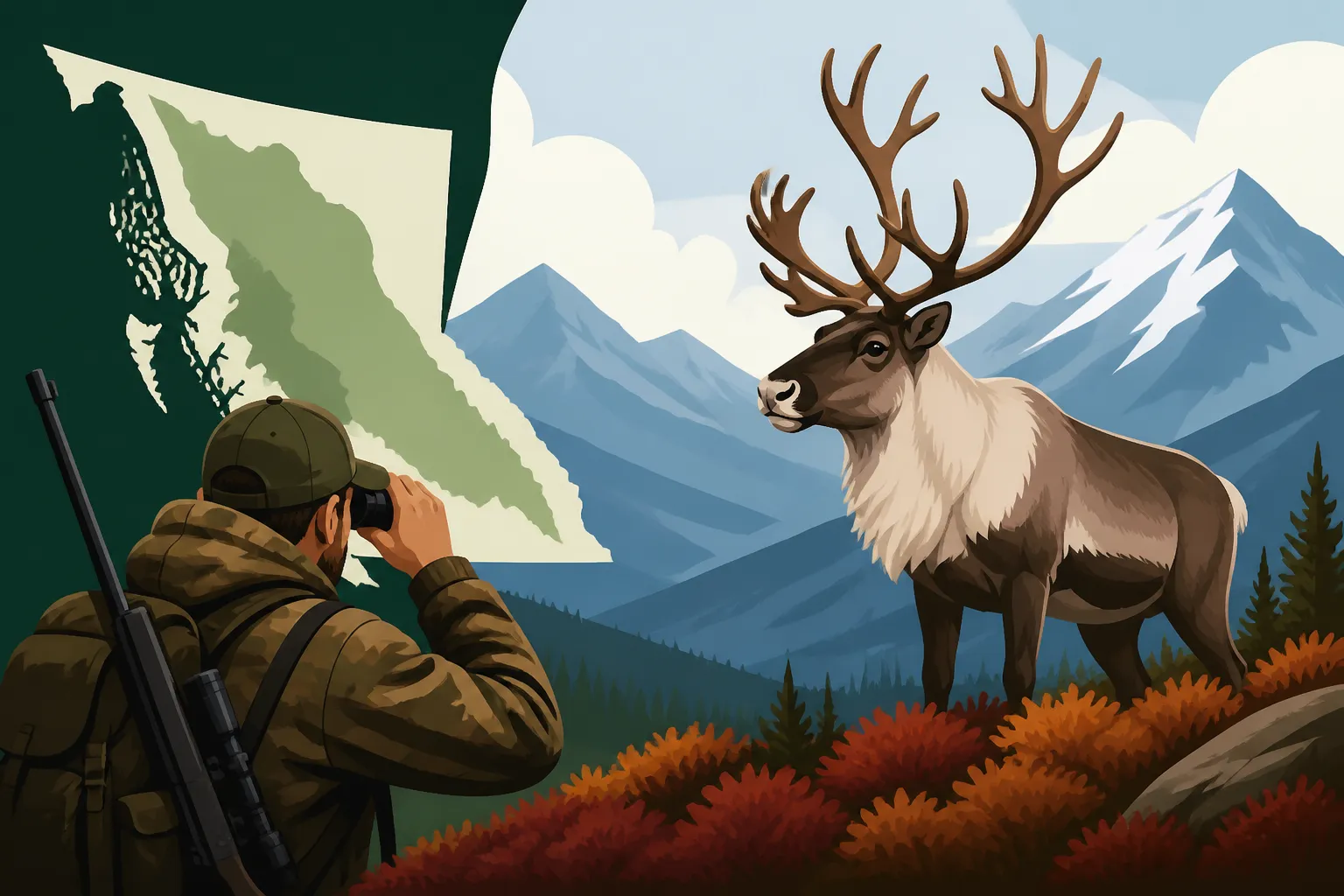
For many hunters, the majestic caribou represents the pinnacle of wilderness hunting, an iconic symbol of Canada's vast northern landscapes. Unfortunately, if you're holding out hope for a caribou tag in British Columbia today, you're likely facing a difficult reality. This guide aims to clearly outline the current state of caribou hunting in B.C., explaining why opportunities are virtually non-existent, and where you might still find remnants of these incredible animals, even if not for hunting.
The Shifting Landscape of Caribou Hunting in British Columbia
The story of caribou in British Columbia is a complex and often heartbreaking one, marked by significant population declines across many herds. What was once a relatively common big game species across vast swathes of the province has, over recent decades, faced immense pressures leading to widespread hunting closures.
Understanding the Conservation Challenges
The primary drivers behind the dramatic decline of caribou populations in British Columbia are multifaceted, complex, and often interconnected. Habitat loss and fragmentation are arguably the most critical issues. Industrial activities like logging, mining, and oil and gas exploration have altered vast tracts of old-growth forest that caribou, particularly the mountain caribou ecotype, rely on for forage and refuge from predators. These activities create more early seral habitat, which in turn supports higher populations of deer, elk, and moose. While more prey for wolves might seem like a good thing, it inadvertently subsidizes larger wolf populations, leading to increased predation on vulnerable caribou.
Climate change also plays a significant role. Warmer winters can mean less stable snowpacks, impacting the caribou's access to arboreal lichens—a crucial winter food source. It can also affect migration patterns and calving success. The cumulative effect of these pressures has pushed many herds to the brink, necessitating drastic conservation measures, including extensive hunting closures, maternity penning programs, and predator control initiatives in some areas. For more insight into these efforts, understanding British Columbia's Caribou Recovery Effort is crucial.
Historic Range and Current Restrictions
Historically, caribou roamed a vast area of British Columbia, from the mountainous regions of the south-central interior all the way up through the northern Rockies and into the boreal forests of the Peace region. There were several distinct ecotypes: Northern Caribou, Central Mountain Caribou, and Southern Mountain Caribou. Each ecotype had unique habitat requirements and migration patterns.
Today, the vast majority of these historical ranges are under complete hunting closure for caribou. The province has implemented broad prohibitions to allow remaining herds any chance of recovery. These closures are not merely temporary measures but reflect a serious, ongoing conservation crisis. While you might still see caribou signs in some of these traditional areas if you're out scouting for other species, any thought of actively pursuing them with a hunting tag is unrealistic and illegal in most places. The regulations are strict, and they are enforced to protect these struggling animals.
Identifying Open Caribou Hunting Opportunities (If Any Exist)
Given the dire conservation status, open caribou hunting opportunities in British Columbia are exceptionally rare, often non-existent for general open seasons, and typically limited to very specific, highly regulated circumstances when they do occur. This means hunters need to be hyper-vigilant and realistic when consulting the regulations.
Regional Closures and Exceptions
Currently, most of British Columbia is completely closed to caribou hunting. If there are any open opportunities at all, they are usually confined to a handful of remote, northern Management Units (MUs) where specific "Northern Caribou" herds might be deemed stable enough for a very limited, draw-only harvest. These are not areas where you can simply buy an over-the-counter tag. We're talking about extremely low-odds Limited Entry Hunting (LEH) draws, often with specific antler restrictions, and even these can change or be cancelled year-to-year based on population assessments.
For instance, historically, some sporadic LEH opportunities might have been available in the far reaches of Region 7 (Peace) or Region 6 (Skeena), or potentially even Region 8 (Okanagan) in the past, but these are almost universally closed now. It's crucial not to rely on outdated information or assumptions. The conservation status is dynamic, and what was open five years ago is very likely closed today. The primary focus for caribou is recovery, not recreation.
Consulting the British Columbia Hunting Regulations Synopsis
This cannot be stressed enough: the single, definitive source for any hunting regulations, especially regarding sensitive species like caribou, is the official British Columbia Hunting Regulations Synopsis. This document is published every two years and details all season dates, bag limits, and specific regulations for every species in every Management Unit across the province. You can access it online via the provincial government website.
While valuable tools exist, such as the mapping features on platforms like GoHunt, which can help you visualize British Columbia's Management Units and regional boundaries, you must always cross-reference any information you find with the official Synopsis. These third-party tools are fantastic for general planning and understanding the landscape, but they are not the legal source for current regulations. They can show you where a particular MU is, and even provide some historical data or hunter notes, but the final word on whether a caribou season is open rests solely with the provincial government's published regulations. Do not risk a serious violation by not verifying directly from the source. To fully grasp the system, familiarize yourself with British Columbia's Management Units and Regions.
The Reality of Caribou Hunting in Modern British Columbia
For most resident hunters, and certainly for non-residents, the chances of drawing a caribou tag in British Columbia are astronomically low, if not zero. The province's priority is conservation, and that means putting an almost complete halt to harvesting these animals.
Limited Entry Hunting Draws and Low Odds
British Columbia's Limited Entry Hunting (LEH) system is designed to manage harvest pressure on specific species in specific areas. For highly sought-after species or those with low populations, the number of available authorizations is extremely low, leading to highly competitive draws. For caribou, the situation is even more extreme. If any LEH authorizations are issued at all for caribou, the odds of drawing one are typically less than 1%. This means hundreds, if not thousands, of applicants vie for perhaps a single tag, or even no tags in a given year.
The application period for LEH is usually in the spring, with results released in the summer. Hunters use a preference points system, where unsuccessful applications accumulate points, theoretically increasing their odds in subsequent years. However, with caribou, even maximum preference points might not be enough if no tags are offered for a given zone. This isn't like applying for a moose or elk LEH, where reasonable odds might exist in some units. Caribou LEH opportunities, if they ever appear, are often fleeting and almost impossible to secure for the average hunter. You can learn more about how British Columbia's LEH System Works and read LEH Odds Before You Apply.
Focusing on Alternative Species and Regions
Given the almost complete closure on caribou hunting, hunters who yearn for a remote, northern big game experience in British Columbia should realistically shift their focus to other species. The vast wilderness areas of northern British Columbia, where caribou once thrived, are still home to healthy populations of other incredible animals.
- Moose: Many of the northern regions, particularly the Omineca and Peace, offer excellent opportunities for moose hunting. Bulls are plentiful in these areas, and the challenge of calling Moose in British Columbia's Interior or Hunting Moose on a Cutblock Edge can be incredibly rewarding.
- Elk: Rocky Mountain Elk are found in the eastern parts of the province, especially the Kootenays and Peace regions. These hunts can be demanding but offer a fantastic challenge.
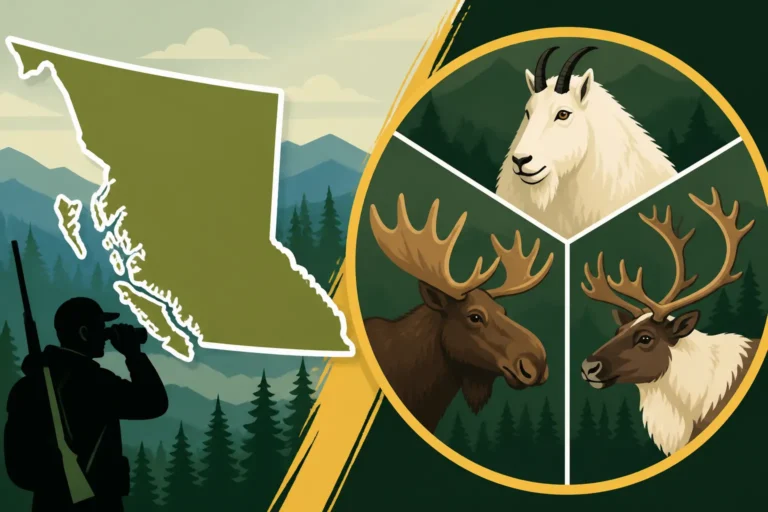
- Sheep and Goat: For those seeking a true mountain hunt, British Columbia is world-renowned for its wild sheep (Bighorn, California Bighorn, Stone's, Dall's) and Mountain Goats. These hunts are physically demanding and often require extensive scouting and backpacking into remote alpine terrain, providing an experience akin to what a caribou hunt once offered. Consider exploring topics like Sheep and Goat Hunting in British Columbia or Backpack Hunting British Columbia's Sheep Country.
By adjusting expectations and focusing on available, sustainable hunting opportunities, hunters can still experience the unparalleled wildness of British Columbia's backcountry.
Planning a Hunt in Potential Caribou Habitat (Even if for Other Species)
While the chances of hunting caribou in British Columbia are slim, the areas they inhabit are still some of the most wild and remote places on earth. If you're planning a hunt for other big game in these northern reaches, the logistics and preparations remain largely the same, requiring significant forethought and robust gear.
Scouting and Accessing Remote Northern British Columbia
Hunting in northern British Columbia, especially in the areas historically associated with caribou, means embracing true wilderness. Access is often limited to remote logging roads, old mining tracks, or requires floatplane or jet boat access. Many of these areas fall within the Skeena or Omineca regions, or the remote northern Rockies. Scouting these areas online using tools like GoHunt (again, for mapping and terrain analysis, not regulations) is a great start, but nothing beats boots on the ground, or at least a good look at satellite imagery and topographical maps. You'll need to understand the network of Forest Service Roads, identify deactivated roads beyond the gate, and be prepared for potential road closures due to weather or industrial activity. Learning about Scouting a British Columbia Management Unit Online is a great initial step.
Air charter services are common for accessing truly remote lakes or rivers, allowing hunters to penetrate deep into the backcountry, often far beyond any road access. Jet boat access on British Columbia rivers is another excellent way to reach secluded areas. This level of remote access demands meticulous planning, especially concerning fuel, supplies, and emergency communications. Cell service is virtually non-existent, making satellite communication on a remote hunt an absolute necessity.
Essential Gear and Preparedness for Northern Hunts
The challenging environment of northern British Columbia requires top-tier gear and a high level of self-sufficiency. Weather can change drastically and quickly, even in late summer or early fall. Hunters should prepare for everything from warm sun to driving rain, snow, and freezing temperatures.
Here’s a snapshot of essential gear considerations:
| Category | Essential Items | Considerations for BC's North |
|---|---|---|
| Clothing | Layered waterproof/breathable outerwear, insulation, sturdy hiking boots | Expect mud, rain, and potential snow. Synthetic or merino wool layers are crucial. |
| Navigation | GPS device, satellite communicator, topo maps, compass | Cell service is rare. Redundancy is key. GoHunt's offline maps can be very useful here. |
| Shelter/Camp | Durable tent (4-season recommended), sleeping bag (0°C to -15°C rating), pad | Protection from wind, rain, and cold. Bear-resistant food storage is a must. |
| Food & Water | High-calorie, non-perishable food, water filter/purifier | Plan for extra days. Access to clean water is usually good but requires filtration. |
| Safety | First-aid kit, bear spray, signaling devices (flare, whistle), fire starter | Grizzly bears are present. Comprehensive first aid and emergency planning are non-negotiable. |
| Hunting Tools | Reliable rifle/bow, optics (spotting scope, binos), knives, game bags | Practice shooting positions, especially for steep terrain. |
| Packing Out | Frame pack, strong game bags | Be prepared to pack heavy loads over rough terrain. Getting Meat Out of Steep British Columbia Country is a real challenge. |
Always have an emergency plan in place, and share your detailed itinerary with someone reliable back home. Emergency Planning in British Columbia's Backcountry isn't just a suggestion, it's a fundamental requirement. These are wild places, and being unprepared can have serious consequences.
Disclaimer
The information provided in this article is for general guidance only and is not a substitute for the official British Columbia Hunting Regulations Synopsis. Regulations can change at any time. Always consult the most current official synopsis and relevant government websites before planning any hunting activity in British Columbia. It is the hunter's responsibility to know and follow all applicable laws and regulations.