Which Moose Hunts Are Draw Only
It's incredibly frustrating when you're dreaming of a British Columbia moose hunt, pouring over maps and regulations, only to discover that the prime areas you've pinpointed are entirely contingent on a draw. The complexity of understanding which specific moose hunts are general open season and which require a Limited Entry Hunting (LEH) authorization can feel like trying to solve a puzzle with half the pieces missing. This guide is here to untangle that confusion, walking you through the ins and outs of British Columbia's draw-only moose hunts so you can plan your next big adventure with confidence.
Decoding British Columbia's Moose Hunting Regulations
British Columbia is a vast and wild province, offering incredible hunting opportunities, but it’s also a place where wildlife management is taken very seriously. This means different regulations apply to different species and even specific areas. For moose, a highly sought-after big game animal, the hunting landscape is a patchwork of General Open Seasons (GOS) and Limited Entry Hunting (LEH) zones, which can be a significant point of confusion for hunters, especially those new to the province or focusing on a specific species for the first time.
Why Some Moose Areas Go to Limited Entry
The decision to place certain moose hunts under the Limited Entry Hunting system isn't arbitrary; it's a carefully considered conservation strategy. Wildlife biologists and managers look at several factors, including moose population health, recruitment rates (how many calves survive to adulthood), habitat conditions, and historical hunting pressure. If a particular Management Unit (MU) or region shows signs of declining populations, or if the number of hunters seeking moose in that area is simply too high to sustain healthy numbers with a General Open Season, then LEH becomes the tool of choice. This ensures that the harvest is controlled, preventing overhunting and allowing moose populations to remain robust for future generations. It’s about sustainable hunting, which is something every ethical hunter can get behind, even if it means jumping through a few more hoops. For example, areas with critical winter ranges or recovering populations might strictly implement LEH to protect vulnerable animals.
Where Moose Thrive and Where They Need Management
Moose are widespread across British Columbia's Interior and North, from the vast boreal forests of the Peace Region down through the Cariboo and Omineca. They are magnificent animals, truly iconic to the northern wilderness. Historically, British Columbia's moose populations were incredibly strong, especially in areas like the Omineca. However, in recent decades, some regions have seen declines due to various factors such as habitat change from wildfire, increased predation, and disease. This is precisely why regulations can differ so dramatically from one Management Unit to the next. For instance, you might find a General Open Season for moose in a robust area like parts of the Peace River region, while just a few hundred kilometers south in a different MU, the same species might be entirely draw-only due to local population challenges. Understanding these regional nuances is key to knowing where your efforts are best spent. The province's two-year regulations synopsis is your bible for these details, outlining every open season, bag limit, and LEH opportunity by specific Management Unit.
The Ins and Outs of Moose Limited Entry Hunting
If you’re keen on hunting moose in British Columbia, especially for mature bulls in high-density areas, you absolutely need to understand the Limited Entry Hunting system. It’s not just a suggestion; it’s the only way to hunt moose in many of the province's most desirable or sensitive zones. This is where opportunity meets responsibility, ensuring that coveted tags are distributed fairly while maintaining healthy herds.
Identifying Draw-Only Moose Zones
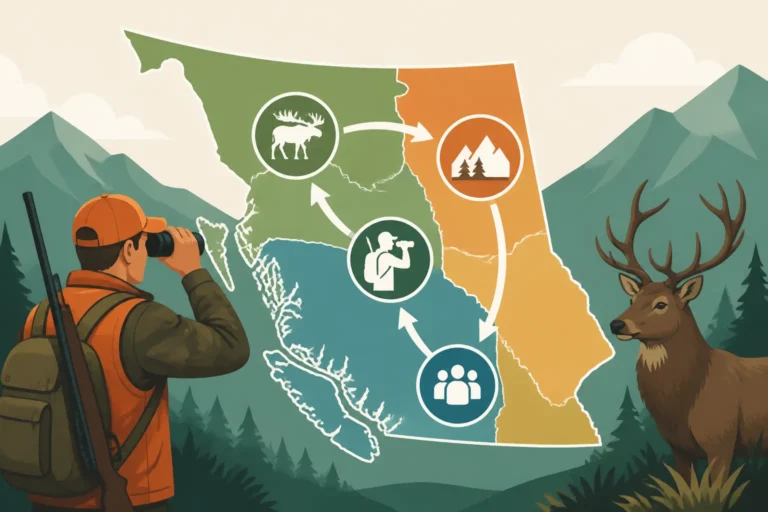
So, which moose hunts are draw-only? The short answer is: many of them, especially for "Any Bull" or specific antler configurations in regions where moose populations are managed more tightly. You'll primarily find LEH for moose in the more accessible parts of the province, or where historically high hunting pressure has necessitated more stringent control. Regions like the Cariboo (Region 5), Omineca (Region 7), Skeena (Region 6), and parts of the Kootenays (Region 4) will often have a significant number of their moose MUs designated as LEH for various bull categories.
It's not just about "Any Bull" tags either. The LEH system can also dictate specific antler restrictions, such as "spike-fork bull" or "3-point or greater" in certain MUs. These specific rules are designed to target certain age classes of bulls, often to protect younger animals or to promote older, larger animals in the herd. For example, you might find an LEH for a "Spike-fork bull moose" in a management unit where the goal is to reduce overall harvest pressure on mature animals while still allowing some opportunity. The key takeaway here is that you absolutely must consult the official British Columbia's Two-Year Regulations Synopsis, as it provides the definitive list of all LEH zones, species, and specific rules, broken down by Management Unit. Tools like GoHunt can help you organize and visualize this data, but the official synopsis is the final word.
The LEH Application Process and Important Dates
Applying for an LEH authorization can feel like a bit of a gamble, but it's a necessary step for many moose hunts. The process typically involves several key stages:
- FWID Requirement: First, you need a British Columbia FWID (Fish and Wildlife ID). This is your unique identifier for all hunting and angling activities in the province.
- Licence Purchase: Before you can apply for an LEH, you need to purchase your basic British Columbia hunting licence and a moose species licence. These are prerequisites for entry into the draw. You can find detailed information on these requirements in our guide on British Columbia Hunting Licences and Fees and British Columbia's Species Licences and Tags.
- Application Period: LEH applications for all species, including moose, generally open in the spring, usually around mid-April, and close in late May or early June. You apply online through the Wild Safe BC website, selecting the specific LEH zones and categories you wish to apply for. It’s critical to remember these deadlines; missing them means missing out on potential draw-only hunts for the entire season.
- Results Release: The results for the LEH draw are typically released in late June or early July. You’ll be notified by email, and you can also check your application status online. If you are successful, your LEH authorization will be linked to your FWID.
- Mandatory Reporting: Whether successful or not, all moose tag holders (including those who drew an LEH) often have mandatory reporting requirements. This ensures wildlife managers have accurate data on harvest success and effort. You can learn more in our article on Mandatory Reporting for Moose Licences.
It’s easy to get lost in the sea of Management Unit numbers and season dates, but understanding How British Columbia's LEH System Works is crucial. Each LEH zone will have specific dates for the hunt, species, and bag limits, all of which are clearly outlined in the synopsis. Don't underestimate the importance of reviewing the regulations thoroughly, as the specific dates for British Columbia Moose Season Dates can vary significantly between regions and LEH categories.
Maximizing Your Chances in the Moose Draw
The odds of drawing a coveted moose LEH tag can sometimes feel daunting, with some prime "Any Bull" hunts having odds of 1 in 50 or even 1 in 100. But don't let those numbers discourage you entirely. There are strategies you can employ to potentially increase your chances and make smart application choices.
Strategic Application Approaches
The first step in any LEH application strategy is thorough research. Don't just pick a unit because it sounds good; dig into the data. Look at historical success rates for the unit, analyze draw odds (which you can often find compiled by third-party services like GoHunt), and understand the specific hunt parameters. Is it an "Any Bull" tag, or is it restricted to "Spike-fork bull moose"? Sometimes, applying for a less restrictive or lower-demand category, even if it’s not your dream hunt, can significantly boost your odds.
Consider applying as an LEH party. While this doesn't increase your odds of drawing, it ensures that if one member of your party draws, everyone in that party draws. This can be a great way to guarantee a hunting trip with your buddies, even if the overall odds are long. Just remember, if one person in the party draws, all members use their draw chance for that species/MU for the year. This is particularly useful for those who want to experience the moose hunt together. You can usually apply with up to four hunters in a party, which is a fantastic option for a group of friends or family.
Finally, don't overlook areas that might be less popular due to challenging access or terrain. While everyone else is applying for the easily accessible MUs, those willing to put in the effort for a remote hunt might find better odds. Our guide on Reading LEH Odds Before You Apply goes into more detail on how to interpret this data effectively.
Beyond the Draw: Scouting and Backup Plans
Even if you meticulously plan your LEH applications, there's always a chance you won't draw a moose tag. This is where having a solid backup plan and a commitment to scouting truly pays off. Many hunters make the mistake of only researching LEH zones and then dropping their plans entirely if they don't draw. Instead, identify promising General Open Season (GOS) opportunities for moose in areas known for decent populations. These GOS areas might require more effort, longer hikes, or different hunting tactics, but they are often still productive.
Effective scouting, both online and in person, is invaluable whether you draw a tag or not. Spend time using online mapping tools, reviewing satellite imagery, and researching past wildfires which can create new moose habitat. Our article on Scouting a British Columbia Management Unit offers excellent strategies. If you successfully draw an LEH moose tag, in-person scouting of your designated Management Unit is absolutely critical. Understand the terrain, locate potential feeding and bedding areas, and identify access points. This pre-season work dramatically increases your chances of success once the hunt begins. Even if your LEH doesn't pan out, the knowledge gained from scouting can be applied to GOS areas, giving you an edge. Remember, moose respond to changes in their environment, and understanding What Wildfire Did to Moose Habitat can give you insights into new opportunities.
| Region Example | Management Unit (MU) | LEH Category Example | Approximate Odds (Past Years) | Season Type | Key Considerations |
|---|---|---|---|---|---|
| Cariboo | MU 5-10 | Any Bull | 1:55 | LEH | High demand, good access |
| Omineca | MU 7-20 | Spike-Fork Bull | 1:12 | LEH | Focus on younger bulls, better odds |
| Kootenay | MU 4-05 | Any Bull | 1:90 | LEH | Very low odds, remote terrain |
| Skeena | MU 6-04 | Calf Moose | 1:5 | LEH | Harvest management, highest odds |
| Peace | MU 7-50 | 3-Point or Greater | 1:25 | LEH | Focus on mature animals, good population |
Note: The odds and unit examples above are illustrative and do not reflect current or guaranteed draw odds. Always consult the official BC Hunting & Trapping Regulations Synopsis for the most accurate and up-to-date information.
Essential Planning for Your British Columbia Moose Hunt
Whether you're holding a coveted LEH moose tag or planning to pursue a general open season opportunity, a successful British Columbia moose hunt demands meticulous preparation. It's more than just knowing which moose hunts are draw-only; it's about being ready for everything the rugged BC wilderness can throw at you.
Licensing, Gear, and Physical Preparation
Beyond your FWID and moose species tag, ensure all your other licensing is in order. If you're coming from out of province or another country, you'll need to understand British Columbia's specific requirements for non-residents, which often involve a certified guide or a Permit to Accompany Explained. Don't forget essentials like a federal migratory game bird permit if you plan to combine your big game hunt with waterfowl hunting, although that's less common for moose.
When it comes to gear, moose country is often wet, rugged, and remote. Invest in quality raingear that actually works, durable boots, and layering systems that can handle dramatic temperature swings. A reliable GPS device, a satellite messenger (as cell service is often non-existent in moose habitat), and a comprehensive first-aid kit are non-negotiable. Furthermore, moose are large animals, and packing one out from the backcountry is a monumental task. Physical fitness is paramount. Whether you're successful in a draw-only hunt or pursuing a GOS animal, you need to be prepared for strenuous physical activity, potentially over multiple days. Practice packing heavy loads, hiking steep terrain, and maintaining endurance. It will make the difference between a successful, enjoyable hunt and a miserable, potentially dangerous one.
Navigating the Backcountry and Meat Care
Moose habitat in British Columbia often means dense timber, willow flats, and swampy areas, especially in the Interior and Northern regions. Access can be challenging, relying on logging roads that may be deactivated or requiring ATV or even boat access. Understanding Finding Open Forest Roads in British Columbia and how to navigate them is vital. Once you're off the main access routes, you're truly in the backcountry. This means being proficient in navigation, having a plan for bear safety while Hunting in British Columbia, and being self-sufficient for the duration of your trip. Consider taking a wilderness first aid course before heading out.
One of the biggest challenges after a successful moose hunt is meat care. Moose are massive animals, and getting the meat cooled quickly and processed correctly is crucial, especially in British Columbia's warm early seasons. You'll need a solid plan for quartering the animal in the field, keeping it clean, and getting it out. This often involves significant physical labour, potentially multiple trips, or specialized equipment like game carts or pack horses. For example, if you manage to harvest a moose near a water body, knowing how to approach Getting a Moose Out on a British Columbia River can be a game-changer. Don't underestimate the sheer volume of meat and bone. A mature bull moose can easily weigh over 1,000 pounds, yielding hundreds of pounds of delicious, hard-earned meat. Knowing how to efficiently quarter and pack out your animal is a skill every moose hunter must possess.
Disclaimer
The information provided in this guide is for general informational purposes only and does not constitute legal advice. Hunting regulations in British Columbia are subject to change, and it is the hunter's responsibility to consult the official BC Hunting & Trapping Synopsis and all relevant provincial and federal regulations before planning or undertaking any hunting activity. Always confirm season dates, bag limits, and specific Management Unit rules with the most current official sources.