British Columbia Youth Hunting Rules
It can feel overwhelming trying to navigate the rules and regulations when you're excited to introduce the next generation to the joys of hunting in British Columbia. Many parents and guardians feel a mix of anticipation and apprehension, worried about doing everything right and ensuring their young hunter has a safe, legal, and truly memorable experience. This comprehensive guide is here to break down British Columbia's youth hunting rules, making the path clear for aspiring young conservationists and their mentors.
Understanding the Foundation: Age and Licensing Requirements
Starting a young hunter off on the right foot means understanding the fundamental requirements around age, training, and initial licensing. British Columbia has clear guidelines designed to ensure safety and responsible participation, laying a solid groundwork for a lifetime of ethical hunting.
Minimum Age to Start Hunting in British Columbia
The journey into hunting in British Columbia can begin quite early, but with appropriate safeguards. While there isn't a strict "minimum age to carry a firearm," per se, the foundational requirement for any hunter, regardless of age, is to obtain a Firearms Safety Course and Hunter Education (CORE) certificate and then register for a Fish & Wildlife ID (FWID).
For youth under 18 years old, the provincial regulations stipulate that they cannot purchase a hunting licence on their own. Instead, they hunt under the direct supervision of a fully licensed adult who is at least 18 years of age. This means a child can accompany an adult on a hunt and even participate in the take of an animal, provided they meet specific training requirements. Typically, youth can take the CORE exam from around the age of 10-12, though this is often at the instructor's discretion and dependent on the child's maturity and ability to understand the material. It's really about ensuring they grasp the critical safety concepts. The moment they pass the CORE exam and obtain their British Columbia FWID, they can start accumulating hunter education points, which can be beneficial for future Limited Entry Hunting (LEH) applications. It’s a wonderful way to begin building that connection to the outdoors, even before they’re old enough to hold their own licence.
British Columbia's Mandatory CORE Exam
The Conservation and Outdoor Recreation Education (CORE) program is the bedrock of hunter education in British Columbia, and it's mandatory for almost everyone seeking a hunting licence. For youth, taking the CORE exam is their first big step toward becoming independent hunters. The course covers a wide array of topics, from firearm safety, hunting ethics, wildlife identification, and conservation principles, to basic survival skills and rules of the road.
Youth hunters will typically attend an in-person course, which usually involves several days of instruction followed by a written exam and a practical firearms handling test. This hands-on component is crucial, especially for young people who may be handling firearms for the first time. Instructors go through safe gun handling, identifying different types of firearms, ammunition knowledge, and range etiquette. For the practical exam, they’ll demonstrate safe loading, unloading, carrying, and storage. While there are online options for adult refreshers, the initial CORE certification, especially for younger participants, is best done with a certified instructor. This ensures they receive direct feedback and can ask questions in a supportive environment. Successfully passing this exam is not just about getting a piece of paper; it's about instilling a deep respect for wildlife, firearms, and the hunting tradition. Parents often find that going through the British Columbia Hunter Education and CORE process with their kids helps reinforce their own knowledge and sets a great example.
Mentorship and Supervision: The Role of an Adult Hunter
The concept of mentorship is absolutely central to youth hunting in British Columbia. It's not just about an adult being present; it's about active guidance, teaching, and ensuring safety at every turn. The regulations are very specific about what constitutes proper supervision, recognizing that young hunters are still learning and developing their skills.
Direct and Immediate Supervision Rules
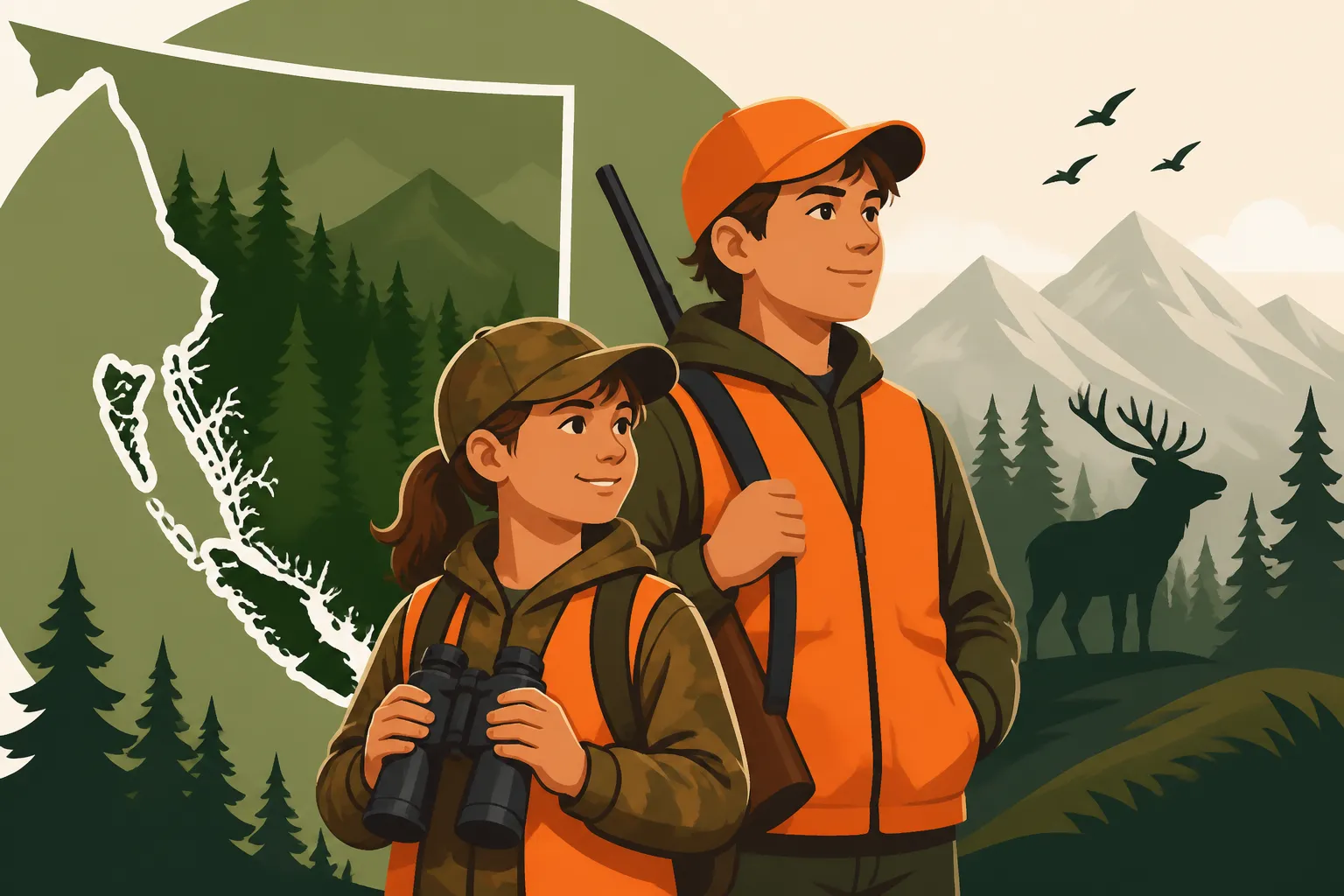
When a youth under the age of 18 is hunting, they must be under the direct and immediate supervision of an adult who is at least 18 years old and holds a valid hunting licence for the current season. What does "direct and immediate supervision" truly mean in the field? It means the supervising adult must be within sight and sound of the youth at all times. They need to be close enough to intervene immediately if there's a safety concern, offer guidance on shot placement, or help identify an animal. This isn't a scenario where the adult drops the youth off at one end of a clearcut and picks them up an hour later. No, it means walking together, discussing the hunt, identifying sign, and actively making decisions as a team.
This level of supervision is paramount for safety. It ensures that the youth is making ethical decisions, knows their target and what's beyond it, and understands the dynamics of hunting in different environments. Imagine a situation where a young hunter might get excited and forget a crucial safety step; the supervising adult is there to gently correct and guide them. This also extends to moments after the shot, ensuring proper tracking, field dressing, and game retrieval are taught correctly from the outset.
Licensing for Supervising Adults
For an adult to act as a supervisor for a youth hunter, they must hold a valid British Columbia Hunting Licences and Fees for the current year. This includes their basic hunting licence and any relevant species licences for the animals being hunted. For example, if a father is taking his son deer hunting, the father must have a valid hunting licence and a valid deer species licence. The youth does not necessarily need their own species tag if they are hunting under the adult's supervision and the adult is using one of their own tags for any animal harvested.
However, it's highly recommended that as soon as a youth is able, they obtain their own species licences. This fosters a sense of ownership and responsibility. The adult supervisor is ultimately responsible for the youth's adherence to all hunting regulations, including bag limits, season dates, and reporting requirements. This means the adult needs to be intimately familiar with the British Columbia's Two-Year Regulations Synopsis for the specific area and species being hunted. They are the primary guardian of both the youth's safety and the legality of the hunt, reinforcing that hunting is a privilege that comes with significant responsibilities.
Species Licences, Tags, and Specific Youth Considerations
While the CORE exam and supervision are foundational, practical hunting involves obtaining the right paperwork for the animals you intend to pursue. British Columbia has a comprehensive system for species licences and tags, and it's important to understand how youth fit into this framework.
Acquiring Species Licences and Tags for Youth
Once a youth hunter has successfully completed their CORE exam and registered for their Getting a British Columbia FWID, they can begin purchasing their own species licences and tags. Unlike the general hunting licence, which requires being 18, youth can purchase species specific tags before they turn 18. This is a crucial step towards becoming an independent hunter. For instance, a 14-year-old with a FWID and CORE certificate can purchase a deer tag or a black bear tag. When they purchase these, they are typically eligible for the same fees as resident adults, though it's always worth checking the current British Columbia Youth and Senior Licences section of the regulations for any specific youth discounts or provisions that might apply.
When a youth harvests an animal with their own species tag, they are subject to the same bag limits and compulsory reporting rules as an adult. This is where platforms like GoHunt can be incredibly useful, allowing families to easily look up specific regulations for their chosen management unit, ensuring they understand season dates and bag limits before heading out. It’s all about teaching them responsibility and adherence to the law from a young age. This process ensures that they are not only participating in the hunt but also actively managing their harvest within the sustainable framework established for British Columbia's wildlife populations.
Legal Firearms and Bows for Youth Hunters
Selecting the right equipment is critical for youth hunters, focusing heavily on safety, comfort, and effective use. British Columbia's regulations specify Legal Rifle Calibres for Big Game and Bow Draw Weight Rules in British Columbia that apply to all hunters, including youth. For firearms, this means ensuring the calibre is appropriate for the game being pursued (e.g., a .22 for grouse, but something like a .243 or 7mm-08 for deer). More importantly, the firearm itself must fit the young hunter. A rifle that is too long, too heavy, or has excessive recoil can lead to poor shooting habits, flinching, and even develop a lifelong aversion to shooting. Many manufacturers now offer youth models with shorter stocks and lighter designs, which can make a huge difference.
For archery, ensuring the bow's draw weight is manageable for the youth is paramount. They must be able to comfortably draw the bow and hold it steadily to make an ethical shot. Starting with a lower draw weight and gradually increasing it as strength develops is a smart approach. Crossbows also have specific legal requirements in BC, which must be met if a youth is considering using one. Regardless of the weapon chosen, extensive practice with the specific equipment is non-negotiable. Time spent at the range, practicing various shooting positions and under different conditions, builds confidence and competence, ensuring that when the moment of truth arrives, the young hunter is prepared to make a clean, ethical harvest.
Practical Tips for a Successful and Safe Youth Hunt
Getting a young person started in hunting is more than just about licences and regulations; it's about cultivating a love for the outdoors, teaching patience, and instilling a strong ethical foundation. Practical planning and a focus on the overall experience are key to fostering a lifelong passion.
Choosing the Right Hunt and Location for Young Hunters
The success of a youth hunt isn't just measured by a full freezer; it's about the quality of the experience. When planning, consider hunts that offer a good chance of success without being overly strenuous or requiring extreme patience right off the bat. Small game hunting, like pursuing grouse in an alder bottom or ptarmigan in the alpine, can be excellent introductions. These hunts often involve more frequent action and less pressure, allowing the youth to focus on basic tracking, shooting skills, and observation.
For big game, consider locations known for healthy populations and easier access. Hunting a British Columbia Cutblock Edge or a Hunting an Interior Grassland Bench might offer better opportunities for spotting game from a shorter distance compared to deep wilderness excursions. Using tools like GoHunt can help identify management units with good access and historical harvest data, guiding you toward areas that are more beginner-friendly. Scouting beforehand is also invaluable. Knowing the terrain, potential game trails, and safe shooting lanes will make the actual hunt much smoother and more enjoyable for a young person. The goal is to build excitement and positive memories, not exhaustion or frustration.
Fostering a Lifelong Passion: Beyond the Harvest
While harvesting an animal is a part of hunting, it's crucial to teach young hunters that the experience encompasses so much more. Focus on the journey: the quiet moments in the woods, the tracking of fresh sign, the thrill of seeing wildlife, and understanding the intricate ecosystem. Emphasize conservation and the hunter's role in wildlife management. Talk about habitat, animal behaviour, and the importance of ethical shot selection and game recovery. This instills a deeper appreciation for the animals and the land.
Encourage them to participate in every aspect of the hunt, from planning and preparing gear to Field Dressing in British Columbia's Wet Weather and packing out meat. Teach them about British Columbia Blaze Orange and Safety Rules, Bear Safety While Hunting in British Columbia, and Emergency Planning in British Columbia's Backcountry. Let them choose their calls, help glass for game, and assist with navigation. The moments spent together, learning and sharing stories, are what truly build a passion that lasts. A successful hunt might be one where no animal is taken, but the young hunter learns something new, enjoys nature, and strengthens their bond with their mentor. It's about developing responsible stewards of our natural resources, ensuring they grow into ethical hunters who understand the privilege and responsibility they carry.
Here's a quick summary table of key youth hunting rules:
| Requirement | Detail | Age Considerations |
|---|---|---|
| FWID | Fish & Wildlife ID number, mandatory for all hunters. | Can be obtained by youth after passing CORE. |
| CORE Exam | Conservation and Outdoor Recreation Education, mandatory for first-time hunters. | Youth can typically take from 10-12 years old, depending on maturity/instructor. |
| Hunting Licence | General Resident Hunting Licence. | Youth under 18 cannot purchase their own; must hunt under adult supervisor's licence. |
| Species Licences | Tags for specific game animals (e.g., deer, bear). | Youth with FWID and CORE can purchase their own tags. |
| Supervision | Direct and immediate supervision by a licensed adult (18+). | Mandatory for all youth hunters under 18 years old. |
| Equipment | Legal calibre/draw weight, appropriate fit for youth. | Focus on manageable recoil, proper fit, and extensive practice. |
| Reporting | Mandatory harvest reporting for all tagged animals. | Youth with their own tags must report their harvest. |
Disclaimer
Please remember that hunting regulations in British Columbia can change. While this guide aims to provide accurate and up-to-date information, it is your responsibility to consult the official BC Hunting and Trapping Regulations Synopsis, available annually from the provincial government, for the most current and legally binding rules before planning any hunt. This article is for informational purposes only and should not be considered legal advice.