British Columbia Blaze Orange and Safety Rules
One of the biggest anxieties many hunters, especially those new to the sport or visiting from other regions, face is ensuring they're compliant with all the rules and, more importantly, staying safe in the field. British Columbia's vast and diverse landscapes offer incredible hunting opportunities, but they also demand a high degree of responsibility and adherence to specific safety regulations. This comprehensive guide will walk you through the critical blaze orange requirements and other essential safety protocols to ensure your hunting experience is as safe and successful as possible.
The Undeniable Importance of Blaze Orange in British Columbia Hunting
Wearing blaze orange isn't just a suggestion; it's a critical safety measure rooted in decades of accident prevention data. It’s designed to make you highly visible to other hunters, dramatically reducing the risk of being mistaken for game. While some traditions or personal preferences might lean towards camouflage, the provincial regulations are clear on its necessity, especially during general open seasons.
The Core Purpose: Enhancing Hunter Visibility
Imagine yourself still-hunting through dense timber or carefully stalking an animal across an open hillside. The last thing you want is to be mistaken for game by another hunter. Blaze orange, sometimes called hunter orange or safety orange, is specifically engineered to stand out against natural backgrounds. Its unique wavelength is highly visible to the human eye, even in low light conditions, fog, or dense cover, where natural colors blend in. Deer, moose, and other ungulates, however, have dichromatic vision, meaning they see in fewer colors than humans. While they can perceive differences in brightness and shades, they don't see orange as a vibrant, contrasting color; it appears as a duller shade of yellow or grey, similar to how they perceive other non-threatening elements in their environment. This is the scientific basis for its effectiveness: it’s a beacon to fellow humans, but largely invisible to the animals you're pursuing.
Dispelling Misconceptions: Does Orange Spook Game?
This is a common concern, especially for those who spend a lot of time perfecting their camouflage patterns. The scientific consensus and decades of hunter experience in areas with blaze orange mandates strongly suggest that it does not spook game. As mentioned, deer, elk, and moose lack the necessary cone cells in their eyes to distinguish the bright orange spectrum. Instead, they see it as part of the greyscale, often blending in with the browns and greens of the forest or appearing as a neutral, dull colour. Their primary senses for detecting danger are scent and sound, not a specific color. Therefore, your movement, scent, and noise are far more likely to alert an animal than the colour of your jacket or hat. Many successful hunts occur every year with hunters wearing full blaze orange, proving its minimal impact on game behaviour while providing maximum human safety.
Beyond Personal Safety: Contributing to a Safer Hunting Culture
Wearing blaze orange isn't just about protecting yourself; it's a communal responsibility that fosters a safer, more ethical hunting environment for everyone. When every hunter adheres to these visibility standards, it creates a collective sense of security and trust in the field. It reduces anxieties about encountering unknown figures in the bush, allowing everyone to focus on their hunt and enjoy the experience. This shared commitment to safety reinforces the public image of hunting as a responsible, regulated activity, rather than a dangerous or reckless pursuit. It's a visible sign of respect for other hunters and for the non-hunting public who might be sharing Crown land for other recreational activities. By embracing blaze orange, hunters actively participate in a culture of safety that benefits the entire outdoor community.
Deciphering British Columbia's Blaze Orange Mandates
British Columbia's regulations are quite specific about when and how blaze orange must be worn. These rules are laid out clearly in the provincial Hunting and Trapping Synopsis, which every hunter should review thoroughly before heading out. Ignorance of the rules is not an excuse, and compliance is mandatory for safety.
Minimum Requirements: What You Absolutely Need to Wear
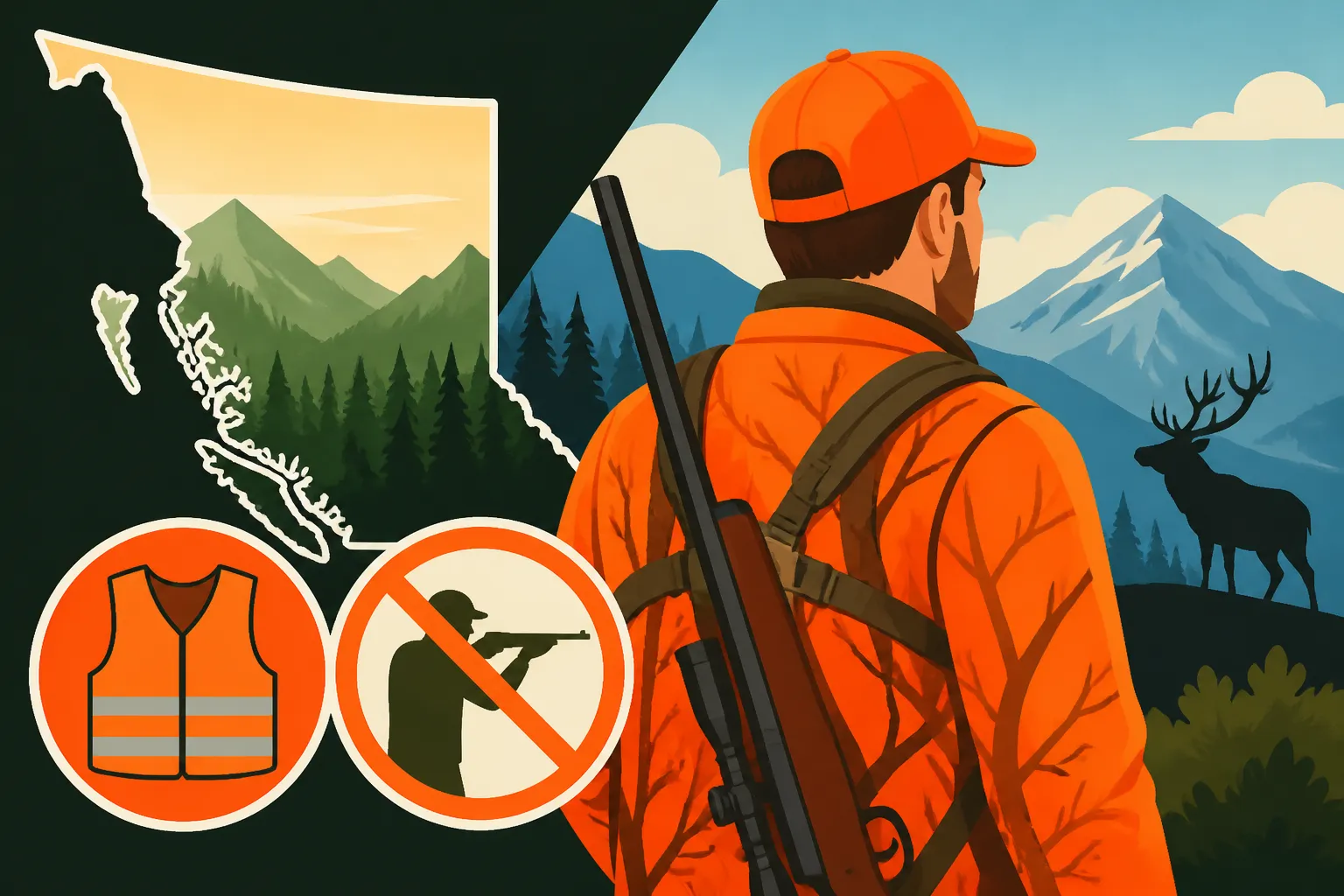
The foundational rule in British Columbia is that hunters must wear outer clothing in solid daylight fluorescent orange (blaze orange) that is visible from all directions. This isn't just a small patch; it needs to be substantial. Specifically, you must wear a minimum of 400 square inches of blaze orange material. This material should be prominently displayed on your upper body, and crucially, it must be visible from both the front and the back. This typically means a vest, jacket, or coat. A blaze orange hat is an excellent addition, as it provides visibility at a higher point, but it usually doesn't count towards the 400 square inch minimum by itself. This requirement is in effect during any general open season for big game or game birds. Remember, it's about being seen, not just having a splash of orange. For non-residents, understanding these specific nuances is crucial, especially when planning a Rifle Hunting British Columbia's General Open Seasons.
Where and When Blaze Orange is Required
Blaze orange is generally required during any General Open Season (GOS) for big game and game birds. This applies to most hunting situations when a rifle, shotgun, or muzzleloader is being used. However, there are some exceptions. For instance, hunters pursuing certain species with a bow during an archery-only season are generally exempt from blaze orange requirements, as the nature of bowhunting often demands maximum concealment. Similarly, some specific limited entry hunts or very remote, restricted hunts might have different stipulations, so always check the specific regulations for your Management Unit (MU) and target species. It's a complex system, and understanding British Columbia's Management Units and Regions is key to knowing exactly where and when these rules apply. Even if not legally required, many experienced hunters choose to wear a small amount of blaze orange, like a hat or a band around their pack, purely for safety when hiking in and out of their hunting areas, especially on busy weekends. If you're using a tool like GoHunt for your planning, it can often highlight specific regulations per area, making it easier to confirm the requirements.
Practical Considerations for Gear and Layering
When selecting your blaze orange gear, think practical. A simple vest that goes over your existing hunting jacket is often the most versatile option. Look for vests with good ventilation to prevent overheating, and ensure they are durable enough to withstand brush and snags. Layering is key in British Columbia's unpredictable weather. You'll want a blaze orange layer that can be comfortably worn over varying thicknesses of clothing, from a light base layer on a warm September day to a heavy insulated jacket in late fall. Modern fabrics often offer quiet, waterproof, and breathable options. Companies like Sitka Gear or Kuiu offer some excellent layering systems, though the blaze orange aspect typically comes from an outer shell or vest. Don't forget an orange hat – a beanie for cold weather or a ball cap for milder days – to maximize visibility, especially if you're traversing uneven terrain or thick brush where your body might be obscured.
Essential Hunting Safety Protocols Beyond Just Color
While blaze orange is undeniably vital, it's just one piece of the larger hunting safety puzzle. A responsible hunter understands that safety extends to every aspect of their preparation and time in the field. It’s about cultivating habits that protect not only yourself but also everyone else in the wilderness.
Fundamental Firearm Handling and Muzzle Control
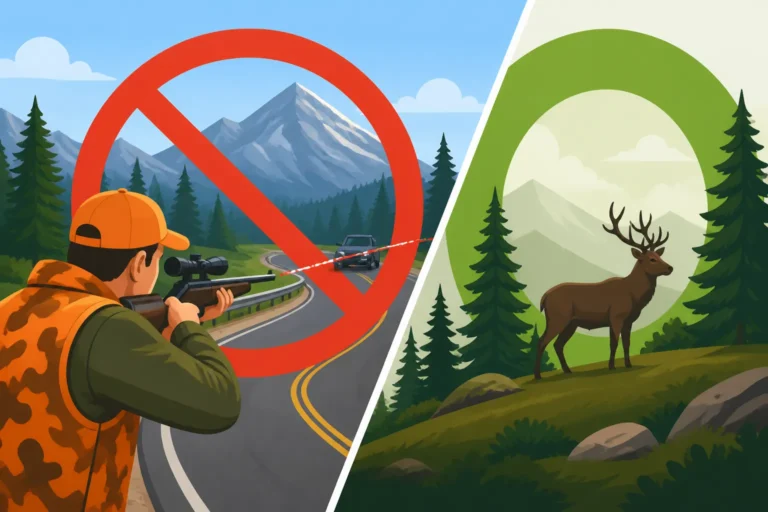
The fundamental rules of firearm safety are paramount, regardless of what or where you are hunting. Always treat every firearm as if it's loaded. This is the cardinal rule, and it prevents countless accidents. Muzzle control is equally critical: always point your firearm in a safe direction, never at anything you don't intend to shoot. This means keeping the muzzle pointed up, down, or towards the ground, away from yourself and others. Keep your finger off the trigger until you are ready to shoot, and ensure the safety is engaged until the moment you acquire your target. Furthermore, always be absolutely sure of your target and what lies beyond it. This is where judging your target species comes in, whether it's Judging a Four-Point Mule Deer Buck or identifying a bear. Never shoot at sound or movement in the brush; positively identify your target before pulling the trigger. Practice these habits until they are second nature, whether you're at the range or in the field.
Planning and Communication for British Columbia's Diverse Terrain
British Columbia's terrain can be incredibly challenging, from dense coastal rainforests to rugged interior mountains. Thorough planning and reliable communication are not optional; they are life-savers. Before you even leave home, share your hunting plan with someone reliable who isn't joining you. This plan should include your exact hunting location, the trails or routes you intend to take, your expected return time, and contact information for your hunting partners. Carry appropriate maps, a compass, and a GPS device, and know how to use them. Cell service is unreliable, if not completely absent, in much of BC's backcountry. Invest in a satellite communication device like a Garmin inReach or a Zoleo. These devices allow you to send and receive text messages, share your location, and, most critically, send an SOS signal in an emergency, even when out of cell range. Understanding how to use Satellite Communication on a Remote Hunt can literally be the difference between life and death.
Bear Awareness and Wildlife Encounters
Hunting in British Columbia means sharing the wilderness with a host of other wildlife, including black bears and grizzly bears. Encounters are inevitable, and being prepared is essential. Carry bear spray on your hip, readily accessible, and know how to use it effectively. While firearms can be a last resort, bear spray is often the more effective deterrent in sudden close encounters. Make noise while hiking, especially in dense brush, to avoid surprising a bear. Be aware of signs of bear activity, such as scat, tracks, or recent digging. If you encounter a bear, remain calm, speak in a low voice, and avoid direct eye contact. Make yourself appear large. If a bear charges, deploy your bear spray when it's within 10-15 meters. Familiarize yourself with Bear Safety While Hunting in British Columbia, as specific responses vary depending on the bear species and its behavior.
Navigating the Legal Landscape of BC Hunting Safety
Hunting in British Columbia is a privilege, not a right, and it comes with a strict framework of laws and regulations designed to ensure safety, conservation, and ethical practices. Understanding this legal landscape is as important as knowing your firearm.
Understanding the British Columbia Hunting Regulations Synopsis
The British Columbia Hunting and Trapping Synopsis is your bible. This document, published every two years by the Ministry of Forests, contains all the rules, regulations, season dates, bag limits, and legal requirements for hunting in the province. It details everything from blaze orange mandates to antler point restrictions like British Columbia's Four-Point Antler Restriction. You can find it online on the provincial government website or pick up a physical copy at most outdoor retailers or sporting goods stores. It's not a light read, but every hunter, resident or non-resident, is legally responsible for knowing and abiding by its contents. Before each season, sit down with the latest synopsis, cross-reference it with your planned hunting area and species, and highlight any changes or specific rules that apply to your hunt. GoHunt's platform often integrates this data, making it a valuable tool for quick reference and cross-checking before you head out.
The Role of the FWID and Hunter Education
To legally hunt in British Columbia, you first need a valid Fish and Wildlife ID (FWID). This unique identifier is essential for purchasing your hunting license and tags. To obtain an FWID, most residents must successfully complete the Conservation and Outdoor Recreation Education (CORE) program or demonstrate equivalent hunter training from another jurisdiction. The CORE exam covers firearm safety, wildlife identification, conservation principles, and, crucially, a thorough understanding of hunting regulations and ethical conduct in British Columbia. This program is designed to ensure that all hunters possess a foundational knowledge of responsible hunting practices. For non-residents, depending on your home jurisdiction's hunter education, you may need to complete an online equivalency course or submit proof of your existing certification. Detailed information on Getting a British Columbia FWID is available through the provincial government.
Penalties for Non-Compliance and Violations
The Ministry of Forests, Lands, Natural Resource Operations and Rural Development (FLNRORD) takes hunting violations very seriously. Penalties for non-compliance with blaze orange requirements, firearm safety rules, or any other hunting regulation can range from substantial fines to hunting license suspensions, seizure of equipment (including firearms and vehicles), and even jail time for severe offenses. For example, failing to wear sufficient blaze orange could result in a fine, but a more serious firearm safety violation, such as discharging a firearm carelessly or pointing it at another person, carries much more severe consequences. These penalties are designed not only to punish offenders but also to deter others and maintain the integrity and safety of hunting in the province. Always adhere to the rules, and if you witness a violation, consider reporting it to the Report All Poachers and Polluters (RAPP) line.
Special Safety Considerations for British Columbia's Unique Hunting Environments
British Columbia is a land of extremes, and hunting safety must adapt to its varied and often challenging environments. What works in the interior grasslands might not be sufficient for a hunt on the wet coast or in the high alpine.
Backcountry Hunts and Emergency Preparedness
Venturing into British Columbia's vast backcountry requires an elevated level of safety planning. You're often days, if not weeks, from immediate assistance. Beyond satellite communication, a robust emergency kit is crucial. This should include a well-stocked first-aid kit capable of handling trauma and common backcountry ailments, emergency shelter (tarp, bivy sack), fire starting tools, extra food and water purification, and signaling devices (whistle, mirror, possibly flares). Inform yourself about Emergency Planning in British Columbia's Backcountry. Always carry enough supplies for an extra day or two beyond your planned trip duration, as weather changes or unforeseen events can easily delay your return. Physical fitness is also a major safety factor; traversing steep, rugged terrain while carrying a heavy pack requires significant stamina and resilience. Prepare your body as diligently as you prepare your gear.
Hunting in Mixed-Use Areas and Near Settlements
Many hunting areas in British Columbia are not pristine wilderness but rather mixed-use landscapes, with logging roads, recreational trails, active industrial operations, and sometimes even proximity to rural settlements. This demands heightened situational awareness. Be extra vigilant for other outdoor enthusiasts – hikers, mountain bikers, ATV riders, and even dog walkers. Assume there might be others around, even if you haven't seen them. Always confirm your backstop and beyond, as stray rounds can travel far and have devastating consequences in populated areas. Be respectful of private property boundaries, even if they aren't clearly marked. Use mapping tools like those available through GoHunt to identify property lines and ensure you’re not trespassing. Understand British Columbia Trespass and Private Land Law to avoid accidental violations. Keeping noise down and being generally discreet also helps maintain positive relations with non-hunters and landowners in these sensitive zones.
Adapting to Adverse Weather Conditions
British Columbia's weather can shift dramatically and rapidly, especially in mountainous regions. What starts as a clear, crisp morning can quickly turn into a torrential downpour, heavy snow, or dense fog. Hypothermia is a real and dangerous threat. Dress in layers made of synthetic or wool materials, which retain insulating properties even when wet. Always carry waterproof and windproof outer layers. Learn how to identify and treat the early signs of hypothermia in yourself and your partners. In low visibility conditions like heavy fog or snowfall, your blaze orange becomes even more critical for fellow hunters. Consider pausing your hunt if visibility becomes too poor to safely identify targets or navigate. Understanding Weather Windows in British Columbia's Mountains is key for both safety and successful hunting.
Promoting Responsible and Ethical Hunting Practices
Beyond the legal minimums and the obvious safety precautions, ethical hunting forms the bedrock of our shared outdoor heritage. It encompasses a deep respect for the animals we pursue, the land we traverse, and the communities we live alongside.
Respecting Property, Fellow Hunters, and the Public
A key aspect of responsible hunting is showing respect. This means respecting private property by always asking for permission before entering, or by clearly understanding access rules for industrial timberlands. It means respecting fellow hunters by not crowding their space, not disrupting their hunt, and being courteous at trailheads or camp. It also means respecting the non-hunting public by being mindful of your actions, noise, and presence in areas where others recreate. Leave no trace, pack out all your garbage, and leave the land cleaner than you found it. This simple act goes a long way in fostering positive public perception and safeguarding future hunting access.
Safe Meat Handling and Field Care
The responsibility of a hunter extends well beyond the moment of harvest. Proper field dressing and meat care are crucial for both food safety and respecting the animal. In British Columbia's early seasons, temperatures can still be warm, which means you need to prioritize cooling the meat quickly. Get the hide off as soon as possible and quarter the animal to allow air circulation. Hang the meat in breathable game bags, out of direct sunlight, and in the coolest available spot. If you’re far from your vehicle, Packing Out of British Columbia's Steep Country requires good planning and a robust frame pack. Always carry sufficient game bags, rope, and a sharp, clean knife. Wasting game meat is an ethical violation and, in many cases, a legal one. Take pride in preserving every usable portion of your harvest.
Mentorship and Passing on Safety Knowledge
Hunting is a tradition passed down through generations, and with it, the responsibility to instill strong safety ethics. If you're an experienced hunter, take the time to mentor new hunters, youth hunters, or those visiting British Columbia for the first time. Share your knowledge about safe firearm handling, responsible navigation, the importance of blaze orange, and the nuances of the provincial regulations. Encourage them to take the CORE course seriously and to always prioritize safety over success. By acting as positive role models, we strengthen the hunting community, ensure the perpetuation of safe practices, and uphold the highest standards of our sport for future generations.
| Blaze Orange Requirement | Details | Notes |
|---|---|---|
| Minimum Area | At least 400 square inches of solid daylight fluorescent orange (blaze orange). | Must be clearly visible from both front and back. |
| Placement | On the upper body (e.g., vest, jacket, coat). | A hat is recommended but typically doesn't count towards the 400 sq. inches. |
| When Required | During any General Open Season for big game or game birds. | Always check specific Management Unit regulations for exceptions or additional requirements. |
| Exemptions | Generally, not required for archery-only seasons for certain species. Some specific LEH hunts may differ. | Always verify current regulations in the BC Hunting and Trapping Synopsis. |
| Visibility | Material must be "daylight fluorescent orange" – no camouflage patterns within the orange. | Designed to maximize visibility to other human hunters, not visible to big game in the same way. |
| Purpose | Primary purpose is to prevent mistaken identity hunting accidents by making hunters easily identifiable. | A critical component of a safe hunting culture in British Columbia. |
Disclaimer
The information provided in this guide is for general informational purposes only and does not constitute legal advice. Hunting regulations in British Columbia can be complex and subject to change. Every hunter is solely responsible for consulting the most current British Columbia Hunting and Trapping Synopsis and understanding all applicable laws and regulations before engaging in any hunting activities. Always prioritize safety and ethical practices in the field.