British Columbia’s Grizzly Bear Closure
The decision to close British Columbia's grizzly bear hunt sent shockwaves through the hunting community, leaving many with questions, frustrations, and a sense of uncertainty about the future of wildlife management in our province. It's a complex issue, steeped in emotional debate and scientific discussion, and understanding how we got here, what it means today, and where we might be headed is crucial for every hunter and outdoor enthusiast. This guide will delve deep into the nuances of the grizzly bear closure, exploring its history, current regulations, and the wider implications for conservation and hunting in BC.
The History and Rationale Behind the Closure
For generations, hunting grizzly bears was a tradition for many, deeply ingrained in the culture of British Columbia. It was seen by some as a regulated management tool and a significant draw for non-resident hunters. However, over time, the public perception and scientific understanding of these magnificent animals began to shift, laying the groundwork for a monumental change.
Shifting Public and Political Landscape
The conversation around grizzly bears in British Columbia has always been passionate, but in the years leading up to the closure, public sentiment began to lean heavily towards greater protection. Animal welfare groups, environmental organizations, and a growing segment of the general public voiced strong opposition to the hunt. The narrative often focused on the ethical implications of trophy hunting, regardless of whether the meat was consumed. This mounting pressure created a significant political challenge for the provincial government. It wasn't just about hunter numbers or biological data; it became a broader societal discussion about how we value and interact with iconic wildlife. The political will to maintain the hunt eventually eroded under the weight of this widespread public outcry, culminating in a significant policy shift. It illustrated a broader trend where public perception, sometimes fueled by social media and emotional campaigns, can heavily influence wildlife management decisions, even when traditional management frameworks are in place.
Scientific Debate and Population Concerns
Alongside the public pressure, there was an ongoing scientific debate regarding grizzly bear populations and their long-term viability in various regions of the province. While the provincial government's official stance for many years was that grizzly populations were stable and sustainable for hunting across much of BC, independent researchers and some conservation groups presented data that suggested more localized vulnerabilities. Concerns were raised about habitat fragmentation, road access, and the potential impact of climate change on grizzly survival. The uncertainty in some population estimates, particularly in more remote or less studied areas, became a point of contention. While the hunt was often defended as being based on sound science and conservative quotas, the mere existence of a "debate" allowed those opposed to the hunt to cast doubt on its sustainability. Ultimately, the decision to close the hunt was presented as a response to both public demand and an acknowledgment of the need for greater conservation certainty, even if the scientific community wasn't entirely unified on the urgency of a province-wide ban. It's a prime example of how scientific data, even when robust, can be interpreted and leveraged differently depending on the prevailing political and public sentiment.
Understanding the Current Regulations for Grizzly Bears in BC
Since the closure in December 2017, the landscape for grizzly bears in British Columbia has fundamentally changed for hunters. The regulations are now clear, and it’s important for anyone venturing into the backcountry to understand what is and isn't allowed.
No Hunting Allowed for Grizzlies
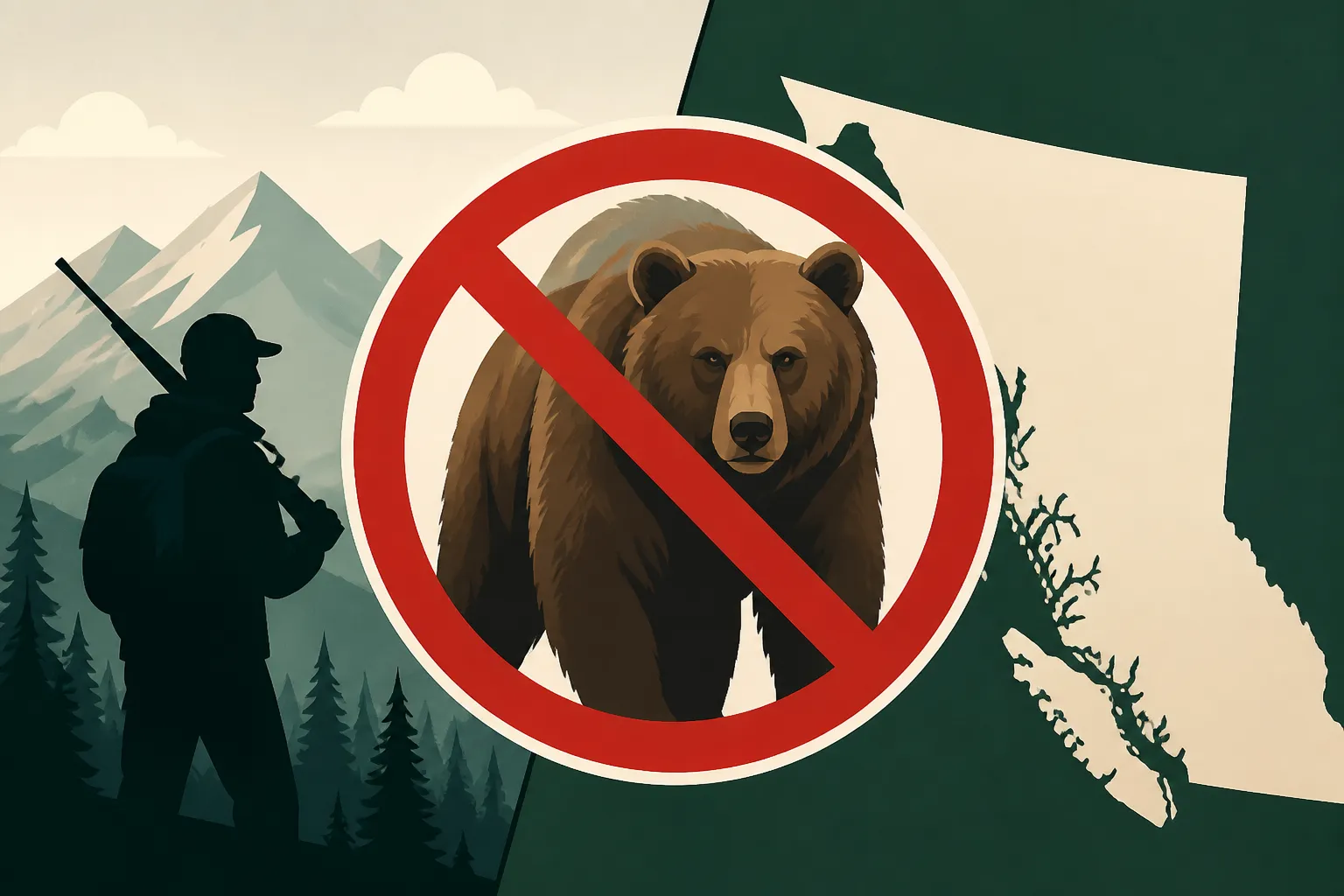
Let's be absolutely clear: there is no open season for hunting grizzly bears anywhere in British Columbia for residents or non-residents. This isn't a temporary pause or a restricted draw; it is a full, province-wide closure. This means that if you encounter a grizzly bear while out hunting for other species, like moose or deer, you cannot legally harvest it. This contrasts sharply with the regulations for black bears, where hunters still have opportunities under specific season dates and bag limits, as detailed in guides like British Columbia Black Bear Hunting British Columbia's Spring or Fall Bear Season Dates by Region. The only exception to the no-hunting rule for grizzlies would be in a genuine self-defense scenario, which is a very serious legal matter and requires immediate reporting to the Conservation Officer Service. Hunters must be diligent in their species identification, especially when hunting in areas where both black bears and grizzlies are present, to avoid any accidental harvest that could lead to severe penalties. This requires a solid understanding of bear identification characteristics, which is critical for staying within the law and respecting the closure.
Grizzly Bear Sightings and Coexistence
While hunting grizzlies is no longer permitted, encountering them in the wild is still a very real possibility, especially in many of BC's diverse ecosystems. In fact, understanding how to coexist with these animals safely is now more important than ever for anyone recreating or working in the backcountry. From the dense coastal rainforests to the vast northern interior, grizzlies inhabit large swaths of the province. Areas like the Muskwa-Kechika Management Area or various provincial parks that allow other hunting activities, will certainly see grizzly presence. It's a reminder that we share these wild spaces. If you see a grizzly, the rule of thumb is to maintain a safe distance and never approach the animal. Carrying bear spray and knowing how to use it is highly recommended, as covered in resources like Bear Safety While Hunting in British Columbia. Reporting aggressive encounters or unusual behavior to the Conservation Officer Service is also vital for public safety and ongoing wildlife monitoring. Programs are in place to help prevent human-bear conflicts, particularly in rural and agricultural areas. The overall goal is to foster coexistence, recognizing that these powerful predators are a vital part of BC's natural heritage, even if they are no longer a game species.
The Impact of the Closure on Hunters and Conservation
The grizzly bear hunting closure had ripple effects that extended far beyond the immediate cessation of hunts. It significantly altered the hunting landscape for both residents and non-residents and prompted a re-evaluation of conservation strategies for these animals.
Adjustments for Resident and Non-Resident Hunters
For resident hunters in British Columbia, the closure meant giving up an opportunity that, for many, was a rare and highly prized pursuit, often obtained through the Limited Entry Hunting (LEH) draw system. While the overall number of resident grizzly hunters was relatively small compared to other species, the dream of a grizzly hunt was a powerful motivator for many. Now, that specific goal is no longer available. This shift has prompted some hunters to focus more on other big game species, such as moose, elk, or black bears, which still offer diverse hunting opportunities across the province.
For non-resident hunters, the impact was arguably even more significant. British Columbia was renowned internationally for its grizzly bear hunting, attracting clients from around the globe who invested heavily in guided hunts. These hunts were a substantial source of revenue for many guide outfitters, particularly those operating in prime grizzly habitat in the North and remote Interior. The closure effectively removed a cornerstone of the non-resident big game hunting industry. Outfitters who relied heavily on grizzly hunts had to pivot, focusing more on other species like Stone's sheep, mountain goat, or moose, as explored in articles like British Columbia's Species Licences and Tags. This required significant business adjustments and, in some cases, led to financial hardship. The void left by grizzly hunts is still felt economically in certain regions and among specific guiding operations. Many outfitters now emphasize combination hunts or target different species to maintain their operations.
Conservation Efforts Post-Closure
With the cessation of hunting, the focus of grizzly bear management shifted entirely to conservation, population monitoring, and human-wildlife conflict resolution. The provincial government, in partnership with various stakeholders, continues to monitor grizzly populations through aerial surveys, DNA sampling, and other scientific methods. Organizations dedicated to grizzly conservation, such as the Grizzly Bear Foundation, have also gained prominence, advocating for habitat protection, conflict reduction, and research.
The closure also spurred discussions about habitat connectivity and the impact of resource extraction on grizzly ranges. Projects aimed at restoring or protecting critical grizzly habitat, particularly in areas impacted by logging or mining, have become increasingly important. There's a heightened awareness of the need to understand how human activity affects grizzly movement patterns and breeding success. While the hunt was always framed as a "sustainable use" model, its closure has certainly amplified calls for non-consumptive conservation approaches. The big question that researchers and wildlife managers grapple with, as discussed in What Happened After the Grizzly Hunt Closed, is what the long-term ecological impact of the closure will be on grizzly populations themselves, and how these populations might interact with other species and their environment in the absence of hunting pressure. This ongoing research is critical for informed future management decisions.
Dispelling Myths and Misconceptions about Grizzly Bear Management
The emotional nature of the grizzly bear debate has unfortunately led to a host of myths and misconceptions. Separating fact from fiction is crucial for a clear understanding of their management in British Columbia.
Population Numbers and Habitat Health
One of the most enduring myths is that grizzly bear populations were on the brink of collapse across the entire province, which necessitated the hunting ban. While some localized populations were indeed struggling, particularly in the South Okanagan or other fragmented habitats, the overall provincial estimate, according to the BC government's own data prior to the closure, was a healthy and stable population of around 15,000 bears. However, critics often pointed to the lack of updated data for some specific regions and the methodology used for estimations. It's a complex picture, and the truth lies somewhere in the middle: not all populations were thriving equally, but a complete province-wide collapse was not imminent.
Post-closure, monitoring continues to be a priority. Recent data continues to suggest that overall, the grizzly population remains robust in most areas, with some regions seeing increases, while others remain stable or slowly recover. The health of grizzly populations is inextricably linked to habitat health. Factors like old-growth logging, industrial development, and even wildfire, as detailed in What Wildfire Did to Moose Habitat (and similarly affects bear habitat), can fragment and degrade critical grizzly habitat, regardless of hunting pressure. The real challenge for grizzlies moving forward isn't just about direct mortality, but ensuring they have large, undisturbed areas to live, forage, and reproduce. Access to high-quality food sources, secure denning sites, and minimal human disturbance are paramount. A brand like GoHunt, with its detailed mapping and wildlife analytics, could potentially offer researchers and citizens insights into these habitat factors across various management units, though its primary focus remains on hunting access.
The Role of Indigenous Communities in Management
Another area often misunderstood in the broader discussion is the role of Indigenous communities. First Nations in British Columbia have inherent Aboriginal rights to hunt for food, social, and ceremonial purposes, which are protected under Canadian law. This right often differs from provincial hunting regulations that apply to resident and non-resident hunters. When the grizzly hunt was closed for licensed hunters, the provincial government entered into discussions with various First Nations about their own traditional hunting practices for grizzlies.
Some Indigenous communities have self-imposed bans or restrictions on grizzly hunting within their traditional territories, reflecting their own conservation values and stewardship responsibilities. Others maintain that their rights to harvest grizzlies for sustenance or cultural purposes remain, and these decisions are made at the community level, based on their own traditional knowledge and contemporary conservation science. It's incorrect to assume that a provincial ban automatically applies uniformly to all Indigenous communities. The relationship between the province and First Nations regarding wildlife management is ongoing and complex, based on consultation and collaboration, recognizing the distinct rights and perspectives of Indigenous peoples, as highlighted by resources discussing Rules for First Nations Hunting Rights. This nuanced approach acknowledges a deep historical connection to the land and its wildlife, which predates colonial governance.
Looking Ahead: The Future of Grizzly Bear Management in British Columbia
The closure of the grizzly hunt was a significant policy decision, but it doesn't mean that grizzly bear management is static. Conservation is an ongoing process, and the future will likely see continued adaptation and evolution in how these magnificent animals are managed.
Ongoing Monitoring and Research
British Columbia's commitment to grizzly bear conservation includes robust, ongoing monitoring and research efforts. Wildlife biologists and conservation officers continue to track populations, assess habitat use, and study bear behaviour across the province. This includes collecting DNA samples from hair snags, tracking collared bears, and conducting aerial surveys to estimate population densities in various Management Units. The goal is to build a comprehensive, up-to-date picture of grizzly health and distribution. This data is critical for understanding population trends, identifying potential threats, and informing future management strategies. For example, knowing Where British Columbia's Grizzlies Are Densest allows for targeted conservation efforts or conflict prevention initiatives.
Research also extends to understanding human-bear interactions. Studies focus on the effectiveness of bear attractant management programs, the impacts of road access on bear behaviour, and strategies for reducing conflicts in communities and remote work camps. The knowledge gained from this continuous research feeds into adaptive management plans, ensuring that decisions are based on the best available science. This long-term commitment is vital for ensuring the continued presence of grizzlies across their range in British Columbia.
Potential for Future Policy Changes
While the grizzly bear hunt closure was presented as a permanent decision by the previous government, wildlife policy is rarely set in stone forever. Future governments, or significant shifts in public opinion and scientific understanding, could theoretically lead to a re-evaluation of the current regulations. However, any move to reinstate a hunt would undoubtedly face immense scrutiny and public opposition. Such a decision would require compelling new scientific evidence demonstrating a clear need for population control through hunting, robust public consultation, and potentially new legislative frameworks.
There's also the possibility of further refinements in non-consumptive management. This could include enhanced habitat protection measures, expanded wildlife corridors, or more intensive conflict resolution programs in areas where human-grizzly encounters are increasing. The public mood, scientific consensus, and political landscape are all dynamic elements that shape wildlife policy. Hunters and conservationists alike should stay informed about these discussions, as the future of grizzly bear management in British Columbia will continue to be a topic of passionate debate and evolving strategies. Platforms like GoHunt, while primarily focused on hunting, often provide updates on wildlife policy changes, which could include any future shifts in bear management, making it a valuable tool for staying informed.
Ultimately, the closure was a watershed moment in British Columbia's hunting history, reflecting broader societal shifts in how we view and manage iconic wildlife. While hunting grizzlies is no longer an option, understanding their ecology, ensuring their conservation, and learning to coexist safely remains a critical responsibility for all who venture into BC's wild spaces.
Grizzly Bear Population Estimates by Region (Pre-Closure)
To provide some context on the population numbers that were often discussed prior to the hunting closure, here's a general overview of estimated grizzly bear populations across British Columbia's regions, based on government data before the 2017 ban. It's important to remember these are estimates and can fluctuate.
| Region (Pre-2017) | Estimated Population | Notes |
|---|---|---|
| Skeena Region (Region 6) | 3,800 – 4,200 | Includes vast wilderness areas like the Spatsizi and Stikine Plateau. |
| Peace Region (Region 7) | 3,000 – 3,400 | Northern Rockies Foothills and Boreal Plains. |
| Cariboo Region (Region 5) | 2,000 – 2,400 | Central Interior, including the Chilcotin and Cariboo Mountains. |
| Thompson-Okanagan (Region 3) | 1,500 – 1,800 | Interior Plateau and Monashee Mountains; some fragmented populations. |
| Kootenays (Region 4) | 1,400 – 1,700 | Rocky Mountain Trench and Purcell Mountains. |
| Omineca Region (Region 7) | 1,200 – 1,500 | Central to Northern Interior, including the McGregor Plateau. |
| Coast & Mountains (Region 2) | 1,000 – 1,300 | Great Bear Rainforest, Sea-to-Sky, and South Coast mountains. |
| Vancouver Island (Region 1) | 0 – few individuals | No established grizzly population; occasional transient bears. |
| Total Provincial Estimate | ~15,000 | Overall, most populations considered stable at the time. |
Note: These figures are based on pre-closure estimates and methodologies. Population dynamics are constantly changing, and current figures might vary based on ongoing monitoring and research. Some regions like Omineca and Peace are part of the broader Region 7, but are often broken down for more specific ecological contexts.
Disclaimer
The information provided in this guide is for general informational purposes only and does not constitute legal advice. Hunting regulations, policies, and wildlife management strategies in British Columbia are subject to change. Always consult the most current British Columbia Hunting and Trapping Regulations Synopsis and official government sources before planning any hunting or outdoor activity.