Satellite Communication on a Remote Hunt
It's a familiar ache in the pit of your stomach, isn't it? That gnawing worry that creeps in when you're miles from the nearest road, deep in British Columbia's rugged wilderness, and realize your cell phone is nothing more than an expensive paperweight. Whether you're chasing mule deer in the Okanagan Breaks or glassing for bears on a coastal estuary, the thought of an emergency without a way to call for help is truly unsettling. This guide is all about cutting through that anxiety by exploring how satellite communication devices can be your lifeline on a remote hunt, offering peace of mind when you need it most.
Why Traditional Communication Fails in British Columbia's Backcountry
British Columbia is vast, wild, and incredibly beautiful, but its grandeur often comes with a stark reality: much of it is a communication black hole. That trusty smartphone that keeps you connected to the world daily is often useless a short distance from any major highway or town. This isn't just an inconvenience; it can be a genuine danger when you're facing an unexpected injury, a sudden change in weather, or a critical gear failure.
The Reality of Cell Service Blackouts
You might have a few bars of LTE in the parking lot of your favourite hunting spot, but take a short hike up a ridgeline or drop into a valley bottom, and suddenly you're in a dead zone. Our province's mountainous terrain, dense forests, and sheer remoteness conspire to block cell signals effectively. It's not uncommon to be just a few kilometers from a major road and have absolutely no service. This isn't unique to BC; it's a reality across wild landscapes everywhere, but given the scale of our wilderness, it's particularly pronounced here. Relying on a cell phone for safety in the backcountry is, quite frankly, a gamble you should never take.
Limitations of Two-Way Radios and Line-of-Sight
Many hunters use two-way radios like FRS or GMRS for group communication, and they're fantastic for staying in touch with your buddies in close proximity or within line of sight. However, their range is severely limited by terrain. A small hill or a dense patch of timber can completely block your signal, making them unreliable for communicating over long distances or when separated by significant topographical features. They also don't connect you to emergency services. While great for coordinating a retrieve or checking in with a camp just out of earshot, they're not a substitute for a true emergency communication device.
Understanding Different Satellite Communication Devices
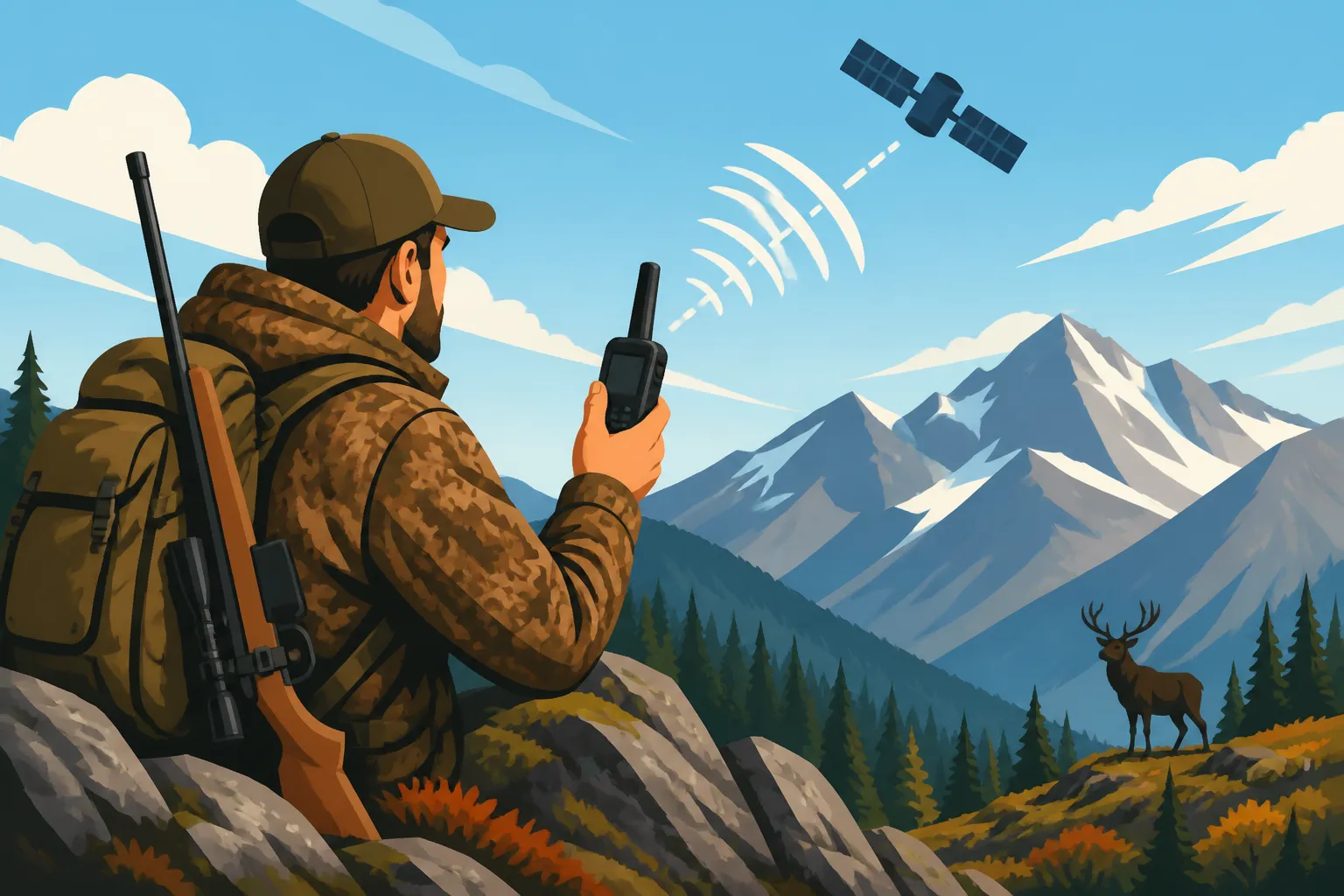
When you're really out there, beyond the reach of cell towers and shouting distance, satellite communication becomes your only reliable option. These devices connect to satellites orbiting the Earth, allowing you to send and receive messages, track your location, and most importantly, call for help no matter how remote you are. But not all satellite devices are created equal, and understanding their differences is crucial for choosing the right one for your style of hunting.
Satellite Messengers: Your Digital Lifeline
Satellite messengers are probably what most hunters think of first when considering backcountry communication. Brands like Garmin inReach, Zoleo, and Spot X have become incredibly popular, and for good reason. They are generally compact, relatively affordable, and offer a fantastic balance of features and reliability.
These devices allow for two-way text messaging with anyone via their cell phone or email, which is incredibly useful for simple check-ins with family or coordinating logistics with your hunting partners. Most also have GPS tracking, letting loved ones follow your progress online, and some even offer weather forecasts specific to your location. The absolute critical feature, though, is the SOS button. Pressing this button connects you directly to a 24/7 global emergency response coordination center (like GEOS or IERCC). They will communicate with you via text, assess your situation, and dispatch local search and rescue teams, whether that's in the Northern Rockies foothills or deep in the Omineca moose country. It's a game-changer for solo hunters or small groups who might find themselves in serious trouble.
Satellite Phones: For Voice When It Matters Most
If you need the ability to make actual voice calls from anywhere, a satellite phone is what you're looking for. These devices operate much like a regular cell phone but connect to satellite networks like Iridium or Globalstar. While often more expensive to buy and operate than satellite messengers, they offer the invaluable capability of direct voice communication.
For professional guides, large expedition groups, or those spending extended periods in the most remote corners of the province – perhaps Flying Into a Remote British Columbia Camp for a multi-week sheep hunt – a satellite phone can be an indispensable tool. The ability to verbally describe a situation can be crucial in complex emergencies, and some models even offer limited data capabilities for sending emails or accessing basic web pages. However, they are typically bulkier, have shorter battery lives, and require a clear view of the sky more consistently than some messenger devices for a reliable connection.
Personal Locator Beacons PLBs: Single-Purpose Safety
Personal Locator Beacons (PLBs) are the most basic form of satellite emergency communication, but don't let their simplicity fool you – they are incredibly effective for their sole purpose. A PLB is designed only to send out an emergency distress signal. When activated, it broadcasts a unique ID code to satellites, which then relays the information to an international search and rescue network.
Unlike satellite messengers, PLBs do not offer two-way communication. You press the button, and help is on the way, but you won't receive confirmation or be able to describe your situation. This means they are best suited for situations where you simply need to signal that you are in dire straits. They tend to be smaller, lighter, have longer battery lives, and often a more robust signal, making them a great backup device or an excellent choice for minimalists who just want the emergency option. They also have a one-time purchase cost with no subscription fees, but require registration with national authorities.
Essential Tips for Using Satellite Devices in the Backcountry
Having a satellite device is one thing; knowing how to use it effectively and ensuring it's ready when you need it is another. A little planning and practice can make all the difference when you're miles from help in British Columbia's challenging environment.
Power Management is Key
One of the biggest pitfalls for any electronic device in the backcountry is battery life. You can't just plug into a wall socket when you're Backpacking Into British Columbia Sheep Country. Satellite devices, especially when actively tracking or searching for a signal, consume power.
- Bring Portable Chargers: High-capacity power banks are non-negotiable. Look for rugged, waterproof options. Solar chargers can be a good supplement but aren't reliable as a primary power source in BC's often cloudy or forested terrain, especially when considering Weather Windows in British Columbia's Mountains.
- Conserve Power: Turn off tracking features if you don't need continuous updates. Keep the device off when not actively using it for check-ins or navigation. Many devices have power-saving modes.
- Cold Weather Considerations: Batteries drain faster in cold temperatures. Keep your device and spare batteries in an inside pocket close to your body heat. This is especially critical during late-season hunts or when Hunting Above Timberline in Cold Weather.
Pre-Trip Planning and Practice
Don't wait until you're stranded to learn how your device works. Familiarity is your best friend.
- Test Before You Go: Activate your subscription, send a test message, and make sure everything is working correctly from home before you leave. Many devices offer a "test" mode for the SOS function that won't dispatch emergency services but confirms the signal is reaching the network.
- Share Your Plan: Leave a detailed trip plan with someone reliable back home. Include your expected route, timeline, and check-in schedule. Make sure they know what device you're carrying and how to use the online tracking portal if applicable. This also ties into Emergency Planning in British Columbia's Backcountry.
- Program Contacts: Pre-program important contacts into your device or the associated app. Emergency numbers for your hunting partners or guide, and especially your designated emergency contact at home.
- Understand SOS Protocols: Know exactly what happens when you press the SOS button. What information will the emergency response center need? Your location will be automatic, but they'll want to know the nature of your emergency, the number of people involved, and any injuries. Think about these scenarios beforehand.
Choosing the Right Satellite Device for Your BC Hunt
Deciding which device is best for you comes down to a few factors, including your typical hunt style, budget, and the level of communication you desire. There's no one-size-fits-all answer, but we can break down some common considerations.
Factors to Consider
- Weight and Bulk: Are you a minimalist backpack hunter, where every ounce counts? Or do you primarily hunt from a truck or boat? Satellite messengers are usually lighter and smaller than satellite phones.
- Features: Do you need two-way texting? GPS mapping? Weather forecasts? SOS only? Some devices, like Garmin inReach, integrate with detailed mapping applications, which can be invaluable when navigating complex terrain or Scouting a British Columbia Management Unit Online. GoHunt also offers robust mapping solutions that can be integrated into your trip planning, and knowing you have satellite communication to complement your digital maps is a huge advantage.
- Subscription Costs: All satellite messengers and phones require a monthly or annual subscription plan. These vary widely based on message allowance, tracking frequency, and features. PLBs have no subscription, but remember they are single-purpose.
- Battery Life: For multi-day or multi-week hunts, longer battery life is a significant advantage. This also depends on how you plan to use the device (e.g., continuous tracking versus intermittent check-ins).
Scenarios for Different Devices
To help clarify, let's consider a few hypothetical hunting scenarios common in British Columbia:
- The Weekend Warrior (Truck-Based, Shorter Hikes): If you're generally hunting close to Hunting British Columbia's Logging Road Network or not straying too far from your vehicle for a day or two, a basic satellite messenger like a Spot X or Zoleo might be perfect. It provides peace of mind for unexpected mishaps without a huge investment. You can send a quick "all clear" message home and have SOS capabilities.
- The Dedicated Backcountry Hunter (Multi-Day, Remote): For those heading into true wilderness areas for several days, perhaps even a week or more, a robust satellite messenger like a Garmin inReach is an excellent choice. Its detailed mapping integration and weather features can enhance safety and success. The ability to communicate about minor issues, not just emergencies, is a huge benefit when you're off the grid. This is particularly useful when you're really pushing into remote areas or dealing with complex retrieves like Getting a Moose Out on a British Columbia River.
- The Expedition Hunter (Weeks in the Remote North): For extended, extremely remote hunts—think Stone's sheep in the far north or a long float hunt down a northern river—a satellite phone might be warranted, especially if you have a larger group or specific needs for voice communication. While more expensive, the direct voice link can be invaluable for complex situations that are difficult to explain via text. A combination of a satellite phone for primary communication and a PLB as a personal backup is also a solid strategy for extreme adventures.
Here's a quick comparison of popular satellite communication devices:
| Feature | Garmin inReach Messenger/Mini 2 | Zoleo Satellite Communicator | Spot X with Bluetooth | ACR ResQLink 410 PLB | Iridium GO! Exec |
|---|---|---|---|---|---|
| Type | Satellite Messenger | Satellite Messenger | Satellite Messenger | Personal Locator Beacon | Satellite Hotspot/Phone |
| Two-Way Text | Yes | Yes | Yes | No | Yes (via app) |
| SOS Button | Yes | Yes | Yes | Yes | Yes (via app) |
| GPS Tracking | Yes | Yes | Yes | Basic (location only) | Yes (via app) |
| Mapping | Yes (integrated) | No (uses phone app) | Limited (on device) | No | No |
| Weather | Yes | Yes | Yes | No | Yes (via app) |
| Voice Calls | No | No | No | No | Yes (via app) |
| Subscription | Required (monthly/annual) | Required (monthly/annual) | Required (monthly/annual) | None (registration required) | Required (monthly/annual) |
| Typical Cost | Medium to High | Low to Medium | Medium | Low to Medium | High |
| Primary Use | Messaging, navigation, SOS, tracking | Messaging, SOS, tracking | Messaging, SOS, tracking | Emergency distress only | Voice, data, messaging |
Ultimately, whether you're chasing elk in the Kootenay Valleys or hunting blacktail in the dense coastal rain, the peace of mind that comes with reliable satellite communication is priceless. It's not just about emergencies; it's about being able to connect with your world when you're truly out there, and that makes for a safer, more enjoyable hunting experience.
Disclaimer
The information provided in this article is for general guidance and informational purposes only, and does not constitute professional advice. Always consult the most current British Columbia Hunting Regulations Synopsis, local authorities, and device manufacturers for specific rules, safety protocols, and operational instructions. Hunting in British Columbia's backcountry carries inherent risks, and proper preparation, including emergency planning and appropriate equipment, is essential.