Hunting the Fraser Canyon Slopes
The sheer verticality and dense, often unforgiving terrain of the Fraser Canyon can make hunting feel like an impossible task. It’s a place that demands respect, meticulous planning, and a deep understanding of how animals navigate such a rugged landscape. This comprehensive guide will walk you through the specifics of hunting the Fraser Canyon slopes, helping you unlock its potential and approach its challenges with confidence.
Unpacking the Fraser Canyon's Unique Environment
The Fraser Canyon isn't just a picturesque drive; it's a dynamic and incredibly challenging hunting ground that often leaves newcomers scratching their heads. Its unique geography creates a mosaic of habitats, each demanding a specific approach.
The Extreme Topography and Vegetation Zones
When you first look at the Fraser Canyon, what strikes you immediately are the sheer, unrelenting slopes. We’re talking about grades that can test even the fittest hunter, often exceeding 45 degrees, combined with unstable rock slides and treacherous scree. This isn't your gently rolling Interior forest; it's a world carved by glacial erosion and the powerful Fraser River. The canyon acts as a critical transition zone, bridging the damp, temperate rainforests of the coast near Hope with the arid, dry sagebrush country further north towards Lytton. This means you can encounter vastly different vegetation within a few kilometres, or even a few hundred metres of elevation gain.
In the lower reaches and shaded draws, you might find thick stands of Douglas fir, red cedar, and hemlock, creating dense canopy cover that makes visibility a nightmare. These dark timber patches are often interwoven with equally impenetrable brush like salal and salmonberry, making every step a battle. As you climb higher, or move onto more sun-exposed, south-facing slopes, the vegetation thins out. Here, you'll encounter more open Ponderosa pine and Douglas fir, often interspersed with grassy benches, rocky bluffs, and patches of kinnikinnick. This mix creates pockets of ideal habitat for different game animals, but it also means hunters must be prepared for everything from bushwhacking through dense thickets to picking their way across loose rock. Understanding these abrupt changes in cover is crucial for successful game location.
Navigating the Canyon's Microclimates and Weather
Beyond the terrain itself, the Fraser Canyon presents a fascinating study in microclimates. Due to its orientation and elevation changes, weather patterns can be incredibly localized and unpredictable. You might start your morning hunt in a cool, damp fog clinging to the river bottom near Yale, only to find yourself sweating under a blazing sun on a high, south-facing slope an hour later. The canyon effectively funnels air, creating strong, swirling winds that can change direction in an instant, making scent control a significant challenge. These winds can also create strange thermal currents, especially in the mornings and evenings, where air might flow uphill in one draw and downhill in another directly adjacent.
Rainfall varies dramatically too. The southern end of the canyon, closer to the coast, receives substantially more precipitation, leading to lush, thick vegetation and damp ground that holds scent well but can be slick and dangerous. Further north, the climate becomes much drier, leading to dusty conditions that make tracking difficult but offer better visibility. Hunters need to pay close attention to the forecast for their specific hunting unit, and even then, be prepared for sudden shifts. A calm, clear morning can quickly turn into a gusty, showery afternoon, impacting animal movement and your ability to spot game. Checking detailed weather models for elevation-specific forecasts, often available through platforms like GoHunt, can give you a vital edge in planning your day.
Prime Game Species and Their Habits on the Slopes
The Fraser Canyon is a haven for several sought-after game species, but their behaviour here is distinctly shaped by the rugged landscape. Knowing what to expect from each animal is key to a successful hunt.
Mule Deer and Blacktail Dynamics
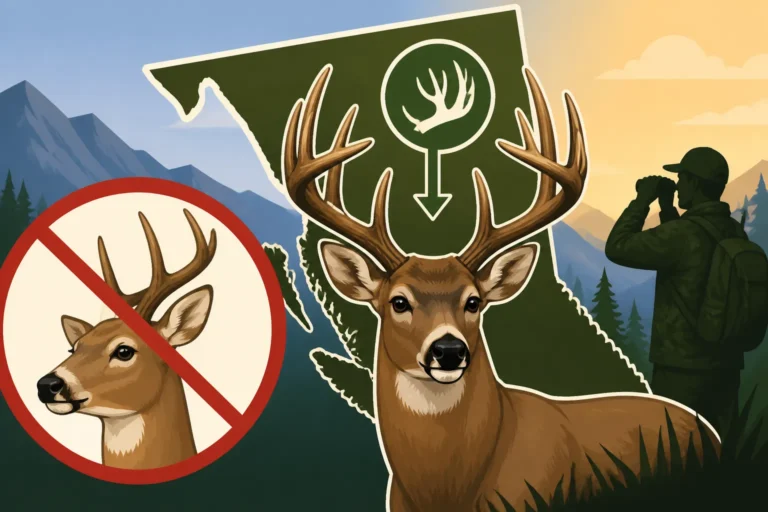
The Fraser Canyon is unique in British Columbia because it represents a transitional zone where both mule deer and black-tailed deer populations can overlap. This can be a bit of a puzzle for hunters, as identifying the specific species on the hoof is crucial due to differing regulations. Mule deer tend to prefer the more open, drier Ponderosa pine and grassy slopes in the mid to upper elevations, especially in the northern parts of the canyon. They utilize the steep terrain for escape, often bedding in high, inaccessible areas with commanding views, allowing them to spot threats from a distance. During the rut, they can be found moving along ridge lines and benches. If you’re targeting these majestic bucks, a thorough understanding of Mule Deer Hunting in British Columbia is essential.
Black-tailed deer, particularly the Columbian blacktail, are more prevalent in the moister, denser, and often lower-elevation areas of the canyon, especially towards the southern reaches nearer the coast. They thrive in the thick brush and second-growth timber that characterize these zones, using the cover to their advantage. They are masters of blending into their surroundings, often standing perfectly still until you almost step on them. Their movements are often dictated by these dense pockets, utilizing game trails that are barely visible to the human eye. Learning to read subtle signs on the forest floor is vital when Reading Blacktail Sign in Wet Ground, a skill that will serve you well in this environment. Identifying whether you have a mule deer or a blacktail can be challenging here, as some deer exhibit characteristics of both. Always refer to the most current BC Hunting Synopsis for antler point regulations specific to your management unit and be prepared to pass if you are unsure.
Hunting Fraser Canyon Black Bears and Other Predators
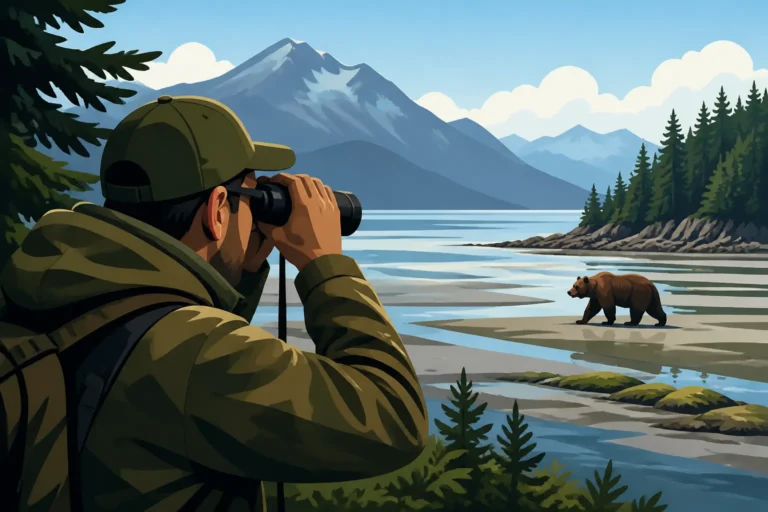
Black bears are common residents of the Fraser Canyon, finding abundant food sources and secure cover within its vastness. During the spring, they often emerge from hibernation and head to south-facing slopes, avalanche chutes, and river bottoms to feed on fresh green growth. As summer progresses into fall, they shift their focus to berry patches – huckleberries, saskatoons, and salmonberries – which can be found in abundance across the canyon's slopes. These berry-laden areas, often on clear-cuts or open timbered slopes, become prime hunting spots. Patience and good optics are your friends here, as bears can be surprisingly camouflaged against the vegetation. If you're considering a spring hunt, understanding the nuances of Black Bear Hunting British Columbia's Spring can significantly increase your chances.
Beyond bears, the Fraser Canyon is also home to cougars and coyotes. While not typically the primary target for most hunters here, encountering a cougar is always a possibility, especially where deer populations are strong. Coyotes are more common and can often be called in, particularly during the early morning or late evening. For predator enthusiasts, their presence offers an additional hunting opportunity. Remember, being aware of all species, including potential predators, is a key component of Bear Safety While Hunting in British Columbia, as encounters can happen unexpectedly, especially when you’re deep in their territory.
Strategic Approaches for Hunting the Steep Terrain
Hunting the Fraser Canyon slopes is less about luck and more about strategy, grit, and understanding how to leverage the terrain to your advantage. It demands a thoughtful approach to movement, observation, and logistics.
Effective Spot-and-Stalk Techniques
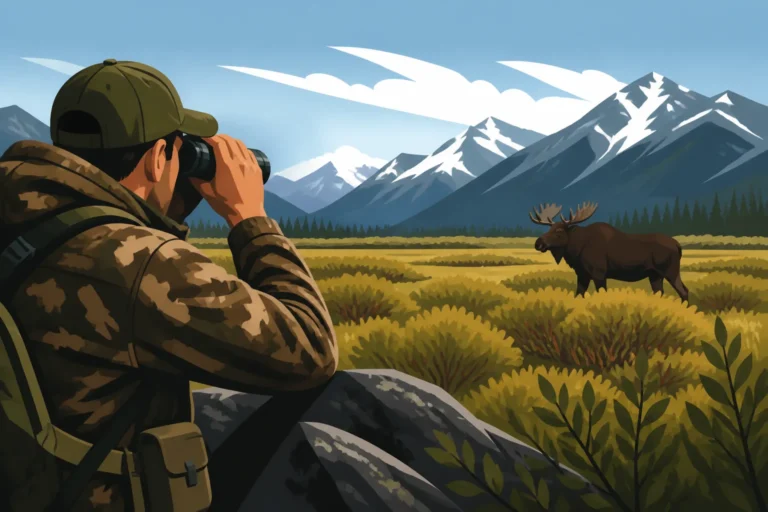
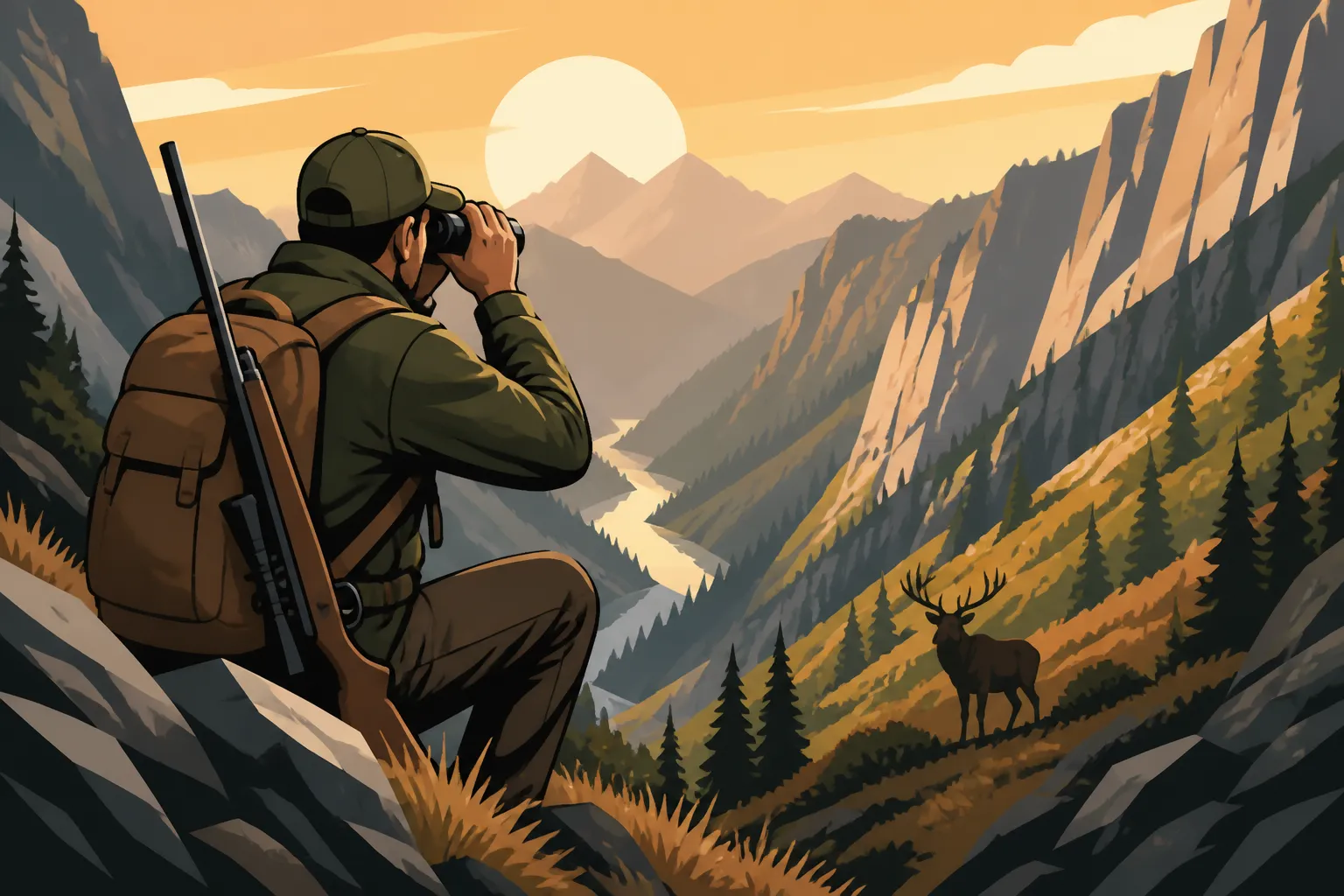
The sheer scale of the Fraser Canyon means that efficient scouting and glassing are paramount. You simply can't cover all the ground on foot, so your eyes and optics become your most valuable tools. Start your day by gaining elevation and finding a vantage point that offers expansive views of opposing slopes, draws, and known game corridors. This is where a quality spotting scope and binoculars truly shine. Take your time, systematically breaking down the landscape into smaller, manageable grids. Look for subtle movements, unusual shapes, or changes in colour that might indicate an animal. Deer often blend incredibly well with the rocky, timbered backdrop, so patience is key. The skill of Glassing an Interior Hillside for Mule Deer translates directly to success in this environment, allowing you to cover vast areas without expending unnecessary energy.
Once an animal is spotted, the real challenge begins: planning the stalk. This is where the canyon's topography can either be your ally or your worst enemy. You'll need to carefully assess wind direction, potential hiding spots, and the most feasible route to close the distance. Often, what looks like a straightforward path on a map can be a series of impassable cliffs or dense, noisy brush. Sometimes, it might mean gaining even more elevation to approach from above, or dropping significantly to come up a different draw. Anticipating the animal's likely escape routes and positioning yourself to cut them off, or to get a clear, ethical shot, requires meticulous planning and often, a lot of physical effort. Always consider the sun's position – trying to glass or stalk directly into the sun is a recipe for failure.
Still-Hunting Dense Timber and Draws
While open slopes offer opportunities for spot-and-stalk, much of the Fraser Canyon is characterized by dense timber and deep, shaded draws. In these areas, still-hunting becomes the most effective strategy. This involves moving incredibly slowly and deliberately, taking only a few steps at a time, then pausing for several minutes to observe, listen, and scan your surroundings. Think of it as hunting with your ears and nose as much as your eyes. The thick cover provides excellent hiding spots for deer and bears, who will often bed down in these areas during the day. As you move, pay close attention to the wind, ensuring it's in your favour to prevent your scent from carrying ahead of you.
Focus your efforts on areas where there's a good mix of cover and feed, or along known game trails and benches within these timber blocks. Look for rubs, scrapes, fresh tracks, and droppings – any sign of recent animal activity. Deer, especially blacktail, are experts at using the contours of the land and the density of the vegetation to remain hidden. They often won't move until they feel truly threatened, so a slow, quiet approach can allow you to spot them before they bolt. This method is particularly effective when Stalking a Bedded Buck in Open Timber, though in the canyon, the "open timber" might still be incredibly dense compared to other regions. It demands immense patience and discipline, but it's often the only way to connect with game in the canyon's deep pockets.
Accessing Remote Pockets and Packing Out
Accessing the prime hunting spots in the Fraser Canyon is often the biggest hurdle. While some areas are reachable via the vast Hunting British Columbia's Logging Road Network, many of the most promising pockets are miles from any established road, requiring significant hiking. Hunters need to be prepared for multi-day excursions into true wilderness, often gaining and losing thousands of feet of elevation. This means a focus on ultralight packing, navigation skills, and physical endurance. Utilize mapping software like those offered by GoHunt to identify potential access points, old deactivated logging roads, and contour lines that might lead you to remote benches or basins. Don't underestimate the time it takes to travel even short distances in this rugged country.
Once you’ve successfully harvested an animal, the real work begins: the pack-out. This is universally regarded as the most challenging aspect of hunting the Fraser Canyon. Whether it's a deer or a bear, getting hundreds of pounds of meat, hide, and antlers out of steep, often unstable terrain is a monumental task. You'll be traversing slippery slopes, navigating through thick brush, and potentially crossing treacherous creeks. It’s absolutely critical to have a high-quality frame pack that can comfortably handle heavy loads. Understanding the nuances of Packing Out of British Columbia's Steep Country is not just about efficiency, it's about safety. Break down the animal into manageable quarters, use game bags to protect the meat, and plan your route carefully, often in reverse of your approach. Even in early fall, Meat Care in British Columbia's Warm Early Seasons is vital, so consider ice or dry ice if you have a long way to go to a cooler. This is not the place for flimsy gear or a lack of physical preparation.
Essential Gear and Safety for Canyon Hunting
Hunting the Fraser Canyon demands a specific gear list and a serious commitment to safety. The remote, rugged nature of the terrain leaves little room for error.
Specialized Gear for Steep Country
Your gear choices can literally make or break a hunt in the Fraser Canyon. First and foremost, footwear is paramount. Invest in high-quality, sturdy mountaineering or serious backcountry hunting boots that offer excellent ankle support, stiff soles for traversing side hills, and exceptional traction. Waterproofing is a must, even in drier areas, due to unpredictable weather and stream crossings. Combine these with gaiters to keep debris out of your boots and protect your lower legs from brush. A good pair of trekking poles is also invaluable for stability on steep ascents and descents, significantly reducing strain on your knees and helping prevent falls.
Beyond footwear, your optics, as mentioned, are critical for spotting game in this vast landscape. A 10x or 12x binocular is standard, but a powerful spotting scope (20-60x or similar) on a lightweight tripod will allow you to pick apart distant slopes and judge animals effectively. For carrying your harvest, a well-fitting, robust frame pack is non-negotiable. Look for models designed for heavy loads and extended backcountry use. Clothing should be layered, allowing you to adapt to the canyon's rapidly changing temperatures and conditions, from cool mornings to hot afternoons and sudden rain showers. Durable, breathable, and quiet fabrics are key.
Navigational Tools and Emergency Preparedness
In a landscape as convoluted and remote as the Fraser Canyon, reliable navigation is a lifeline. A modern GPS unit with detailed topographic maps is essential, backed up by a traditional map and compass (and the knowledge to use them). Battery life is a constant concern, so carry spares or a portable charger. Cellular service is notoriously spotty to non-existent in much of the canyon, making a satellite messenger or satellite phone a critical piece of safety gear for communication in emergencies. This allows you to check in with loved ones or summon help if something goes wrong.
Emergency Planning in British Columbia's Backcountry should be at the forefront of your mind. Always leave a detailed trip plan with someone responsible, including your route, expected return time, and contingency plans. Pack a comprehensive first-aid kit, fire-starting materials, extra food and water, a headlamp, and a shelter like a tarp or emergency bivy. Encountering grizzly bears is less common here than in some northern regions, but black bears are plentiful, so carrying bear spray and knowing how to use it is a smart precaution. The Fraser Canyon is not a place to take lightly; respect its wildness, prepare thoroughly, and always prioritize safety over success. Before heading out, take the time to conduct thorough Scouting a British Columbia Management Unit Online to familiarize yourself with access points and potential terrain challenges.
| Species | Preferred Canyon Habitat | Best Hunting Methods | Key Considerations |
|---|---|---|---|
| Mule Deer | Open, drier mid-to-high slopes, pine forests, benches. | Spot-and-stalk, glassing. | Look for areas with good visibility and escape routes. |
| Blacktail Deer | Dense timber, second-growth, brushy draws, lower elevations. | Still-hunting, tracking, slow movement. | Utilize thick cover, master silent movement. |
| Black Bear | Berry patches, avalanche chutes, creek bottoms, recent clear-cuts. | Spot-and-stalk (spring/fall), baiting (where legal). | Focus on food sources; carry bear spray. |
| Coyote | Openings, cut-blocks, clearings, lower slopes. | Calling. | Opportunistic hunting, bring calls. |
Disclaimer
Hunting is an inherently risky activity. The information provided in this guide is for informational purposes only and is not a substitute for personal research, adherence to all current hunting regulations, proper training, and sound judgment. Always prioritize safety, respect wildlife, and minimize your impact on the environment. Conditions in the British Columbia backcountry can change rapidly, and hunters are responsible for their own safety and preparedness.