Hunting Mule Deer in the Okanagan Breaks
The Okanagan Breaks can feel like a riddle wrapped in a sunburn, especially when you're trying to figure out how to consistently put a mule deer buck on the ground. It's not the gentle rolling hills of some other regions; we're talking about incredibly steep, dry, and often unforgiving country where the deer blend in seamlessly and seem to vanish at the slightest hint of pressure. Many hunters arrive with high hopes only to be humbled by the sheer vastness and the elusive nature of these deer in their unique sagebrush and Ponderosa pine domain. This guide aims to unravel some of those mysteries, offering practical strategies and insights to help you navigate the rugged beauty and inherent challenges of hunting mule deer in the Okanagan Breaks.
Understanding the Okanagan Breaks Ecosystem and Mule Deer Behaviour
The Okanagan Breaks are a world unto themselves, a unique mosaic of semi-arid grasslands, coulees, and timbered slopes that demands a specific approach to mule deer hunting. It’s a far cry from the dense forests or open agricultural lands found elsewhere in British Columbia, and understanding this ecosystem is paramount to success.
The Unique Habitat of the Breaks
Imagine a landscape carved by ancient glaciers and then baked by hot, dry summers, leaving behind steep, rocky bluffs, deep, brushy coulees, and expansive sagebrush flats punctuated by sparse Ponderosa pine and Douglas fir. This is the Okanagan Breaks. Water sources are often few and far between, making them critical pinch points for all wildlife, especially during the dry fall hunting seasons. The vegetation here provides both incredible camouflage and crucial browse for mule deer. They've adapted to these conditions, moving between the cooler, shaded timber on north-facing slopes and the sun-drenched, feed-rich sage flats. Hunters often struggle because they treat this terrain like other deer habitat, failing to account for the verticality, the limited water, and the deer's reliance on specific thermal cover and escape routes. You can find detailed information about the specific types of areas to focus on when you're Hunting a Sagebrush Flat for Mule Deer.
Mule Deer Diet, Patterns, and Rut Timing
Mule deer in the Okanagan Breaks are primarily browsers, and their diet shifts with the seasons. In spring and summer, they feast on lush forbs and various shrubs. As fall approaches and things dry out, they become more reliant on the browse found in coulees, along creek beds (if there are any), and within the scattered timber stands. Understanding these dietary shifts can help you pinpoint areas where deer will be concentrating their feeding efforts. Their daily patterns are largely dictated by cover, water, and thermal regulation. During early season hunts, especially when temperatures can still soar, you'll find them bedded down in dense shade during the heat of the day, often on north-facing slopes or in the deep, cool shadows of a rocky canyon. They become most active at dawn and dusk, moving from bedding areas to feeding grounds. The mule deer rut in the Okanagan typically peaks in mid to late November, much like other parts of the Interior. This is when bucks become less cautious, actively searching for does, but accessing these areas can be challenging due to snow and road closures. If you're wondering When British Columbia's Mule Deer Rut Peaks, it's important to remember that it's a dynamic period influenced by weather and deer numbers.
Pre-Season Scouting and Essential Gear for the Okanagan
Success in the Okanagan Breaks isn't just about showing up with a rifle; it's about meticulous preparation, both in terms of understanding the landscape before you even set foot in it and ensuring you have the right tools for the job. Neglecting either of these can quickly lead to a frustrating, unfulfilled hunt.
Digital Scouting and Mapping Resources
Before you even think about lacing up your boots, modern digital scouting tools are your best friend in the Okanagan. The vastness of this region makes on-the-ground scouting difficult and time-consuming. Utilizing online mapping platforms like GoHunt can help you identify key features such as water sources, north-facing slopes, prominent coulees, potential bedding areas, and travel corridors. Look for areas where Crown land borders private property, as these transition zones often concentrate deer. Pay close attention to historical wildfire perimeters and recent cut blocks; these can create excellent forage. Many experienced hunters spend hours pouring over satellite imagery, marking potential hotspots, and planning access routes long before the season even opens. Tools like GoHunt allow you to layer different maps, identify land ownership, and even check previous harvest data or LEH odds for specific zones. For a deeper dive into preparation, consider learning about Scouting a British Columbia Management Unit Online.
Essential Gear for Rugged, Dry Country
Hunting the Okanagan Breaks is physically demanding, and your gear needs to be up to the task. Forget about heavy wool in the early season; breathable layers are paramount. Good quality hiking boots with excellent ankle support are non-negotiable for navigating the steep, loose terrain. Hydration is another critical factor; carry more water than you think you’ll need, especially during warmer hunts, or plan your route around known water sources.
Key Gear Considerations for the Okanagan Breaks:
| Gear Item | Importance Level | Specific Considerations for Okanagan Breaks |
|---|---|---|
| Optics | High | High-power binoculars (10x-15x) and a spotting scope are crucial for glassing vast distances. Tripod is a must for stability. |
| Footwear | High | Sturdy, waterproof hiking boots with excellent ankle support and aggressive tread for steep, rocky, and loose terrain. |
| Hydration System | High | Large capacity water bladder (3L+) or multiple water bottles. Electrolytes are highly recommended for hot days. |
| Layering System | Medium | Breathable, moisture-wicking base layers. Lightweight, abrasion-resistant outer shell. Avoid heavy insulation in early season. |
| Navigation | High | GPS device, paper maps (even with digital), compass. Good battery life for electronics. |
| First Aid Kit | High | Comprehensive kit, including blister treatment, snake bite kit (rare but possible), and emergency signaling. |
| Game Bags | High | Breathable, sturdy game bags are essential for protecting meat from flies and dirt in warm, dusty conditions. |
| Sun Protection | High | Wide-brimmed hat, sunglasses, high SPF sunscreen, lip balm. Exposure is intense. |
| Knife/Sharpener | Medium | Sharp, reliable field dressing knife and a way to keep it sharp. |
| Frame Pack | High | A comfortable, robust frame pack is vital for packing out meat over challenging terrain. |
Optics are king here. You'll spend a lot of time glassing, so invest in good quality binoculars (10x-15x) and a spotting scope mounted on a sturdy tripod. This allows you to pick apart distant hillsides and coulees without expending unnecessary energy. A rangefinder is also essential for judging shots across the expansive terrain. When it comes to clothing, consider quiet, durable fabrics that can withstand abrasive brush and rocks. Don't forget sun protection – a wide-brimmed hat, sunglasses, and sunscreen are critical given the intense sun exposure. If you want to know more about the importance of optics, read our guide on Glassing an Interior Hillside for Mule Deer.
Effective Hunting Strategies for the Breaks
Hunting mule deer in the Okanagan Breaks demands a blend of patience, physical fitness, and strategic thinking. It’s not a place for road hunting or simply still-hunting through timber. The vastness and the deer's acute senses necessitate a more methodical approach.
The Power of Spot and Stalk
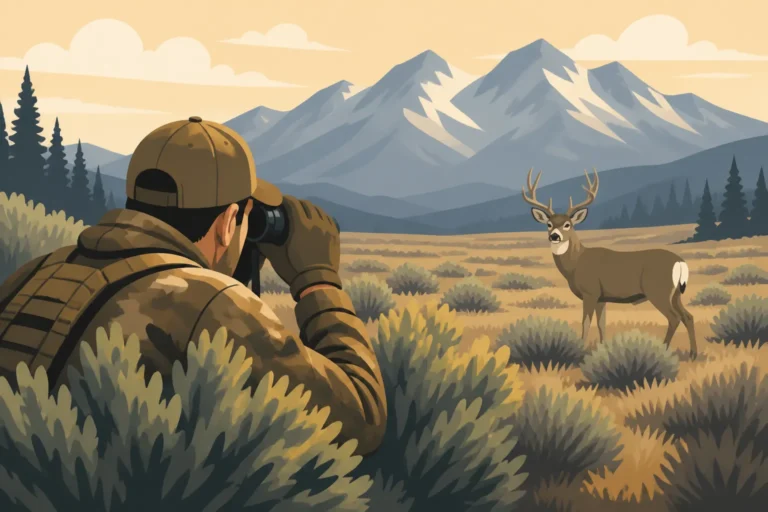
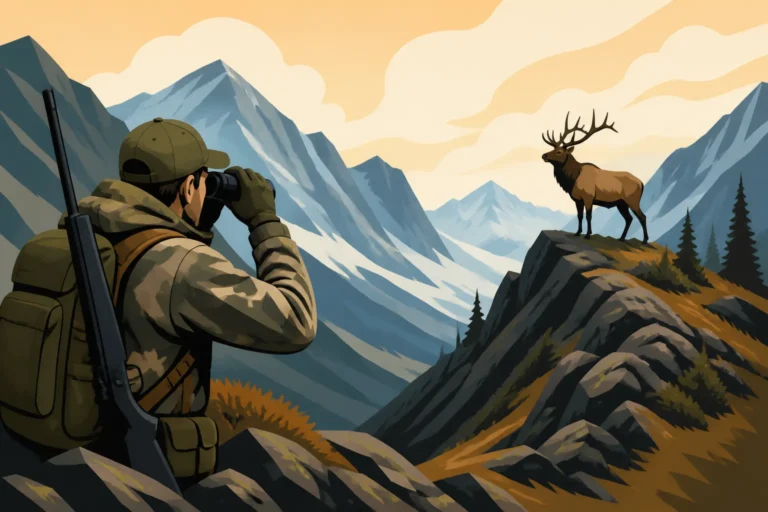
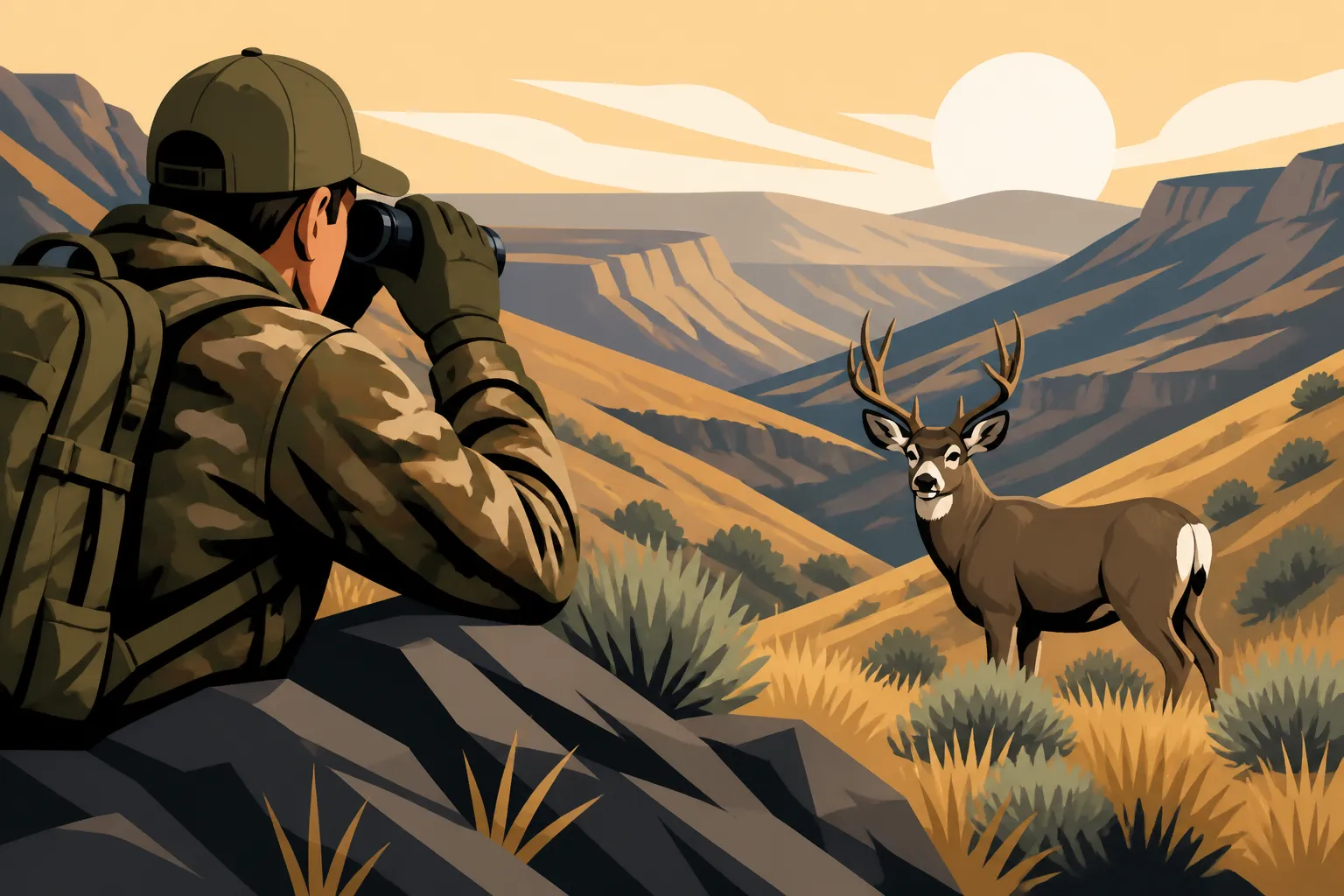
Without a doubt, spot and stalk is the most effective method for hunting mule deer in the Okanagan Breaks. This means finding a high vantage point, sitting down with your quality optics, and systematically glassing every inch of the opposing hillsides, coulees, and timber edges. Do not rush this process. Spend hours picking apart the terrain, looking for subtle movements, a flicker of an ear, a horizontal line in a vertical world, or the distinct shape of an antler. Heat shimmer can make glassing challenging, so try to glass in the early morning or late evening when the air is cooler, or position yourself to glass shady slopes first. Once you spot a buck, the real work begins: planning a careful stalk that uses the terrain to your advantage, keeping the wind in your face or crosswind, and approaching quietly and deliberately. This is where your physical conditioning truly pays off. You can learn a lot by checking out our in-depth article on Spot-and-Stalk Mule Deer in British Columbia.
Still Hunting and Tracking in Key Areas
While spot and stalk is primary, still hunting can be effective in specific, targeted areas, especially where dense cover or topography limits long-range glassing. This might include carefully moving through the bottoms of brushy coulees, along the edges of small timber pockets, or through old burns that offer good cover and feed. The key is to move incredibly slowly, pausing frequently to scan and listen. Every step should be deliberate, checking for tracks, rubs, and fresh droppings. In the dry, dusty conditions of the Breaks, finding fresh tracks can be challenging, but they offer invaluable clues about deer movement. Focus your still-hunting efforts around known water sources, pinch points in the terrain, and transitions between different habitat types. Pay particular attention to north-facing slopes with thicker timber, as these often serve as daytime bedding areas during warmer weather.
Navigating the Terrain and Access Challenges
The Okanagan Breaks are notoriously challenging when it comes to both physical terrain and legal access. Many hunters underestimate these factors, leading to wasted time and missed opportunities. Understanding how to navigate these obstacles is crucial for a successful hunt.
Accessing Crown Land and Understanding Boundaries
While British Columbia boasts vast tracts of Crown land open to hunting, knowing where those boundaries lie is absolutely critical in the Okanagan. The region has a significant amount of private property, including ranches, vineyards, and residential areas, often intermingled with public land. Relying solely on older paper maps can be misleading as property lines shift and access rules change. Using modern mapping applications that clearly delineate private versus Crown land, like those offered by GoHunt, is essential. Always double-check your position. Respecting private property is not just good ethics; it's the law, and trespassing can result in hefty fines and loss of hunting privileges. Look for publicly accessible roads, like Forest Service Roads, that lead into Crown land. However, be aware that many of these roads can be deactivated, meaning they are no longer maintained and may require hiking in beyond a gate. When you're trying to figure out which British Columbia Units are mostly Crown land, digital tools are invaluable.
Overcoming the Physical Demands of the Breaks
The terrain in the Okanagan Breaks is not for the faint of heart. Expect steep ascents and descents, loose shale, thorny brush, and often very warm temperatures, even into the fall. Physical fitness is a major factor in success here. Being able to climb silently, cover ground efficiently, and then make a steady shot after a strenuous hike is a skill developed through preparation. Many hunters find themselves winded after a short climb, making it difficult to maintain composure for a shot or a quiet stalk. Prioritize cardiovascular endurance and leg strength in your off-season training. Good quality hiking poles can be a lifesaver for stability and reducing strain on your knees during descents. Always tell someone your hunting plan, including your intended route and return time, as cell service can be spotty to non-existent in many remote areas. Emergency planning in British Columbia's Backcountry is a topic every hunter should be familiar with.
Seasonality, Regulations, and Post-Harvest Care
Hunting in the Okanagan Breaks also means adhering to specific regional regulations and preparing for the unique challenges of field dressing and meat care in a warmer, drier environment. Being caught off guard by either can ruin an otherwise successful hunt.
Key Season Dates and Antler Restrictions
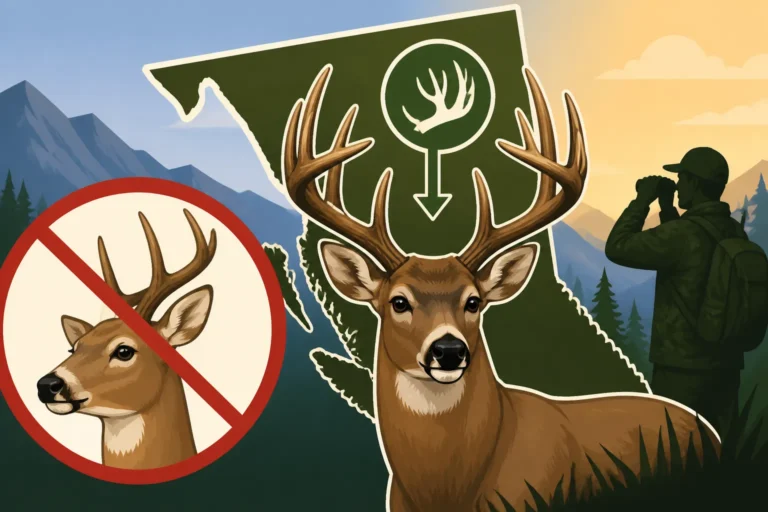
British Columbia's hunting regulations are nuanced, and the Okanagan Region (Region 8) has specific season dates and antler restrictions that hunters must be intimately familiar with. Mule deer seasons often open earlier for archery hunters, followed by general open seasons for rifle hunters. Always consult the current British Columbia Hunting and Trapping Synopsis for the most up-to-date information for the specific Management Unit (MU) you plan to hunt. Some areas may have antler point restrictions, such as a four-point antler rule, which means the buck must have at least four points on one side, excluding the brow tine. Failure to correctly identify a legal buck can lead to serious consequences. Being informed about British Columbia Deer Season Dates by Region is the first step in planning your hunt.
Field Dressing and Meat Care in Warm Conditions
Harvesting a deer in the Okanagan Breaks often means dealing with warm temperatures, even in October. This poses a significant challenge for proper meat care. Swift and thorough field dressing is paramount to cooling the carcass quickly. Get the hide off the animal as soon as possible, as the hide acts as an insulator, trapping heat. Quartering the animal and getting the meat into breathable game bags is often the best approach for rapid cooling and ease of packing out. If you're several hours from your vehicle, consider hanging the meat in a shady, airy spot if possible, but be vigilant about bears and other scavengers. The dry air can help form a protective "crust" on the meat, but flies are still a concern. Bringing plenty of clean game bags is essential. For detailed guidance on preserving your harvest, our article on Keeping Meat Cool in an Early Season offers invaluable tips specifically for British Columbia's challenging early conditions.
Disclaimer
Always consult the most current British Columbia Hunting and Trapping Synopsis for regulations, season dates, and management unit specific rules before heading into the field. This guide provides general information and should not be used as a substitute for official provincial regulations. Hunting is an inherently risky activity; prioritize safety, know your limits, and be prepared for backcountry emergencies.