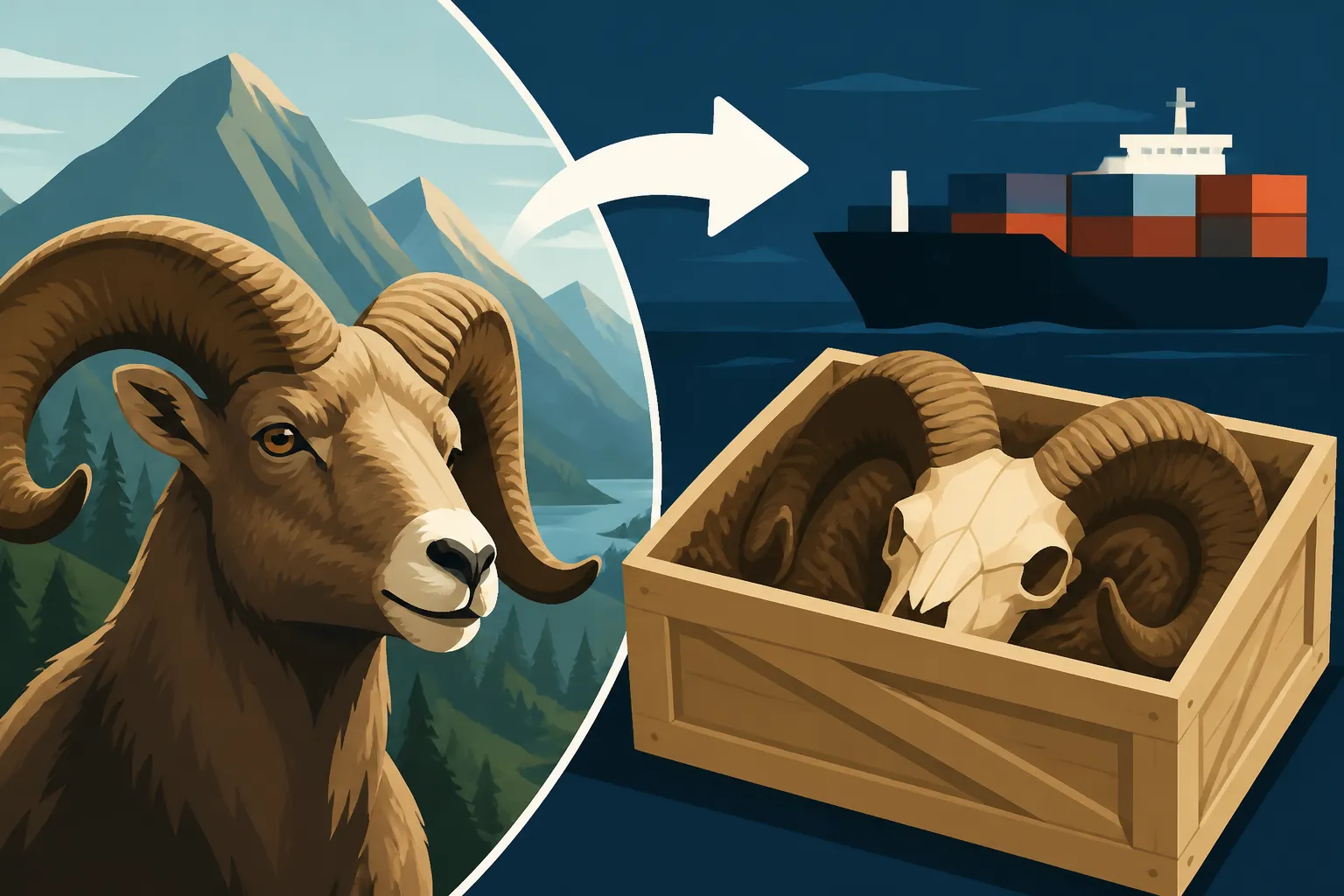
What Shipping a Cape and Horns Costs
You've just wrapped up an incredible hunting trip in British Columbia, the adrenaline is fading, and you're beaming, picturing that beautiful cape and those impressive horns adorning your wall. But then the reality hits: how on earth do you get this magnificent trophy all the way home? The thought of navigating shipping logistics and the associated costs can quickly turn that post-hunt glow into a logistical headache. This guide is here to help you understand the various factors that influence the cost of shipping your cape and horns from British Columbia, and what you can expect along the way.
Understanding the Factors Influencing Trophy Shipping Costs
Shipping a hunting trophy isn't like mailing a parcel. There are numerous variables that dictate the final price tag, from the size of your animal to the journey it needs to make. Ignoring these details can lead to unexpected bills and delays, so let's break down what truly influences the cost.
Trophy Size and Species
It might seem obvious, but the sheer physical presence of your trophy is a primary cost driver. A substantial moose cape and rack, for instance, will naturally cost significantly more to ship than a black bear hide or a smaller deer skull plate. This isn't just about weight; it's about volume and the specialized handling required for larger, more delicate items.
Think about the difference between a massive Shiras moose rack that might need a custom-built crate stretching several feet in every direction, versus a compact Sitka blacktail deer cape that can be folded more tightly. Airlines and freight companies base their charges heavily on both the dimensional weight (how much space it takes up) and the actual weight. A larger set of antlers or a full shoulder mount will necessitate a larger crate, which means more material cost for crating, and higher charges from the carrier. Consider whether you're bringing home a full skull with antlers, just the skull plate, or a full cape that requires extensive boxing to protect the hair and skin. Each choice impacts the final dimensions and weight, and thus the shipping fee. You'll want to discuss these options with your taxidermist or expediter. What a British Columbia Bull Moose Weighs gives you an idea of the scale we're talking about for some animals.
Preparation and Preservation
The state in which your trophy is prepared for shipping also plays a crucial role in its cost and feasibility. A raw, salted cape and skull plate, properly dried and cured in the field or by a local expediter, is often more compact and less fragile than a fully finished taxidermy mount.
If you opt to have a taxidermist in British Columbia complete the mount, the finished product will be much larger and require specific, often elaborate, crating to prevent damage to ears, antlers, and the form itself during transit. This adds considerable expense both in materials and in shipping volume. On the other hand, if you only have the cape and horns rough-prepared – fleshed, salted, and dried – and plan to send them to your home taxidermist, the shipping package will be smaller and lighter. This might save on shipping, but remember, the initial preservation steps are critical. Improper field care can lead to hair slip or spoilage, rendering your trophy worthless long before it even gets to the shipping terminal. Discussing Meat Care in British Columbia's Warm Early Seasons can give you an idea of the immediate preservation challenges that apply to capes too.
Destination and Shipping Method
Where your trophy is going and how it gets there are perhaps the biggest determinants of shipping cost. Are you sending it within Canada, across the border to the United States, or halfway around the world to Europe or Australia? Each scenario introduces different complexities and costs.
Shipping within Canada is generally the simplest and most affordable, often allowing for ground freight options which are more economical for bulky items. Crossing the US border, however, involves customs declarations, potential import duties, and specific US Fish & Wildlife Service (USFWS) regulations. International shipments to other continents layer on even more regulatory hurdles, CITES permits for certain species like sheep and goats (see CITES Paperwork for a Sheep or Goat), complex customs brokerage, and significantly higher air cargo fees. Air freight is generally faster but much more expensive, often necessary for international shipments or when time is of the essence to get a raw hide to a tannery. Ground freight, usually via specialized trucking companies, is slower but can offer considerable savings for large, less urgent shipments, especially within North America. When planning your hunt, resources like BookYourHunt can sometimes offer insights into outfitter services, including trophy handling, though direct shipping costs are usually a separate discussion you'll need to clarify.
The Step-by-Step Process and Associated Expenses
Once the shot is fired and the trophy is down, the journey to your home wall has only just begun. Understanding each stage of this process, and the costs associated with it, is vital for managing your expectations and your budget.
Initial Field Preparation and Local Handling
The moments immediately after a successful harvest are critical for trophy care. Most British Columbia outfitters will include basic field preparation as part of their service package. This typically involves caping the animal, removing the skull plate or entire skull, and beginning the fleshing and salting process for the cape. This initial work, often done by your guide, ensures the hide doesn't spoil before it reaches a more permanent solution. Getting the trophy from the remote backcountry to a place where it can be properly processed is also a logistical challenge, especially in Packing Out of British Columbia's Steep Country.
Once out of the field, the trophy needs further attention. This often involves freezing the cape and skull, or further fleshing and salting for longer-term preservation. You might have the option of having a local expediter or taxidermist take over at this point. They will handle a more thorough fleshing, salting, and drying process to get the hide ready for transport, or even begin the tanning process. These local handling fees can vary widely depending on the size of the animal and the services rendered. Some outfitters might have preferred partners or even in-house services, while others will deliver your trophy to a designated contact in the nearest town. It’s worth clarifying with your outfitter what services are included and what additional costs you might incur for professional preparation before it even leaves the province.
Choosing a Taxidermist or Expeditor
Deciding who will handle your trophy after the hunt is a significant decision that impacts cost and process. You essentially have two main paths: have a taxidermist in British Columbia complete the full mount, or use an expediting service to prepare and ship the raw or wet-tanned trophy to your preferred taxidermist at home.
If you choose a BC taxidermist for a full mount, you're looking at the cost of the taxidermy itself, plus the shipping of the large, finished product. This can be more expensive overall due to the size, but ensures quality control at every step. Many hunters prefer to use their trusted local taxidermist, which means you'll need an expediter. An expediter specializes in handling all the necessary paperwork, permits, and logistics for getting raw or wet-tanned trophies from British Columbia to your destination. This includes securing any necessary CITES permits (for species like Mountain Goat Season Dates by Region or Mountain Sheep Season Dates and Curl Rules), completing export declarations, coordinating with freight forwarders, and ensuring proper packaging. Their fees are separate from the actual freight costs and are for their expertise in navigating the complex world of international trophy export. You can often find recommendations for reputable expeditors through hunting forums, or by asking your outfitter.
Shipping Logistics and Customs
This is where the rubber meets the road, or more accurately, where your trophy gets on a plane or truck. Once your trophy is prepared and packaged, whether as a raw cape and horns or a finished mount, it needs to be transported. This involves securing space with a commercial carrier, typically an airline's cargo division or a specialized ground freight company.
The actual shipping cost will depend on the final dimensions and weight of the crated trophy, the method of transport (air vs. ground), and the distance to the final destination. Expect to pay for things like palletizing (if required), crating services, and the freight charges themselves. For international shipments, you'll also contend with customs brokerage fees, which are paid to a broker who handles all the necessary import documentation on your behalf, ensuring your trophy clears customs smoothly. There might also be import duties or taxes levied by your home country, varying based on the type of animal and its declared value. For US-bound trophies, there are specific forms required by the US Fish & Wildlife Service that must accompany the shipment, often handled by your expediter or the customs broker. The entire process of getting your trophy from the field to your wall often includes many details covered in articles like British Columbia Taxidermists and Trophy Export.
| Factor | Description | Impact on Cost |
|---|---|---|
| Trophy Size/Weight | Larger animals (moose, elk) vs. smaller (deer, bear, sheep). | Directly increases freight cost due to space and weight. |
| Level of Preparation | Raw (frozen/salted) vs. finished (taxidermy mount). | Finished mounts are bulkier, require more careful crating. |
| Shipping Distance | Within BC, across Canada, to the US, or international. | Longer distances increase fuel surcharges and handling. |
| Method of Transport | Air cargo (faster, more expensive) vs. Ground freight (slower, often cheaper for large items). | Air freight is premium, ground offers economy. |
| Expediting Services | Use of a professional expediter for paperwork and logistics. | Adds a service fee, but streamlines complex processes. |
| Customs & Documentation | Brokerage fees, import duties, permits (e.g., CITES). | Can be substantial, especially for international shipping. |
| Insurance | Protecting your trophy against damage or loss during transit. | An added cost, but crucial for peace of mind. |
Strategies to Potentially Manage and Estimate Costs
The total cost of shipping a trophy can sometimes rival or even exceed the cost of the hunt itself, especially for international clients or very large animals. While you can't eliminate these costs, smart planning and proactive communication can help you manage them and avoid unpleasant surprises.
Planning Ahead with Your Outfitter
The best time to understand your trophy shipping costs is before you even book your hunt. Don't be afraid to ask your outfitter detailed questions about their trophy handling policies and what's included in their package. Many outfitters include basic field prep (caping, fleshing, salting) and transport of the trophy to the nearest road-accessible town. However, anything beyond that – further preservation, freezing, delivery to a specific expediter, or long-term storage – might incur additional charges.
Ask your outfitter if they have a preferred expediter or taxidermist they work with regularly. These relationships can often streamline the process and potentially lead to better rates due to established volume. A good outfitter should be able to provide you with realistic estimates for getting your trophy from the field to an airport or expediting service. This upfront discussion is essential for both your budget and peace of mind. Resources like GoHunt can be useful for researching outfitters and checking their policies or reviews regarding trophy care and post-hunt logistics, which can indirectly inform your cost expectations. Remember to consider all costs associated with your trip, from What a British Columbia Guided Hunt Costs to the smallest details of trophy care.
Self-Preparation and Local Drop-off
For experienced hunters who are confident in their skinning and preservation skills, doing more of the initial field prep yourself can potentially save some money. Properly fleshing, salting, and drying a cape can be a meticulous and time-consuming process, but it reduces the work a local taxidermist or expediter needs to do, thereby cutting down on their fees. However, be honest with yourself about your skills; improper preservation can quickly ruin a trophy.
If you're hunting in an accessible area and have a vehicle, you might also be able to personally deliver your well-prepared trophy to a freight terminal or an expediting service. This cuts out any local transport fees charged by an outfitter or third party. However, this often means dedicating extra time after your hunt, which might not be feasible if you're flying out on a tight schedule. Weigh the cost savings against your available time and logistical capabilities. Even seemingly minor details, such as remembering all the necessary gear you'll need, as outlined in What to Bring on a British Columbia Guided Hunt, can impact your ability to manage trophy prep on your own.
Insurance and Unexpected Charges
Trophy shipping, especially for valuable or rare species, represents a significant investment, and like any valuable shipment, it should be insured. While no one wants to think about their prized trophy being damaged or lost, accidents do happen. Shipping companies typically offer insurance, but review the coverage limits carefully. It's often worthwhile to secure additional third-party insurance to cover the full replacement value of your trophy, including the cost of the hunt itself if the trophy is irreplaceable.
Beyond insurance, be aware of potential unexpected charges. Delays in customs, for instance, can lead to storage fees. If documentation isn't perfect, your trophy could be held up, incurring further costs. Re-routing or additional handling due to unforeseen circumstances can also add to the bill. A reputable expediter will help minimize these risks by ensuring all paperwork is accurate and complete, but it's wise to have a small buffer in your budget for the unexpected. When planning your hunting adventure, think about all the various administrative tasks like British Columbia's Compulsory Reporting Rules which are necessary for any harvested animal, and consider how a professional expediter can take some of the burden off your shoulders.
Disclaimer
This article is for general informational purposes only and does not constitute professional advice. Laws, prices and regulations vary by location and change over time. Consult a qualified professional for guidance on your specific situation.