Finding a Butcher Near Your Camp
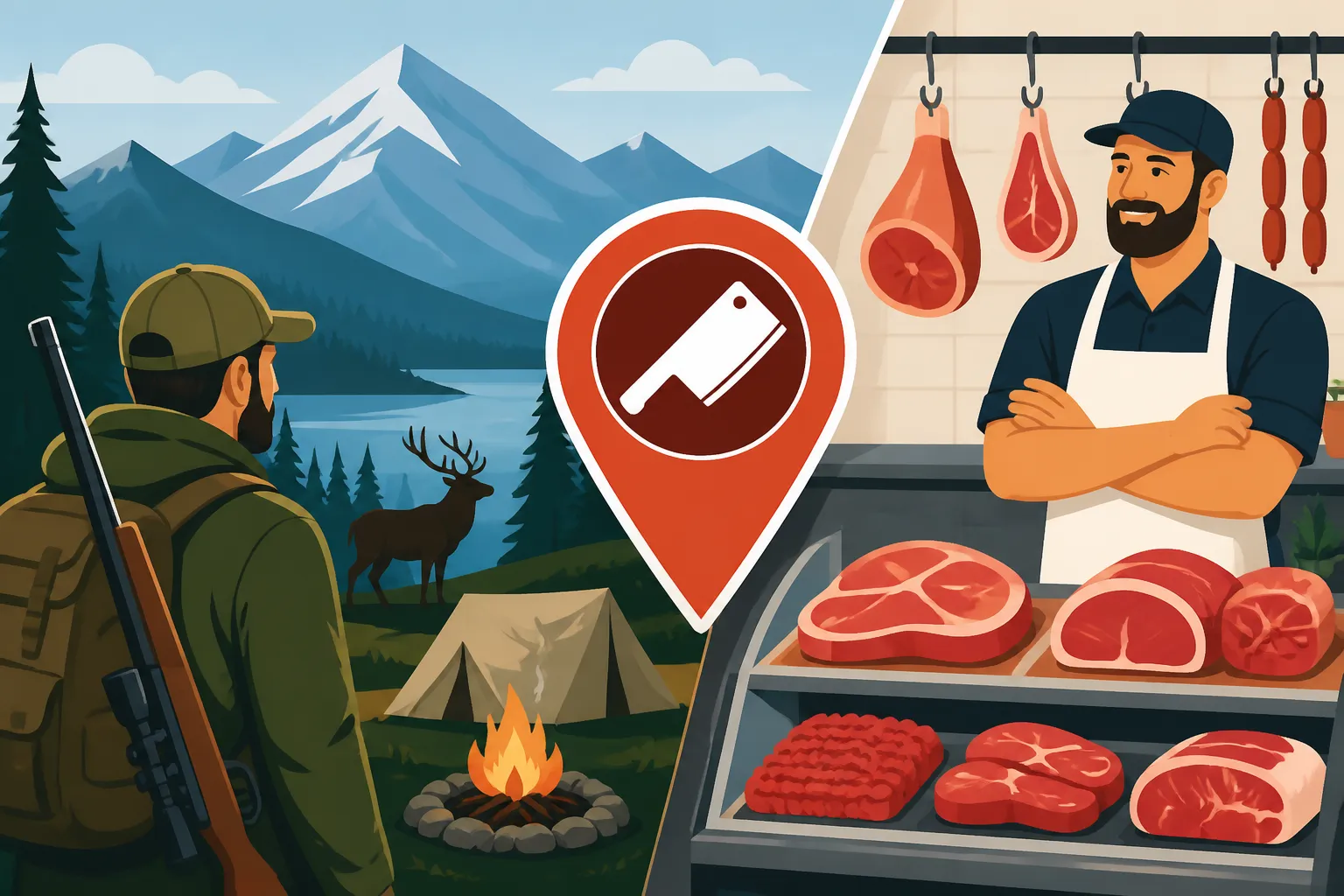
You've just wrapped up a successful hunt in the vast, wild beauty of British Columbia, perhaps a stunning mule deer buck from the dry Interior, or a hefty black bear off a coastal estuary. That rush of adrenaline is now fading, replaced by a deep sense of accomplishment—and perhaps a creeping worry about how you're going to get this animal from field to freezer. One of the biggest logistical hurdles many hunters face, especially those newer to the province or venturing into more remote areas, is finding a reliable butcher near their hunting camp. This guide is all about helping you navigate that often-overlooked but absolutely critical step, ensuring your hard-earned game is processed expertly and efficiently.
Why a Local Butcher is More Than Just a Convenience
It’s tempting to think you can just bone out your animal in the field and throw it in coolers, but British Columbia's diverse terrain and weather patterns, combined with the sheer size of its big game, often make a dedicated meat processor an invaluable asset. Relying solely on DIY methods might work for smaller game or short trips in cool weather, but when you've got a mature moose or a heavy elk, or you're hunting during one of British Columbia's Warm Early Seasons, a professional can be a game-changer.
Protecting Your Hard-Earned Meat
No hunter wants to see their hard work go to waste, yet improper meat care can quickly turn a trophy into a tragedy. Temperatures can fluctuate wildly in BC, even in fall. A warm spell can mean bacteria proliferate faster than you can say "backstrap." A good butcher has temperature-controlled facilities, specialized equipment for efficient breakdown, and the expertise to handle large carcasses swiftly. They understand how to cool meat properly, hang it to tenderize, and cut it in a way that maximizes yield and quality. This isn't just about flavour; it's about food safety. Losing an animal to spoilage is heartbreaking and can be prevented with foresight.
Navigating Regulations and Ethical Considerations
British Columbia has specific regulations regarding Transporting Game Meat in British Columbia and the proper care of harvested animals, including rules against Rules on Wasting Game Meat. While you might be excellent at field dressing, butchering an entire animal to specific cuts, or knowing how to handle specialty requests (like processing for jerky or sausage), can be daunting. A professional butcher knows these nuances inside and out. They understand how to package meat for long-term freezing, often vacuum-sealing it, which is something many backcountry hunters aren't equipped to do effectively. This commitment to proper processing also ties into the ethical responsibility we have as hunters to respect the animals we take.
Supporting Local Economies and Building Relationships
Hunting is deeply ingrained in the fabric of many small British Columbia communities. By using a local butcher, you’re doing more than just getting your meat processed; you're directly contributing to the local economy. These small businesses often rely on seasonal influxes from hunters. Building a relationship with a reliable butcher in an area you frequent can be incredibly beneficial. They might even offer insights into local hunting conditions, access points, or other services, becoming a valuable part of your hunting network. Think of the stories you can share while waiting for your order!
Strategies for Locating Butchers Before and During Your Hunt
The key to finding a good butcher isn't hoping to stumble upon one; it's proactive research. This planning should begin long before you even leave home and continue with local inquiries once you're on the ground.
Pre-Trip Research: Your Digital Detective Work
Before you pack a single piece of gear, get online and start searching. This is where those mapping tools and hunting community forums really shine. Look for butchers or meat processors in towns closest to your planned hunting area. For instance, if you're Hunting British Columbia's Kootenay Valleys, you might look at towns like Cranbrook, Kimberley, or Fernie. If you're heading up to the Cariboo, Williams Lake or 100 Mile House could be your targets.
Don't just search for "butcher"; expand your terms to "meat processor," "game processor," "wild game processing," or "custom cutting." Many smaller operations might not have extensive websites, but they might have a Facebook page or be listed in local business directories. When you're using resources to Scouting a British Columbia Management Unit Online, make a note of the nearest population centers and start your butcher search from there.
While platforms like BookYourHunt are primarily for booking guided trips, sometimes outfitters list details about their areas, or you can glean information about nearby services from their general area descriptions. Similarly, while GoHunt focuses on draw odds and western states, the general principle of detailed pre-hunt research it promotes applies to BC. You might find mentions of specific services in trip reports or forum discussions on broader hunting sites. Compile a list of potential butchers, their phone numbers, and operating hours.
Local Inquiries and On-the-Ground Intelligence
Once you're actually in British Columbia, perhaps picking up last-minute supplies or fueling up, ask around! Gas station attendants, general store owners, even local coffee shop baristas in smaller communities are often treasure troves of local knowledge. They might know exactly who processes game in the area, their reputation, and their peak busy times.
Another great source is other hunters. If you see trucks with game racks or notice other camps, strike up a friendly conversation. Most hunters are happy to share their experiences and recommendations. If you're staying at a local campground or lodge, the proprietor might also have contacts or recommendations. This personal touch can often lead you to hidden gems that wouldn't show up in an online search. Make sure to ask about their capacity, especially during opening week or the peak rut, as butchers can get overwhelmed quickly.
Logistics and Considerations When You've Found a Butcher
Finding a butcher is only half the battle; knowing how to work with them is just as important. Clear communication and understanding their services will make the process smooth for everyone.
Communication is Key: Before and After the Harvest
Before you head into the backcountry, it’s a good idea to call your top-choice butcher(s) from your research list. Ask about their current capacity, expected turnaround times, and if they have any specific requirements for dropping off game (e.g., skinned or unskinned, quartered or whole). Confirm their operating hours, especially around weekends or holidays. Some might require an appointment, particularly for larger animals.
Once you’ve harvested your animal, the clock starts ticking, especially if the weather is mild. Call the butcher as soon as you have cell service to give them a heads-up. Let them know what you’re bringing in, roughly when you expect to arrive, and if there are any immediate concerns (e.g., unusually warm weather). This allows them to prepare for your arrival and manage their workflow. Remember, they’re often dealing with multiple hunters at once.
Services, Capacity, and Cost Considerations
Butchers offer a range of services, and it’s important to know what to expect. Most will offer basic cutting and wrapping, but many also provide specialty services like sausage making, jerky, or even smoking. If you have specific requests, discuss them upfront. Do you want bone-in cuts or boneless? Steaks, roasts, or ground meat?
Capacity is a huge factor. During popular seasons like the British Columbia's October Rifle Opener or the peak of the When British Columbia's Moose Rut Peaks, butchers can quickly fill up. If you arrive with a whole moose and they're already swamped, you might face a significant delay or even be turned away. This is why pre-calling is so important.
Cost is another consideration. While I can't provide specific figures, understand that professional processing is an investment. You're paying for expertise, specialized equipment, and the time it takes to meticulously prepare your meat. Get an estimate upfront if possible. Factors influencing cost include the type and size of the animal, the extent of processing (basic cuts vs. specialty products), and packaging choices. Ensure you understand what's included and what might be extra.
Here's a quick comparison of using a professional butcher versus processing yourself:
| Feature | Professional Butcher | DIY Processing |
|---|---|---|
| Convenience | High – Drop off, pick up finished product | Low – Requires significant time and effort |
| Expertise | Professional knowledge of cuts, hygiene, yield | Varies by individual skill and experience |
| Equipment | Industrial-grade saws, grinders, vacuum sealers | Basic knives, potentially a small grinder |
| Sanitation | Controlled, sanitary environment | Can be challenging to maintain in field/camp |
| Cooling | Walk-in coolers, temperature control | Relies on ice, cool weather, proper ventilation |
| Specialty Cuts | Wide range (sausage, jerky, tenderizing) | Limited to personal skill and equipment |
| Packaging | Vacuum-sealed, labelled, professional | Freezer paper, bags, often less durable |
| Time Savings | Significant – Frees up your post-hunt time | None – You do all the work |
| Cost | Upfront processing fees | Minimal direct cost (equipment, supplies) |
Temporary Storage Solutions
What if you've harvested an animal, but the butcher can't take it for a day or two? Or what if you're in a truly remote area? Having a plan for temporary meat storage is crucial. Hanging Meat at a Backcountry Camp is often the first step. For larger animals, consider quartering it in the field to allow for better cooling and easier transport. You'll need game bags to protect the meat from insects and dirt. If you're fortunate enough to be hunting in cold weather, a properly hung carcass can keep for a few days.
If temperatures are mild, a reliable cooler system with plenty of ice is essential. Drain water regularly and keep meat elevated off melting ice. For extended periods, block ice lasts longer than cubed ice. Some hunters use insulated game bags that can help maintain temperature for a short while, especially when combined with ice packs. The goal is to get the core temperature of the meat down as quickly as possible and keep it there.
Alternatives When a Butcher Isn't an Option
Sometimes, despite your best efforts, a professional butcher simply isn't a viable option. Maybe you're too deep in the backcountry, the nearest town is too far, or the season is so busy that everyone is booked solid. Having alternative strategies is paramount.
DIY Field Processing and Backcountry Meat Care
For many seasoned British Columbia hunters, especially those on multi-day backcountry trips, field processing is a necessity. This involves boning out the animal on the spot, packaging the meat into game bags, and then packing it out. This method is common for those hunting sheep or goats high in the alpine, or for moose in dense timber where getting a whole animal out is impossible. Getting a Moose Out on a British Columbia River often involves field quartering, for example.
You'll need a sharp knife or two, a small sharpening stone, good quality game bags, and a reliable pack frame for Packing Meat With a Frame Pack. Knowledge of anatomy is key to efficiently removing all edible meat. The goal is to get the meat cooled as quickly as possible. This might mean hanging the game bags in a shady, airy spot, or even in a cold stream if appropriate. It’s a lot of physical work, and it demands attention to hygiene to prevent contamination. If you're going this route, consider taking an online course or practicing on a smaller animal first.
Community Cold Storage and Temporary Solutions
In some rural British Columbia communities, particularly those with a strong hunting culture, you might find community-run cold storage lockers or facilities. These aren't full-service butchers but offer a safe, temperature-controlled space to hang or store meat temporarily before you can transport it home or to a more distant processor. These are often invaluable for hunters from out of town who need to keep their meat cold while finishing their trip or arranging long-haul transport. Ask around in local shops or at the regional fish and wildlife office if such facilities exist.
Another temporary solution might be a well-insulated trailer or a rental truck with a refrigeration unit, though these are much less common and more costly. For smaller game like deer or bear, sometimes local restaurants or lodges with large walk-in coolers might, in a pinch, offer temporary storage for a fee, but this is rare and relies heavily on personal connections and their capacity.
Mobile Butcher Services (Where Available)
While not widespread, mobile butcher services do exist in some regions. These are outfits with a specialized trailer equipped for slaughter and processing, often serving livestock producers but sometimes taking on wild game. They might be able to come closer to your camp or a more accessible rendezvous point, significantly reducing your transport challenge. Again, finding these services requires diligent pre-trip research and local inquiries. They tend to be booked solid, so early contact is essential.
Regardless of whether you use a professional butcher or process your game yourself, remember that ethical hunting means ensuring your harvest is treated with respect and handled in a way that preserves its quality for the table. Planning for meat care is as important as planning your hunt itself.
Disclaimer
This article is for general informational purposes only and does not constitute professional advice. Laws, prices and regulations vary by location and change over time. Consult a qualified professional for guidance on your specific situation.