Practicing Before a Guided Mountain Hunt
Heading into a guided mountain hunt in British Columbia can feel like signing up for an athletic event you haven't fully trained for, especially when you're thinking about the rugged terrain and the pressure of a single, crucial shot. Many hunters find themselves wondering if they've done enough to prepare, worrying about whether their body will hold up or if their shot will be true after a strenuous climb. This guide is all about helping you tackle those anxieties head-on, giving you actionable steps to physically and mentally prepare, and hone your shooting skills so you can approach your mountain adventure with confidence.
Why Practice Matters for British Columbia Mountain Hunts
British Columbia’s mountains are breathtaking, but they are also incredibly demanding. This isn't your flatland deer hunt where you might walk a few hundred yards from the truck. We're talking about serious vertical gain, unstable footing, and often, unpredictable weather. Being ready means more than just having the right gear; it means your body and your marksmanship are finely tuned for the unique challenges these environments present.
Understanding the Unique Challenges of Mountain Terrain
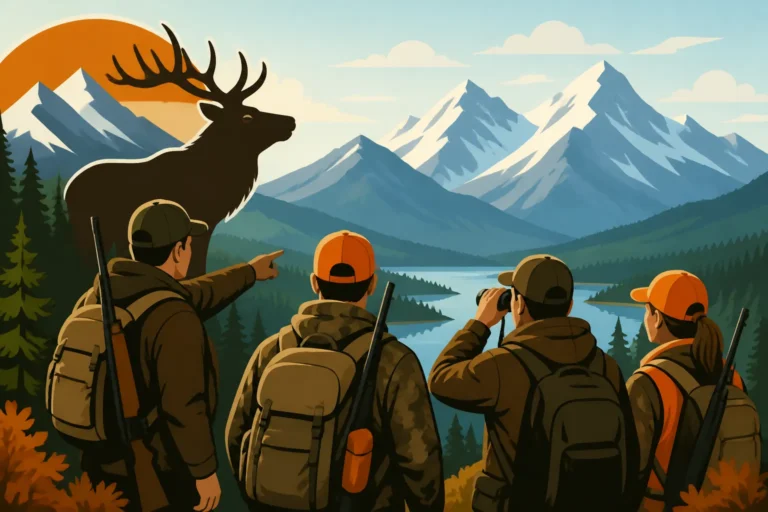
Imagine yourself at 6,000 feet, already breathing hard, climbing a shale slide that seems to go on forever. Your pack feels heavier with every step, and then, suddenly, your guide points to a ram bedded 300 yards across a canyon. Your heart is pounding, your muscles are screaming, and you need to make a calm, precise shot. This is the reality of hunting sheep, goat, or high-country mule deer in British Columbia. The terrain alone can break a hunter who isn't prepared. You'll encounter everything from steep, loose scree slopes to dense, tangled alders, slick moss-covered rocks, and creek crossings. Each step is an effort, each mile a significant achievement. Getting Meat Out of Steep British Columbia Country is a challenge in itself, never mind getting yourself up there.
Beyond the physical exertion, the altitude can affect some hunters, causing fatigue, headaches, or even more severe symptoms. While British Columbia's peaks aren't as high as some in other mountain ranges globally, a significant portion of our best mountain hunting happens between 5,000 and 8,000 feet, where the air is noticeably thinner for those accustomed to sea level. This thinning air will test your cardiovascular system, making even simple tasks feel more arduous. You need to prepare your body not just for the distance, but for the elevation and the constant up and down.
The Impact of Weather and Pack Weight
British Columbia weather in the mountains can shift dramatically in a matter of hours. A sunny morning can quickly turn into a driving rain or even a snow squall, even in early fall. When you're miles from camp, often above timberline, being cold, wet, and tired is a recipe for poor decision-making and missed opportunities. You'll be carrying a pack laden with essentials: water, food, extra layers, optics, first-aid, and maybe even a spotting scope. This weight, combined with the elements and the terrain, amplifies every challenge. A 40-pound pack on flat ground feels vastly different from the same pack halfway up a 3,000-foot vertical ascent.
The pressure of a guided hunt, where you've invested significant time, money, and emotional energy, adds another layer of complexity. You don't want to be the hunter who couldn't keep up or couldn't make the shot because they underestimated the physical demands. This preparation isn't just about bagging an animal; it's about safely and effectively participating in the hunt, making the most of your investment, and truly earning that animal.
Physical Conditioning: Getting Your Body Ready for the Mountains
Your body is your most important piece of gear on a mountain hunt. No amount of expensive optics or lightweight rifle will compensate for a lack of physical fitness. Preparing for the physical demands of British Columbia's mountains should start months, not weeks, before your hunt. Think of it as training for a marathon, but one that involves heavy lifting and climbing.
Building Cardiovascular Stamina and Leg Strength
To tackle those long climbs and steep descents, a robust cardiovascular system is paramount. You need to be able to hike for hours on end without completely redlining your heart rate. Incorporate activities like trail running, cycling, swimming, or even brisk walking on an incline. The key here is consistency and intensity. Don't just go for casual strolls; push yourself to elevate your heart rate and maintain it for extended periods. Stair climbers or hiking uphill on a treadmill with a steep incline are fantastic tools if you don't have access to natural hills.
Leg strength is equally critical. Those quads, hamstrings, and calves will be working overtime. Lunges, squats, step-ups (especially with a weighted pack), and box jumps are excellent for building the muscle endurance and power needed. Don't neglect your core, either. A strong core provides stability, which is vital when navigating uneven terrain with a heavy pack. Plank variations, Russian twists, and medicine ball exercises can all help. Focus on functional movements that mimic what you’ll be doing in the field, rather than just isolated muscle exercises.
Practicing with Your Weighted Pack
This is where many hunters fall short. You can run all the miles you want, but if you haven't trained with the actual weight you'll be carrying, you're setting yourself up for a rude awakening. Start by loading your hunting pack with 20-30 pounds, gradually increasing the weight to match or even exceed what you expect to carry on your hunt. Packing Meat With a Frame Pack is a whole different beast, so simulate that as well if you're planning to pack out your own animal.
Hit the steepest trails you can find with this loaded pack. If you don't have mountains nearby, use stadium stairs, stair climbers, or even just repeated ascents of a steep hill. Pay attention to how your body feels, how your hips, shoulders, and knees respond to the sustained weight and effort. This also gives you a crucial opportunity to ensure your pack fits properly and to identify any hot spots or discomfort that could turn into serious issues days into a hunt. It's not just about strength; it's about endurance under load.
Proper Footwear and Ankle Stability
Your feet and ankles take a brutal pounding in mountain country. You need tough, supportive boots that are broken in. Don't show up with brand-new boots! Wear your chosen hunting boots for all your training hikes. This will break them in properly, identify any fit issues, and toughen your feet. Boots for Steep British Columbia Country means something specific—they need to be waterproof, durable, and provide excellent ankle support to prevent twists and rolls on uneven ground.
Incorporate exercises that specifically target ankle stability. Calf raises, single-leg balancing drills, and walking on uneven surfaces (like gravel or rocky trails) can strengthen the muscles and ligaments around your ankles. This seemingly small detail can save your hunt if it prevents a sprain or injury far from the nearest road.
Sharpening Your Shooting Skills for Mountain Shots
Even the most physically fit hunter won't succeed if they can't make the shot when it counts. Mountain hunting presents unique shooting challenges that demand specialized practice beyond a flat range bench rest. The combination of elevation, physical exertion, and often awkward shooting positions means you need to be proficient and confident.
Simulating Field Conditions at the Range
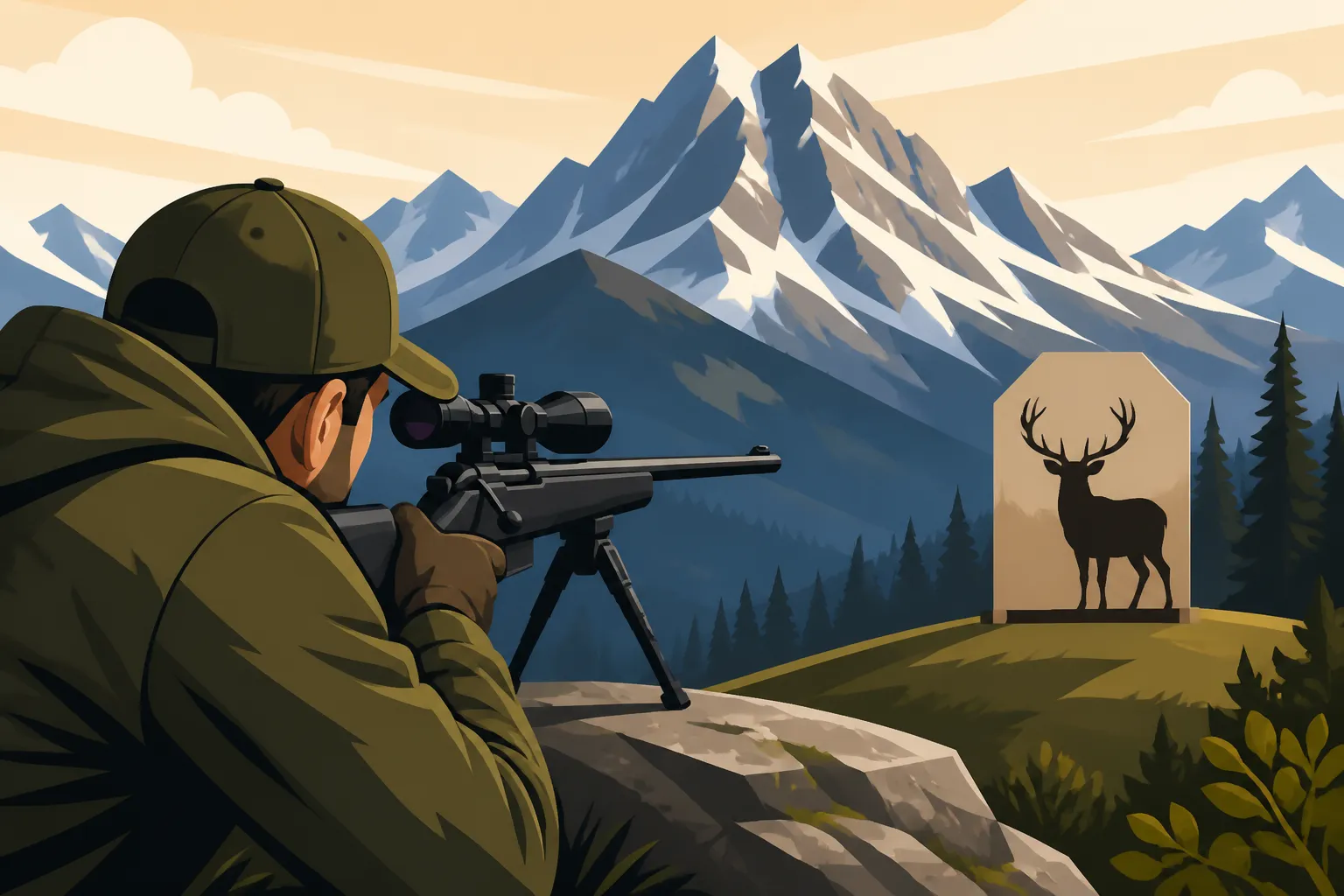
Forget shooting from a comfortable bench. Mountain hunting rarely offers such luxuries. You need to practice shooting from real-world positions. This includes prone, kneeling, and sitting, often with your pack as a rest. Imagine Glassing an Alpine Basin for Rams, then needing to transition quickly and quietly into a shooting position on uneven ground. Practice acquiring your target after a simulated stalk or a steep climb to get your heart rate up. Jog for a few minutes, then immediately try to get into a stable shooting position and take a shot. This replicates the reality of shooting when your body is fatigued and your heart is pounding.
Range practice should also involve varying distances. While many shots might be within 200 yards, a mountain hunt might call for a 300-400 yard shot across a valley. Understand your rifle's ballistics intimately. Practice dialing in your scope or using holdovers for different ranges. Use smaller targets than you think you need to build precision. And don't forget the "cold bore" shot – the first shot from a clean, cold barrel – as this is often your best, and sometimes only, chance.
Shooting from Unconventional Positions
In the mountains, you'll rarely find a perfectly flat, clear shooting lane. You might be shooting downhill, uphill, across a canyon, or through a small window in the brush. Practice shooting at various angles, perhaps finding a safe spot on a hillside range that allows for uphill and downhill shots. Use natural rests like rocks, fallen logs, or your hiking poles to stabilize your shot. Shooting Positions on a Mountain Hunt are incredibly varied, and versatility is key.
Another critical aspect is practicing with your actual hunting gear. Your bipod, trekking poles, or even your backpack as a rest will feel different than sandbags at the range. Become intimately familiar with how to quickly and stably deploy these aids under pressure. Consider adding snap caps to your range bag to practice dry firing from these positions, focusing on breath control and trigger squeeze without the recoil. This builds muscle memory and confidence.
Optics and Ballistics Familiarity
Understand how your scope works. Practice dialing for elevation and windage, or using your reticle's holdovers. Familiarize yourself with a rangefinder and how to use it quickly and accurately in varying light and terrain. Understanding how bullet drop and wind drift are affected by elevation and temperature can make a big difference, though practical application often boils down to knowing your rifle's zero and practicing at those extended distances. Many hunters use ballistic apps or online tools to create drop charts, but the critical step is verifying those charts through actual shooting.
Even if you primarily hunt with a rifle, spending time with a spotting scope and binoculars, glassing distant objects and judging distance, will enhance your ability to find animals and prepare for a shot. This also lets you practice using your optics with fatigued eyes, which is a real challenge after hours of intense hiking. Resources like GoHunt often have articles discussing the importance of optics and their use in mountainous terrain, offering valuable insights.
Mental Preparation and Gear Familiarity
Beyond the physical and shooting aspects, the mental game and intimate knowledge of your gear are often overlooked but absolutely crucial for success on a guided mountain hunt in British Columbia.
Cultivating a Resilient Mindset
Mountain hunting is a grind. There will be days of relentless hiking, tough weather, no animal sightings, and moments of doubt. A resilient mindset is what separates those who push through from those who break. Practice mental fortitude by pushing yourself in your training. Embrace discomfort. When you're tired on a training hike, remind yourself that this is preparing you for the hunt. Visualize success, but also visualize overcoming challenges.
Work on your patience. Spot-and-stalk hunting in the mountains can involve hours, even days, of glassing and slowly navigating terrain to get into position. The ability to stay focused, calm, and positive when things aren't going your way is invaluable. Emergency Planning in British Columbia's Backcountry is also part of this — knowing you have a plan for contingencies builds confidence. Some hunters find meditation or mindfulness exercises helpful in developing this mental toughness and focus.
Thorough Gear Shakedowns
Your guided hunt often involves specialized gear that you might not use every day. Don't wait until you're in camp to discover a problem. Every piece of equipment, from your boots and pack to your rifle, optics, and tent (if you're doing a spike camp), needs a thorough shakedown. Hike with your fully loaded pack, including all the specific items you'll be carrying on the hunt. Test your layering system in different conditions. Make sure your headlamp works, your water filter doesn't leak, and your cooking system is reliable.
This extends to smaller items too. Are your trekking poles adjusted correctly? Does your rangefinder battery last? Is your first aid kit complete and easily accessible? This isn't just about comfort; it's about safety and efficiency. If you're going with an outfitter, they'll often provide a gear list, and platforms like BookYourHunt can help you research outfitters who share detailed packing guidelines for their specific areas. Make sure you understand how to use everything, even seemingly simple items, under duress.
Navigation and Communication Preparedness
While your guide will handle the primary navigation, understanding basic map and compass skills, or how to use your GPS device or satellite messenger, is a valuable backup. Familiarize yourself with the area you'll be hunting if possible, even just by studying maps. Knowing your general surroundings can boost confidence and situational awareness. Satellite Communication on a Remote Hunt is a critical piece of modern backcountry gear, and knowing how to send an "all clear" message or an SOS is essential.
Practice using these devices in situations where you might be tired or stressed. Can you still operate your GPS with cold fingers? Is your satellite messenger easily accessible and charged? These aren't just guide responsibilities; being a prepared hunter means taking personal responsibility for your own readiness, both for the hunt and for any unforeseen circumstances.
Conclusion
A guided mountain hunt in British Columbia is an incredible adventure, offering the chance at some of North America's most challenging and rewarding experiences. But it's an experience that truly rewards preparation. By dedicating yourself to physical conditioning, honing your shooting skills, and thoroughly familiarizing yourself with your gear and the mental demands, you're not just increasing your odds of success; you're ensuring you can fully enjoy every moment of the journey. Don't underestimate the mountains, but don't doubt your ability to conquer them with the right preparation. Your future self, standing over your hard-earned trophy, will thank you for the effort.
Disclaimer
This article is for general informational purposes only and does not constitute professional advice. Laws, prices and regulations vary by location and change over time. Consult a qualified professional for guidance on your specific situation.