Insurance a British Columbia Outfitter Should Carry
Heading out on a British Columbia hunt is an incredible adventure, but it’s also a significant investment of your time, money, and trust in the outfitter you choose. One of the less exciting, but absolutely critical, pieces of that puzzle is understanding the insurance an outfitter should carry. It's a topic many hunters overlook, only to regret it if something goes wrong. This guide will help you understand the types of coverage essential for a reputable British Columbia outfitter, giving you peace of mind before you ever set foot in the wilderness.
Why Insurance is Non-Negotiable for British Columbia Outfitters
Let's be real, hunting in British Columbia is not a walk in the park. It often involves remote travel, challenging terrain, powerful animals, and unpredictable weather – all factors that inherently carry risk. When you book a guided hunt, you're placing your safety and your experience into the hands of the outfitter and their guides. Without proper insurance, you, or even the outfitter, could face devastating financial consequences should an accident, injury, or unexpected event occur. It’s not about expecting the worst, but preparing for it, because as every seasoned hunter knows, the unexpected is often just around the corner in the backcountry.
Protecting Clients and the Outfitter's Business
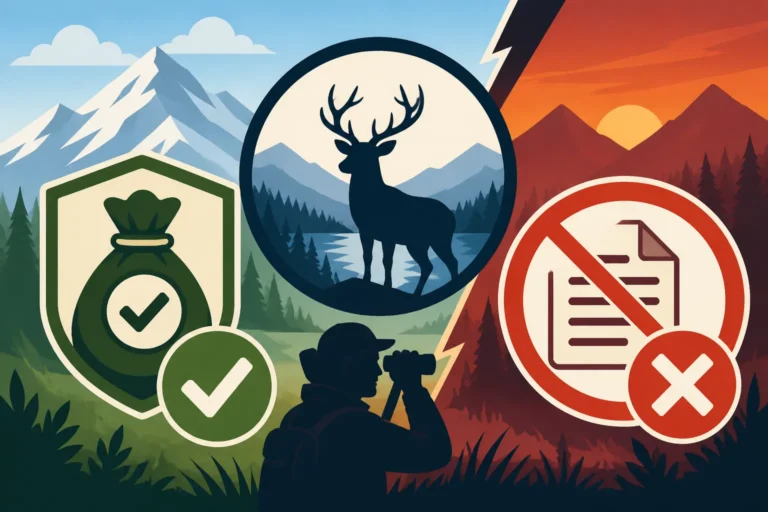
From a client's perspective, knowing your outfitter is adequately insured is like having a robust safety net. It means that if you unfortunately suffer an injury during the hunt, or if there's damage to your personal property due to negligence or an unforeseen incident related to the outfitter's operations, there's a mechanism in place to cover medical expenses, legal fees, or replacement costs. This isn't just a nicety; it's a fundamental safeguard. You're paying for a professional service, and professionalism includes accountability and financial security.
For the outfitter, insurance is equally vital. It protects their business from potential lawsuits, significant financial losses due to property damage, or the costs associated with an unforeseen event that impacts their operations. Imagine an incident where a client is seriously injured; without insurance, the outfitter's entire business could be wiped out by legal claims, not to mention the moral and ethical responsibilities involved. Insurance allows them to operate with confidence, knowing they can meet their obligations and continue providing services for future hunters.
The Specific Risks of Hunting in British Columbia
British Columbia presents a unique set of challenges that underscore the need for comprehensive insurance. We're talking about vast, rugged wilderness where help can be hours, or even days, away. Think about the possibility of an ATV rollover on a remote Hunting British Columbia's Logging Road Network, a fall while navigating steep alpine terrain during a Backpack Hunting British Columbia's Sheep Country, or an unexpected encounter with a grizzly bear in thick cover. These aren't just hypothetical scenarios; they are real possibilities that require serious consideration.
Beyond personal injury, there's the risk of property damage. Perhaps a fire breaks out in a remote camp, or a client's valuable rifle is damaged during transport in a float plane or jet boat. Outfitter operations often involve expensive equipment – vehicles, boats, horses, camp gear – all of which are subject to wear, tear, and accidental damage in harsh environments. A responsible outfitter understands these risks and ensures they have the right coverage to mitigate the financial fallout for both themselves and their clients. It's an investment in their reputation and the safety of everyone involved.
Key Types of Insurance Policies for Outfitters
When you start looking into the nitty-gritty of outfitter insurance, you'll find a few common types that are absolutely essential. These aren't just boilerplate policies; they are specifically designed to address the inherent risks involved in guiding clients on hunting trips in wild, untamed landscapes like British Columbia. Understanding what each type covers can help you ask the right questions and feel more secure in your choice of a reputable operation.
Commercial General Liability (CGL)
Commercial General Liability, or CGL, is the cornerstone of any reputable outfitter's insurance portfolio. Think of it as broad coverage for third-party bodily injury and property damage that might occur during their operations. This is the policy that would typically kick in if you, as a client, were to slip and fall at their base camp and break an arm, or if one of their vehicles accidentally damaged your personal gear while loading. It covers incidents that arise from the general conduct of their business, whether that's in the field, at their lodge, or during transit.
However, it's crucial to understand the limits of CGL. While it covers general accidents, it might not cover incidents arising from professional negligence or specific activities. For example, if a guide makes a critical error in judgment that leads to an injury, that might fall under a different type of coverage. Still, CGL is paramount because it provides a baseline of protection for everyday occurrences that could lead to injury or property loss, offering a crucial layer of security for both parties. This is usually the first type of insurance you'd expect any legitimate business, including an outfitter, to possess.
Professional Liability (Errors & Omissions)
Professional Liability insurance, often called Errors & Omissions (E&O) insurance, is specifically tailored for professions where advice or services could lead to financial loss or injury due to a mistake or omission. For a hunting outfitter, this is incredibly important. Imagine a scenario where a guide misidentifies a legal animal, leading a client to harvest an illegal one, resulting in fines or tag revocation. Or perhaps a guide's poor judgment in assessing terrain leads to a preventable accident. These are situations where professional advice or action (or inaction) directly impacts the client's experience or safety.
This type of insurance addresses claims related to negligence, misrepresentation, inaccurate advice, or other errors made during the professional services rendered by the guide or outfitter. While CGL covers general accidents, E&O steps in when the core professional expertise is questioned. Many top-tier outfitters, especially those found on platforms like BookYourHunt or those highly rated on forums you might find through GoHunt, will ensure they carry this specialized coverage to protect against claims stemming from the inherent complexities and judgment calls made in the field. It’s a sign of a truly comprehensive approach to risk management.
Accident and Medical Coverage
While CGL covers injuries due to general negligence, and E&O covers professional errors, specific accident and medical coverage often provides a direct benefit for injured clients regardless of fault. This can be especially important in remote British Columbia, where emergency medical services are not always readily available and evacuations can be costly. Some outfitters might have policies that offer a certain level of direct medical expense coverage or even medical evacuation benefits for their clients. This is not always a given with basic CGL policies, so it's a detail worth asking about.
Consider what happens if you twist an ankle deep in the backcountry. Even if it's not the guide's fault, getting you out and to a hospital can involve significant expense and logistical challenges. Having a policy that helps cover these immediate costs can be a huge relief, saving you from a potentially massive bill on top of your injury. Always clarify what emergency medical and evacuation coverage, if any, is included for clients within the outfitter's insurance plan. It's a critical component for peace of mind when venturing into truly wild places.
Equipment and Property Insurance
An outfitter's operation relies heavily on a vast array of equipment and property, from hunting vehicles and boats to tents, cooking gear, and communication devices. Loss or damage to these assets can be incredibly disruptive and expensive. Equipment and property insurance protects the outfitter's investment in these essential tools of the trade. This might cover everything from a snowmobile breaking down due to an accident, to a wall tent being destroyed in a windstorm, or even valuable optics being stolen from a camp.
While this primarily protects the outfitter, it indirectly benefits you as the client. If critical equipment is damaged or lost and the outfitter can't quickly replace it, your hunt could be jeopardized. More directly, some policies might extend to cover client property that is under the outfitter's care and control during the hunt, though this needs to be explicitly confirmed. Always ensure your valuable personal hunting gear, like your rifle or high-end optics, are covered by your own personal travel or home insurance policy, as the outfitter's policy might not offer full replacement value for client possessions.
| Insurance Type | Primary Coverage | Why It Matters for Hunters |
|---|---|---|
| Commercial General Liability (CGL) | Third-party bodily injury and property damage from general business operations | Covers common accidents like slips, falls, or damage to personal gear not due to professional error. |
| Professional Liability (E&O) | Claims arising from professional negligence, errors, or omissions in service | Protects against issues from guide's judgment errors, misidentification of game, or improper handling of regulations. |
| Accident & Medical Coverage | Direct medical expenses or evacuation costs for client injuries | Can cover costs for injuries sustained in the field, potentially even without fault, including remote rescue. |
| Equipment & Property Insurance | Damage or loss to outfitter's equipment, vehicles, and camp property | Ensures the outfitter can maintain operations and indirectly impacts hunt quality; may cover some client property. |
What to Ask Your British Columbia Outfitter About Their Coverage
It's one thing for an outfitter to say they're insured, and another entirely to understand the specifics of that coverage. As a diligent hunter making a significant commitment, it's absolutely within your right to ask questions and seek clarification. A transparent and professional outfitter will welcome these inquiries, understanding that it's part of building trust and ensuring you feel comfortable and secure. This isn't being paranoid; it's being prepared.
Understanding Policy Limits and Exclusions
When you inquire about an outfitter's insurance, don't just ask "Are you insured?" Delve deeper. Ask about the limits of their policies. For example, what is the maximum payout for a CGL claim, or for medical expenses? Policies with low limits might not provide adequate protection in the event of a serious incident, especially considering the costs of medical care and emergency services. Similarly, ask about any significant exclusions. Some policies might exclude certain high-risk activities, specific types of injuries, or incidents occurring in extremely remote locations. Knowing these details upfront is crucial for managing your expectations and understanding your potential exposure.
For example, some policies might have specific exclusions for helicopter operations or certain types of backcountry travel, which are common on many British Columbia hunts, especially for species like sheep or goat. Outfitters often tailor their insurance to the specific risks of their operations, so make sure their coverage aligns with the type of hunt you're booking. A reputable outfitter will be able to clearly articulate what is and isn't covered. If you find an outfitter listed on a service like BookYourHunt or recommended by a site like GoHunt, they're typically vetted for professionalism, which often includes appropriate insurance, but it's always smart to double-check.
Verifying Proof of Insurance
The best way to ensure an outfitter is adequately insured is to ask for proof. This isn't an unreasonable request; in fact, it's a standard practice in many industries. You should request a Certificate of Insurance (COI) from the outfitter's insurance provider. This document will typically list the types of coverage, the policy limits, and the effective dates of the policy. It's objective, verifiable proof, rather than just a verbal assurance. A legitimate outfitter will have no issue providing this to serious clients.
Take the time to review the COI carefully. Look for familiar terms like Commercial General Liability and note the coverage amounts. Ensure the dates are current and the policy hasn't expired. This due diligence can save you immense headaches down the line. If an outfitter is hesitant or unable to provide a COI, that should raise a significant red flag. After all, you wouldn't buy a car without checking its registration, so don't embark on a high-stakes hunting adventure without verifying your outfitter's professional standing. This step is as important as reviewing their British Columbia Guide Outfitter Licensing Rules.
What to Do If an Incident Occurs
Even with the best preparation and the most comprehensive insurance, accidents can still happen. Knowing what steps to take if an incident occurs is crucial for ensuring any claims are handled smoothly. First and foremost, your immediate concern should always be safety and administering first aid if needed. Once the immediate crisis is managed, thoroughly document everything. Take photos, note times and dates, get names of witnesses, and write down a detailed account of what happened.
Report the incident to your outfitter immediately. They should have a clear protocol for reporting and managing incidents, including contacting their insurance provider. Follow their instructions, but also keep your own detailed records of all communications. If you are injured, seek medical attention promptly and retain all medical reports and receipts. While we hope for a smooth, uneventful hunt, being prepared for an incident, even just mentally, ensures you can navigate any challenges effectively. This foresight is part of good Emergency Planning in British Columbia's Backcountry.
Disclaimer
This article is for general informational purposes only and does not constitute professional advice. Laws, prices and regulations vary by location and change over time. Consult a qualified professional for guidance on your specific situation.