Signing an Outfitter Liability Waiver
Getting ready for a big hunting trip in British Columbia is incredibly exciting. You're probably dreaming of vast landscapes, crisp mountain air, and the thrill of the chase. But before you get to pull on your boots and head out, there’s often a pile of paperwork waiting for you, and among it, the dreaded liability waiver. Many hunters just sign these quickly, eager to get to the good stuff, but understanding what you're signing is critical for your peace of mind and safety. This guide will walk you through what these waivers mean, why they're part of the process, and what you should consider before putting your signature on the dotted line.
What Exactly Is a Hunting Liability Waiver?
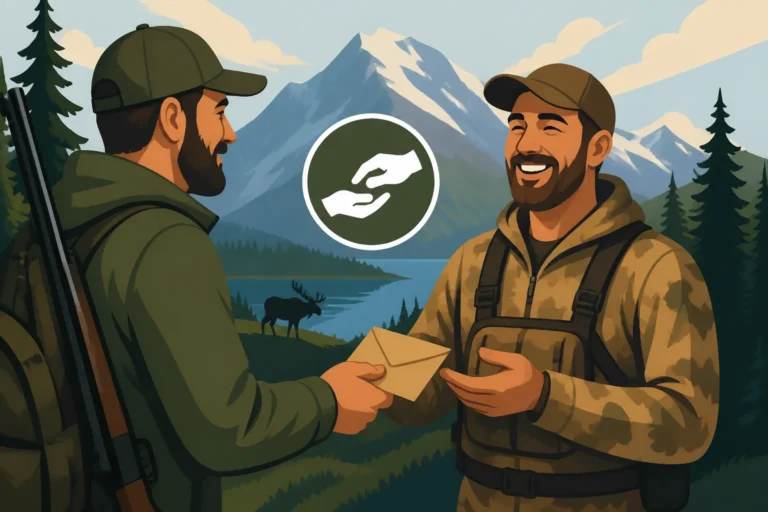
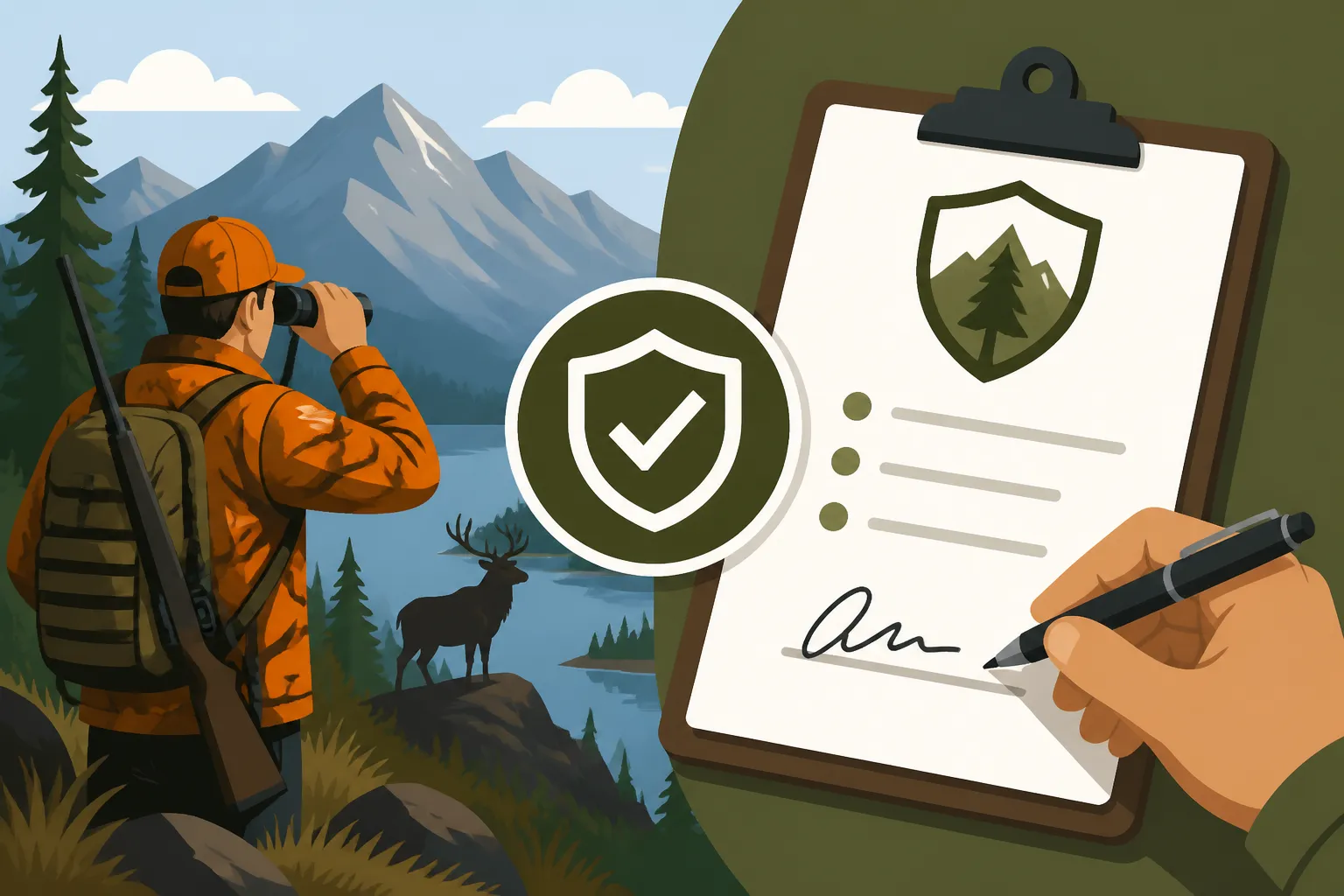
Imagine standing at the trailhead, pack on your back, rifle slung, and the outfitter hands you a document. That document, often called a liability waiver, is a legal agreement. It's designed to outline the inherent risks of participating in an activity like hunting in British Columbia's rugged wilderness and, crucially, to release the outfitter from certain legal responsibilities should something go wrong. It's not just a formality; it's a serious piece of paper that affects your rights.
The Purpose Behind the Paperwork
At its core, a hunting liability waiver serves two primary purposes: acknowledging inherent risks and protecting the outfitter. When you venture into the backcountry of British Columbia, you're signing up for an adventure that, by its very nature, carries risks. Think about the unpredictable weather in the mountains, the chance of encountering dangerous wildlife, or simply the potential for a slip and fall on uneven terrain. The waiver ensures that you, the hunter, understand and accept these inherent dangers. You can't later claim you weren't aware that hunting involves, say, traversing steep, rocky slopes, or that a grizzly bear might be present.
From the outfitter's perspective, this document is a shield. They invest time, money, and expertise into providing a safe and memorable experience, but they can't control every single variable in the wild. A waiver helps protect their business from lawsuits stemming from accidents or injuries that occur despite their best efforts and due to the inherent risks of hunting. It's a way for them to manage the significant legal exposure that comes with guiding clients in a high-risk environment.
Common Clauses You'll Encounter
When you sit down to read one of these waivers, you'll likely see a few recurring themes and specific clauses. Don't gloss over them. The first is usually an Assumption of Risk clause. This is where you explicitly state that you understand the dangers involved in hunting – things like adverse weather conditions, difficult terrain, equipment failure, and even the actions of other participants or wildlife. It might detail specific examples, like falling from a horse, getting lost, or encountering a bear in British Columbia's Grizzly Population Estimate. By signing, you're confirming that you are voluntarily participating and accept these known risks.
Another key component is the Release of Liability. This clause typically states that you, your heirs, and your legal representatives will not sue or hold the outfitter, their employees, or agents responsible for injuries, damages, or losses that might occur. This is where you give up your right to pursue legal action against them for ordinary negligence. It's a big deal. For instance, if you stumble on a poorly maintained trail and break your ankle, this clause might prevent you from suing the outfitter, provided their actions didn't amount to something more severe than ordinary negligence.
Finally, an Indemnification clause often appears. This is where you agree to protect the outfitter from financial loss in case a third party makes a claim against them because of your actions or your injury. For example, if you somehow cause damage to another person or property during the hunt, this clause could mean you'd be responsible for the outfitter's legal costs if they were sued as a result. While it might sound intimidating, these clauses are standard practice in adventure tourism, and particularly in a challenging activity like hunting in British Columbia's diverse and often rugged terrain.
Why Outfitters Require You to Sign
It’s easy to feel like these waivers are just another bureaucratic hurdle, but for British Columbia outfitters, they’re a fundamental part of operating a legitimate business in a high-risk industry. They’re not trying to shirk all responsibility, but rather to establish a clear understanding of what they can and cannot be held accountable for.
Protecting Their Business and Livelihoods
Operating a guide-outfitting business in British Columbia is a significant undertaking. There are substantial costs involved, from maintaining equipment and vehicles to securing British Columbia Guide Outfitter Licensing Rules and ensuring compliance with a myriad of regulations. A single lawsuit, even if meritless, can be financially devastating, draining resources through legal fees and potentially forcing a business to close. By having clients sign a liability waiver, outfitters are taking a proactive step to mitigate this risk. They are trying to ensure that their passion, which is often also their family livelihood, is not jeopardized by unforeseen accidents that are inherent to the nature of hunting.
Furthermore, these waivers play a role in their own insurance coverage. Insurance companies that provide policies for guide outfitters are well aware of the risks involved. They often require that outfitters have robust waivers in place as a condition of providing coverage or to reduce premiums. So, in many ways, the waiver is a reflection of the industry standards and legal expectations placed upon outfitters. They are simply doing what is necessary to continue offering unforgettable experiences to hunters while safeguarding their operations. When you're browsing platforms like BookYourHunt for an outfitter, you'll find that reputable operations will always have clear policies, including waivers, as part of their booking process.
Ensuring Hunter Awareness of Risks
Beyond legal protection, a significant reason for the waiver is to ensure that hunters are fully aware of what they are getting into. Hunting, especially in the remote and wild parts of British Columbia, is not a theme park ride. It demands respect for nature, physical fitness, and an understanding of potential dangers. The waiver acts as a formal disclosure document. It forces you to pause, read, and acknowledge that you understand the challenges and potential hazards.
This awareness is crucial for your own safety. If you’re signing a document that details risks like exposure to extreme weather, encounters with dangerous game, or the possibility of injury due to the remote nature of the hunt and limited access to medical care, you’re more likely to take these risks seriously. This might translate into better preparation – ensuring you have appropriate gear for What to Wear for British Columbia's Coastal Rain or practicing your shooting for various Shooting Positions on a Mountain Hunt. It encourages a mindset of personal responsibility, which is paramount in any backcountry pursuit. It's a reminder that while the outfitter provides guidance and support, your safety also relies heavily on your own judgment, adherence to safety protocols, and preparation.
What to Look For and Ask Before Signing
You wouldn't buy a new rifle without understanding its features and safety mechanisms, and you shouldn't sign a legal document without understanding it either. It can feel awkward to scrutinize paperwork when you're excited about your hunt, but it's a vital step in responsible trip planning.
Reading the Fine Print
This is where your inner lawyer needs to come out – or at least your careful reader. Don't just skim it. Take the time to read every paragraph, every sentence. Look for anything that seems unclear, overly broad, or that makes you uncomfortable. Pay particular attention to what the waiver explicitly covers and, perhaps more importantly, what it doesn't cover. Some waivers might specifically exclude gross negligence or intentional misconduct on the part of the outfitter, while others might attempt to cover almost everything.
For instance, a waiver might cover injuries from falling on a trail, but what about injuries sustained due to an outfitter's vehicle not being properly maintained? Or what if a guide knowingly puts you in a dangerous situation far beyond the inherent risks of hunting? These are the nuances you're looking for. It's helpful to remember that laws governing liability can vary, and while waivers are generally upheld, there are limits to what they can legally protect an outfitter from, especially in cases of extreme carelessness. Be especially vigilant if the language seems overly complex or uses jargon that you don't understand without explanation.
Clarifying Coverage and Exclusions
Once you've read through the waiver, make a list of any questions or concerns you have. This isn't about being difficult; it's about being an informed client. Don't hesitate to ask your outfitter to explain specific clauses. What exactly does "assumption of risk" mean in the context of their specific hunting area, say for a Booking a British Columbia Sheep Hunt in rugged alpine terrain? Does the waiver cover only you, or does it extend to your gear, or other members of your party if you're Booking a British Columbia Hunt for a Group?
One of the most crucial things to clarify is whether the waiver attempts to release the outfitter from liability for their gross negligence or reckless conduct. While ordinary negligence (simple mistakes or oversight) is often covered by waivers, gross negligence (a blatant disregard for safety) is a different matter entirely, and in many jurisdictions, a waiver cannot legally protect against it. Your outfitter should be able to clearly articulate their understanding of this. A reputable outfitter will appreciate your diligence and be transparent in their explanations. If you're finding outfitters through platforms like GoHunt, they often emphasize working with established and transparent operations.
The Role of Insurance (Both Yours and Theirs)
Understanding the waiver goes hand-in-hand with understanding insurance. Your outfitter will certainly have British Columbia Guide Insurance and Liability to protect their business. Ask about it. While they might not share policy specifics, they should be able to confirm they carry adequate commercial liability insurance. This insurance is there for their protection, but it’s still relevant to you because it demonstrates their commitment to responsible operation.
More importantly, consider your own insurance. A waiver means you might not be able to sue the outfitter for certain injuries, so your personal health, travel, and even emergency evacuation insurance become incredibly important. Will your existing health insurance cover you in remote British Columbia if you need air ambulance services after a fall on a Hunting a Rock Slide for Goats? Many standard policies have exclusions for "adventure activities" or "remote locations." Look into specific British Columbia Hunt Cancellation Insurance or specialized travel insurance that includes medical coverage, emergency evacuation, and even trip interruption for hunting. This is your personal safety net that acts regardless of the waiver.
Don't Be Afraid to Ask Questions
Seriously, don't be shy. If you have questions about the waiver, speak up. A good outfitter wants you to feel comfortable and informed. They've likely answered these questions many times. Here are some examples of questions you might ask:
- "Can you explain what this clause about 'indemnification' means in practical terms for me?"
- "What kind of emergency medical services or evacuation plans do you have in place for this hunt, given the remote location?" (Related to Emergency Planning in British Columbia's Backcountry)
- "What happens if weather conditions make the hunt unsafe or impossible, as per the waiver's mention of 'unpredictable environmental conditions'?" (Relevant to What Happens If Weather Ruins the Hunt)
- "Are there any scenarios where this waiver would not apply, for instance, if equipment provided by your company failed catastrophically due to poor maintenance?"
Write down your questions beforehand. Take notes during their explanation. If you're communicating by email during the booking process, get their answers in writing. This creates a clear record and helps you make an informed decision.
Here's a quick overview of what to consider:
| Aspect | Generally Covered by Waiver | Generally Not Covered by Waiver | Your Action |
|---|---|---|---|
| Inherent Risks | Slips, falls, animal encounters, weather, difficult terrain | Injuries due to gross negligence or intentional harm | Read carefully; understand known risks. |
| Ordinary Negligence | Minor oversight, accidental mistakes by outfitter/staff | Gross negligence (reckless disregard for safety) | Clarify with outfitter; check local laws. |
| Personal Property | Damage or loss to your gear due to inherent risks | Damage due to outfitter's deliberate act or extreme neglect | Secure personal insurance; pack appropriately. |
| Medical Expenses | Cost of treatment for injuries (your responsibility) | Outfitter's direct payment of your medical bills | Obtain personal medical & travel insurance. |
| Legal Costs | Outfitter's legal fees if sued for covered incident | Your legal fees if you sue for gross negligence | Understand indemnification; seek legal counsel if needed. |
The Implications of Signing (and Not Signing)
Ultimately, signing the waiver is a commitment, and it has direct consequences for your hunt and your rights. It's not a decision to be taken lightly, but it's also a common and necessary part of guided hunting.
What Happens When You Sign
When you put your name on that waiver, you are legally acknowledging that you understand the risks involved in your British Columbia hunting trip. More importantly, you are generally agreeing to release the outfitter, their guides, and their employees from liability for injuries or damages that arise from those inherent risks or from their ordinary negligence. This means that if you suffer an injury during the hunt due to an accident that wasn't caused by the outfitter's gross negligence, you typically waive your right to sue them for compensation.
This doesn't mean the outfitter can be completely careless. They still have a duty of care to operate safely and within the law. For example, they must follow British Columbia Blaze Orange and Safety Rules, ensure their vehicles are operational, and generally act as a prudent guide would. The waiver limits their liability for the inherent dangers of the activity and for simple, unforeseen mistakes, not for deliberate disregard for your safety or illegal actions. The best way to mitigate the impact of a waiver is to ensure you have robust personal insurance coverage, including medical and potentially trip cancellation insurance, before you ever step foot in camp.
What Happens If You Don't Sign
This one is pretty straightforward: if you refuse to sign the liability waiver, it is highly probable that the outfitter will refuse to allow you to participate in the hunt. They are simply not willing to take on the unrestricted legal risk that would entail. From their perspective, it’s a non-negotiable part of their operational safety and legal framework. It might feel unfair, but it’s a business decision they have the right to make. They are offering a service that involves inherent dangers, and they require this legal protection to continue operating. So, while you have the right to refuse to sign, understand that doing so will almost certainly mean the end of your hunting adventure with that particular outfitter.
The Importance of Personal Responsibility
Regardless of any waiver, personal responsibility remains paramount on any hunting trip in British Columbia. A waiver doesn't absolve you of your own obligation to be prepared, to follow instructions, and to act safely. In fact, by signing it, you reinforce your commitment to these principles. This means doing your due diligence before the hunt: getting in shape for Fitness for a British Columbia Sheep Hunt, ensuring your gear is appropriate for What to Bring on a British Columbia Guided Hunt, practicing with your weapon for What British Columbia Guides Expect You to Shoot, and being honest with your guide about your experience level or any physical limitations.
It also means actively participating in your own safety during the hunt. Listen to your guide, follow their directions, and communicate any concerns you have. If you feel unsafe, speak up. The wilderness of British Columbia is a magnificent place, but it's also unforgiving. Your own judgment and preparedness, combined with the guidance of an experienced outfitter, are your best tools for a safe and successful hunting adventure. While a waiver is a legal document, it serves as a powerful reminder that hunting is a serious pursuit that demands respect, preparedness, and a clear understanding of all aspects involved, not just the thrill of the chase.
Disclaimer
This article is for general informational purposes only and does not constitute professional advice. Laws, prices and regulations vary by location and change over time. Consult a qualified professional for guidance on your specific situation.