Tipping a British Columbia Guide
Many hunters, especially when embarking on their first guided adventure in British Columbia, find themselves wrestling with a silent question: how much do I tip my guide? It’s a common source of anxiety, feeling like an unwritten rule that everyone else magically understands. This guide is designed to cut through that uncertainty, providing a clear, empathetic, and realistic overview of tipping a British Columbia hunting guide, helping you confidently show appreciation for the hard work that goes into making your hunt a success.
Why Tipping Matters in British Columbia Guiding
Tipping, or offering a gratuity, for your British Columbia hunting guide isn't just a nicety; it's a deeply ingrained practice within the guiding industry. It serves multiple purposes, from acknowledging immense effort to reinforcing professional standards. Understanding why it's important can help you approach the topic with more confidence and less apprehension.
The Unseen Labor Behind Your Hunt
When you arrive at camp, gear packed and spirits high, it's easy to assume the hunt begins then. But for your guide, the hunt has often been underway for weeks, if not months. Guides dedicate countless hours to scouting prime areas, often hiking deep into the backcountry or poring over maps, pinpointing game movement and potential hotspots. They're preparing camps, ensuring everything from tents to cooking equipment is in working order, and maintaining vehicles, boats, or horses that will be crucial to your expedition. Think about the sheer physical effort involved in activities like Packing Out of British Columbia's Steep Country or setting up a comfortable Spike Camp Above Timberline in challenging terrain.
This extensive pre-hunt and ongoing logistical work forms the often-invisible backbone of your experience. During the hunt itself, they are constantly assessing conditions, adapting strategies, and managing all the tiny details that contribute to your safety and comfort. They are the ones thinking about Bear Safety While Hunting in British Columbia, navigating tricky trails, and ensuring you have enough food and water. A tip, therefore, isn't just for the moments you spend actively hunting; it's a recognition of this entire ecosystem of effort, dedication, and expertise that makes your adventure possible.
Acknowledging Professionalism and Dedication
Beyond the practical labor, a tip is a direct and powerful way to acknowledge your guide's professionalism, skill, and unwavering dedication. Guiding is more than just leading someone to an animal; it involves a deep understanding of wildlife, terrain, weather patterns, and often, human psychology. A truly exceptional guide will not only put you in position for success but will also be patient, an excellent communicator, and a fantastic companion throughout your journey. Whether it's their uncanny ability at Calling Moose in the Rut, their relentless effort in tough weather, or their calm demeanor when things don't go according to plan, these qualities deserve recognition.
In an industry heavily reliant on reputation and word-of-mouth referrals, a generous tip communicates profound satisfaction. It tells your guide that their expertise, their positive attitude, and their commitment to providing you with a memorable experience were deeply valued. This tangible feedback can be a significant motivator, reinforcing their passion for the work and encouraging them to maintain and even elevate their high standards for future clients. It's a personal "thank you" that goes beyond mere words.
Factors Influencing Your Guide's Gratuity
Deciding on the exact amount to tip can feel subjective, but several key factors typically come into play. These considerations help shape a fair and appropriate gratuity that reflects the quality of your experience.
The Guide's Performance and Effort
This is, arguably, the most significant factor. Did your guide work tirelessly, putting in long hours before dawn and after dusk? Were they genuinely knowledgeable about the hunting area, the habits of the target species, and the local regulations? Did they demonstrate exceptional skill, whether it was tracking, glassing, calling, or simply navigating difficult terrain? For example, a guide who patiently spent hours meticulously Reading Blacktail Sign in Wet Ground or skillfully maneuvering through the Hunting British Columbia's Logging Road Network to access remote areas is showing immense effort.
Consider their overall attitude and communication. Were they enthusiastic, positive, and enjoyable to be around? Did they clearly explain their strategies and adapt to your abilities and preferences? Even if you don't fill your tag, a guide who maximized your opportunities, ensured your safety, and made the entire experience enriching and fun has provided substantial value. The effort, commitment, and quality of service often matter more than the final outcome alone.
Success, Weather, and Unexpected Challenges
While bagging an animal is often the ultimate goal, hunt success should not be the sole determinant of a tip. Hunting is an inherently unpredictable endeavour, influenced by elements far beyond a guide's control, such as sudden weather changes, animal migration patterns, or simply bad luck. It would be unfair to penalize a guide for a lack of success if they demonstrably put in maximum effort and professionalism. However, if the guide's expertise directly contributed to your success, say by expertly positioning you for a shot on a big bull, that certainly warrants a higher gratuity.
Conversely, if the weather was relentlessly adverse, perhaps Hunting British Columbia's Coastal Rain for days on end, or if they had to navigate thick fog while Navigating Fog on a British Columbia Coast Hunt, and your guide maintained a positive attitude and continued to work hard, their resilience and dedication should be acknowledged. Unexpected challenges, like a vehicle breakdown in a remote area or a minor injury, also test a guide's resourcefulness and problem-solving skills. How they handle these situations, maintaining safety and morale, adds significant value to your trip and should be reflected in your appreciation.
Overall Camp Experience and Support Staff
A guided hunt is often a team effort. Beyond your direct guide, there might be cooks, wranglers for pack strings if you're Horseback Hunting British Columbia's Backcountry, camp assistants, or even pilots for fly-in expeditions. These support staff play a crucial role in your overall comfort and the smooth operation of the hunt. A delicious meal after a long day, a comfortable tent, or a well-cared-for horse all contribute to a positive experience.
It's important to understand how your outfitter handles gratuities for these team members. Some operations prefer a pooled tip, which they then distribute fairly among all staff. Others might suggest you tip your main guide directly and then offer separate, smaller tokens of appreciation to the cook or wranglers. Don't hesitate to ask your outfitter about their specific policy. If you've received exceptional service from a particular cook or packer, a direct expression of gratitude, even a smaller one, can be incredibly meaningful and appreciated.
How Much to Tip Your British Columbia Guide
Now for the burning question: what's the actual dollar amount or percentage? While there's no official rulebook, industry norms provide a clear framework for budgeting and execution.
Industry Norms and General Guidelines
For a quality guided hunt in British Columbia, the widely accepted standard for guide gratuity ranges from 10% to 20% of the hunt's base cost. This is a broad range, reflecting the variability of guide performance and client satisfaction. A 10% tip might be considered standard for good, professional service that met expectations, while 15% to 20% (or even more) is reserved for truly exceptional experiences where the guide went above and beyond, perhaps on a challenging Moose Hunting British Columbia's Interior trip or a successful mountain goat hunt.
It's crucial to understand that this percentage typically applies to the base fee of the hunt. This usually excludes additional costs like species tags, taxes, travel to and from the region, or meat processing fees. Always review your hunt contract or speak with your outfitter if you're unsure about what costs should be included in the calculation. Being prepared with a clear understanding of your outfitter's expectations regarding Tipping a British Columbia Guide will prevent awkward moments at the end of your trip.
Cash, Card, or Other Methods
When it comes to the method of payment for a tip, cash is overwhelmingly preferred. It's immediate, private, and ensures the guide receives the full amount without any processing fees or delays. Many seasoned hunters make it a point to arrive with a sufficient amount of Canadian currency specifically set aside for gratuities. It's wise to get this cash before you head into remote areas where banking services or ATMs are non-existent.
Some outfitters may offer the option to add a gratuity to your final bill, payable by credit card. While convenient, remember that credit card processing fees can reduce the actual amount your guide receives. If this is your only option, it's certainly better than nothing, but it's always worth asking the outfitter about their preference. Thoughtful gifts, such as high-quality outdoor gear that you know your guide needs, can be a nice addition to a cash tip, but rarely a replacement for it.
Here's a general guideline for tipping based on performance:
| Performance Level | Typical Tip Range (of hunt cost) | Notes |
|---|---|---|
| Exceptional/Above & Beyond | 18% – 20%+ | Guide exceeded all expectations, demonstrated extraordinary skill and effort, and made the hunt truly unforgettable. They went the extra mile, perhaps expertly navigating Jet Boat Access on British Columbia Rivers in challenging water. |
| Very Good/Outstanding | 15% – 17% | Guide was highly competent, worked hard, was excellent company, and provided top-tier service. The overall experience was fantastic, marked by strong effort and professionalism. |
| Good/Satisfactory | 10% – 14% | Guide met expectations, was professional, and performed duties adequately. No significant issues, and they put in an honest day's work. This is the minimum for a generally positive, professional experience. |
| Poor/Unsatisfactory | Less than 10% or None | Reserved for rare instances of genuine negligence, unprofessionalism, or unsafe conduct. If this occurs, it's important to communicate your concerns directly with the outfitter. Lack of success alone is not a reason to withhold a tip. |
Beyond the Dollar: Other Ways to Show Appreciation
While a monetary tip is the most common form of gratitude, there are many other ways to show your appreciation that can be just as valuable, if not more so, to your guide and their outfitter.
Public Praise and Referrals
In the world of guiding, reputation is everything. One of the most impactful ways to thank your guide and outfitter, beyond cash, is to become an advocate for their business. Share your positive hunting stories and experiences on social media, in online hunting forums, and with your hunting buddies. Writing a glowing review on platforms like BookYourHunt or directly on the outfitter's website can significantly boost their visibility and attract new clients.
Consider sending a personal thank-you letter or email to the outfitter, specifically highlighting your guide's exceptional qualities, hard work, and any specific moments where they shone. This formal recognition can be invaluable for a guide's career advancement and helps the outfitter acknowledge and reward their best staff. Your positive word-of-mouth endorsement and written testimonials are a powerful form of appreciation that can lead to future business for the guide and outfit, meaning more than just a single payment.
Small Gifts and Practical Contributions
Sometimes, a thoughtful, practical gift can perfectly complement a cash gratuity. Guides often spend extended periods in the backcountry and appreciate gear that can stand up to British Columbia's rugged conditions. Consider items like a high-quality headlamp, a durable multi-tool, a comfortable pair of gloves, or a new knife. If you've observed a specific need during your hunt, even better – perhaps they mentioned needing a new pair of waterproof gaiters for Hunting British Columbia's Coastal Rain.
Beyond physical gifts, offering to help around camp with chores like washing dishes, gathering firewood, or assisting with packing up demonstrates respect for their work and a willingness to be part of the team. Sharing a special bottle of whiskey or a gourmet coffee you brought from home can also be a nice gesture. These small acts of kindness and contribution show that you value their efforts and are appreciative of their daily grind.
Maintaining the Relationship
For many hunters, a guided trip isn't just a one-off event; it's the beginning of a long-term relationship. Many clients return to the same guide or outfitter year after year, forming genuine friendships forged in the wild. Maintaining this connection can be incredibly rewarding for both parties. Sending a Christmas card, sharing photos of your mounted trophy, or simply checking in to see how their season is going are all gestures that demonstrate loyalty and appreciation beyond the hunt itself.
A lasting relationship can also lead to benefits on future hunts. Your guide will gain a deeper understanding of your hunting style, preferences, and physical capabilities, leading to more tailored and potentially more successful trips. They might even share insights into Scouting a British Columbia Management Unit or new regulations. This investment in the relationship builds trust and camaraderie, enhancing the overall experience for years to come.
Common Tipping Scenarios and Etiquette
While the general guidelines are helpful, specific situations can arise that require a little extra thought. Navigating these scenarios with grace and confidence is part of being a respectful client.
Tipping in Multi-Guide or Outfitter-Owned Camps
If your hunt involves multiple guides or an entire camp staff (cooks, wranglers, camp hands), the tipping dynamic can feel a bit more complex. The best approach is always to ask the outfitter or head guide for their preferred method of gratuity distribution. Some operations prefer a single, lump-sum tip at the end of the hunt, which they then divide among all staff members based on their roles and contribution. This ensures everyone who contributed to your experience is recognized.
In other cases, you might be encouraged to tip your primary guide directly, and then provide a separate, smaller tip for the general camp staff. If you want to recognize specific individuals for outstanding service (e.g., an amazing cook or a wrangler who went above and beyond), it's perfectly fine to do so, but try to ensure it aligns with the outfitter's overall policy. A discreet conversation with the outfitter at the start or middle of your trip can clarify any uncertainties and help you plan your tipping strategy effectively.
Handling Unsatisfactory Service (Rare, but Possible)
It's a rare occurrence, but sometimes a hunter might genuinely feel that the service received was unsatisfactory due to negligence, unprofessionalism, or even unsafe conduct on the guide's part. In such rare instances, it is appropriate to adjust your tip accordingly, or in severe cases, to withhold it. However, it's crucial that a reduced or withheld tip is not a silent protest.
If you have serious concerns about your guide's performance or conduct, the most effective and professional course of action is to communicate these issues directly and calmly with the outfitter or head guide before you depart. Give them the opportunity to address your concerns and understand the situation from your perspective. This direct feedback is far more valuable for their business improvement than a mere absence of a tip. Remember, a lack of success alone is rarely a justifiable reason to withhold a tip; rather, it's about the guide's effort, professionalism, and commitment to your safety and experience.
When and How to Present the Tip
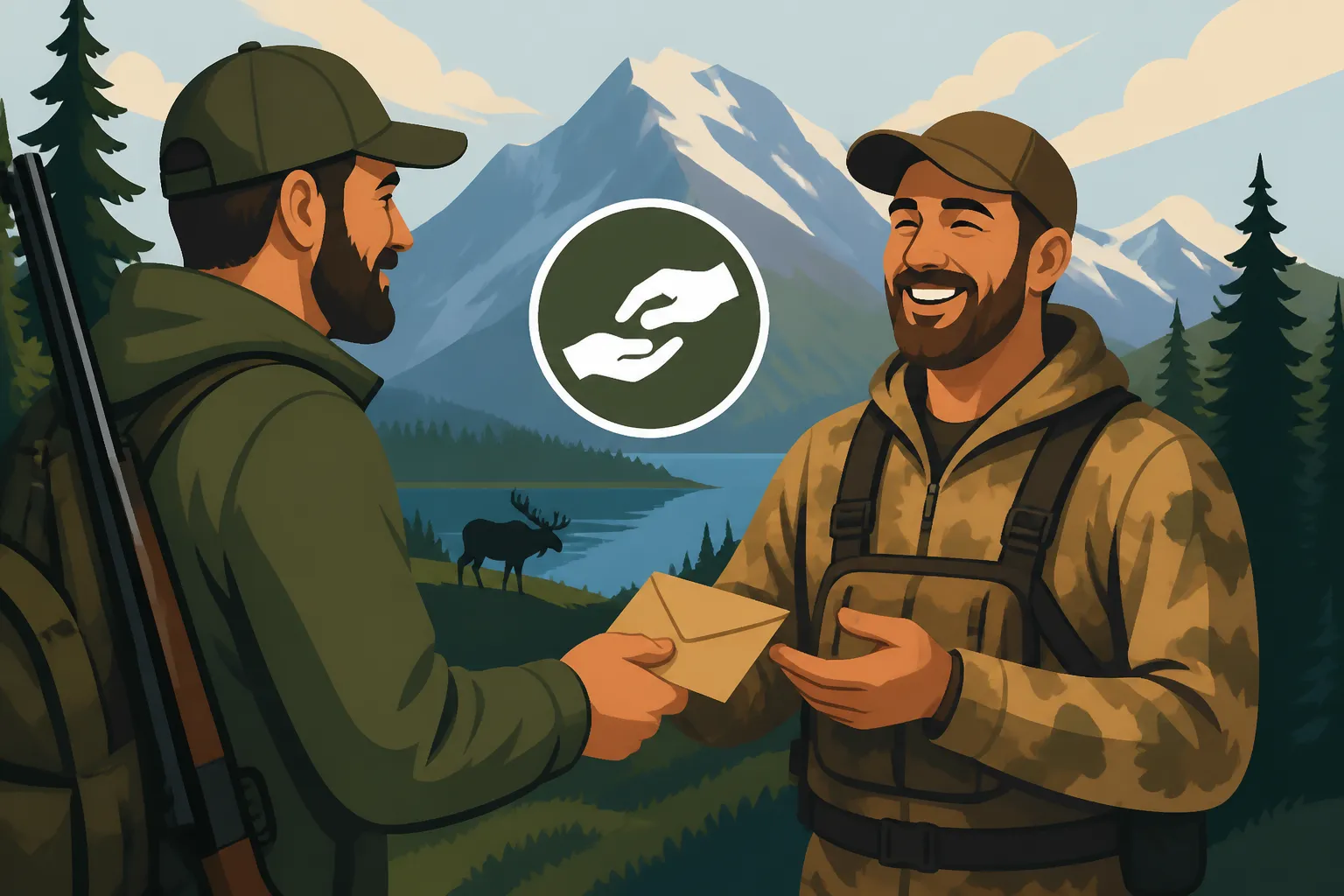
The most appropriate time to present your tip is typically at the very end of your hunt, just before you say your final goodbyes and depart from camp. This allows you to reflect on the entire experience and make an informed decision. It's often best to present the tip privately, away from other clients or staff, making it a personal moment between you and your guide.
A handshake, direct eye contact, and a sincere verbal thank you—such as, "I truly appreciate all your hard work and effort," or "This was an incredible experience, thank you for making it happen"—accompanied by an envelope of cash, is the traditional and most respectful way to express your gratitude. If you plan to tip multiple individuals, try to manage this discreetly. Being organized with different denominations of cash in separate envelopes can help make this process smooth and respectful for everyone involved.
Planning for Your Guide's Tip in Your Hunt Budget
One of the biggest pitfalls for hunters booking a guided trip is failing to account for the gratuity in their initial budget. This oversight can lead to awkward situations or short-changing deserving guides. Proper planning is essential.
The True Cost of a Guided British Columbia Hunt
When you're dreaming of a British Columbia hunt, it's easy to focus on the upfront What a British Columbia Guided Hunt Costs—the base price of the hunt, travel expenses, and mandatory species tags like for Moose Hunting British Columbia's Interior. However, the guide's gratuity is a significant, yet often forgotten, financial commitment that can add another 10-20% to your overall expenditure. Neglecting to factor this in can cause unexpected stress at the end of what should be a memorable trip.
British Columbia offers a vast array of guided opportunities, from thrilling British Columbia Spring Bear Hunt Packages on the coast to demanding mountain hunts for sheep or goats. While the base prices vary widely, the expectation for a guide's tip remains a fairly consistent industry standard. Utilizing comprehensive planning resources, such as those found on GoHunt, can help you develop a thorough budget that includes every line item, ensuring you are financially prepared for every aspect of your adventure, including your guide's well-deserved tip. Always consider overestimating your tip budget slightly; it’s easier to bring home extra cash than to find it in the backcountry.
Researching Outfitter Policies on Tipping
Before you commit to a hunt, it's perfectly acceptable, and even encouraged, to inquire about an outfitter's tipping policy. Reputable outfitters are usually transparent about their expectations. Some may explicitly state a suggested percentage or dollar amount in their booking contract or pre-hunt information packet. Others might simply note that "gratuities are customary and appreciated," leaving the amount up to your discretion based on service.
If the information isn't readily available in their materials or on their website, don't hesitate to reach out to their booking agent or directly to the outfitter. Ask specific questions about whether tips are preferred in cash, if they can be added to a credit card payment, and how tips are distributed among the staff (e.g., pooled or given directly to the guide). Understanding these details upfront helps you budget accurately and ensures there are no uncomfortable surprises or misunderstandings when your hunt concludes.
Avoiding Budget Blunders
The most common budget blunder related to tipping is simply not allocating funds for it at all. Imagine completing a challenging and successful hunt, only to realize you haven't set aside any cash to express your gratitude to the guide who made it all happen. This situation not only puts you in an awkward position but can also diminish the positive experience for your guide, who has likely invested immense personal effort into your trip.
Integrate the guide's tip into your initial hunt budget planning as a non-negotiable expense. Treat it with the same priority as your British Columbia Hunting Licences and Fees, your travel, or your ammunition. By doing so, you ensure that you are fully prepared to reward excellent service appropriately, allowing you to focus entirely on the excitement and challenge of the hunt, free from financial worries about expressing your appreciation. This proactive approach ensures a positive experience for both you and your dedicated British Columbia guide.
Disclaimer
This article is for general informational purposes only and does not constitute professional advice. Laws, prices and regulations vary by location and change over time. Consult a qualified professional for guidance on your specific situation.