Hunting a British Columbia Backroad in the Rain
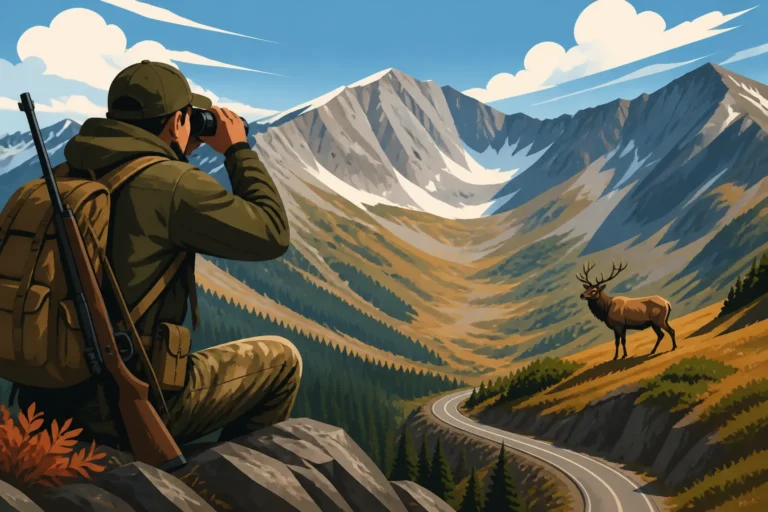
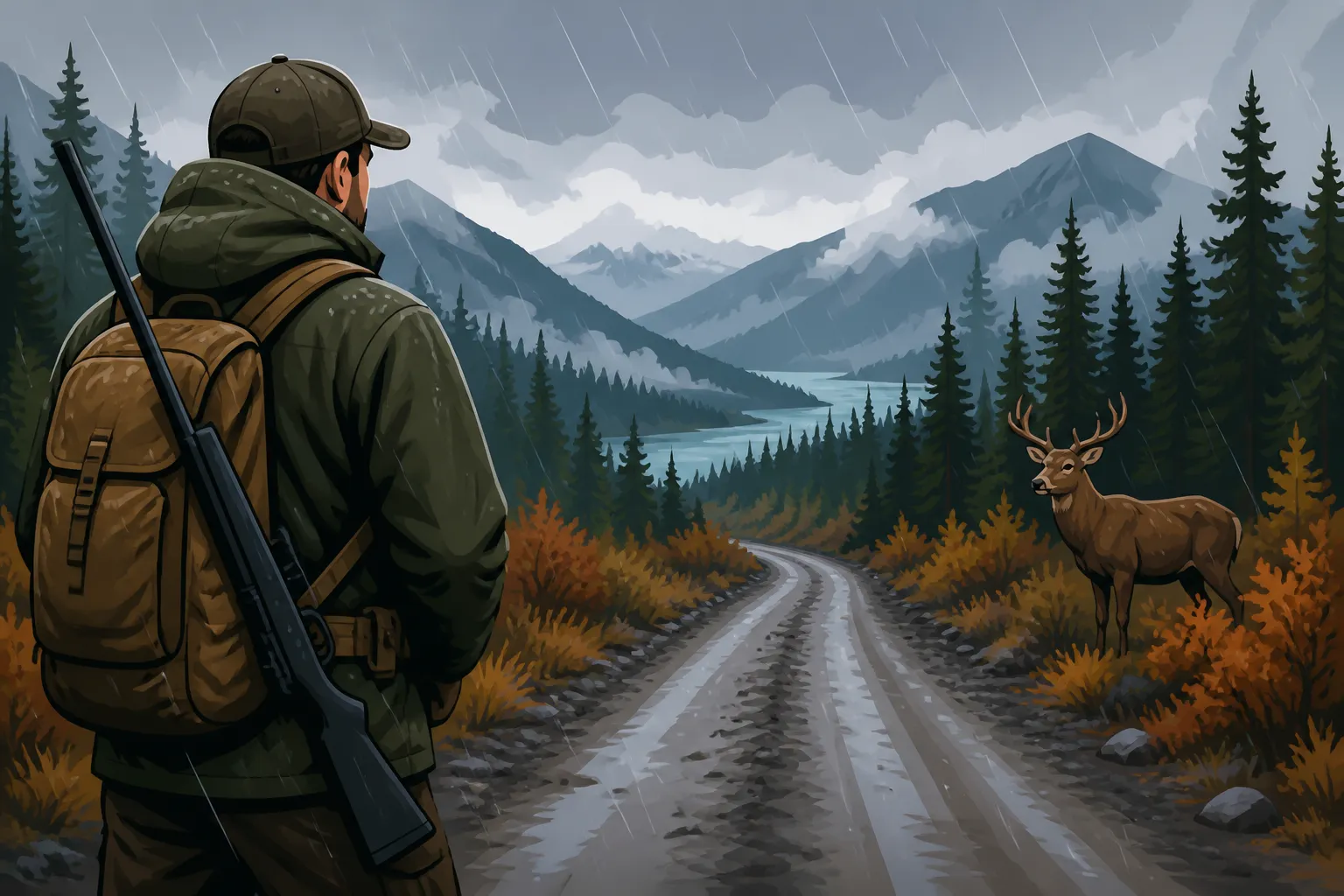
There’s a unique kind of dampness that settles into your bones when you’re hunting British Columbia, especially when you’re navigating those winding backroads. It’s not just wet; it's a persistent, seeping moisture that tests your gear, your resolve, and your optimism. The incessant drizzle that seems to find every gap in your "waterproof" gear, the slick mud that makes every step a calculated risk, and the fog that swallows visibility faster than you can blink – these are the realities. But what if I told you that the rain, often seen as a nuisance, can actually be your best friend out in the wilderness? This guide is all about embracing the downpour and turning those wet, muddy British Columbia backroads into productive hunting grounds, offering practical advice on gear, strategies, and staying safe and effective when the skies open up.
Embracing the Inevitable: Why Rain is Your Hunting Partner in British Columbia
Let’s be honest, few hunters leap out of bed on a dark, rainy morning thinking, "This is going to be amazing!" The thought of cold hands, wet feet, and fogged-up optics can be a serious deterrent. But in British Columbia, rain isn't just a possibility; it's a frequent guest, particularly in the coastal regions and during many fall seasons. Instead of fighting it, experienced hunters learn to appreciate its hidden advantages. It might make for a miserable camp cookout, but it often makes for excellent hunting conditions.
The Upsides of Wet Weather for Hunter and Game
The rain, for all its damp discomfort, acts as a natural equalizer and enhancer for the hunter. One of the biggest advantages is how it dampens sound. Every rustle of leaves, every snapped twig underfoot, becomes significantly muffled. This allows you to move through the timber and along logging roads with a stealth that would be impossible on a dry, crisp day. A deer or elk that might pinpoint your location from hundreds of yards away in still air might only get a vague sense of movement when the rain is actively falling, giving you a crucial edge for that close-range encounter.
Furthermore, rain often gets animals on their feet. While a torrential downpour might send them hunkering down, a steady drizzle or light rain can encourage deer and elk to move, forage, and even rub antlers. They might feel more secure moving when visibility is reduced and their own scent is washed away or dispersed more quickly. It also tends to drive other hunters indoors, meaning less competition in popular areas. You might have that entire block of timber or that particular stretch of backroad all to yourself, which can significantly increase your chances of finding undisturbed game.
The rain also highlights fresh sign, transforming dry, dusty trails into clear canvases for tracking. Hoof prints become distinct in soft, wet earth, and even scat appears fresher. It's an opportunity to really slow down, read the ground, and unravel the story of where game has been and, more importantly, where it might be headed. This is particularly valuable when you're still-hunting new territory or trying to intercept an animal moving between bedding and feeding areas.
Understanding Different Rain Scenarios
Not all rain is created equal, and understanding the nuances of British Columbia’s weather patterns can really help you adapt your hunting strategy. A light, persistent drizzle that just barely keeps things moist is different from a hammering, vertical downpour, or the classic "horizontal rain" you often find on the coast. In the interior, summer thunderstorms can bring short, intense bursts, while coastal systems might dump rain for days on end. Hunting British Columbia's Coastal Rain offers a deeper dive into those specific conditions.
During a steady, light rain, deer and elk often remain active, browsing openly and moving between cover. This is often the prime time for still-hunting along those backroads or working your way through timber. However, if the rain turns truly torrential, with heavy winds, animals will often seek thick cover, hunkering down in the densest timber or under large overhangs, waiting for the weather to break. In these conditions, hunting close to heavy cover and glassing into sheltered pockets can be more effective.
Fog, which often accompanies rain in British Columbia’s mountains and valleys, adds another layer of complexity. While it can reduce visibility for you, it can also hold game in certain areas and further mask your presence. Navigating Fog on a British Columbia Coast Hunt explores this in more detail. In patchy fog, animals might stick to lower elevations or move slower, relying more on their sense of smell. You, in turn, must move even more deliberately, using the limited visibility to your advantage for close-range opportunities, but also being hyper-aware of your surroundings and any potential dangers, like other hunters.
Gear and Preparedness: Staying Dry and Effective on Wet Backroads
Heading out into British Columbia's wet backcountry without the right gear is a recipe for misery, and potentially, hypothermia. You're not just fighting a little sprinkle; you're often battling persistent moisture that can soak through inadequate layers in hours. Investing in quality gear isn't a luxury here; it's an absolute necessity for comfort, safety, and success.
Layering for British Columbia's Rain and Cold
The foundation of any successful wet-weather hunt is a robust layering system. Your outer shell is paramount. Forget those cheap plastic ponchos; you need a truly waterproof and breathable jacket and pants. Look for materials like GORE-TEX, eVent, or similar high-performance membranes that will shed water while allowing perspiration to escape. A non-breathable rain suit will keep the rain out but trap your sweat, leaving you just as wet from the inside. Crucially, your outer shell needs to be quiet, especially for close-range deer or elk hunting. A noisy jacket will betray your presence long before you get a shot.
Underneath your waterproof shell, strategic mid-layers are key for insulation. Avoid cotton at all costs; once wet, it loses all insulating properties and takes forever to dry. Instead, opt for wool or synthetic fleeces and puffy jackets. These materials retain warmth even when damp and dry relatively quickly. A lightweight synthetic puffy jacket can be incredibly warm and compressible, making it easy to stow in your pack until needed. Adjust your layers as your activity level changes – strip down when hiking uphill to prevent sweating, then layer up quickly when you stop to glass or sit on stand.
Your base layers, worn directly against your skin, are critical for wicking moisture away. Merino wool is a fantastic natural option, offering warmth, breathability, and natural odor resistance. Synthetic base layers also perform well, drying quickly. Remember your extremities: waterproof gloves (or multiple pairs of wool gloves you can swap out), a warm hat (many of your body’s heat escapes from your head), and high-quality waterproof hunting boots are non-negotiable. Gaiters are a game-changer for keeping snow, mud, and rain from entering the top of your boots, especially when walking through wet brush or shallow creeks. Consider packing a second pair of boots or waterproof liners for camp, just in case.
| Item Type | Essential Wet Weather Gear | Why It's Crucial in BC |
|---|---|---|
| Outerwear | Waterproof & breathable jacket (GORE-TEX, eVent), waterproof pants | Sheds rain, prevents internal dampness from sweat, quiet for stealth. |
| Mid-layers | Fleece jacket, synthetic puffy jacket, wool sweater | Insulates even when damp, provides customizable warmth. |
| Base Layers | Merino wool or synthetic long underwear (top & bottom) | Wicks moisture away from skin, prevents chilling. |
| Footwear | High-quality waterproof boots, gaiters, wool/synthetic socks (multiple pairs) | Keeps feet dry, prevents blisters, maintains traction on slick terrain. Gaiters block water from entering boot tops. |
| Headwear | Wide-brimmed waterproof hat, warm beanie | Protects face from rain, sheds water, retains body heat. |
| Gloves | Waterproof outer gloves, thin wool/fleece liners (multiple pairs) | Keeps hands warm and functional, allows for dexterity with gear. |
| Protection | Pack cover, dry bags, waterproof cases for electronics, scope covers, rifle sling cover | Guards expensive gear from water damage, ensures functionality when it matters most. |
| Safety | Emergency blanket, fire starter, satellite messenger | Essential for survival if wet, cold, or stranded in remote areas. Emergency Planning in British Columbia's Backcountry is a must-read. |
Protecting Your Equipment from the Elements
Your personal comfort is only half the battle; your equipment needs equal protection. A soaking wet rifle can malfunction, optics can fog irreparably, and electronics can short out. For your rifle, a good scope cover is a simple but effective defense against rain, preventing water droplets from obscuring your view right when you need it most. Many hunters also use a thin, flexible rifle cover or even a piece of electrical tape over the muzzle to keep water and debris out, especially if Hunting British Columbia's Logging Road Network sees you pushing through dense brush.
Optics like binoculars and spotting scopes are investments, and they need to be treated as such. Keep them tucked away inside your waterproof jacket or a dedicated waterproof pouch when not in immediate use. When you are glassing, use rain covers or keep them under the brim of your hat. Always carry lens cleaning cloths to wipe off moisture without scratching the delicate coatings. For any electronics – phone, GPS, rangefinder, headlamp – invest in dry bags or hard waterproof cases. Ziploc bags are a good last-resort, but dedicated dry bags offer superior protection. Power banks also need protection to ensure you can recharge devices like your phone, which doubles as a critical communication and mapping tool in many areas.
Your backpack itself should either be waterproof or you should use a waterproof cover. Even with a cover, line the inside with a heavy-duty contractor bag or individual dry bags for crucial items like extra clothing, sleeping bag (if applicable), and emergency supplies. Game bags, essential for post-harvest meat care, also need to be protected from rain and mud both before and after use. Think about how you'll keep them clean and dry until they're needed, and how you'll manage wet, bloody meat on the pack out.
Hunting Strategies for Wet British Columbia Backroads
Hunting backroads in British Columbia often means navigating a labyrinth of active and deactivated logging roads, some well-maintained, others barely more than muddy tracks. When rain is in the forecast, these routes transform, presenting both challenges and unique opportunities for the prepared hunter.
Navigating Wet and Muddy Logging Roads
British Columbia's extensive network of logging roads provides incredible access to vast tracts of hunting country, but they can become treacherous in the rain. Mud, standing water, and washouts are common, making four-wheel drive and decent ground clearance essential. If you’re pushing into truly remote areas or driving on deactivated roads, consider carrying a winch, recovery straps, and a shovel. Tire chains might even be necessary in some steep, slick sections. Always be mindful of active logging operations; trucks have the right of way, and roads can close suddenly. Using a VHF radio to communicate on designated logging channels is a crucial safety measure.
Beyond simply driving, these roads are pathways for game. Deer, elk, and bears often use them for travel, especially in the early morning or late evening. A quiet approach, whether by foot or by slowly driving and stopping frequently, can yield sightings. Finding Open Forest Roads in British Columbia and Driving a Deactivated Logging Road can provide more specific guidance on accessing these areas. The onX Hunt app, a powerful tool for British Columbia hunters, can be invaluable here. It allows you to see land ownership, current road statuses, and often helps identify potential access points, helping you to avoid private timber company lands or areas with restricted access. Knowing where you are and what the terrain looks like ahead can save you from a lot of grief.
Furthermore, wet conditions on these roads will often make fresh tracks much more visible. If you’re driving slowly, keep an eye out for fresh tracks crossing the road. Parking your vehicle well off the road and still-hunting the edges of clearcuts, or walking game trails that parallel the road, can be incredibly productive. The rain might actually help you go unnoticed, as your vehicle's noise is somewhat muffled, and any tracks you leave are quickly obscured. This gives you a fresh slate to work with.
Spot-and-Stalk and Still-Hunting in the Rain
The sound-dampening effect of rain makes it a prime time for still-hunting. Every step you take will be quieter, allowing you to get much closer to animals before they detect you. Focus on moving slowly, pausing frequently, and using your eyes and ears intently. Look for any break in the pattern, a flick of an ear, or the dark patch of an animal against the grey backdrop. In a dense forest, the sound of dripping water and light rain can help disguise your movement, letting you close the distance on a feeding or bedded animal.
However, reduced visibility due to rain and fog presents its own challenges. You might not see game from as far away, necessitating a slower, more methodical approach. This is where knowing the terrain and probable bedding or feeding areas becomes crucial. Instead of covering vast distances, focus on smaller, high-potential areas, working them thoroughly. This is also a perfect scenario to leverage mapping tools like GoHunt or onX Hunt to understand terrain features, potential escape routes, and how game might use elevation or cover in the prevailing weather.
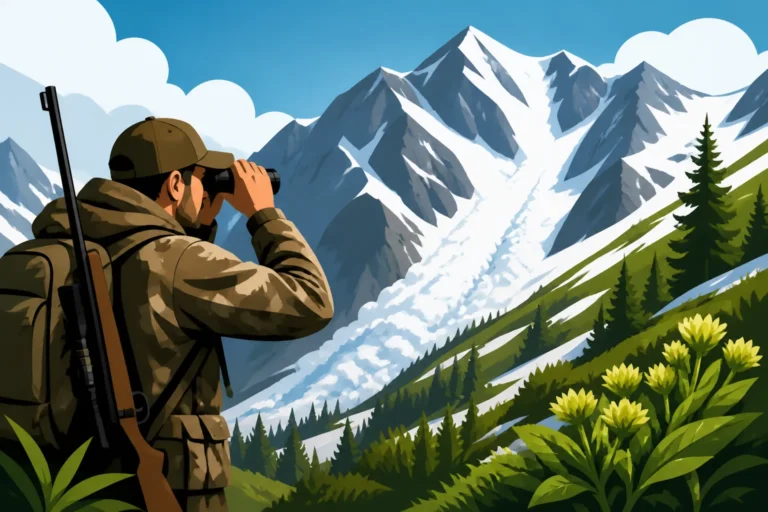
For spot-and-stalk hunting, especially in more open country or clearcuts, the rain can make glassing tougher but not impossible. Use your binoculars less for identifying distant animals and more for picking apart closer cover, looking for movement or parts of an animal. Fresh tracks in the mud are your best friend here. If you cut fresh tracks, follow them slowly and deliberately, relying on the rain to mask your sound. Remember, Reading Blacktail Sign in Wet Ground is an art form, and the rain provides the perfect conditions to hone that skill.
Post-Harvest Considerations in Wet Conditions
Successfully harvesting an animal in the rain brings a new set of challenges, particularly concerning meat care and the pack out. British Columbia is known for its relatively mild fall temperatures, and keeping meat cool and clean, especially when it's wet, is paramount. Field Dressing in British Columbia's Wet Weather is a crucial resource here, but the general principle is to get the hide off quickly, quarter the animal, and get the meat cooled down.
Once quartered, getting the meat into breathable game bags is critical. While plastic tarps or garbage bags might seem like a good idea to keep meat dry, they trap heat and moisture, creating a perfect breeding ground for bacteria. Use good quality cloth game bags that allow air circulation. Hang the meat if possible, ideally in a breezy, sheltered spot to promote cooling, even in the rain. If you have a tarp in camp, setting up a quick lean-to or hanging area can make a huge difference in keeping meat clean and allowing it to air out, even if it's still damp. Hanging Meat at a Backcountry Camp might involve more creative solutions in persistent rain.
Finally, the pack out becomes significantly more difficult on slick, muddy terrain. What might be an easy hike on a dry day can turn into a slippery, arduous slog when wet. Take your time, watch your footing, and consider bringing trekking poles for stability. If you're using a frame pack, ensure it's adjusted properly, and secure your load to prevent shifting. Packing Meat With a Frame Pack will give you excellent guidance on how to carry heavy loads efficiently and safely. Be extra cautious around steep slopes, creek crossings, and wet, mossy logs. Your safety and the integrity of your meat are the top priorities.
Disclaimer
This article is for general informational purposes only and does not constitute professional advice. Laws, prices and regulations vary by location and change over time. Consult a qualified professional for guidance on your specific situation.