Hunting a Burn on a South Slope
Hunting a burn on a south slope in British Columbia can be incredibly rewarding, but it presents unique challenges. Often, hunters are left wondering why deer are suddenly absent from old haunts or where to even begin in a landscape dramatically altered by fire. This guide will help you understand why these seemingly desolate areas are actually magnets for game, how to effectively scout them, and the best strategies to find success in these transformed hunting grounds.
Understanding South-Facing Burns: Why They're Deer Magnets
When a wildfire sweeps through a forest, it doesn't just destroy; it resets. And on a south-facing slope, that reset often leads to an explosion of new life that acts like a siren call to ungulates, especially mule deer. While a fresh burn might look like a barren wasteland, give it a season or two, and you'll find a vibrant, regenerating ecosystem.
The Fire's Aftermath: Habitat Renewal
Think about what happens after a fire. The canopy is gone, or severely thinned, which means the forest floor, once shaded and nutrient-poor, now gets a deluge of sunlight. This, combined with the ash from the burnt vegetation, acts like a super-fertilizer. Suddenly, plants that struggled for light and nutrients begin to thrive. You'll see an explosion of new grasses, forbs, and deciduous shrubs like willow, aspen, and fireweed. These are incredibly palatable and nutritious for deer and other herbivores. It’s a buffet laid out across the hillside. This isn't just about food, though. The mosaic pattern of burned and unburned pockets, fallen timber, and new growth creates excellent bedding cover. Deer can browse openly in the new growth but quickly duck into the safety of standing timber or thickets that survived the blaze. This combination of abundant food and diverse cover makes these areas highly attractive. If you're wondering How Wildfire Changes Game Range Here, this regeneration is a prime example of the positive impact.
South-Facing Advantage: Sun and Early Growth
Now, add the "south slope" element to this equation. South-facing slopes receive significantly more direct sunlight throughout the day, particularly during the shoulder seasons and winter. This extra warmth means a few key things for wildlife. First, snow melts earlier on south-facing slopes, exposing that delicious new growth sooner in the spring. For animals coming out of a long, lean winter, these south-facing burns are often the first places they can find green, nutritious forage. Second, the increased warmth promotes faster growth of vegetation compared to shaded north-facing slopes. This means the food source is not only available earlier but often more robust. Deer are constantly seeking efficiency – the most nutrition for the least effort – and a south-facing burn offers exactly that. You'll often find deer "glassing" these slopes from higher vantage points or bedded within them, soaking up the sun and munching away. This is crucial for their overall health and antler growth, making these spots primary feeding and bedding areas from spring right through to late fall, until heavy snow really pushes them down.
Scouting and Locating Promising Burn Areas
Finding the right burn, and knowing which parts of it are most productive, is half the battle. You can’t just drive up to any old fire scar and expect success. Effective scouting combines modern technology with old-fashioned boot leather.
Satellite Imagery and Mapping Tools
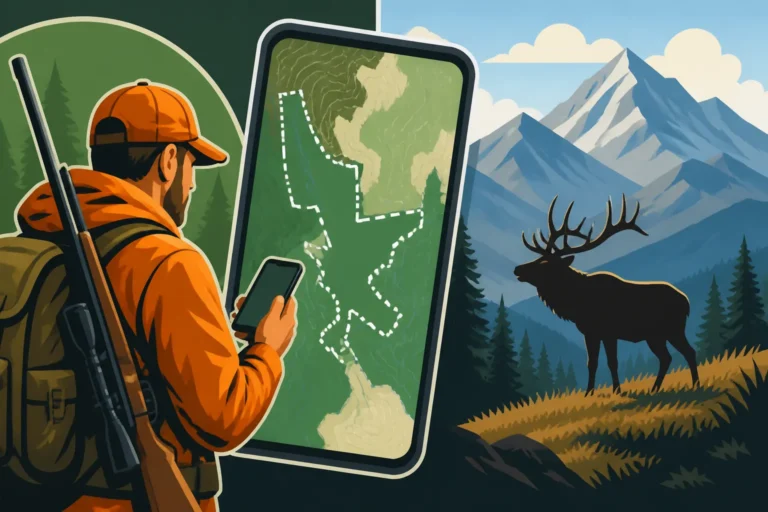
Before you even leave your living room, you can gather an incredible amount of information. Online mapping tools are your best friend here. Services like onX Hunt or GoHunt allow you to overlay satellite imagery with land ownership maps, topographical contours, and even historical fire data. What you're looking for on the satellite imagery are the tell-tale dark scars of past fires. Once you’ve identified a burn, zoom in. Look for variations in burn intensity—some areas might be completely scorched, while others are lightly singed or even completely missed. The edges where the burn meets unburned timber are often transition zones that deer love.
Pay close attention to topography. Identify the south-facing slopes within the burn. Look for benches, draws, and small pockets of timber that might have survived the fire, as these can be prime bedding areas. You can often estimate the age of the burn by comparing current satellite images to older ones or checking fire history databases. Burns that are 2-5 years old are often the most productive, as the regeneration is well underway but not yet so thick that it becomes impenetrable. A tool like onX Hunt can also help you identify British Columbia's Management Units and Regions and property boundaries, preventing accidental trespass before you even start your boots-on-the-ground scouting.
Ground Reconnaissance: Reading the Sign
Once you've identified a few promising areas on your maps, it's time to hit the ground. There's no substitute for actually walking the terrain. When you’re in a burn, the sign can be incredibly obvious. Look for game trails winding through the new growth, often leading from bedding areas within the burn to more open feeding areas, or connecting the burn to adjacent unburned timber. Pay attention to droppings – fresh droppings indicate recent activity. Scrapes and rubs, especially during the rut, are undeniable evidence that deer are using the area.
Also, look for browse lines on the regenerating shrubs. Are the tips of the new growth nipped off? That's a clear sign deer are feeding there. Examine the texture of the soil: deer tracks are much easier to spot in the soft ash and disturbed earth of a burn than in hard-packed forest floor. Don't be afraid to cover ground. Move slowly and quietly, stopping frequently to glass. If you're looking for Reading Blacktail Sign in Wet Ground (even though this is for blacktail, the general principles of sign reading apply to mule deer too), you'll develop an eye for what animals are doing. Pay attention to prevailing winds and thermal currents, which are often different in burns due to the lack of tree cover.
Hunting Strategies for South-Facing Burns
Hunting burns, especially south-facing ones, requires a thoughtful approach. The open nature of the landscape can work for and against you. Understanding how to use the terrain and the deer's behaviour to your advantage is key.
Timing Your Approach: Early Morning and Late Evening
Just like in many other habitats, the edges of the day are often the most productive in a burn. Early morning, as the first rays of sun hit the south slope, will find deer moving from their night-time feeding grounds back to bedding areas, or getting up for a last-minute graze before settling in for the day. This is an excellent time to be set up high, glassing, and watching those prime feeding areas.
In the late evening, the reverse happens. Deer will emerge from their daytime beds to feed as the sun begins to dip. The last hour or two of daylight can be electric. The crucial difference in a burn, however, is the lack of heavy canopy. This means deer are often more visible for longer, but also more exposed. You might have extended shooting light, but so do they have extended visibility of you. Plan your entry and exit routes carefully, using draws, ridges, or unburned timber for cover to avoid silhouetting yourself. Moving into a burn midday is possible, particularly if you’re trying to catch deer moving between bedding pockets, but it requires extreme stealth and awareness of the thermals.
Still-Hunting and Glassing Tactics
For hunting south-facing burns, a combination of still-hunting and extensive glassing is usually the most effective approach.
-
Still-Hunting: This involves moving incredibly slowly, taking a few steps, then pausing for several minutes to scan thoroughly before moving again. In a burn, the fallen timber and new growth create natural obstacles and concealment. Use these to your advantage. Step over logs, not on them, to minimize noise. Use your binoculars constantly to pick apart the regenerating vegetation. Look for horizontal lines (a deer's back) in a vertical world (stems and burnt snags), the flick of an ear, or a patch of hide. The ground can be crunchy with burnt debris, so move into the wind to carry your scent away and muffle your steps. If you're still-hunting in a general open season, knowing when Hunting British Columbia's October Rifle Opener begins might influence your timing and the deer's behaviour.
-
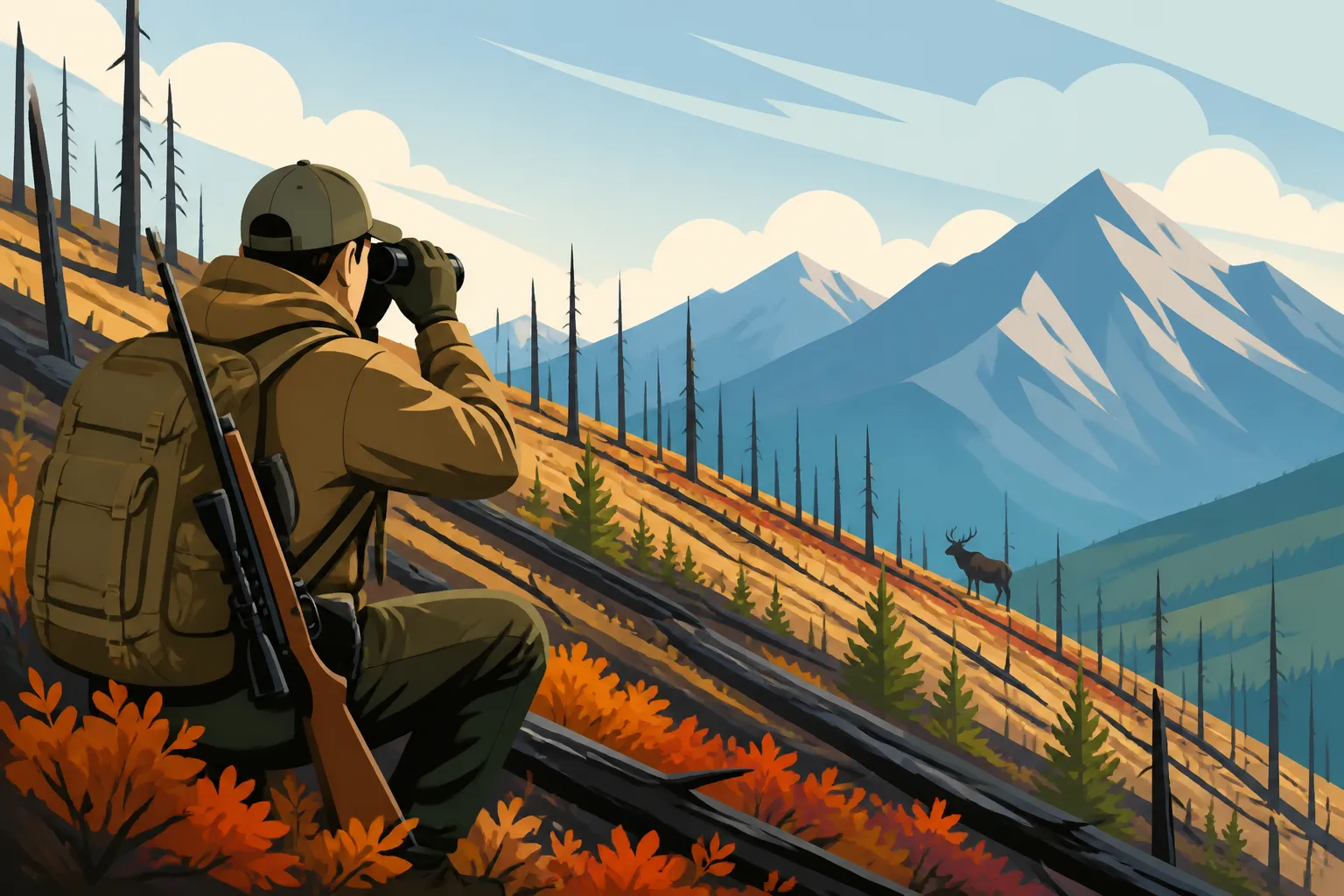
Glassing: This is arguably the most important technique in an open burn. Find a high vantage point overlooking a large section of the south-facing burn. This could be an adjacent ridge, a prominent knoll, or even a surviving island of timber within the burn. Set up your spotting scope or high-powered binoculars on a tripod. Systematically grid search the entire area, paying close attention to benches, draws, and the transition lines between different types of growth. Start with the closest terrain and work your way out. Look for the entire animal, but also recognize that often you'll only see a small part – an antler tip, a white rump patch, a black nose. Spend a lot of time behind your glass, letting your eyes relax. Animals often appear as the light changes, or as they shift a foot. When Glassing an Interior Hillside for Mule Deer, you're effectively doing the same thing here, just with different background textures.
Approaching a Bedded Animal
Finding a deer bedded in a burn is exciting, but the stalk is where most hunts unravel. Burns can be very open, with limited cover. Once you spot a bedded animal, immediately identify its precise location relative to prominent features. Mark it on your GPS or mentally note landmarks. Next, assess the wind. This is paramount. You need to approach from downwind, or at least crosswind, taking into account thermals, which can be fickle on open slopes.
Plan your route using any available cover: burnt stumps, large logs, small thickets of new growth, or depressions in the terrain. Move excruciatingly slowly and quietly. Every step should be deliberate. If the deer raises its head or seems alert, freeze instantly. It's better to be still for five minutes than take one wrong step. On a south-facing slope, the deer will often be bedded with the sun on its back and a view of its downwind side. This means your approach will often need to be from above or across. Always consider the escape routes the animal might take. If possible, try to approach from an angle that limits its ability to simply run downhill and disappear into dense timber. Getting close enough for a clean shot often means getting uncomfortably close, so practice stalking techniques like those for Stalking a Bedded Buck in Open Timber.
Gear Considerations for Burn Hunting
The unique environment of a burn demands specific gear considerations to ensure comfort, safety, and success. Ignoring these can turn a promising hunt into a frustrating slog.
Footwear and Navigation
The ground in a burn can be treacherous. You’ll be dealing with uneven terrain, brittle burnt logs, sharp snags, and ash that can get into everything. Good, sturdy hiking boots with excellent ankle support are non-negotiable. Waterproofing is a bonus, especially if you encounter morning dew or unexpected rain, as the ground can hold moisture. Boots with a stiff sole will also help protect your feet from sharp debris.
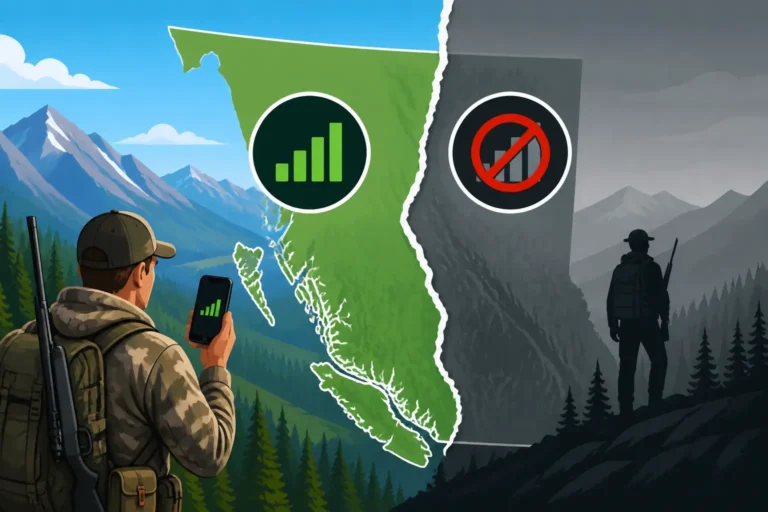
Navigation in a burn can also be tricky. What was once a recognizable trail might now be obscured by fallen timber or new growth. The landscape can look very different from satellite imagery once you're on the ground, especially with a lack of large, defining trees. A reliable GPS unit or a smartphone with a robust hunting app (like onX Hunt) is essential. Download offline maps before you go, as cell service is often non-existent in remote burn areas. Mark your vehicle, significant waypoints, and any potential game sign you encounter. A compass and paper map are always smart backups, just in case.
Optics and Visibility
As mentioned, glassing is king in a burn. Invest in the best binoculars and spotting scope you can afford. A good set of 10x binoculars is a minimum for scanning, but a 15x or even 20x magnification on a tripod will allow you to pick apart distant hillsides and spot subtle movements that you'd otherwise miss. The high contrast of black burnt timber against green new growth can sometimes make animals blend in, so sharp, clear optics are paramount.
Visibility also applies to you. While camouflage is always a good idea, remember that British Columbia has regulations regarding hunter visibility. In some seasons and areas, wearing blaze orange or blaze pink is mandatory. Even when it's not legally required, it's a smart safety measure, especially in areas that might see other hunters. The open nature of a burn means you’re more visible to other hunters, and making yourself easily identifiable is crucial. Check the current regulations for British Columbia Blaze Orange and Safety Rules for your specific hunting area and season.
Hunting a burn on a south slope in British Columbia can be an incredibly rewarding experience. These areas, once devastated by fire, transform into vibrant ecosystems that attract a variety of game, particularly mule deer. By understanding the ecological changes, leveraging modern mapping tools, and employing careful hunting strategies, you can increase your chances of success. It's a challenging environment, but with the right preparation and approach, it offers some of the most exciting hunting opportunities in the province.
| Aspect of Burn Hunting | Key Benefit for Deer | Hunter's Challenge | Recommended Approach |
|---|---|---|---|
| Sunlight on South Slope | Earlier green-up, warmer beds | Increased visibility of hunter | Utilize low light, terrain for cover |
| New Growth | Abundant, nutritious forage | Dense thickets can hide game | Thorough glassing, slow still-hunting |
| Fallen Timber | Excellent bedding cover | Noisy walking, difficult terrain | Watch footing, use as concealment |
| Lack of Canopy | Open visibility for deer | Open visibility for hunter | Use optics heavily, long-range stalking |
| Ashy Soil | Absorbs warmth, holds scent | Dusty, can clog gear | Good boots, consistent wind checks |
Disclaimer
This article is for general informational purposes only and does not constitute professional advice. Laws, prices and regulations vary by location and change over time. Consult a qualified professional for guidance on your specific situation.