Buying a Private Forest Land Access Permit
It's incredibly frustrating, isn't it? You spend hours poring over maps, planning your British Columbia hunting trip, only to arrive at what looks like perfect public land and find a chain across the road, a gate locked tight, and a "No Trespassing" sign staring back at you. This guide is for those moments, those questions about why certain areas are restricted, and how you might actually gain access to some of British Columbia's most productive hunting grounds by understanding and navigating the private forest land access permit system.
Understanding Private Forest Land in British Columbia
British Columbia is vast, and a huge percentage of it is Crown land, open for public use including hunting. But there are also massive tracts of private land, particularly those owned by large forestry companies. These lands can often look exactly like Crown land, especially with logging roads winding through them, which is where the confusion and frustration often begin for hunters.
What Exactly is Private Forest Land?
Unlike Crown land, which is publicly owned and managed by the provincial government, private forest land is owned by private entities, primarily large timber and forestry corporations. Think of companies that hold long-term tenures and operations in areas like Vancouver Island, the Sunshine Coast, or parts of the Interior. These aren't small woodlots; we're talking about huge swaths of territory that often connect to, or are interspersed with, Crown land. Historically, much of this land was granted or sold off to railway companies or early logging operations, and it has remained in private hands ever since. For a hunter, this means that even though it looks like accessible backcountry, the rules are entirely different. You can't just drive in, set up camp, and start scouting, not without permission.
Why Access is Restricted
The decision to restrict access isn't usually arbitrary; it's rooted in a combination of safety, liability, and operational efficiency for the companies that own these lands. Imagine heavy machinery moving timber, or active blasting operations. These are inherently dangerous environments. Logging roads, while they look like public access points, are often actively used by huge logging trucks that move at speed and have the right of way. Safety for recreational users is a major concern.
Beyond safety, there's the significant issue of liability. If someone gets hurt on their private property, the landowner is potentially responsible. Restricting access minimizes this risk. Furthermore, these companies invest heavily in maintaining their road networks, which can be incredibly costly. Allowing unrestricted public access adds to wear and tear, creates maintenance burdens, and can interfere with their core business operations. Fire risk is another huge factor; during dry seasons, public access might be completely shut down to prevent wildfires, which can devastate timber assets and put communities at risk. Understanding these reasons, while still frustrating when you're looking for new hunting ground, helps to frame why the permit system exists.
Identifying Private Forest Land
Spotting private forest land can be tricky. In the field, look for clear signage indicating private property, "No Trespassing" warnings, and often, locked gates. These gates aren't always at the main highway entrance; sometimes they're deep within the road network. However, the best way to identify these areas is before you leave home, using mapping tools.
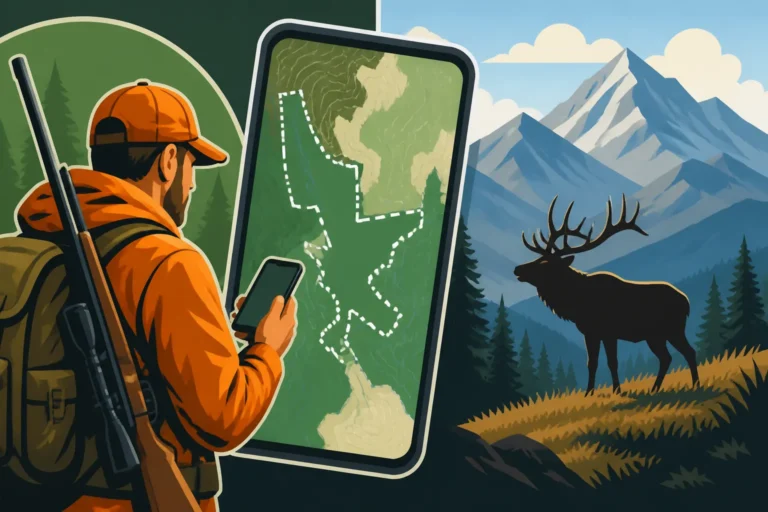
Modern mapping applications are invaluable for this. Services like onX Hunt and GoHunt (and other similar tools) provide overlay maps that clearly delineate Crown land from private holdings, and sometimes even indicate the specific private landowner. This allows you to differentiate between a legitimate British Columbia Forest Service Road Access that remains open to the public and a private logging road that requires a permit. You can also cross-reference these maps with the official British Columbia government online mapping tools, though they might not always be as user-friendly for property boundaries as the specialized hunting apps. Taking the time to scout these digital maps thoroughly is crucial to avoid driving hours only to hit a locked gate. You can zoom in on your target area and see exactly where the boundaries lie, helping you plan your approach or find alternative access routes. This planning phase is absolutely essential to effectively Scouting a British Columbia Management Unit Online and ensuring your efforts won't be in vain.
The Permit System: How it Works
So, you've identified some promising hunting territory on private forest land using your mapping tools. Now what? The good news is that many of the larger forestry companies understand the desire for public access and have established permit systems to manage it. This allows them to maintain control over their operations and liability, while still offering a pathway for responsible recreation.
Types of Permits Available
Generally, these permits are for recreational access and usually cover activities like hiking, fishing, and yes, hunting. They aren't typically specific "hunting permits" but rather general access permits that allow you to be on the land. The structure and availability of these permits vary significantly from one company to another. Some companies might offer annual permits, while others have seasonal or even daily options. There aren't usually different "tiers" of permits; rather, it's about getting authorization to enter.
It’s important to understand that these permits are specific to the land owned by the issuing company. Having a permit for one forestry company's land doesn't grant you access to another's. You'll need to research which company owns the specific block you're interested in, and then seek out their permit system. For example, if you're looking at areas around Hunting the Blocks Around Campbell River on Vancouver Island, you might find that different companies manage adjacent forest blocks, each with their own permit requirements.
The Application Process
The application process for private forest land access permits is almost always online. You'll navigate to the specific forestry company's website and look for their "recreational access," "public access," or "permit" section. Typically, you'll need to register an account, providing personal details like your name, address, and contact information. You might also be asked for vehicle details, including your license plate number, which helps them track who is on their land.
A critical part of the application is reviewing and agreeing to the terms and conditions. Do not skip this step. These terms will outline permissible activities, restricted areas (which can change regularly due to active logging), specific dates and times when access is allowed, and any current fire bans or other safety protocols. Ignoring these rules could lead to your permit being revoked, or worse, legal consequences under British Columbia Trespass and Private Land Law. Many permits also have a nominal fee associated with them. This isn't usually a substantial cost, but rather a way for the companies to offset some of the administrative and maintenance costs associated with managing public access. It's often an annual fee that provides access for a set period.
Key Companies and Their Access Programs
While I can't list specific companies by name and their exact programs (as these can change), I can tell you that the major forestry companies operating in British Columbia are the ones most likely to have formal access permit systems. These are the companies managing vast tracts of timber in areas that are often prime hunting habitat.
It's absolutely essential to consult the individual company websites. Don't assume that if one company has a permit system, another will have the same, or even any, system at all. Some smaller operations or private landowners may have outright bans on public access, or only grant permission on a case-by-case basis through direct contact.
When you're researching an area, identify the land owner using your mapping apps, then search for that specific company's public access policies. This decentralized approach can feel like a bit of a treasure hunt, but it's the only way to get legitimate access to these lands. Remember, these lands are not Crown land, so the rules for Getting Onto Private Forest Land in British Columbia are entirely up to the owner.
Navigating and Hunting with a Permit
Once you've secured your private forest land access permit, the real planning for your hunt can begin. Having the permit is just the first step; understanding how to use it safely and effectively is key to a successful and stress-free experience.
Reading Your Permit and Access Rules
Your permit isn't just a piece of paper or a digital confirmation; it's your guidebook to responsible access. Always carry a physical or digital copy of your permit with you. The maps provided with your permit are often specific to the company's holdings and will highlight areas that are currently closed due to active logging, road construction, or other hazards. These closures can be dynamic, so it's always a good idea to check for updates right before you head out. Road Closures on British Columbia Forest Roads are a common occurrence, and knowing which ones affect your planned route is paramount.
Pay close attention to any specific restrictions on your permit:
- Times of Day/Days of Week: Some areas might only be accessible during daylight hours or on weekends when active operations are scaled back.
- Vehicle Restrictions: Certain roads might require high-clearance 4×4 vehicles, or even prohibit vehicle access beyond a certain point.
- No-Go Zones: These are critical. Active logging sites, equipment yards, and areas where blasting is occurring are strictly off-limits for safety reasons. Disregarding these could lead to serious injury or death.
- Fire Bans: Especially in the dry interior or during summer and early fall, fire bans can be implemented, sometimes leading to complete access closures for a period.
Remember, your permit is a privilege, not a right. Adhering strictly to these rules not only keeps you safe but also helps maintain the relationship between recreational users and the forestry companies, ensuring continued access for everyone.
Best Practices for Hunters on Private Forest Land
Hunting on private forest land comes with added responsibilities beyond what you'd typically observe on Crown land. Here are some best practices to ensure a positive experience and to help preserve access for the future:
- Always Carry Your Permit: Have it readily available in case you encounter company staff, security, or other users.
- Respect Closures and Signage: If a road or area is marked as closed, do not enter. This is non-negotiable.
- Leave No Trace: Pack out everything you pack in. Do not litter. Respect the land as if it were your own property. This includes any gut piles or offal from your harvest; ensure it's off roads and away from active areas.
- Firearm Safety: Be hyper-aware of your surroundings. While hunting, remember that logging operations might be active. Always know your target and what is beyond it, and consider that company assets, equipment, or personnel could be present.
- Communicate with Gate Attendants: If there's a staffed gate, be polite, present your permit, and ask about any current conditions or closures they might be aware of. They are often your best source of up-to-date information.
- Report Issues: If you notice illegal dumping, unauthorized activity, or dangerous conditions, report them to the company or the Report All Poachers and Polluters (RAPP) line. This shows you're a responsible user.
By following these guidelines, you're not only protecting yourself but also contributing to the positive reputation of hunters accessing these lands.
Maximizing Your Hunting Opportunities
Private forest lands, particularly those actively logged, can be incredible hunting grounds. The cycle of logging creates diverse habitats that attract a variety of game. Clearcuts, new growth, and the edges of old-growth timber blocks provide excellent forage and cover.
- Scouting Specific Areas: Use your mapping tools and permit-provided maps to identify clearcuts of varying ages. A recent cutblock might offer browse for deer, while a cut in its third to fifth year can provide excellent cover and new forage. Hunting a Recent Cutblock in Its Third Year can be particularly productive for deer and moose.
- Understanding Game Movement: Deer, especially blacktail and mule deer, often utilize the mosaic of clearcuts and residual timber for food and shelter. Hunting a Second-Growth Timber Block can reveal how these animals move between feeding and bedding areas. Elk and moose also thrive in regenerating forests.
- Road Hunting Considerations: While many logging roads are open for access, hunting directly from a vehicle is generally illegal and highly unethical. Use the road network for access, then get out and hunt on foot. The roads themselves can be good for spotting sign or for travel, but the actual hunt should happen off the beaten path.
These private forest lands offer unique opportunities, especially in areas where public Crown land access is limited or heavily pressured. They are often overlooked by hunters who are hesitant to deal with the permit system, which can mean less competition for you.
Common Challenges and What to Expect
Even with a permit in hand, hunting on private forest land isn't without its quirks and challenges. Being prepared for these can help manage expectations and prevent unnecessary frustration.
Varying Access and Unpredictable Closures
One of the biggest challenges is the dynamic nature of access. Logging schedules are often dictated by weather, market conditions, and operational needs, which means closures can happen suddenly and with little notice. You might plan a hunt for a specific block, only to find it closed due to active operations that week, a sudden fire risk, or heavy rain that makes roads impassable or unsafe.
For instance, dry periods can trigger immediate fire bans and complete closures of vast areas, even if your permit is valid. Conversely, heavy snow or prolonged rain can wash out roads or make them too dangerous for vehicle traffic, leading to unannounced gates. These situations, while frustrating when you've invested time and effort, are part of the reality of accessing working forest land. It's wise to always have a backup plan, whether it's an alternative block of private land or an accessible Crown land unit, in case your primary choice is suddenly off-limits. This also means constantly checking for updates on the company's website before you drive out.
Cost and Value of Permits
As mentioned, most private land access permits come with a fee. This fee varies between companies and the type of access offered (e.g., annual vs. seasonal). While it adds to the overall cost of your hunt, consider what you're getting in return. These fees contribute to:
- Road Maintenance: Keeping miles of logging roads in passable condition, which directly benefits your access.
- Administrative Costs: Managing the permit system, online portals, and communication.
- Liability Management: Helping companies mitigate the risks associated with public access.
Many hunters see these fees as a worthwhile investment, granting them access to areas that might otherwise be completely off-limits. These areas can often hold significant game populations because they might be less pressured than easily accessible Crown land. When you factor in the potential for less competition and access to quality habitat, the cost can often be justified. It's a different model than simply walking onto Crown land, and it represents a user-pay system for maintaining roads and managing access.
Environmental Stewardship and Hunter Responsibility
Holding a private forest land access permit comes with a heightened sense of responsibility. As hunters, we are often ambassadors for ethical outdoor recreation, and how we behave on private land can directly impact future access for everyone.
Hunters have a vital role in demonstrating that managed access can work. This means:
- Adhering to all regulations: Not just hunting regulations, but also the specific rules of the private landowner.
- Minimizing Impact: Beyond packing out trash, this includes not damaging roads or property, and leaving gates as you found them (open or closed as marked).
- Respecting All Users: Remember that company employees, other recreationalists, and even other hunters might be using the area. Courtesy goes a long way.
By being responsible and respectful users of private forest lands, hunters can help foster a positive relationship with landholders. This proactive approach ensures that these valuable hunting areas remain accessible for years to come. Ultimately, how we conduct ourselves directly influences whether these companies continue to offer access programs, or if they decide to close their gates permanently. It's a shared responsibility to protect these opportunities, similar to respecting rules within British Columbia Wildlife Management Area Rules to ensure continued conservation and access.
Disclaimer
This article is for general informational purposes only and does not constitute professional advice. Laws, prices and regulations vary by location and change over time. Consult a qualified professional for guidance on your specific situation.