Hunting the Country Around Atlin
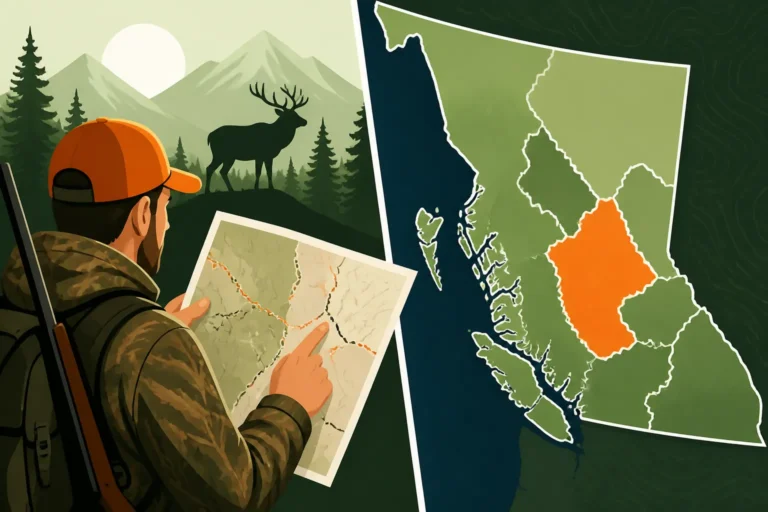
The country around Atlin, British Columbia, isn't just a place on a map; it's a vast, wild expanse that calls to the soul of every serious hunter. But let's be real, tackling a region this remote can feel utterly overwhelming when you're just looking at a map and wondering where to even begin. This guide is here to break down the unique challenges and incredible rewards of hunting in the Atlin area, helping you plan an adventure into one of British Columbia's truly untamed landscapes.
Understanding the Untamed Landscape of Atlin
Atlin, nestled in the far northwest corner of British Columbia, is a place defined by its raw, northern wilderness. We're talking about an immense geographical area, part of the Stikine Plateau, where towering peaks meet expansive boreal forests, vast lakes, and intricate networks of rivers and muskeg. This isn't your average hunting trip to a well-trafficked forest road near a major city; this is genuine backcountry, where self-reliance isn't just a good idea, it's absolutely non-negotiable.
The sheer scale of the landscape is often the first thing that strikes hunters, and it’s a big part of the appeal. Atlin Lake itself is a massive, deep body of water, and its surrounding drainages, like the Pine Creek, O'Donnel River, and Sloko River systems, create diverse habitats. Higher up, you'll find alpine tundra and windswept plateaus that transition into subalpine forests of spruce and fir, eventually giving way to dense valley bottoms thick with willow and alder. This varied terrain means that game animals are spread out and often move between elevations depending on the season, weather, and food availability. The weather here can be notoriously unpredictable, swinging from crisp, sunny days to driving snow or rain in a matter of hours, even in early fall. You need to be prepared for everything.
Because of this remoteness, vehicle access is generally limited to a few main roads that eventually dead-end or become impassable, forcing you to rely on other methods to get into truly productive hunting grounds. This can be frustrating for those used to driving logging roads deep into the bush, but it also means less human pressure once you're beyond the accessible fringes. It fosters a very different kind of hunting experience, one that emphasizes patience, extensive scouting, and often, a significant physical commitment. You might be glassing an alpine basin for hours, or carefully picking your way through dense willow thickets along a river, always with an eye on the weather and a deep respect for the wildness surrounding you.
Key Game Species and Where to Find Them in Atlin
The Atlin region offers opportunities for a handful of truly iconic British Columbia big game species. While specific seasons and regulations change, the general presence and habitat preferences of these animals remain a constant. For many, a trip to Atlin is synonymous with a hunt for moose, bears, or even the possibility of wolves. Always remember that conservation is paramount, and responsible hunting in these sensitive northern ecosystems is crucial.
Majestic Moose in the Northern Drainages
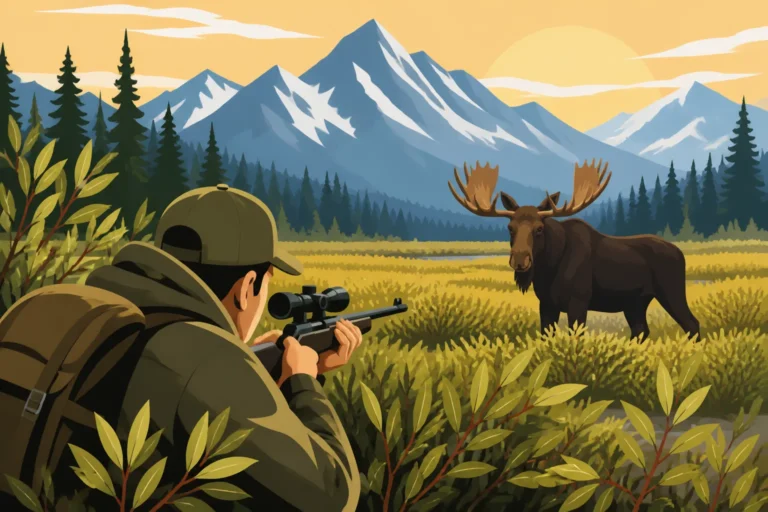
Moose are, without a doubt, one of the biggest draws to the Atlin country. These magnificent animals thrive in the mix of water, willow, and coniferous forest that defines many of the region's river and lake systems. You’ll often find them browsing on willows and aquatic vegetation along river bottoms, lake edges, and in muskeg areas. During the rut, typically late September through October, bulls become more active and vocal, making calling a highly effective, albeit challenging, strategy.
Hunting moose here often means being prepared for wet, marshy ground and dense cover. Accessing these areas often involves jet boats, canoes, or simply walking long distances through challenging terrain. Consider focusing your efforts around the larger lake systems and their tributaries, such as the northern reaches of Atlin Lake or the various rivers feeding into it. Scouting for fresh sign – tracks, rubs, and browse – is key. If you're planning a hunt during the rut, being mobile and ready to respond to calls can make all the difference. Remember, getting a moose down in this country is only half the battle; getting it out is often the bigger challenge, so plan your extraction method carefully, particularly if you're deep in the backcountry. Getting a Moose Out on a British Columbia River can give you an idea of the logistics involved.
Bears: Black Bears and Grizzly Considerations
Both black bears and grizzly bears call the Atlin region home, though the grizzly hunt in British Columbia is closed, making it illegal to target them. This means any bear hunting in the Atlin area will be strictly for black bears. Black bears are widespread and can be found in various habitats, from valley bottoms to subalpine slopes. They are often drawn to open areas, particularly in spring when new growth emerges, or in late summer and fall when berry crops ripen.
When targeting black bears, look for them along avalanche chutes, clearings, and slopes with good berry production. Rivers and streams, especially those with salmon runs, can also be hotspots in the fall, though this often means navigating thick bush and being acutely aware of potential grizzly presence. Hunting Fall Bears on British Columbia Berry Slopes can be very effective in this region. Given the presence of grizzlies, bear safety is paramount. Always carry bear spray, know how to use it, and understand bear behavior. Bear Safety While Hunting in British Columbia is essential reading for any hunter heading into this remote country. Properly identifying black bears from grizzlies is crucial, so spend time learning the distinguishing features before you head out.
Other Game: Caribou, Wolves, and Upland Birds
While moose and black bears are the primary targets, the Atlin area does have other game species. Historically, caribou herds traversed these lands, and while their populations have faced challenges, there may be very limited opportunities in specific zones. It's absolutely critical to check the most current British Columbia Hunting Regulations Synopsis for any open seasons and restrictions on caribou, as many herds are facing conservation concerns. Always consult Caribou Hunting Where Seasons Are Open before considering this species.
Wolves are also present throughout the Atlin region, often following the movements of moose and caribou. They can be incredibly challenging to hunt, requiring immense patience and skill in calling. Their presence is a testament to the wildness of the area. Additionally, various upland bird species like spruce grouse and ruffed grouse can be found in suitable habitats, offering a pleasant bonus if you're focused on big game.
Here's a quick look at the typical hunting approach for key species in Atlin:
| Species | Primary Habitat (Atlin) | Preferred Hunting Method | Key Considerations |
|---|---|---|---|
| Moose | River bottoms, lake edges, willow flats | Spot-and-stalk, calling (rut) | Wet terrain, dense cover, meat extraction |
| Black Bear | Avalanche chutes, berry slopes, clearings | Spot-and-stalk, glassing | Grizzly identification, bear safety |
| Wolf | Throughout game ranges | Calling, opportunistic | Extremely challenging, elusive |
| Upland Birds | Forest edges, clearings | Walking, opportunistic | Small game license, non-toxic shot for some areas |
Planning Your Atlin Hunting Expedition
A successful Atlin hunt isn't just about showing up with a rifle; it's about meticulous planning, preparation, and a deep respect for the unforgiving nature of the northern wilderness. This isn't a place for casual, last-minute trips.
Logistics and Gear: Prepared for Anything
When you're heading into a region as remote as Atlin, your gear list needs to be robust and comprehensive. Think self-sufficiency. Water filters, reliable shelter, a robust first-aid kit, and enough food for several extra days are absolute must-haves. Weather here changes on a dime, so layering is key, with high-quality rain gear and warm insulation being non-negotiable, even if the forecast looks mild. You'll be doing a lot of walking, likely through wet and uneven terrain, so durable, waterproof boots that are well broken-in are critical.
For navigation, don't rely solely on cell service – because it simply won't exist in most of the areas you'll want to hunt. A GPS unit with pre-loaded maps is essential, and a physical map and compass should always be your backup. Tools like onX Hunt on your phone or tablet can be invaluable for detailed topographic information and satellite imagery, helping you scout potential game crossings and bedding areas from the comfort of your home, and then navigate effectively in the field. But always download your maps for offline use before you leave home. For staying in touch with the outside world or in case of an emergency, a satellite messenger or phone is vital. Read up on Satellite Communication on a Remote Hunt to understand your options.
Food planning also needs careful thought. Dehydrated meals are lightweight and efficient for backpacking, but consider bringing some heartier, calorie-dense options for camp. If you plan to float hunt or use a base camp accessible by vehicle or boat, you can bring more substantial provisions. Remember, any game meat harvested needs to be properly cared for, especially in early season hunts. Meat Care in British Columbia's Warm Early Seasons can provide crucial advice.
Scouting and Research: Your Hunt Starts at Home
Before you even pack your first bag, a significant amount of your Atlin hunt preparation needs to happen at home. Digital scouting tools are incredible resources for this. Beyond onX Hunt, spending time with provincial hunting regulations and management unit maps is crucial. Understanding the terrain, identifying potential access points, and pinpointing areas of interest (like old burns, clearings, or unique geological features) can give you a massive advantage.
Resources like GoHunt, while often focused on other regions, can offer valuable insights into herd dynamics and general hunting intel that might inform your Atlin plans, even if you're cross-referencing with British Columbia-specific data. Look for information on past wildlife surveys, habitat reports, and even local forums to gather as much intelligence as possible. Talk to anyone who has hunted the region before – their local knowledge is gold. Look for current information on Scouting a British Columbia Management Unit Online to refine your approach.
Emergency Preparedness: When Things Go Wrong
In a place as isolated as Atlin, emergencies aren't just inconveniences; they can be life-threatening. Always file a detailed trip plan with someone reliable who knows when to expect you back and what to do if you don't check in. This plan should include your exact route, planned campsites, and who to contact in an emergency.
Beyond a satellite communication device, a robust emergency kit should include items like an emergency blanket, fire starter, signaling mirror, whistle, and extra layers of warm clothing. Know basic first aid and how to deal with common backcountry injuries. Given the remote nature of the area, you should assume that help could be days away, not hours. Planning for worst-case scenarios, like an unexpected extended stay due to weather or injury, is just being realistic. Emergency Planning in British Columbia's Backcountry is not just a suggestion, it’s a necessity.
Navigating Access and Regulations in Atlin
Hunting in British Columbia, especially in remote areas like Atlin, involves understanding a specific set of regulations and access nuances. Don't assume anything; always consult the most current official sources.
Understanding British Columbia's Regulations
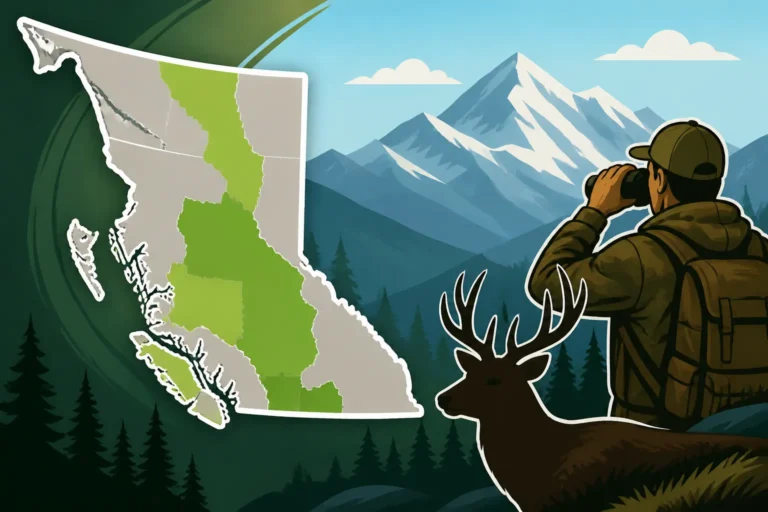
The British Columbia Hunting and Trapping Regulations Synopsis is your bible. It's published every two years and details all season dates, bag limits, compulsory inspection requirements, and general rules for each management unit. For Atlin, you'll be primarily looking at specific Management Units (MUs) within Region 10 (Skeena). Always double-check the exact boundaries and regulations for your chosen hunting grounds, as rules can vary even within close proximity. British Columbia's Two-Year Regulations Synopsis will be your primary source of truth.
Pay close attention to antler point restrictions for species like moose, which can be in effect in certain MUs. Also, be aware of any compulsory reporting or inspection requirements for harvested animals. For example, specific species or regions might require you to report your harvest online or present the head for inspection within a set timeframe. British Columbia's Compulsory Reporting Rules are crucial to follow to the letter. Ignorance of the law is not an excuse, and violations can carry significant penalties.
Accessing the Atlin Wilderness
Unlike more populated parts of British Columbia, private land is less of a concern for hunters seeking access in the Atlin region. Most of the huntable land here is Crown land, open to the public. However, accessing that Crown land is the challenge. The main artery into Atlin is Highway 70 (Atlin Road) which connects to the Alaska Highway. Once you leave this paved road, you'll mostly be on gravel Forest Service Roads (FSRs).
Many FSRs eventually become deactivated (not maintained, often overgrown, or with bridges removed), or simply peter out into ATV trails or footpaths. To get into the truly remote areas, you might need to employ specialized access methods:
- Float Planes: For lake-rich areas, flying into a remote lake with a float plane is a common method for drop camps. This allows you to reach areas utterly untouched by road access.
- Jet Boats: Rivers are often the highways of the north. Using a jet boat can get you deep into river systems that would otherwise be impassable by vehicle or foot. Jet Boat Access on British Columbia Rivers is a game-changer for covering vast distances quickly.
- Horseback: For hunters who prefer traditional methods and want to cover significant ground in mountainous or rolling terrain, horseback hunting is a time-honored tradition that suits the Atlin area well. Horseback Hunting British Columbia's Backcountry can offer deep insight into this method.
- Backpacking: For the most intrepid, strapping on a heavy pack and hiking miles into the wilderness is always an option, often leading to unpressured zones. Be prepared for Packing Out of British Columbia's Steep Country if this is your chosen method.
It's also essential to be aware of any active logging operations on FSRs. These roads can be extremely dangerous with heavy truck traffic. Always use appropriate radio channels and pull over for industrial vehicles. Information on road conditions and closures is often limited in these remote regions, so inquire with local authorities or knowledgeable locals before venturing too far.
Respecting the Land and Its Wildlife
Hunting in Atlin is a privilege that comes with significant responsibility. Beyond following regulations, it means practicing ethical hunting and leaving no trace. Pack out everything you pack in, and if you harvest an animal, utilize as much of it as legally and practically possible. This demonstrates respect for the animal and the land that supports it.
This region is pristine, and maintaining its wild character is up to every single person who ventures into it. Your actions, whether in camp or in the field, contribute to the overall perception and future of hunting in British Columbia's wild north.
Disclaimer
This article is for general informational purposes only and does not constitute professional advice. Laws, prices and regulations vary by location and change over time. Consult a qualified professional for guidance on your specific situation.