Vehicle Rules on British Columbia Crown Land
Navigating the vast landscapes of British Columbia for hunting can be an incredible experience, but the rules around vehicle access on Crown land can feel like a labyrinth, leaving many of us frustrated and worried about inadvertently breaking the law. This guide aims to clear up the confusion, providing a comprehensive look at British Columbia's vehicle rules on Crown land so you can plan your next hunting adventure with confidence and peace of mind.
Understanding British Columbia's Crown Land and Its Road Network
British Columbia is truly a hunter's paradise, largely due to the immense amount of public access available on what's known as Crown land. However, this access isn't a free-for-all, especially when it comes to vehicles. It’s easy to assume that if there’s a track, you can drive it, but that's often not the case. Understanding the different types of land and roads is the first critical step to staying on the right side of the regulations.
What Exactly is Crown Land?
Think of Crown land as public land. It makes up a massive percentage of British Columbia's land base, managed by the provincial government for various uses, including forestry, mining, recreation, and, thankfully for us, hunting. Unlike private property, which has clear boundaries and ownership, Crown land can sometimes feel a bit ambiguous, especially when it comes to older, unmaintained roads or faint tracks. The key takeaway here is that "public" doesn't automatically mean "unregulated." Just because you can technically drive somewhere doesn't mean it's legal. Many hunters find the sheer scale of How Much of British Columbia Is Crown Land daunting when trying to figure out where they can go.
Navigating the Forest Service Road Network
The backbone of access into British Columbia's backcountry is the extensive network of Forest Service Roads (FSRs). These are generally well-defined, gravel roads built and maintained for industrial activities, primarily logging. For hunters, FSRs are golden—they get us into areas that would otherwise be completely inaccessible. However, it's crucial to remember that FSRs are active industrial roads. This means you might encounter heavy equipment, logging trucks, or road maintenance vehicles at any time. Safety protocols, like using active radio channels and driving defensively, are paramount. You'll often see signs indicating active hauling, and it's your responsibility to be aware and yield to industrial traffic. Many hunters feel a real crunch when trying to balance access with the legitimate safety concerns of active logging. Finding Open Forest Roads in British Columbia can be a challenge, requiring up-to-date information.
Beyond active FSRs, you'll also encounter deactivated logging roads. These are roads that have been taken out of service, often by removing culverts, digging large trenches (water bars), or placing concrete barriers or gates. They might look like an old road, but they are no longer maintained for vehicle traffic. While some deactivated roads can be accessed by foot, bicycle, or horseback, driving on them is almost always prohibited and can result in significant damage to your vehicle, the environment, and a hefty fine. The intent is to allow nature to reclaim the land and protect sensitive areas.
Specific Vehicle Rules and Restrictions on Crown Land
This is where things can get a bit complicated, and frankly, it's the source of most headaches for hunters. British Columbia has put in place various measures to manage vehicle use, primarily to protect wildlife, sensitive habitats, and maintain public safety.
Motor Vehicle Use Plans (MVUPs) and Restricted Areas
One of the most significant tools the province uses to manage vehicle access is the Motor Vehicle Use Plan, or MVUP. These plans designate specific areas where vehicle use is restricted or prohibited. These restrictions can vary widely: some areas might be completely closed to all motorized vehicles, while others might restrict certain types of vehicles (like ATVs) or limit travel to specific times of the year. The frustrating part is that MVUPs are specific to management units or even smaller zones, meaning rules can change drastically just by crossing an invisible line on a map.
Hunters often find MVUPs challenging to navigate because the signage in the field isn't always clear or consistently maintained. You might drive for miles on a legal road only to find an unposted closure that you were expected to know about. This is where tools like onX Hunt can be incredibly useful, as they often overlay these restricted areas onto their maps, giving you a visual representation of what's allowed. Similarly, services like GoHunt often provide intelligence on regulations that can help you cross-reference. Failing to adhere to an MVUP can lead to fines and a real sense of regret for impacting sensitive wildlife habitat.
Gates, Barriers, and Signage: What Do They Mean?
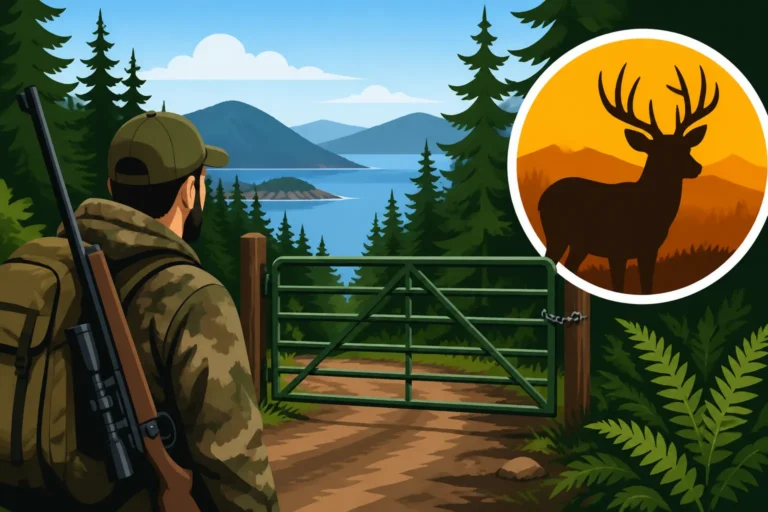
Gates and physical barriers are usually pretty clear indicators that vehicle access beyond that point is restricted. Whether it's a sturdy steel gate or just a few rocks piled across a track, these mean "no motorized vehicles beyond this point." Do not attempt to move, circumvent, or damage these barriers.
Signage, however, can be a mixed bag. You'll see official signs from the provincial government, but also signs from forestry companies, First Nations communities, or even local recreation groups. While company signs often pertain to active industrial sites or temporary closures, all signs indicating restrictions should be respected. Pay particular attention to signs specifying "No Motorized Vehicles," "Area Closed," "Seasonal Closure," or "Walk-in Only." Sometimes, a sign might be weathered, shot up, or barely legible, which only adds to the hunter's dilemma of wanting to follow the rules but struggling to decipher them.
Off-Road Vehicle (ORV) Regulations and Their Impact
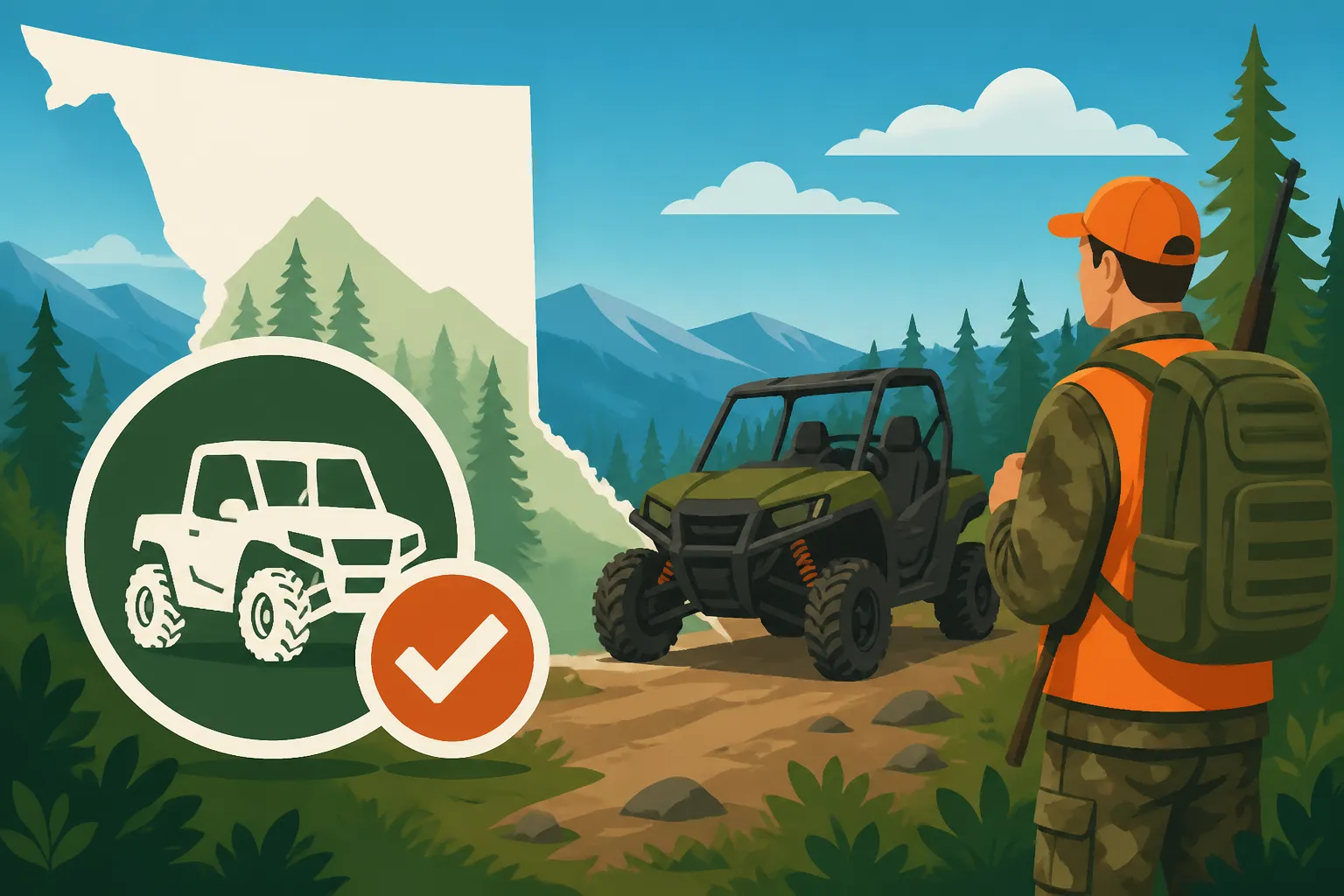
British Columbia has specific regulations for Off-Road Vehicles (ORVs), which include ATVs, UTVs, dirt bikes, and snowmobiles. The Off-Road Vehicle Act requires all ORVs operating on Crown land (or designated trails on private land) to be registered, licensed, and insured. This is distinct from your regular vehicle insurance and registration. Furthermore, ORV operators must wear helmets and adhere to specific environmental protection measures.
When it comes to hunting, many hunters rely on ORVs to access deeper areas or pack out game. However, these machines are also often subject to the MVUP restrictions mentioned earlier. Just because you have a registered ATV doesn't mean you can take it anywhere on Crown land. Specific trails might be designated for ORV use, while other areas, even those accessible by full-sized trucks, may be closed to ORVs to protect wildlife from disturbance or to prevent habitat damage. It's a common misconception that if a truck can go there, an ATV can too, but this is often incorrect in restricted areas.
Here's a quick reference for common vehicle restrictions:
| Vehicle Type | Common Crown Land Access | Typical Restrictions |
|---|---|---|
| Standard 4×4 Truck | Forest Service Roads (FSRs), designated backcountry roads. | MVUP zones, deactivated roads, seasonal closures, gates, weight/size limits on some FSRs, active industrial zones. |
| ATV/UTV | Designated ORV trails, open FSRs (if registered/insured). | MVUP zones, specific ORV prohibitions, seasonal closures, private land restrictions, helmet and insurance requirements. |
| Dirt Bike | Designated ORV trails, some open FSRs (if registered/insured). | MVUP zones, specific ORV prohibitions, seasonal closures, noise restrictions, helmet and insurance requirements. |
| Snowmobile | Designated snowmobile trails, winter access FSRs. | Seasonal closures (summer/fall), MVUP zones, avalanche hazard areas, specific wildlife closures. |
Remember, this table provides common scenarios. The definitive source for rules in your specific hunting area will always be the most current British Columbia Hunting and Trapping Regulations Synopsis and any specific MVUPs for that region.
Planning Your Trip: Tools and Best Practices
Given the complexities, proper planning is absolutely non-negotiable for a successful and legal hunting trip on British Columbia Crown land. Don't leave it to chance.
Utilizing Digital Mapping and Regulatory Resources
In today's age, digital tools are a hunter's best friend. Gone are the days of relying solely on paper maps that might be outdated or lack crucial regulatory overlays. Apps like onX Hunt provide detailed topographic maps, satellite imagery, and, most importantly, often include overlays for private land, Crown land, and various hunting regulations like MVUPs and restricted areas. While you should always cross-reference with official government sources, these tools offer an invaluable real-time perspective in the field. They can help you visualize Scouting a British Columbia Management Unit Online and understand where vehicle access points might be limited.
Another excellent resource is the provincial government's own mapping portals. These online tools allow you to search for specific management units (MUs) and often display motor vehicle prohibitions or special access restrictions. While they can be less user-friendly than commercial apps, they are the authoritative source. Combine these digital resources with the latest British Columbia Hunting and Trapping Regulations Synopsis—it’s updated every two years and provides explicit details on area-specific restrictions. Reading a British Columbia LEH Zone Map is a similar skill that applies directly to understanding broader access rules.
Respecting Seasonal and Temporary Closures
British Columbia's diverse ecosystems mean that vehicle access can be highly dynamic. Seasonal closures are common, particularly in sensitive areas during critical wildlife periods (like calving or lambing) or when road conditions pose an environmental risk (e.g., extremely wet conditions that could lead to trail degradation). Forest fire activity also frequently leads to large-scale area and road closures, often with little notice. It's essential to check for these closures before and during your trip. Official government websites and local forestry offices are the best places to get current information on Road Closures on British Columbia Forest Roads.
It's tempting to think a closed road "won't matter," especially if it seems like a shortcut, but these closures are put in place for very important reasons. Disregarding them not only puts you at risk of fines but can also disturb wildlife or cause irreparable damage to fragile habitats. Always err on the side of caution.
The Ethos of Responsible Backcountry Travel
Beyond simply following the letter of the law, there's an inherent responsibility that comes with enjoying British Columbia's wilderness. Our actions, especially with vehicles, can have a lasting impact.
- Stay on Designated Roads and Trails: Venturing off-road, especially in sensitive areas, can damage vegetation, disrupt soil stability, and erode critical wildlife habitat. Stick to established routes.
- "Tread Lightly": This isn't just a catchy phrase; it's a philosophy. Minimize your impact. Pack out everything you pack in. Avoid driving through creeks or wet areas if alternative routes exist.
- Respect Private Land: Even if Crown land is adjacent, never trespass on private property. Always know your boundaries, which
onX Huntcan clearly show. British Columbia Trespass and Private Land Law is clear on respecting landowners. - Be Prepared: Backcountry roads can be rough and remote. Carry spare tires, a jack, tools, extra fuel, and recovery gear. You might be miles from cell service, so a satellite communication device is a smart investment. Satellite Communication on a Remote Hunt can be a lifesaver.
By adopting these practices, you not only protect the environment but also help ensure continued access for all hunters in the future.
Enforcement and Consequences of Non-Compliance
It's easy to feel isolated in the vastness of British Columbia's backcountry, but conservation officers and other enforcement personnel do patrol these areas. The consequences of violating vehicle rules on Crown land can range from minor infractions to significant penalties.
Fines and Penalties
Driving in a prohibited area, failing to have proper ORV registration, or damaging Crown land can result in substantial fines. These fines are designed to be a deterrent and can quickly turn an otherwise enjoyable hunting trip into a very expensive lesson. Beyond monetary penalties, repeat offenses or severe violations can lead to vehicle impoundment or even restrictions on your hunting privileges. It's a risk simply not worth taking. Nobody wants to be the one explaining to a conservation officer why they thought a "No Motorized Vehicles" sign didn't apply to their rig.
Environmental and Ethical Ramifications
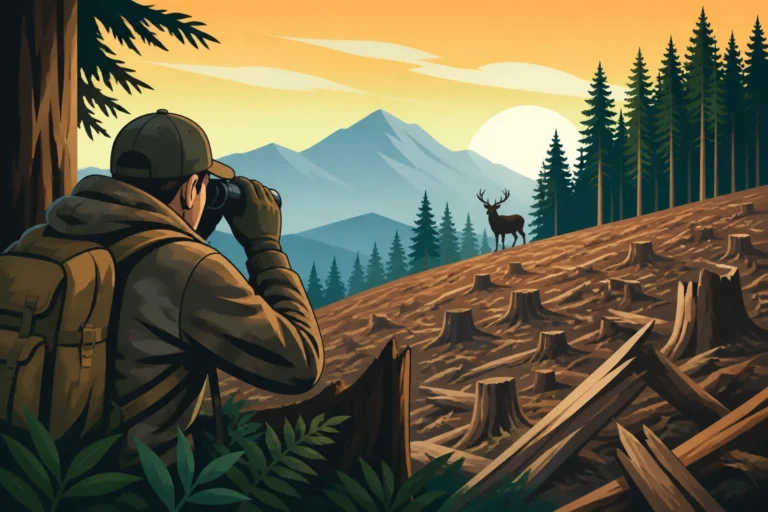
Beyond legal consequences, there are significant environmental and ethical implications. Driving off-road in sensitive areas, particularly during wet conditions, can cause severe erosion, damage riparian zones, and destroy critical habitat for game animals and other wildlife. Such actions also reflect poorly on the hunting community as a whole, potentially fueling public sentiment against hunting and leading to even stricter regulations in the future. As hunters, we are often seen as stewards of the land, and it's our responsibility to uphold that image. When you're Hunting a British Columbia Cutblock Edge or any other sensitive area, leaving no trace is paramount.
What to Do If You're Unsure
If you find yourself in a situation where you're genuinely unsure about vehicle access rules, the best course of action is always to err on the side of caution.
- Don't Proceed: If a sign is ambiguous, or a road looks questionable, do not drive past it. Turn around or park your vehicle and proceed on foot.
- Consult Your Map/App: Check your
onX Huntapp or other digital maps for overlays that might provide clarity. - Check the Regulations Synopsis: Keep a digital or physical copy of the current Hunting and Trapping Regulations Synopsis with you.
- Contact Local Authorities (Before Your Trip): If planning a trip to a new or complex area, call the local BC Forests, Lands, Natural Resource Operations and Rural Development office or the Report All Poachers and Polluters (RAPP) line for clarification before you leave. They are there to help ensure compliance, not just to penalize.
By taking these steps, you not only protect yourself from legal trouble but also contribute to the responsible and sustainable use of British Columbia's incredible natural resources. Responsible vehicle use is a key part of ensuring that our children and grandchildren will have the same opportunities to explore and hunt these wild places. Emergency Planning in British Columbia's Backcountry is just as important as knowing the road rules.
Disclaimer
This article is for general informational purposes only and does not constitute professional advice. Laws, prices and regulations vary by location and change over time. Consult a qualified professional for guidance on your specific situation.