British Columbia’s Omineca Moose Country
The Omineca region of British Columbia can feel like an overwhelming expanse of wilderness, daunting to even the most seasoned hunter looking for moose. Its vastness, remote access, and sometimes challenging terrain can make planning a successful hunt feel like finding a needle in a colossal haystack. This guide is here to demystify the Omineca, offering practical insights and strategies to help you navigate this incredible moose country, understand its unique characteristics, and increase your chances of a successful and memorable hunt.
Understanding the Omineca Region
The Omineca is more than just a dot on a map; it's a sprawling, diverse landscape that holds some of British Columbia's most productive moose habitat. For hunters, grasping the fundamental geography, climate, and population dynamics here is the first step toward understanding how to hunt it effectively. Without this foundational knowledge, you're essentially walking blind into a wilderness that demands respect and preparation.
Geographical Overview and Ecosystems
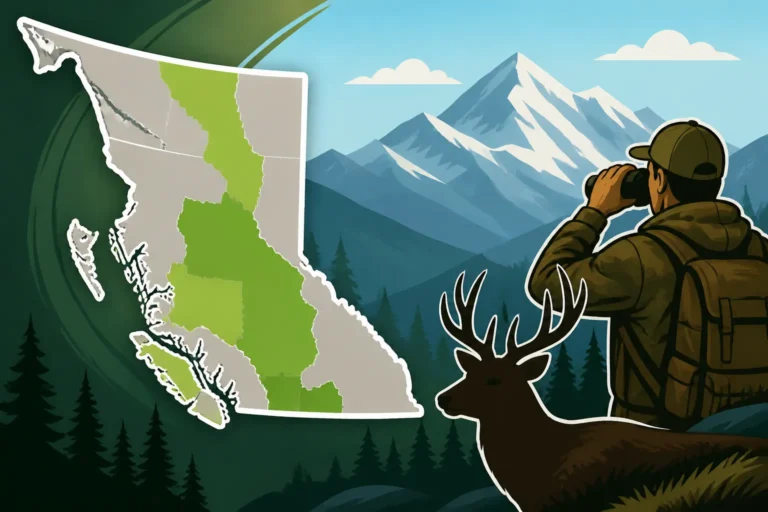
Nestled in the central interior of British Columbia, the Omineca region covers a huge area, stretching from the Cariboo Mountains in the south to the Omineca Mountains in the north, and encompassing a significant portion of the Nechako Plateau. This isn't one uniform landscape; rather, it’s a mosaic of ecosystems. You'll find vast coniferous forests, primarily lodgepole pine, spruce, and subalpine fir, interspersed with expansive wetlands, meandering river valleys, and numerous lakes. Elevations vary dramatically, from lower river bottoms to high alpine country, though the best moose habitat is often found in the mid-elevations and lowlands. This diversity creates a wide array of cover and feed, which moose utilize throughout the year. Understanding these varied ecosystems helps you predict where moose will be at different times, whether they're seeking dense thermal cover or feeding in an open willow flat.
The rolling hills and plateaus, often carved by ancient glaciers, contribute to a complex network of drainages and basins. These features are critical for moose, providing everything from water sources to escape routes. You'll see evidence of past logging operations everywhere, creating a patchwork of old growth, regenerating cutblocks, and mature timber. This mix of disturbed and undisturbed areas is vital for moose, as they thrive on the fresh browse that springs up in younger forests. For any hunter, getting familiar with these broad geographical patterns, perhaps by studying satellite imagery with tools like onX Hunt, can reveal prime areas before you even set foot in the field.
Climate and Its Impact on Moose
The Omineca experiences a continental climate, which means cold, snowy winters and relatively warm, often dry, summers. This isn't the mild coastal climate of Vancouver Island; expect extremes. Winter temperatures can plummet, piling up significant snow loads, which directly influences moose movement and survival. Deep snow can push moose down to lower elevations where browse is more accessible, or confine them to dense stands of timber that offer thermal protection. This is a critical factor when planning a late-season hunt; animals that were spread out high up in September might be concentrated in valley bottoms by November.
Conversely, summers can be warm, sometimes with periods of drought, though rain is certainly not uncommon. The length of the growing season directly affects the quality and quantity of forage available, impacting moose calf survival and bull antler growth. Fall, the primary hunting season for moose, often brings a mix of crisp, clear days and colder, wetter periods. Early fall hunts can be surprisingly warm, requiring careful Meat Care in British Columbia's Warm Early Seasons, while late fall can quickly turn into full-blown winter conditions, with heavy snow and freezing temperatures. Hunters need to be prepared for everything, from mild, buggy days to blizzard conditions, as the Omineca weather can be highly unpredictable.
Moose Population Dynamics in the Omineca
The Omineca region has historically been a stronghold for British Columbia's moose, supporting robust populations. However, like many wildlife populations, they've seen their share of fluctuations. Factors such as habitat changes, predator pressure, and disease all play a role in British Columbia's Moose Population Trend. Wildfire, for instance, has a complex and often delayed impact. While initial burns can destroy habitat, the regeneration that follows a few years later can create an explosion of prime moose browse, drawing animals into these areas. Beetle kill, particularly among lodgepole pine, has also altered vast tracts of forest, creating open areas that may eventually regenerate into good moose forage.
Predation from wolves and bears, especially grizzlies, is a natural part of the ecosystem here and can influence local moose densities. Hunters often find that certain areas hold higher concentrations of animals due to specific habitat features or lower predator pressure. The region's hunting regulations, including General Open Seasons and Limited Entry Hunting (LEH) draws, are designed to manage these populations sustainably. Understanding whether a particular area is under general open season rules or requires an LEH authorization, and what the harvest quotas or antler restrictions are, is crucial. Checking the current regulations synopsis for specific Management Units (MUs) within the Omineca will always be your best friend in planning. Moose Hunting British Columbia's Interior delves deeper into these dynamics.
Prime Moose Habitat in the Omineca
When you’re looking for moose in the Omineca, you’re looking for a combination of food, water, and cover. Moose are highly selective browsers, and certain habitat types consistently provide the necessary elements to sustain them. This isn't about blind wandering; it's about understanding the land and knowing where to focus your efforts.
River Systems and Riparian Zones
The Omineca is crisscrossed by countless rivers, creeks, and their associated riparian zones, which are often literal moose magnets. These areas, particularly slow-moving sections of rivers or oxbows, provide lush aquatic vegetation that moose absolutely love, especially during warmer months. Think about the broad, willow-choked river flats of the Parsnip or Nation River systems, or the smaller, alder-lined creeks that feed into larger lakes. These are places where moose can cool off, find essential minerals, and feed on succulent plants.
Beyond just the water's edge, the dense willow and alder thickets that grow along these waterways offer crucial cover, both for bedding and for escape. Even in the fall, when aquatic feeding might slow down, moose will still frequent these areas for the dense browse and thermal cover. When scouting or hunting, look for trampled vegetation, fresh tracks in the mud, and rubbed willows – clear indicators that moose are using these corridors. These riparian zones also act as natural travel routes, funneling animals between feeding and bedding areas, making them excellent locations for setting up and calling. Jet Boat Access on British Columbia Rivers can open up a lot of this prime, otherwise inaccessible, riparian habitat.
Burns and Regenerating Forests
Wildfire has shaped much of British Columbia's landscape, and the Omineca is no exception. While a fresh burn might look like a desolate moonscape, give it a few years, and it transforms into incredibly productive moose habitat. The fire clears out old, decadent timber, allowing sunlight to reach the forest floor, which then explodes with new growth: willows, aspen, fireweed, and various shrubs that are high-value moose forage. These regenerating forests, often in the 3- to 15-year post-burn range, offer a buffet for moose.
Hunting these areas requires patience and careful observation. Moose will often move into the thicker edges of these burns, or use islands of unburnt timber within the fire scar for security. They might feed heavily in the open areas during low light conditions, then retreat to denser cover as the day progresses. Look for moose tracks along the edges where the burn meets mature timber, or in the regenerated pockets within the burn itself. The contrast between the dark, fire-charred trees and the vibrant new green growth can also make spotting moose a little easier, especially if you're glassing from a distance. Knowing how to interpret a recent burn's stage of regeneration can lead you to highly concentrated pockets of moose.
Willow Flats and Low-Lying Areas
Beyond river systems, the Omineca is dotted with countless willow flats, marshy areas, and low-lying depressions that collect water and support dense stands of willow. These are quintessential moose feeding grounds, particularly during the rut and early fall when bulls are on the move and cows are feeding heavily. These flats often occur in valley bottoms, along the shores of smaller lakes, or in expansive wet meadows. The thick, interconnected willow bushes provide both abundant food and excellent cover, allowing moose to feed undisturbed.
Hunting these areas can be physically demanding, involving slogging through wet ground and dense brush. However, the rewards can be significant. Early morning and late evening are prime times, as moose will be out feeding. During the middle of the day, they might be bedded down within the thickest parts of the willows, or just on the edge, still within reach of good forage. Pay attention to wind direction, as sound carries easily in these open, yet brushy, environments. Using mapping apps like onX Hunt can help you identify these specific low-lying features and willow concentrations, which might not be obvious from a distance. Often, these are the locations where you'll hear and see signs of rutting activity.
Accessing the Omineca Moose Country
The Omineca is vast and largely undeveloped, which is both its charm and its challenge. Getting into prime moose country often means leaving the pavement far behind and embracing the backcountry experience. Access methods range from relatively straightforward truck routes to highly involved fly-in adventures.
Forest Service Roads and Their Conditions
The backbone of access into the Omineca's public land is its extensive network of Forest Service Roads (FSRs). These gravel roads spiderweb through vast tracts of Crown land, opening up areas that would otherwise be impenetrable. For many resident hunters, FSRs are the primary means of reaching their hunting grounds. However, don't expect smooth sailing. Conditions can vary wildly; some main arterial FSRs might be well-maintained, but most branch roads are rough, narrow, and often riddled with potholes, washouts, and active logging traffic. It's not uncommon to encounter deactivated roads beyond gates, or bridges that are out.
A reliable 4×4 truck with good ground clearance and durable tires is often essential. Always carry spare tires, a full-sized jack, a shovel, and recovery gear. More importantly, always let someone know your travel plans and expected return. Cell service disappears quickly once you leave major highways, making satellite communication devices a crucial piece of gear. Before you head out, check for Road Closures on British Columbia Forest Roads and active logging schedules, as industrial traffic has the right-of-way and can be very dangerous if you're not expecting it. Learning to Find Open Forest Roads in British Columbia can save you a lot of frustration and time.
Jet Boat and River Access Points
For those willing to invest a little more, jet boats offer unparalleled access to remote river systems that hold fantastic moose populations. Rivers like the Parsnip, Nation, and other major drainages become highways into areas far beyond where any truck can go. A jet boat allows you to cover significant distances efficiently, bypassing challenging terrain and reaching pristine habitat that sees minimal pressure. This kind of access is particularly effective for hunting during the rut, as you can cruise stretches of river, stopping to call from gravel bars or side channels.
Planning a jet boat hunt requires specific knowledge and equipment. You need a reliable jet boat capable of handling shallow water and strong currents, and experience running rivers with potential hazards like sweepers, log jams, and fluctuating water levels. Knowing your put-in and take-out points, and having a plan for fuel and emergency repairs, is critical. These river systems are often surrounded by dense riparian zones that are prime moose country, making the boat not just transportation but also a strategic hunting tool. Always prioritize safety on the water, especially in remote areas where help is a long way off.
Remote Fly-In Opportunities
For the ultimate remote Omineca moose hunt, fly-in access is often the answer. Chartering a float plane or wheeled plane to a remote lake or airstrip can drop you into truly wild country, far from roads and other hunters. This is often the realm of guided hunts, but experienced resident hunters with the right gear and bush plane contacts can also arrange these trips. Fly-in hunts offer access to untouched or lightly hunted areas, where moose might be less wary and populations more robust.
The logistics of a fly-in hunt are substantial. You'll need to coordinate with a reputable air charter service, understand weight restrictions for gear and meat, and plan for all contingencies once you're on the ground. This typically involves establishing a spike camp or a more substantial base camp, often for an extended period. Flying Into a Remote British Columbia Camp requires meticulous planning for food, shelter, water purification, and emergency communication. While expensive, it can provide a truly unforgettable wilderness experience and access to some of the largest bulls the Omineca has to offer. GoHunt can be a good resource for exploring potential zones, especially when considering remote areas.
Hunting Strategies for Omineca Moose
Hunting moose in the Omineca demands a combination of patience, resilience, and effective strategies tailored to the landscape and the animals' behavior. It's rarely a quick hunt; it's about putting in the time and applying the right tactics.
Calling Techniques for Omineca Bulls
Calling is arguably one of the most exciting and effective ways to hunt moose, especially during the rut, which typically peaks from late September through early October. The Omineca's vast timber and open areas are ideal for calling. A deep, guttural bull grunt can challenge a dominant bull, while a plaintive cow call or fawn bleat can pique the curiosity of younger bulls or even draw in a cautious herd bull looking for a mate. Combining calls, such as a cow call followed by raking brush, mimics a real-life scenario and can be incredibly persuasive.
Patience is paramount when calling. Moose can take a long time to respond, or they might circle downwind before committing. Set up in a location with good visibility, ideally with a natural obstacle to prevent a bull from coming straight in downwind. Use the wind to your advantage, and don't be afraid to sit silently for 20-30 minutes after a calling sequence, listening intently. Often, the softest crunch of leaves or a distant grunt is the first indication of an approaching animal. Calling Moose in the Rut is an art form that takes practice, but when a massive Omineca bull steps out of the timber responding to your call, it's an unforgettable experience.
Spot-and-Stalk in Openings and Clearings
While calling works wonders during the rut, outside of that narrow window, or in areas with extensive clearings, spot-and-stalk is a highly effective method. The Omineca's landscape, with its numerous cutblocks, old burns, and natural meadows, presents ample opportunities for glassing. Early mornings and late evenings are prime times to find moose feeding in these open areas before they retreat to denser cover for the day. Setting up with good optics on a high point overlooking a valley, a series of clearings, or a large burn, can reveal animals that would otherwise go unnoticed.
Once a moose is spotted, the stalk begins. This is where patience, understanding wind direction, and moving quietly become critical. Moose have excellent hearing and a phenomenal sense of smell, so staying downwind and minimizing noise is paramount. Use available cover – contours of the land, thick brush, or standing timber – to close the distance. This method often works well in areas where you might find Hunting Moose on a Cutblock Edge or along the interfaces between different habitat types. Pay close attention to subtle movements and sounds, and be prepared for a quick shot once you're in range.
Still-Hunting Dense Timber and Swamps
The Omineca is full of dense timber stands and swampy areas that moose love for bedding and security. Still-hunting these areas, moving slowly and deliberately, pausing frequently to observe and listen, can be incredibly productive. This is a tactic that rewards meticulous attention to detail and a keen understanding of moose behavior. Moose are large animals, but they can disappear into thick cover surprisingly easily. Focus on areas with good browse, tracks, and droppings – signs of recent moose activity.
When still-hunting, move at a snail's pace, taking only a few steps before stopping to scan the surroundings for any horizontal lines, dark patches, or flicking ears that might indicate a moose. Use your binoculars constantly, even in dense cover, to pick apart shadows and branches. Pay particular attention to the wind, as scent control is crucial when you're moving through a moose's bedroom. This method is often the ticket for finding those mature bulls that avoid open areas and prefer the security of heavy cover. It requires quiet boots, soft clothing, and an unshakeable belief that a moose could be just ahead of you.
Challenges and Considerations for Omineca Hunts
Hunting the Omineca is a true wilderness experience, and with that comes a unique set of challenges and responsibilities. Being prepared for these realities is not just about comfort; it's about safety and increasing your chances of a successful and ethical hunt.
Navigating Remote Terrain and Weather
The sheer remoteness of much of the Omineca is both its allure and its biggest obstacle. Roads can quickly turn into overgrown tracks, trails might be nonexistent, and the landscape can be confusingly uniform. Reliable navigation tools are non-negotiable. While paper maps and compass skills are foundational, modern GPS devices and mapping apps like onX Hunt have revolutionized backcountry navigation. They allow you to accurately pinpoint your location, mark waypoints, and navigate through dense timber or featureless terrain, even when the clouds roll in or snow starts to fall. Reading a British Columbia MU map effectively is crucial, as is understanding British Columbia's Management Units and Regions.
Beyond navigation, the weather in the Omineca can change dramatically and without warning. A beautiful sunny morning can quickly give way to a cold, torrential downpour or a significant snowfall, even in early fall. Hunters need to pack for all four seasons, focusing on layering systems that can be adjusted to fluctuating temperatures and conditions. Waterproof outerwear, insulated layers, and warm, waterproof boots are essential. Being caught unprepared for a sudden cold snap or heavy snow can quickly turn a challenging hunt into a dangerous situation, especially when miles from the nearest road.
Bear Safety and Meat Care
The Omineca is prime habitat for both black bears and grizzly bears. While black bears are more common, the region also supports healthy grizzly populations. Encountering a bear is a real possibility, and being prepared for such an event is critical. Carry bear spray, know how to use it, and have it readily accessible. Understand Bear Safety While Hunting in British Columbia, which includes making noise while hiking, being aware of your surroundings, and knowing how to react to different types of bear encounters. Proper food storage and camp hygiene are also crucial to avoid attracting bears to your camp.
Once you harvest a moose, especially in an early season when temperatures are still warm, proper meat care becomes paramount to prevent spoilage. A moose is a huge animal, and quartering it quickly and efficiently is essential. Carrying game bags, a sharp knife, a bone saw, and a tarp or ground cloth for hygiene are standard practice. Getting the meat off the bone and hung to cool as quickly as possible is vital. In grizzly country, this process can feel intense, as the smell of fresh meat can attract bears. Having multiple hunters helps speed up the process and provides an extra set of eyes. Knowing how to deal with a fresh kill in potentially hazardous conditions, including Quartering a Moose in Grizzly Country, is a non-negotiable skill.
Logistics and Emergency Preparedness
A hunt in the Omineca is not a casual day trip; it’s an expedition. Meticulous logistical planning is key. This means calculating fuel consumption for vehicles and boats, packing enough food and water for the duration of the trip (plus extra for emergencies), and bringing all necessary camping and hunting gear. Spare parts for vehicles, a comprehensive first-aid kit, and reliable communication devices (satellite phone or messenger) are essential items. Cell service is unreliable, if not completely absent, in most hunting areas.
Creating a detailed trip plan and leaving it with a trusted contact back home is perhaps the most important safety measure. This plan should include your intended route, hunting areas, expected return date, and emergency contact information. In the event of an injury, a broken-down vehicle, or getting disoriented, having a clear plan allows search and rescue services to locate you more quickly. These are remote areas, and self-reliance is not just a virtue; it's a necessity. Being prepared for the unexpected, from getting lost to facing severe weather or a mechanical failure, means you're more likely to have a safe and successful hunt in British Columbia's stunning Omineca moose country.
| Habitat Type | Key Features | Moose Attraction | Recommended Strategy |
|---|---|---|---|
| River Systems/Riparian | Slow water, dense willows, alders, aquatic plants | Food, water, cover, travel corridors | Calling, still-hunting, jet boat access |
| Regenerating Burns | Young browse, scattered cover, open patches | Abundant browse | Spot-and-stalk, glassing, still-hunting |
| Willow Flats/Lowlands | Wet ground, dense willows, marshy areas | Prime browse, bedding cover | Calling, still-hunting, stalking |
| Dense Coniferous Timber | Thick spruce/pine, thermal cover | Security, bedding | Still-hunting, tracking |
| Lake Shores | Aquatic vegetation, shoreline browse, water access | Food, water, travel | Calling (from boat/shore), glassing |
Disclaimer
This article is for general informational purposes only and does not constitute professional advice. Laws, prices and regulations vary by location and change over time. Consult a qualified professional for guidance on your specific situation.