Private Forest Land Access in British Columbia
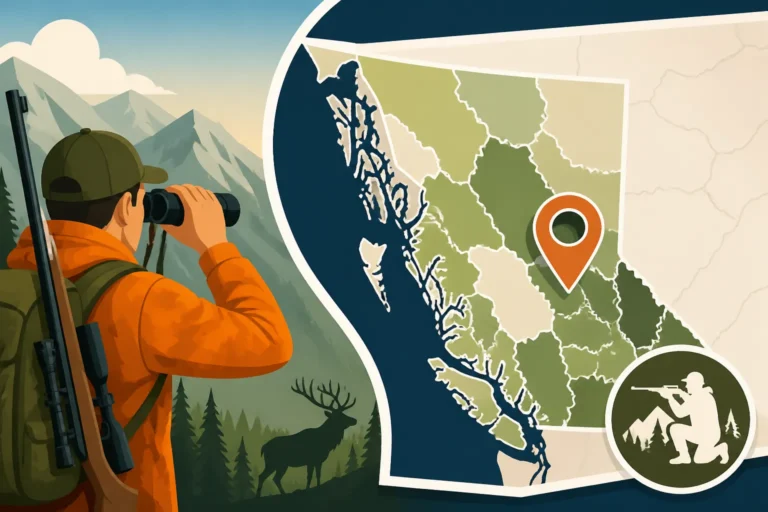
One of the most perplexing challenges for British Columbia hunters, especially those new to an area or the province, is figuring out what's truly public land and what's private. It often feels like you're navigating a minefield of invisible boundaries, locked gates, and confusing signage, particularly when it comes to the vast tracts of "private forest land." This guide aims to clear up some of that confusion, offering insights into how these lands are managed and how you, as a responsible hunter, can (or sometimes can't) gain access.
Understanding the Landscape: What is Private Forest Land?
Many hunters see endless trees and assume it's all public, especially when they're driving down what looks like a typical forest service road. But in British Columbia, a significant portion of what looks like Crown land is actually private forest land, owned by forestry companies or other private entities. This distinction is absolutely critical for hunters because it dictates where you can legally go, what you can do, and what permissions you might need.
The Legal Distinction: Private vs. Crown Land
At its core, the difference between private forest land and Crown land in British Columbia comes down to ownership and legal rights. Crown land belongs to the provincial or federal government, and generally, hunters have a right to access and recreate on it, subject to specific regulations, seasons, and management unit rules. It's the vast majority of our province, the backbone of our hunting opportunities. Think of it as land held in trust for all citizens.
Private land, on the other hand, is owned by individuals, corporations, or other non-governmental entities. The owner of private land has exclusive rights to that property. This means they can decide who enters, under what conditions, and for what purpose. They can post it, gate it, and restrict access entirely. When we talk about "private forest land," we're usually referring to large parcels owned by timber companies, often acquired decades or even a century ago. These companies operate on a business model, and their primary concern is timber production, not necessarily public recreation, though some do have policies in place to allow managed access. Understanding this fundamental legal difference is the first step in avoiding accidental trespass and potential fines. For more detail on the legalities, you'll want to review British Columbia Trespass and Private Land Law.
Historical Context of Forest Land Ownership
To really grasp why some areas are private forest land, you need a little history lesson. Many of these vast private holdings aren't new; they often date back to the late 19th and early 20th centuries when the province was encouraging railway construction and resource development. Companies were granted large tracts of land, sometimes in exchange for building infrastructure or as payment for timber rights. These weren't just temporary logging leases; these were outright land grants that converted Crown land into private property.
Over the decades, as the forestry industry evolved, these land parcels changed hands, but their private status remained. What might have been a small lumber company's holding generations ago could now be part of a massive international corporation's portfolio. These lands are often checkerboarded across the landscape, intermingled with Crown land, which makes it even more confusing for hunters trying to determine what's what. The boundaries aren't always clear on the ground, and older maps might not reflect current ownership, leading to a lot of head-scratching and frustration when you're trying to figure out where you can set up camp or pursue that buck you've been chasing.
The Perception Gap: Why it Feels Public
This is where the real frustration sets in for many hunters. You drive for miles down what seems like a public road, passing through what looks like typical BC wilderness, and then you hit a gate, or a "No Trespassing" sign, or even worse, find out after the fact you were on private land. The perception is that if there's no fence, no clear boundary, and it's heavily treed, it must be Crown land.
The reality is that private forest land often looks identical to adjacent Crown land. It has the same trees, the same wildlife, and often the same network of forest service roads (FSRs) that feel like public access routes. Forestry companies build and maintain these roads for their operations, but that doesn't automatically grant public access. This perception gap leads to genuine confusion and, unfortunately, sometimes unintentional trespass. It's a common complaint among hunters: "How am I supposed to know if it's not marked clearly?" And it's a valid point that underscores the need for better information and tools, which we'll get into shortly.
The Big Players: Who Owns These Lands?
It's not just some random person owning a small woodlot; we're talking about industrial-scale land ownership that impacts huge swaths of the province. Knowing who the major players are can help you understand the different access policies you might encounter.
Major Forestry Companies and Their Holdings
British Columbia is home to several large forestry companies, and many of them own significant tracts of private land. Companies like TimberWest, Western Forest Products, and Island Timberlands (now all part of a larger entity, Mosaic Forest Management on Vancouver Island and the Coast) are prime examples. On the Interior, you'll find holdings from companies like West Fraser, Tolko, Canfor, and others. These companies manage their lands primarily for timber production, which means they operate logging trucks, heavy equipment, and active harvest blocks.
Their approach to public access can vary widely. Some, like Mosaic Forest Management, have implemented formal access programs where hunters (and other recreationists) can purchase annual permits or day passes to access certain areas, particularly on Vancouver Island. Others might have less formal arrangements, or even strict "no public access" policies on specific parcels. It’s crucial not to assume that because one company allows access, another will too, even if their lands are adjacent. Each company sets its own rules, and those rules can change.
Smaller Private Owners and Investment Groups
Beyond the big forestry giants, there are also smaller private landowners and investment groups that own forested properties. These might be individuals with large acreages, or companies that have purchased land for future development, conservation, or other purposes. Their approach to access is often even more varied. Some might be amenable to granting permission if you simply ask; others might have purchased the land specifically to keep it private and undeveloped, and will be much stricter about access.
It’s often these smaller, less well-known parcels that can be the trickiest to navigate, as they might not have the same public-facing access policies as the larger corporations. Identifying these owners and their boundaries is where good mapping tools become indispensable. Without them, you might find yourself unknowingly crossing a property line that isn't clearly marked on the ground.
How Ownership Impacts Access Rules
The ownership structure profoundly impacts the access rules you'll encounter. For large forestry companies, their primary concerns are safety (their workers and equipment), liability, and preventing vandalism or fire. Therefore, their access rules are often designed to mitigate these risks. This is why you'll often see:
- Gated roads: To control who comes and goes, especially during active logging operations or fire season.
- Permit systems: To track who is on their land and ensure they understand the rules and risks.
- Seasonal closures: Often during peak fire season in summer, or during active logging periods.
- Specific vehicle restrictions: To prevent damage to roads or reduce congestion with industrial traffic.
For smaller landowners, the rules might be more personal. They might be concerned about privacy, protecting their property from theft, or simply enjoying their land without disturbance. This is why a polite, direct request for permission can sometimes open doors that would otherwise be closed. Regardless of the owner, always remember that you are on private property, and the owner has the final say. Understanding British Columbia Trespass and Private Land Rules is paramount before you even consider entering private land.
Navigating Access: Permits, Gates, and Rules
So, you've identified a promising hunting area, and part of it is private forest land. What now? It’s not always a straightforward "yes" or "no," and often requires a bit of homework and planning.
The Permit System: How it Works (or Doesn't)
On Vancouver Island and the Coast, major forestry land managers like Mosaic Forest Management have established formal permit systems. These typically involve purchasing an annual access permit or a day pass online through their dedicated portals. The permits grant you access to a wide network of their FSRs and land for recreational purposes, including hunting, during specific seasons and in designated areas.
These systems are a double-edged sword. On one hand, they provide a clear, legal pathway to access vast areas that would otherwise be completely off-limits. They also often come with maps and clear rules, which is incredibly helpful. On the other hand, it's a cost that adds to your hunting expenses, and the rules can be restrictive (e.g., no overnight camping, specific gate hours, or seasonal closures that overlap with prime hunting dates). It requires planning ahead, as you can't just show up and expect to buy a permit on the spot. Make sure you understand the terms and conditions, as violating them can lead to losing your permit and potentially facing fines. These permits are specifically for their private lands and do not apply to Crown land.
Common Gate Policies and Seasonal Closures
Gates are the most common physical barrier you'll encounter on private forest land. These can be locked, requiring a permit or a specific key, or they might be open during certain hours or seasons. It's not uncommon for gates to be open during non-working hours or weekends, only to be locked tight during the week for active logging operations.
Beyond physical gates, seasonal closures are frequent. Fire season, typically from late spring through early fall, often sees widespread access restrictions or outright closures on private forest land due to extreme fire risk. This can be devastating for early season archery hunters or those targeting specific fall hunts. Active logging also triggers closures for safety reasons. You might find a road closed for weeks or even months while a cut block is being harvested. Always check for current road conditions and closures before heading out. Websites like those for Mosaic Forest Management often provide up-to-date information on Road Closures on British Columbia Forest Roads impacting their private land.
Respecting the Rules: What's Expected of You
When you gain access to private forest land, whether through a permit or direct permission, you are a guest. This means respecting the landowner's rules is paramount. This isn't just about avoiding legal trouble; it's about maintaining a good relationship with the landowners and ensuring future access for all hunters.
Expectations typically include:
- Staying on designated roads/areas: Don't venture off-road or into areas explicitly marked as closed.
- No littering: Pack out everything you pack in, and then some.
- Fire safety: Be extremely cautious with campfires, or adhere to fire bans.
- Avoiding active operations: Keep clear of logging crews and heavy equipment.
- No vandalism: Respect gates, signs, and any structures.
- Leaving gates as you found them: If it was closed, close it. If it was open, leave it open (unless directed otherwise by signage).
- Adhering to vehicle restrictions: If ATVs aren't allowed, don't use them.
Violations can lead to immediate revocation of access, hefty fines, and can negatively impact relations between the hunting community and landowners, potentially leading to even stricter rules or permanent closures. It's up to every hunter to be a good steward of these lands.
Finding Information: Tools and Resources for Hunters
The key to successfully navigating private forest land is information. You need to know where it is, who owns it, and what their current access rules are. Thankfully, technology and community resources can help immensely.
Using Mapping Apps (onX Hunt, GoHunt)
Modern mapping applications have revolutionized how hunters understand land ownership. Tools like onX Hunt and GoHunt are incredibly valuable for British Columbia hunters. These apps overlay property boundaries onto detailed topographical maps, satellite imagery, and even forest service road networks. With a tap of your finger, you can see if the ground you're standing on, or planning to hunt, is Crown land, private forest land, or other private property.
- onX Hunt: This app is a game-changer. It clearly delineates private land boundaries, often showing the land owner's name, which can be invaluable for identifying who to contact for permission. It's a fantastic tool for pre-scouting and ensuring you don't inadvertently trespass. You can download maps for offline use, which is critical in remote BC areas where cell service is non-existent. Using onX for British Columbia Crown Land is a great resource to learn how to maximize this powerful tool for both Crown and private land.
- GoHunt: While perhaps more focused on western US states, GoHunt also offers robust mapping features that can be adapted for BC. Its detailed base layers and ability to mark waypoints are useful.
These apps aren't just for avoiding trespass; they're for identifying opportunities. If an app shows a large block of private forest land, you know you need to research that specific company's access policies rather than just assuming it's closed. They empower you with the knowledge to make informed decisions before you even leave home.
Official Company Websites and Public Notices
The most reliable source for current access rules on private forest land is almost always the landowner themselves. Large forestry companies typically maintain websites with dedicated sections for public access and recreation. Here, you'll find information on:
- Permit programs: How to purchase, costs, and terms.
- Current road closures: Essential during fire season or active logging.
- Seasonal restrictions: When certain areas might be open or closed.
- Contact information: Who to call for specific questions or to report issues.
It's a good practice to check these websites frequently, especially close to your hunt dates, as conditions can change rapidly. Look for official press releases or public notices from the companies. Sometimes, local newspapers or community bulletin boards in smaller towns near these land holdings might also carry relevant announcements.
Local Knowledge and Community Forums
Never underestimate the power of local knowledge. Talk to other hunters, local residents, or staff at small-town diners and gas stations. These folks often have the most up-to-date, real-world information on gate status, recent closures, and which companies are generally more amenable to access. They might even know specific quirks about a particular area that isn't publicly advertised.
Online hunting forums and social media groups dedicated to BC hunting can also be a valuable resource. Hunters often share updates on access conditions, experiences with permit systems, or tips on contacting landowners. Just remember to verify information from these sources with official channels, as rumors or outdated advice can lead you astray. Combining all these information sources—apps, official websites, and local wisdom—gives you the best chance of successful and legal access. When you're trying to figure out which British Columbia Units a First-Timer Should Try, understanding these access nuances is crucial.
| Land Type | Typical Owner | General Access Rule | Common Hunter Experience | Key Action for Hunters |
|---|---|---|---|---|
| Crown Land | Provincial/Federal Government | Generally open to public, subject to regulations & seasons | Free, but can be remote or heavily pressured | Consult BC Hunting Regulations & MU Maps |
| Private Forest Land | Forestry Companies | Varies by company; often permit-based or restricted | Gated roads, seasonal closures, specific rules | Check company websites for permits/closures, use apps |
| Other Private Land | Individuals, Businesses | No public access without explicit permission (trespass) | Fences, "No Trespassing" signs, residential areas | Always ask for permission directly from the owner |
Strategies for Responsible Access and Building Relationships
Gaining access to private forest land isn't just about finding an open gate or buying a permit; it's about demonstrating respect and building a positive reputation for hunters. This proactive approach can lead to better access opportunities in the long run.
The Importance of Asking Permission
This cannot be stressed enough: if it's private land and there's no formal public access program, you must ask for permission. Even if a gate is open, even if there's no "No Trespassing" sign, if it's not Crown land, you need permission. This applies to small private holdings, farmland adjacent to Crown land, and sometimes even larger industrial lands if they don't have a public permit system.
Asking permission isn't just a legal obligation; it's a fundamental part of hunter ethics and landowner relations. It shows respect for private property rights and helps build trust. How to ask?
- Identify the owner: Use mapping apps like onX Hunt to find the landowner's name or company.
- Find contact information: Search online for company contacts, or for individuals, try local directories or inquire politely in the community.
- Make a polite, professional request: Explain who you are, what you want to do (hunt deer, scout, etc.), and assure them you will respect their property.
- Be prepared for "no": A landowner is under no obligation to grant access. Accept their decision gracefully.
- Get it in writing (if possible): If permission is granted, a simple text or email exchange confirming the terms can prevent misunderstandings.
This direct approach, while sometimes intimidating, is the only way to legally access many private parcels and can lead to exclusive opportunities. For situations like Hunting a Peace Country Grain Field, asking permission from the landowner is absolutely essential.
Building Trust with Land Managers
For the larger private forest land holders, building trust isn't about asking for individual permission every time, but rather about the collective behaviour of the hunting community. When companies see that hunters are responsible, respectful, and adhere to their rules, they are more likely to maintain or even expand access programs.
What builds trust:
- Following all permit rules: This includes respecting opening/closing times, designated areas, and vehicle restrictions.
- Reporting issues: If you see littering, vandalism, or unsafe behaviour from others, report it to the land manager. This shows you're invested in maintaining the quality of access.
- Leaving no trace: Being scrupulously clean, packing out all garbage, and leaving campsites (if permitted) pristine.
- Driving safely: Recognizing that active logging roads are dangerous and yielding to industrial traffic. Using radio channels if required for Radio Channels on Active Logging Roads.
- Public relations: Speaking positively about the land managers who offer access, and educating other hunters on responsible practices.
Trust is earned slowly and lost quickly. A few bad apples can ruin access for everyone. By consistently demonstrating responsible behaviour, hunters contribute to a positive relationship with land managers, which benefits the entire hunting community.
Best Practices for Driving and Camping
When on private forest land, whether permitted or with direct permission, adopting specific best practices for driving and camping is crucial for safety and maintaining landowner goodwill.
- Driving:
- Slow Down: Forest roads, especially active ones, are not highways. Dust, potholes, washouts, and heavy industrial traffic are common. Slowing down reduces risk and wear and tear on your vehicle.
- Headlights On: Always drive with headlights on, even in the daytime, to increase visibility for oncoming logging trucks.
- Know Your Radios: If you're on an active logging road, carrying a two-way radio (often an Icom or equivalent) and knowing the correct frequency (displayed on signs) to call out your location is paramount for safety.
- Respect Road Closures: Do not bypass gates or drive on roads marked as closed. These closures are usually for your safety or the safety of workers.
- Camping:
- Check Regulations: Most private forest land permit systems have specific rules about camping. Many prohibit overnight camping entirely. Always check before you set up a tent.
- Leave No Trace: If camping is allowed, practice Leave No Trace principles. Pack out all garbage, properly dispose of human waste, and minimize your impact on the site.
- Fire Safety: Adhere strictly to fire bans. If fires are allowed, keep them small, contained, and ensure they are completely extinguished before leaving.
- Choose Appropriate Sites: Camp on durable surfaces, away from water sources, and out of sight of main roads or active operations.
Remember, you are a visitor on these lands. Treating them with respect, care, and a keen eye for safety ensures a better experience for everyone and increases the likelihood of continued access. Even when Hunting British Columbia's Logging Road Network, these courtesies are essential.
Challenges and Frustrations: The Hunter's Perspective
Let's be real: navigating private forest land access in British Columbia can be incredibly frustrating. It's not always straightforward, and the rules often feel like they're designed to keep you out. Acknowledging these challenges is important for addressing them.
The Shifting Sands of Access Policies
One of the biggest headaches for hunters is the constant change in access policies. A road that was open last year might be gated this year. A company that previously offered free access might implement a permit system. Areas that were accessible for camping might now be day-use only. These changes are often driven by economic factors, changing timber plans, fire risk, or shifts in company ownership, and they can catch hunters off guard.
This unpredictable nature makes long-term planning difficult. A favorite hunting spot might suddenly become inaccessible, forcing hunters to scramble for new areas. It requires constant vigilance, checking websites and maps right up until the last minute before a hunt. This lack of consistency can be demoralizing and makes it feel like the goalposts are always moving.
Impact on Hunting Opportunities and Pressure
The closure or restriction of private forest land access has a direct impact on hunting opportunities. When large tracts of land become inaccessible, it funnels hunters onto the remaining open Crown land. This increases hunting pressure on those accessible areas, making it harder to find game, especially mature animals. It can also lead to overcrowding, which detracts from the quality of the hunting experience.
For species that heavily utilize these mixed private/Crown land landscapes, such as blacktail deer or black bears, reduced access can significantly alter hunting strategies. Hunters might have to shift from road-hunting or glassing cut blocks (often found on private lands) to more physically demanding backcountry hunts on Crown land, which not everyone is equipped for. It forces hunters to be more adaptable and resourceful in their scouting and planning, always keeping an eye on Scouting a British Columbia Management Unit.
Advocating for Future Access
Despite the frustrations, simply complaining won't change anything. Hunters have a role to play in advocating for future access. This involves a multi-pronged approach:
- Be a Model User: As discussed, always adhere to rules, leave no trace, and be respectful. Your actions reflect on the entire hunting community.
- Support Organizations: Join and support hunting and conservation organizations in BC. Groups like the BC Wildlife Federation (BCWF) actively engage with government and industry on access issues, representing hunters' interests. They can lobby for better access, clearer regulations, and address concerns on a larger scale.
- Engage with Landowners: When possible, have respectful conversations with land managers. Express the value of recreational access, offer to help with clean-up initiatives, or highlight the economic contributions of hunters to local communities.
- Educate Others: Share information about responsible access, permit systems, and mapping tools with fellow hunters. The more informed and responsible the hunting community is, the stronger our collective voice will be.
- Use the Tools Available: Actively use mapping tools like onX Hunt to understand boundaries, and purchase permits when required. This demonstrates that hunters are willing to follow rules and contribute to access programs.
By being proactive, responsible, and engaged, hunters can collectively advocate for and influence future private forest land access in British Columbia, ensuring that these valuable areas remain part of our hunting landscape for generations to come.
Disclaimer
This article is for general informational purposes only and does not constitute professional advice. Laws, prices and regulations vary by location and change over time. Consult a qualified professional for guidance on your specific situation.