British Columbia’s Grizzly Population Estimate
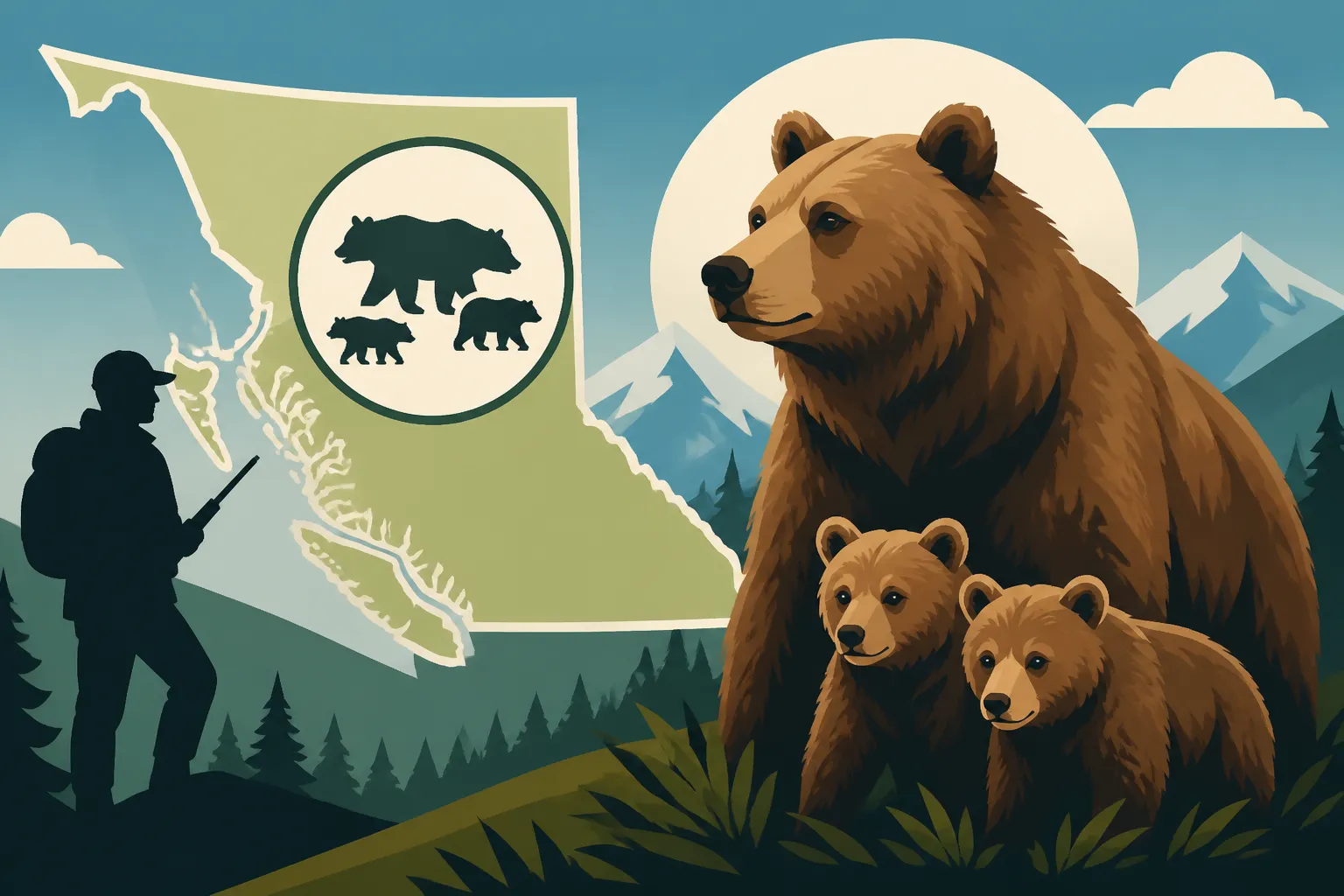
It's no secret that British Columbia is home to a robust population of grizzly bears, majestic creatures that command respect and sometimes a healthy dose of awe, or even fear, when encountered in the wild. For years, there's been intense public interest, and often heated debate, surrounding the actual number of these incredible animals roaming our province. Understanding British Columbia's grizzly population estimate isn't just about a number; it's about appreciating their place in our ecosystem, the conservation challenges they face, and how these powerful animals interact with the landscapes we share. This guide aims to shed light on how these estimates are made, the historical context, and what these numbers truly mean for the future of grizzlies in BC.
British Columbia's Grizzly Bears: A History of Presence and Perception
Grizzly bears have been an integral part of British Columbia's wilderness for millennia, shaping the ecosystems they inhabit and inspiring countless tales. Their sheer size and power have always commanded attention, leading to a complex history of human interaction, from awe and reverence to conflict and fear.
Grizzlies in the Landscape: From Wilderness Icon to Management Concern
Historically, grizzlies roamed much of British Columbia, adapting to diverse habitats from coastal rainforests to interior mountains and northern plains. They were, and still are, a keystone species, playing a crucial role in maintaining healthy ecosystems by dispersing seeds, aerating soil, and influencing prey populations. For early inhabitants, the grizzly was a symbol of strength and spirituality. However, as settlement expanded and resource extraction increased, the perception began to shift. Grizzlies, with their vast home ranges and preference for rich, productive habitats, often found themselves in conflict with human activities like ranching, agriculture, and forestry. This led to a period where they were often seen as a threat, rather than an asset, to human expansion and economic development.
This changing perception laid the groundwork for how grizzlies were managed for decades. Efforts often focused on reducing conflict, which sometimes meant direct removal or population control in certain areas. Understanding this historical context is key to appreciating why population numbers became such a hot topic. British Columbia's Grizzly Population Estimate itself became a battleground of sorts, with different groups advocating for their own interpretations of the data. Their presence continues to define vast swathes of BC's backcountry, reminding us of the wild heart of our province. Whether you're hunting deer or elk, or simply hiking, you're in bear country, and awareness is paramount.
The Era of Grizzly Hunting and Its Rationale
For a long time, grizzly bears were classified as a big game species in British Columbia, with regulated hunting seasons managed by the provincial government. The rationale behind allowing a regulated hunt often centered on concepts like sustainable harvest and wildlife management. Proponents argued that a limited, controlled hunt, based on scientific population estimates, could help manage populations, fund conservation efforts through license fees, and even reduce human-wildlife conflict by removing problem animals. Hunters who participated in these hunts often saw it as a challenging and highly sought-after experience, contributing to the mystique of British Columbia's wilderness.
However, the grizzly hunt was always a deeply contentious issue. Animal welfare organizations, conservation groups, and a significant portion of the public expressed strong opposition, citing ethical concerns, the relatively slow reproductive rate of grizzlies, and the difficulty in accurately assessing populations. The debate often hinged on conflicting interpretations of science and values. Regardless of one's stance, the fact remains that for many years, the grizzly bear was a species that could be legally hunted in specific regions under strict guidelines. The complex history surrounding this hunt is important background for understanding why the eventual decision to end it, covered more in Why Grizzly Hunting Ended in British Columbia, was so significant. This history also influenced how population estimates were viewed and utilized.
The Complex Science of Estimating Grizzly Populations
Determining the exact number of grizzlies in British Columbia is far from a simple task. These animals are notoriously elusive, often solitary, and inhabit vast, rugged territories, making traditional counting methods incredibly challenging. The "population estimate" isn't a precise head count, but rather an educated scientific approximation derived from various methodologies.
Methodologies and Their Limitations: Counting Elusive Giants
Wildlife biologists employ a range of techniques to estimate grizzly populations, each with its own strengths and limitations. One common method involves DNA sampling, where hair snagged on barbed wire fences or collected from rub trees is analyzed to identify individual bears. By repeatedly sampling an area, researchers can estimate population density and then extrapolate to larger regions. Another approach involves mark-recapture studies, where bears are captured, marked (often with ear tags or GPS collars), released, and then observed or recaptured later. The ratio of marked to unmarked bears in subsequent samples helps estimate the total population. These methods are labor-intensive and expensive, often requiring significant fieldwork in remote areas.
Other techniques include aerial surveys, particularly in open terrain where bears might be more visible, and the use of remote camera traps. Each of these methods generates data points that, when combined with sophisticated statistical models, help to form a population estimate. However, no single method is perfect. DNA sampling can be biased if bears don't interact with the collection sites, aerial surveys can miss bears under canopy, and camera traps only cover limited areas. This means that population estimates are always presented with a degree of uncertainty, reflecting the inherent challenges of studying a wild, wide-ranging carnivore. Organizations like GoHunt, while primarily focused on hunting insights for other species, often include general information on wildlife distribution, which underscores the difficulty in getting precise numbers for any elusive animal.
Challenges in Data Collection: Why Accurate Numbers Are So Hard to Pin Down
The sheer scale and ruggedness of British Columbia's terrain present monumental challenges to gathering accurate grizzly population data. Imagine trying to count bears across millions of acres of dense forest, towering mountain ranges, and remote coastal inlets. Many grizzly habitats are largely inaccessible, requiring significant effort and resources just to get survey crews into the field. Weather conditions can further complicate matters, limiting survey windows and impacting data quality.
Furthermore, grizzlies have massive home ranges. A single bear might traverse hundreds or even thousands of square kilometers, making it difficult to avoid double-counting or missing individuals when surveying adjacent areas. Their behaviour also contributes to the challenge; they are often wary of humans and can be difficult to spot even when present. Factors like denning cycles, seasonal movements to different food sources, and the solitary nature of many adults all mean that a snapshot count at any one time might not reflect the true population. This complexity means that even with the best scientific intentions and effort, any published "grizzly population estimate" is exactly that: an estimate, a careful scientific approximation, not an exact census. It's a reminder of the wildness these animals represent.
Understanding British Columbia's Grizzly Numbers
While pinpointing an exact, real-time number of grizzly bears in British Columbia is virtually impossible, ongoing scientific efforts provide us with critical insights into their overall population health, distribution, and the factors that influence their numbers. These estimates are vital for guiding conservation strategies.
Broad Estimates and Regional Health: Where Grizzlies Thrive and Where They Struggle
Prior to the end of the grizzly hunt, and based on the best available science at the time, British Columbia's grizzly bear population was generally estimated to be in the range of many thousands. These estimates varied over the years as methodologies improved and data was refined, but they typically indicated a healthy, though sometimes fragmented, population across much of the province. It's important to remember that this wasn't a single, uniform population; British Columbia is a vast province with diverse ecosystems, and grizzly numbers fluctuate significantly between different regions. Some areas, particularly in the northern and coastal regions, have historically supported denser populations, while others in the more populated southern interior have seen their numbers more impacted by human development.
For example, areas like the Great Bear Rainforest on the coast or the remote regions of the Northern Rockies are known strongholds. In contrast, populations in more fragmented habitats, often closer to urban centers or intensive resource development, might be smaller and more vulnerable. The challenge lies in ensuring connectivity between these populations to maintain genetic diversity and long-term viability. Tracking these regional variations is crucial for targeted conservation efforts. Even for hunters focused on species like moose or elk, understanding these regional dynamics helps paint a picture of overall ecosystem health, as grizzlies are often an indicator species.
Factors Affecting Grizzly Survival and Distribution
The survival and distribution of grizzly bears in British Columbia are influenced by a complex web of environmental and human-related factors. Habitat loss and fragmentation are arguably the biggest long-term threats. As human infrastructure expands—think logging roads, mines, and settlements—it encroaches on grizzly territory, reducing available habitat and creating barriers to movement. Roads, in particular, increase human access to remote areas, leading to more human-bear interactions and potential conflicts. For someone scouting areas, platforms like GoHunt might highlight road networks, but what's not immediately obvious are the indirect impacts on large carnivore movement patterns.
Food availability also plays a critical role. Grizzlies are omnivores with diverse diets, but they rely on consistent access to seasonal food sources like berries, salmon, roots, and ungulates. Changes in climate, wildfires, or resource management practices that impact these food sources can directly affect bear health and reproductive success. For instance, poor salmon runs can have a devastating impact on coastal grizzly populations that depend heavily on this protein source. Human-bear conflict, often stemming from bears habituating to human food sources or encountering livestock, also results in mortality. All these factors combine to dictate where grizzlies can thrive and where they face significant challenges, making conservation a multi-faceted endeavor that extends far beyond just counting bears.
Here's a look at some of the key factors influencing grizzly population dynamics:
| Factor | Impact on Grizzly Populations | Management Implications |
|---|---|---|
| Habitat Loss | Reduces available space, forces bears into smaller areas | Protected areas, land-use planning, habitat restoration |
| Habitat Fragmentation | Isolates populations, limits genetic flow, increases road mortality | Wildlife corridors, underpasses, road deactivation |
| Food Availability | Impacts health, reproduction, cub survival | Salmon stream protection, berry patch management |
| Human-Bear Conflict | Leads to management removal, poaching opportunities | Bear-aware education, proper waste management, electric fencing |
| Road Density | Increases human access, vehicle collisions, hunting pressure (historically) | Road closures, access management zones |
| Climate Change | Affects food sources (e.g., salmon runs, berry crops), denning patterns | Broader conservation strategies, climate adaptation planning |
The Impact and Legacy of the Hunt Closure
The decision to end the grizzly bear trophy hunt in British Columbia marked a significant shift in wildlife management and public policy. It reflected evolving societal values and a renewed focus on conservation, placing the province in a new chapter regarding its iconic grizzlies.
The Decision to End the Hunt: A Pivotal Moment
In 2017, the British Columbia government announced the end of the grizzly bear trophy hunt across the province. This pivotal decision came after years of intense public debate, scientific review, and increasing pressure from conservation groups and the wider public. While a "general open season" hunt for grizzlies was still technically permitted for a short period to allow for meat harvesting, this was quickly followed by a complete ban on hunting grizzlies for both trophy and meat. The rationale for the closure was complex, citing not only ethical concerns but also the need for more robust population data and a greater emphasis on social license for hunting practices. Many felt that the hunt, regardless of its scientific basis, no longer aligned with the values of the majority of British Columbians.
This move was celebrated by many as a victory for conservation and a recognition of the grizzly's unique status as a keystone species and a symbol of BC's wild nature. It placed British Columbia firmly on the global stage as a leader in large carnivore conservation, moving away from a consumptive model of management for this particular species. For a deeper dive into the specific reasons and surrounding discussions, the article What Happened After the Grizzly Hunt Closed provides excellent context. This decision fundamentally changed how grizzlies are managed and how their populations are viewed in the province.
Monitoring and Conservation in a Post-Hunt Era
With the cessation of the grizzly hunt, the focus of management shifted entirely to non-consumptive conservation. This means an even greater emphasis on monitoring population health, mitigating human-bear conflict, and protecting critical habitat. Provincial wildlife biologists continue to conduct research and utilize various techniques, including DNA sampling and remote camera studies, to track grizzly numbers and distribution. The goal now is to ensure the long-term viability of all grizzly populations throughout the province, rather than just managing for a sustainable harvest.
Conservation efforts today often involve collaborative projects with Indigenous communities, environmental organizations, and local stakeholders. Initiatives focus on habitat restoration, protecting key wildlife corridors to allow for safe movement and gene flow, and reducing attractants in human-populated areas to minimize conflict. Education and public awareness campaigns are also critical to help people understand how to safely coexist with grizzlies, particularly in the backcountry. For anyone heading into the wilderness, practicing Bear Safety While Hunting in British Columbia (even when not hunting bears) or simply recreating, remains paramount. Reports of grizzly sightings or concerns are now channelled through services like The Report All Poachers and Polluters Line, highlighting a collective responsibility for their welfare. The landscape of grizzly management in BC has profoundly changed, aiming for a future where these magnificent creatures can thrive unhunted.
Disclaimer
This article is for general informational purposes only and does not constitute professional advice. Laws, prices and regulations vary by location and change over time. Consult a qualified professional for guidance on your specific situation.