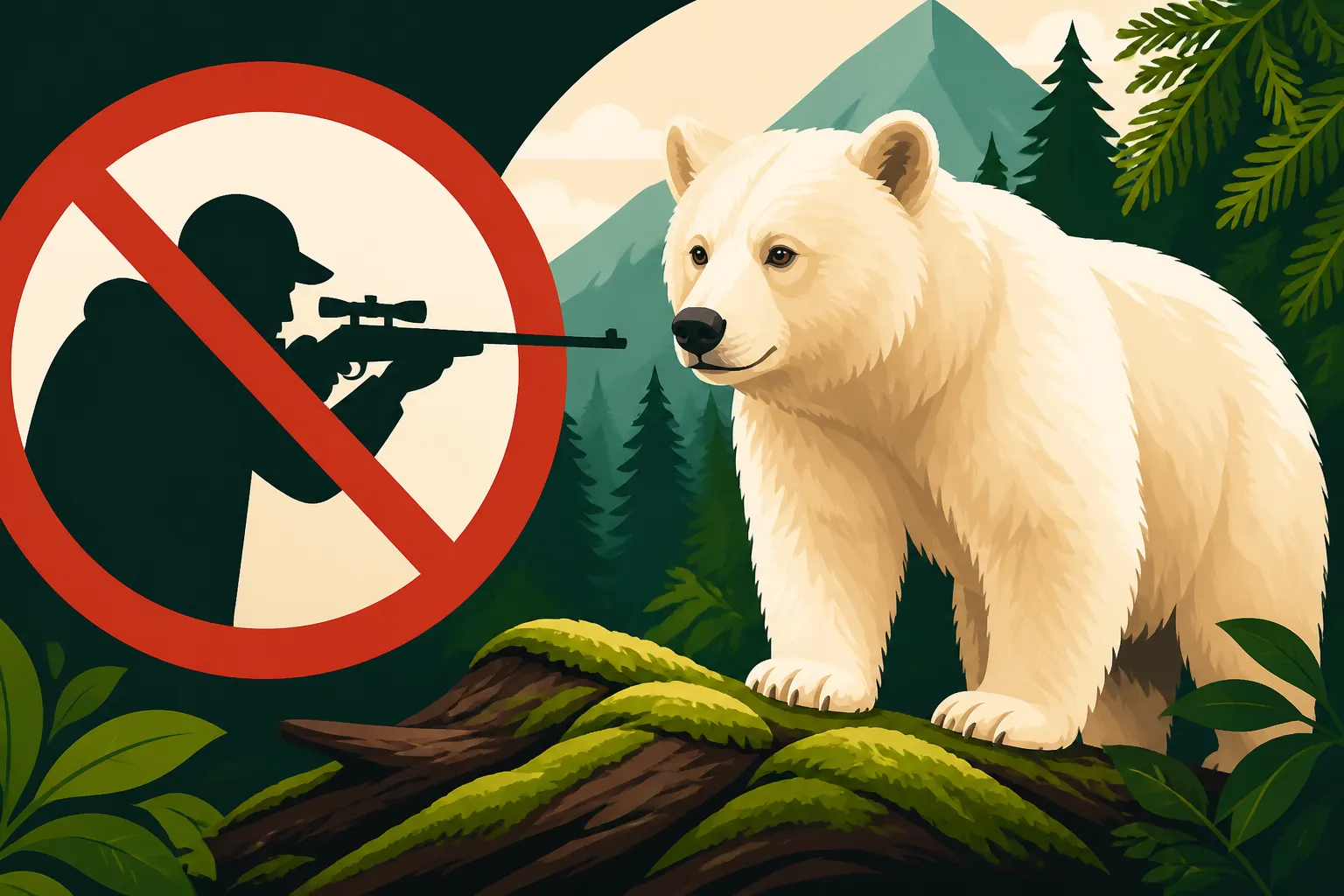
Why the Spirit Bear Cannot Be Hunted
For anyone who has ever spent time dreaming of hunting British Columbia, the sheer diversity of its wildlife is truly captivating. But amongst the myriad of incredible species, there's one that often comes up in conversation with a specific question attached: why can't we hunt the Spirit Bear? It's a question rooted in a deep respect for nature and an understanding that some creatures hold a special place. This guide is here to shed light on exactly why the Spirit Bear, a unique and incredibly rare subspecies of black bear, is protected, and what that means for hunters wanting to experience British Columbia's wild places responsibly.
Understanding the Spirit Bear: A Unique Subspecies
When you picture a black bear, you likely imagine a sleek, dark-furred animal. So, the idea of a white bear that isn't a polar bear can be a bit surprising. Yet, tucked away in the ancient rainforests of British Columbia, these elusive creatures thrive, carrying with them not just a biological rarity but immense cultural significance.
What Exactly is a Spirit Bear?
The Spirit Bear, scientifically known as the Kermode bear, isn't an albino black bear, nor is it a polar bear or a grizzly. It's actually a genetic anomaly of the American black bear, Ursus americanus kermodei. This subspecies carries a recessive gene that results in its stunning cream or white coat. Think of it like red hair in humans – it’s a specific genetic trait that only expresses itself when two copies of the gene are present. These bears still have dark eyes and noses, distinguishing them from true albinos. They are essentially black bears in every way, save for their striking colour. This genetic uniqueness is a marvel of the natural world, a direct result of thousands of years of isolation within their specific habitat. They behave like any other black bear, feeding on salmon, berries, and vegetation, but their appearance sets them apart dramatically.
The name "Spirit Bear" comes from the oral traditions of the First Nations people who have coexisted with these animals for millennia. For them, the white bear holds profound spiritual meaning, often seen as a symbol of peace, purity, and connection to the spirit world. This deep-rooted respect and reverence for the animal has been instrumental in its protection today, long before scientific understanding caught up with traditional knowledge. Their existence reminds us that nature holds endless wonders, sometimes hidden in plain sight, waiting for us to truly see and appreciate them.
Where Do These Bears Live?
The habitat of the Spirit Bear is as unique and special as the bear itself. These bears are found almost exclusively in the Great Bear Rainforest, a massive expanse of temperate rainforest along British Columbia's central and north coast. This incredible region is one of the largest intact temperate rainforests on Earth, a mosaic of ancient old-growth forests, mist-shrouded valleys, and salmon-rich rivers. It's a place where massive cedars and hemlocks stand sentinel, and where the rhythm of life is dictated by the Pacific Ocean. If you're wondering Where Kermode Bears Live, this vast, wild region is their primary stronghold, with concentrations particularly noted on Princess Royal and Gribbell Islands.
This remote, rugged landscape has played a crucial role in maintaining the genetic isolation that allows the recessive white gene to persist. The geographic barriers, like deep fjords and mountainous terrain, limited gene flow with other black bear populations, allowing the "spirit bear" gene to become more concentrated within this specific population. The density of these white-phased bears within the Great Bear Rainforest can be remarkably high in certain areas, sometimes accounting for as much as 10% to 20% of the local black bear population, a truly extraordinary statistic when you consider the rarity of such a genetic trait elsewhere. It’s a testament to the power of natural selection and isolation in shaping distinct populations.
The Cultural Significance of the Kermode
For the Kitasoo/Xai'xais and Gitga'at First Nations, who have been the stewards of this land for countless generations, the Spirit Bear is far more than just a rare animal; it is a sacred creature woven into the very fabric of their identity and oral history. Their legends speak of the Raven, who made one in ten black bears white to remind people of the Ice Age, a powerful symbol of a pristine past. This deep spiritual connection has fostered a profound ethic of conservation and respect for the bears and their habitat. It's not merely a protected species; it's a living symbol of their heritage and traditions.
This cultural reverence has been a cornerstone of the modern conservation efforts that led to the bear's formal protection. The First Nations have been at the forefront of advocating for the Great Bear Rainforest and its inhabitants, tirelessly working to ensure that the Spirit Bear, and the ecosystem it represents, remains undisturbed. Their traditional ecological knowledge, passed down through generations, provides invaluable insight into the bear's behaviour, habitat needs, and overall well-being, complementing scientific research in a powerful way. It's a beautiful example of how indigenous wisdom can guide contemporary conservation, ensuring not just the survival of a species, but the preservation of an entire cultural landscape.
The Path to Protection: How the Hunt Ended
The journey to formally protect the Spirit Bear from hunting has been a compelling story, blending scientific discovery, cultural advocacy, and broad public support. It wasn't an overnight decision but rather a culmination of decades of growing awareness and dedicated effort.
Early Efforts and Growing Awareness
For many years, the existence of the white black bear was primarily known to the First Nations communities and a handful of researchers and local residents. As the unique nature of these bears became more widely recognized through conservation documentaries, scientific studies, and advocacy campaigns, public awareness began to swell. Organizations dedicated to wildlife preservation, often working hand-in-hand with First Nations, amplified the message: these rare, beautiful animals needed special consideration. They highlighted the Spirit Bear as an emblem of the larger Great Bear Rainforest, drawing attention to the broader conservation needs of this globally significant ecosystem. The story of a white black bear became a powerful symbol, easy for people to grasp and connect with emotionally.
This increased awareness led to a growing understanding that while the Spirit Bear is genetically a black bear, its extreme rarity and cultural significance warranted distinct protection. The ethical argument against hunting such a unique and symbolic animal resonated deeply with many, both within British Columbia and internationally. Hunters, too, often expressed a sentiment of respecting such a unique animal, understanding that some creatures are best admired and preserved for their intrinsic value. The narrative shifted from merely identifying a rare animal to recognizing its iconic status and the shared responsibility to safeguard it. This groundswell of support was vital in creating the political will necessary for policy changes.
The Role of Government and First Nations
The formal protection of the Spirit Bear is a powerful testament to collaborative conservation. Crucially, the British Columbia government, working in partnership with First Nations, enacted specific regulations to prohibit the hunting of Kermode bears. This wasn't a unilateral decision, but a carefully negotiated agreement that recognized both the biological uniqueness of the bear and the profound cultural values of the indigenous peoples. The Kitasoo/Xai'xais and Gitga'at Nations, in particular, played a leading role in advocating for these protections, drawing on their inherent rights and responsibilities as traditional stewards of the land. Their voices were pivotal in ensuring that the Spirit Bear's status was elevated beyond that of a regular black bear.
The process involved extensive consultation, scientific assessment, and a genuine commitment from all parties to find a lasting solution. The outcome was a clear legal framework that specifically prohibits the take of a white-phased black bear. This means that even in areas where general black bear seasons are open, deliberately hunting a Kermode bear is strictly forbidden. This collaboration also extended to the broader protection of the Great Bear Rainforest itself, leading to landmark agreements that limit logging and promote sustainable resource management, further safeguarding the Spirit Bear's critical habitat. It’s an inspiring example of how diverse stakeholders can come together for a common, conservation-minded goal.
Conservation Zones and Legal Frameworks
Today, the Spirit Bear enjoys comprehensive legal protection within its range. The primary mechanism is a specific prohibition within British Columbia's Wildlife Act and its associated regulations. Essentially, even if you are hunting in a General Open Season (GOS) area for black bears, if you encounter a white-phased bear, it is illegal to harvest it. This regulation is designed to be very clear: the colour is the distinguishing factor for protection, reflecting the animal's unique status. This prohibition applies to all hunters, whether resident or non-resident, guided or unguided.
Beyond the species-specific hunting prohibition, much of the Spirit Bear's core habitat lies within the Great Bear Rainforest, which itself is subject to various land-use designations and agreements designed to limit industrial activity and promote ecological integrity. These areas ensure that not only is the bear safe from direct hunting pressure, but its entire ecosystem remains healthy and intact. Initiatives like the Great Bear Rainforest agreement, which established vast protected areas and mandated ecosystem-based management, further solidify the long-term future of the Kermode bear. Hunters looking to understand British Columbia's diverse habitats and regulations, particularly for specific species, can find valuable resources through platforms like GoHunt, which often compile accessible information on management unit boundaries and protected areas. These layers of protection, from direct hunting bans to broad habitat conservation, create a robust shield for this incredible animal.
Hunting Black Bears in British Columbia: What's Still Permitted
While the Spirit Bear is protected, British Columbia remains an outstanding destination for ethical and responsible black bear hunting. It's important to understand the distinctions and rules to ensure you're hunting legally and sustainably.
Identifying Black Bears vs. Spirit Bears
This is perhaps the most critical distinction for any hunter in British Columbia: knowing the difference between a regulary coloured black bear and a protected Spirit Bear. As discussed, a Spirit Bear is genetically a black bear, but its coat is cream or white due to a recessive gene. All other black bears in British Columbia, regardless of their colour phase, are generally subject to regular black bear hunting regulations unless otherwise specified in specific management units. This means you might encounter black bears that are jet black, various shades of brown, cinnamon, or even blonde – these are all considered black bears under the regulations, and most are legal to harvest during open seasons. Colour Phases in British Columbia Black Bears can be quite diverse, so it's not just black you'll see.
The key is the distinct, almost iridescent white or cream coat of the Kermode. When in doubt, a good rule of thumb is don't shoot. If you cannot definitively identify the bear as a non-Kermode black bear, it’s always best to err on the side of caution. Misidentification can lead to severe penalties, not to mention the ethical implications. Familiarize yourself with images and descriptions of Kermode bears and compare them closely with the common colour variations of other black bears. Many experienced hunters in British Columbia carry good optics not just for spotting game, but for making confident identifications to ensure they stay within the law and their ethical boundaries.
General Open Seasons for Black Bears
British Columbia offers robust general open seasons for black bears across much of the province. These seasons typically occur in the spring (often April to June) and again in the fall (late August to November), varying by management unit and region. The timing of these seasons is strategic, aligning with periods when bears are active and observable, but also designed to avoid critical denning or birthing periods. Hunters seeking to pursue black bears will find many opportunities, from coastal estuaries where bears forage on sedges and salmon, to interior forests and cutblocks. For specific dates, checking the current provincial hunting regulations is paramount. You can also explore detailed regional information, such as British Columbia Spring Bear Season Dates or Fall Bear Season Dates by Region.
Success in black bear hunting often involves knowing their habits, understanding their preferred food sources at different times of the year, and being proficient in techniques like spot-and-stalk or still-hunting. Whether you're hunting bears on a remote coastal inlet or exploring logging roads in the interior, understanding the local ecology is key. Many hunters utilize resources like GoHunt to research specific management units and gain an edge in their planning, often looking for areas with high bear density or good habitat. Remember, always double-check the bag limits, which are usually one or two bears per hunter per year, depending on the region and season, and always adhere to any antler or sex restrictions that may apply to other species in the area, even if you are only targeting bear.
Ethical Considerations and Responsible Hunting
Ethical hunting practices are not just about legality; they're about respect for the animal, the land, and the hunting tradition. For black bears, this means being absolutely certain of your target before taking a shot, especially when it comes to identifying species and sex. Judging a Boar From a Sow With Cubs is a critical skill, as sows with cubs are typically protected. Knowing the difference helps ensure healthy population dynamics. It's also about making a clean, humane kill, and being prepared to recover the animal efficiently, which often means having appropriate gear and knowledge for Packing Out of British Columbia's Steep Country or managing Meat Care in British Columbia's Warm Early Seasons.
TABLE: Black Bear vs. Spirit Bear Distinctions
| Feature | Black Bear (General) | Spirit Bear (Kermode) |
|---|---|---|
| Coat Colour | Varies: Black, brown, cinnamon, blonde | Cream or white |
| Eye Colour | Typically dark (brown) | Dark (brown) |
| Nose Colour | Dark (black or brown) | Dark (black or brown) |
| Legality | Generally huntable during open seasons | Strictly protected; illegal to hunt |
| Rarity | Common across BC | Rare, found primarily in Great Bear Rainforest |
| Cultural Value | Important game animal | Sacred, spiritual significance to First Nations |
| Conservation | Managed via seasons & limits | Managed via hunting prohibition & habitat protection |
Beyond the harvest itself, ethical hunting includes proper reporting. All harvested big game in British Columbia requires mandatory reporting, often within 30 days. This data is crucial for wildlife managers to assess populations and set future regulations. You can learn more about British Columbia's Compulsory Reporting Rules. Taking care of the meat, hide, and skull responsibly, whether for consumption or as a trophy, is part of the respect owed to the animal. It's also about contributing to conservation efforts, often through license fees and surcharges, which directly fund wildlife management and habitat programs. Hunters are often the most ardent conservationists, and upholding these ethics reinforces that vital role.
Respecting the Rules and Supporting Conservation
Being a hunter in British Columbia means being a steward of its incredible natural resources. Understanding and adhering to regulations, especially those surrounding protected species, is not just about avoiding legal trouble; it's about upholding the integrity of hunting and ensuring the future of wildlife.
The Importance of Knowing Your Regulations
The hunting regulations in British Columbia are dynamic and can be complex, varying by species, region, and management unit. While the protection of the Spirit Bear is a provincial rule, other regulations, like specific season dates for black bears or bag limits, change periodically. It is always your responsibility as a hunter to consult the most current British Columbia Hunting and Trapping Synopsis before heading out into the field. This document is the ultimate authority on what is permissible and what is not. Relying on outdated information or hearsay is a recipe for serious issues, potentially leading to fines, licence suspension, or worse. Platforms like GoHunt often offer excellent tools for visualizing regulations on maps, but they should always be cross-referenced with the official synopsis.
Think of it like this: these regulations are the agreed-upon rules of engagement for interacting with a shared resource. They are designed to manage wildlife populations sustainably, protect vulnerable species like the Spirit Bear, and ensure fair chase and public safety. Ignoring them undermines the entire system and can jeopardize hunting opportunities for everyone. Ignorance of the law is never an excuse. Taking the time to thoroughly review the regulations, understand management unit boundaries, and be aware of any special restrictions (e.g., specific antler rules, closed areas, or requirements for British Columbia Hunting Licences and Fees) is a fundamental part of responsible hunting in British Columbia.
How Hunters Contribute to Bear Conservation
It might seem counterintuitive to some, but hunters play a direct and vital role in bear conservation, even for a protected species like the Spirit Bear. How so? First, through the purchase of hunting licences, species tags, and the mandatory Habitat Conservation Trust Foundation (HCTF) surcharge, hunters contribute significant funds directly to wildlife management and habitat conservation initiatives across the province. This includes funding for bear research, habitat restoration projects, and enforcement of wildlife laws. This financial contribution is often far more substantial than what general taxpayers contribute, making hunters key financiers of conservation. For example, a portion of every The Wildlife Habitat Conservation Stamp directly supports these efforts.
Beyond financial contributions, hunters are often the "eyes and ears" in remote areas. They are frequently the first to notice changes in wildlife populations, habitat degradation, or illegal activity like poaching. Reporting these observations to conservation officers is a crucial service. By adhering to ethical harvest practices for species like black bears, hunters help maintain healthy population structures, which can indirectly benefit all bear species by ensuring their ecosystems remain robust. The presence of well-regulated hunting seasons for black bears also demonstrates that sustainable use of a resource can coexist with stringent protection for unique populations, reinforcing a balanced approach to wildlife management in British Columbia.
Exploring the Great Bear Rainforest Responsibly
Even if you can't hunt a Spirit Bear, the Great Bear Rainforest offers unparalleled opportunities for outdoor enthusiasts to connect with nature, witness incredible wildlife, and appreciate the unique ecosystem these bears call home. This region is a global treasure, and experiencing it, whether through photography, kayaking, or wildlife viewing tours, is a profound experience. Many guided eco-tourism operations in the area focus specifically on Spirit Bear viewing, providing an opportunity to see these elusive creatures in their natural habitat while respecting their space and contributing to the local economy. These types of experiences offer a different, but equally rewarding, way to engage with the wild.
For those venturing into this region, or any wild part of British Columbia, responsible outdoor ethics are paramount. This means practicing Leave No Trace principles, minimizing your impact on the environment, and respecting the cultural significance of the land, especially when in First Nations traditional territories. It also means understanding and adhering to Bear Safety While Hunting in British Columbia and while recreating, as you are indeed in bear country, home to black bears, grizzlies, and Kermodes. Whether you are hunting elsewhere in the province or simply exploring the Spirit Bear's domain, remember that your actions reflect on the entire outdoor community. By acting responsibly and respectfully, we ensure that these magnificent landscapes and their iconic inhabitants, like the Spirit Bear, remain wild and vibrant for generations to come.
Disclaimer
This article is for general informational purposes only and does not constitute professional advice. Laws, prices and regulations vary by location and change over time. Consult a qualified professional for guidance on your specific situation.