What a Coastal Black Bear Weighs
One of the most exciting aspects of hunting British Columbia's coastal regions is the chance to encounter a truly magnificent black bear, and for many hunters, the immediate question that pops into mind when they spot a big one is, "Just how much does that bear weigh?" It's a natural curiosity, often accompanied by the struggle of accurately judging an animal's size in the field, especially when the adrenaline starts pumping. This guide is here to shed some light on the impressive weights coastal black bears can reach and what influences their hefty stature, helping you better understand and appreciate these incredible animals.
Understanding Coastal Black Bear Size and Weight
British Columbia is renowned for its impressive black bear populations, and nowhere is this more evident than along our rugged, verdant coastline. The sheer abundance and quality of food sources in these areas often lead to black bears that are significantly larger than their interior counterparts. It's not just a hunter's tale; there's a real biological reason why these coastal giants exist.
Why Coastal Bears Often Weigh More
When you picture British Columbia's coast, think of lush temperate rainforests, ancient towering trees, and a marine ecosystem teeming with life. This isn't just a pretty picture; it's a buffet for black bears. Unlike bears in drier, more food-stressed interior regions, coastal black bears have access to an almost year-round bounty. This includes nutrient-rich grasses and sedges in the spring, followed by an explosion of berries in summer, and perhaps most crucially, the incredibly protein and fat-rich salmon runs that dominate the fall. This consistent and high-quality diet means bears grow faster, get bigger, and pack on impressive amounts of fat for winter hibernation. The mild, maritime climate also contributes, often allowing for longer active periods, which translates to more time for foraging and growth.
Average Weight Ranges for Coastal Black Bears
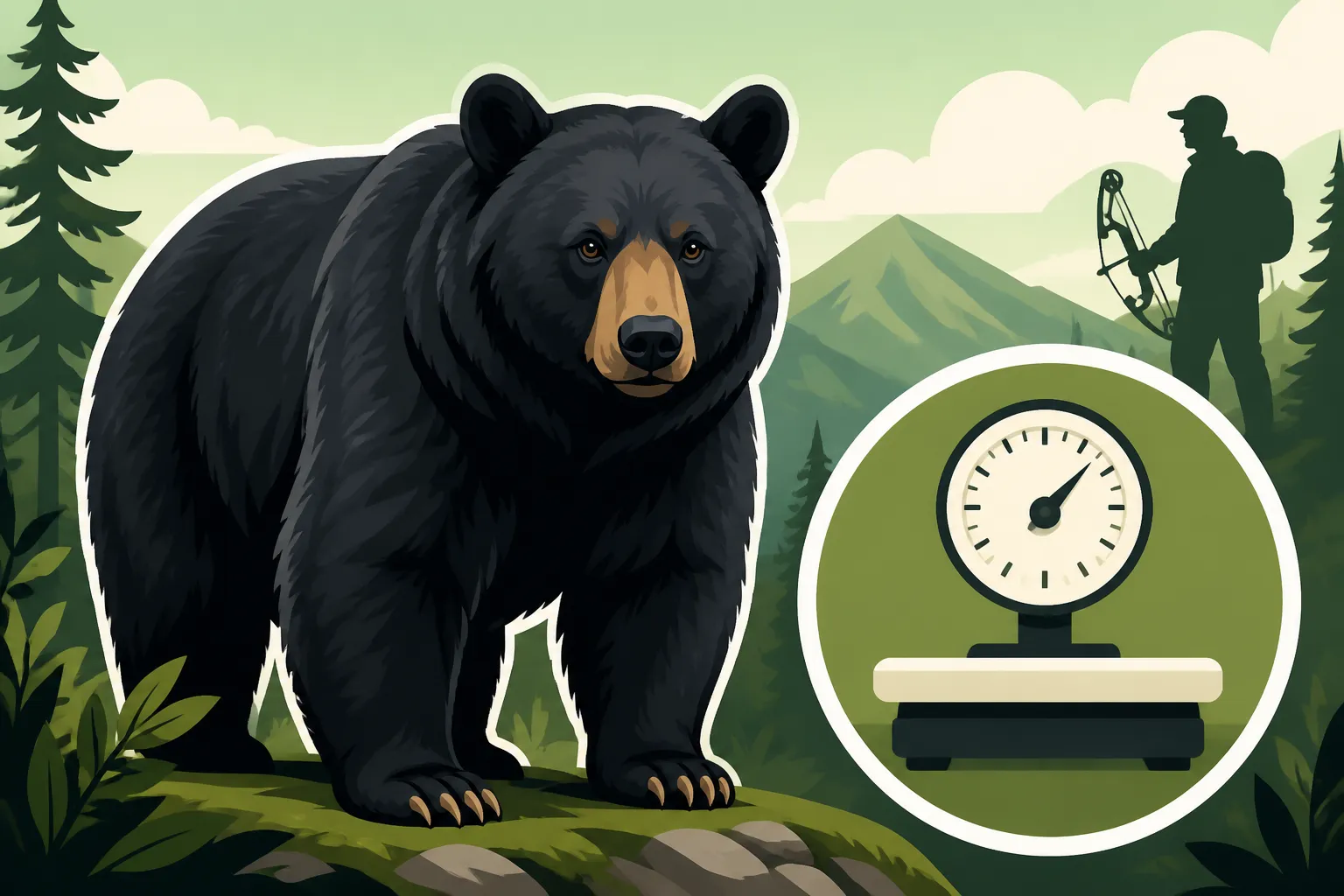
It's easy to get caught up in stories of monster bears, but understanding the average weight ranges provides a more realistic picture of what you might encounter. A typical adult coastal black bear boar (male) can easily weigh between 250 to 450 pounds. However, truly mature boars, especially in prime feeding areas, can push well over 500 pounds, with some exceptional individuals reaching 600 pounds or more. Sows (females) are generally smaller, usually ranging from 150 to 300 pounds, though large, mature sows can certainly exceed this. These figures are for live weight; dressed weight (after field dressing) will be significantly less, typically around 70-75% of the live weight. Keep in mind that these are averages, and many factors can influence a bear's weight at any given time, including the time of year—bears will be at their leanest coming out of the den in spring and heaviest in the fall. If you're planning a hunt, understanding British Columbia black bear season dates will give you an idea of when bears are most active and likely at their peak weight.
Factors Influencing a Coastal Black Bear's Weight
The sheer size of some coastal black bears isn't accidental; it's a testament to their environment and the specific life strategies these animals employ to thrive. Several key factors contribute to these impressive weights, making British Columbia's coast a prime area for substantial bears.
Diet and Food Availability
The old adage "you are what you eat" holds especially true for black bears. Coastal black bears benefit from an incredibly diverse and calorically dense diet. In the spring, after emerging from their dens, they gorge on new growth: skunk cabbage, sedges, and other protein-rich greens found along estuaries and forest edges. As summer progresses, berry patches explode with blueberries, huckleberries, and salmonberries, providing vital carbohydrates and fats. But the real game-changer arrives in the fall: the salmon runs. These abundant fish offer an unparalleled source of fat and protein, allowing bears to rapidly put on weight in preparation for winter. Bears will spend weeks, even months, concentrated along salmon streams, gorging themselves. This incredible resource is a primary reason Why British Columbia Grows Big Black Bears. Knowing What Bears Eat on a Coastal Estuary can give you great insight into where these larger bears might be found at different times of the year.
Age and Sex Differences
Just like with most large mammals, a black bear's weight is heavily influenced by its age and sex. Younger bears, often referred to as sub-adults, are still growing and haven't reached their full potential. They tend to be lankier and carry less body mass. As bears mature, usually beyond five or six years of age, they start to develop the characteristic blocky build and heavy musculature associated with larger animals. Mature boars, in particular, dedicate significant energy to growing large, using their size to dominate other males and secure breeding opportunities. Sows, while also growing with age, typically divert more energy into reproduction and raising cubs, which means they usually don't reach the same colossal weights as the largest boars. Learning Judging a Boar From a Sow With Cubs is not just about legality but also about understanding the life cycle and growth patterns that lead to impressive weights.
Geographical Variations and Habitat
While the entire British Columbia coast generally supports larger black bears, there can be subtle variations even within this region. For instance, bears inhabiting areas with particularly robust salmon runs or exceptionally fertile berry patches might consistently average heavier weights than those in areas with slightly less abundant food sources. Islands like Haida Gwaii or those off Vancouver Island, with their unique ecosystems, can produce exceptional bears. These specific conditions, combined with local genetics, can lead to certain areas consistently producing larger specimens. Understanding British Columbia's Coastal Black Bears often involves appreciating the localized nuances of their habitat and the resources available to them. A tool like GoHunt might offer maps that help visualize these different habitat types and their potential for supporting large bears, though local knowledge and scouting are always paramount.
Field Judging and Estimating Weight While Hunting
Standing eye-to-eye (or scope-to-eye) with a black bear, especially a coastal bruiser, is an exhilarating experience. The adrenaline can make everything look bigger, and accurately judging a bear's weight in the field is notoriously difficult. But with some practice and key observations, you can improve your chances of identifying a truly heavy bear.
Challenges of Field Judging Weight
Let's be honest, judging a black bear's weight in the field is a serious challenge. Their dark fur often hides their true body shape, and the terrain itself can play tricks on your eyes. A bear standing in a depression might look smaller, while one on a ridge could appear enormous. Excitement, poor light, distance, and even weather conditions like coastal fog can distort your perception. It's easy to overestimate the size of a younger bear, especially when you're caught up in the moment. The key is to look beyond the initial impression and focus on specific body characteristics that indicate true mass.
Visual Cues for a Heavy Bear
When you're trying to figure out if that bear is truly a heavy one, shift your focus from overall size to specific proportions. A truly large, heavy boar will often look "blocky" or "barrel-chested." Its head might appear smaller in relation to its massive body, almost like it's swallowed by its shoulders. Look for short, rounded ears that seem wide-set on a broad skull. A thick, muscular neck that flows seamlessly into the shoulders, rather than a distinct neck, is a good indicator of age and weight. The belly often sags, especially in the fall when they've been gorging. Watch how they move; a truly heavy bear will often have a slower, more deliberate gait, with its hide showing rolls and creases as it walks. A pronounced "sway" in the back, where the top line dips slightly, can also indicate significant weight. Using platforms like GoHunt for pre-scouting terrain can help you anticipate the kind of environment you'll be judging bears in, which can mitigate some optical illusions. For bears found on estuaries, where they're often feeding on salmon or shellfish, these visual cues can be particularly evident, especially during Hunting Bears on a Coastal Estuary in May or later in the fall.
Post-Harvest Weight Considerations
Once a bear is down, the reality of its weight truly hits you – especially when it's time to pack it out! It's important to remember the difference between live weight and dressed weight. A 400-pound live bear might yield a dressed carcass of around 280-300 pounds. While that's still a substantial amount of meat and hide, it’s a good number to mentally prepare for. You'll also be leaving behind the gut pile, which is significant. Knowing these figures helps you plan for the physical exertion required to get the meat and hide back to camp or the truck. Given the often steep and rugged coastal terrain, dealing with a large bear can be an immense task. Preparing for Packing Out of British Columbia's Steep Country is crucial. Additionally, proper care of the hide, especially in warmer early seasons, is paramount to prevent spoilage, so having a plan for Skinning and Caring for a Bear Hide and Cooling a Bear Hide in Warm Weather is essential.
Realistic Expectations and Ethical Hunting
When you’re out chasing black bears on the British Columbia coast, it’s important to balance the thrill of the hunt with realistic expectations and a strong commitment to ethical practices. While big bears definitely roam these lands, every encounter won’t be with a record-breaker, and the true value of the hunt often lies far beyond the tape measure.
The "Record Book" Versus Reality
We all see those incredible photos of massive black bears, often topping the scales and making the record books. It's easy to get caught up in the pursuit of such a trophy, but it's crucial to remember these are exceptional animals, not the norm. The vast majority of mature coastal black bears, while still large and impressive, won't break world records. The focus should always be on the experience: the challenge of the hunt, the beauty of the British Columbia wilderness, and the satisfaction of a fair chase. Every harvested animal is a trophy in its own right, representing skill, patience, and respect for the wild. Focusing solely on a specific weight or size can lead to passing on perfectly good animals or, worse, making impulsive decisions. Tools like GoHunt can help gather data on harvest trends in specific regions, which can inform realistic expectations about typical bear sizes rather than just focusing on outliers.
Ethical Considerations for Large Bears
Ethical hunting practices extend beyond just following regulations; they also involve making responsible decisions about the animals we pursue. When targeting black bears, especially on the coast, many hunters choose to focus on harvesting mature boars. This selective harvesting helps maintain a healthy population structure by allowing younger bears to grow and sows to continue breeding. It's about ensuring the long-term sustainability of the resource. Distinguishing between a boar and a sow, and estimating age, becomes critical here. If you're unsure about a bear's sex or maturity, it's always better to pass and wait for another opportunity. Responsible hunters are stewards of the land and wildlife, and that means making choices that benefit the entire ecosystem. And remember, bear safety is always a primary concern in bear country, so refreshing your knowledge on Bear Safety While Hunting in British Columbia is never a bad idea.
Coastal Black Bear Weight Reference
Here's a general guide to help you conceptualize the typical weight ranges for coastal black bears, both live and dressed. Keep in mind these are approximations and individual bears can vary significantly based on the factors discussed above.
| Category | Average Live Weight (lbs) | Average Dressed Weight (lbs) | Notes |
|---|---|---|---|
| Sub-Adult Bear | 100-200 | 70-150 | Still growing, often lanky. |
| Mature Sow | 150-300 | 100-225 | Can be larger, especially if not recently denned with cubs. |
| Mature Boar | 250-450 | 175-335 | Common range for a good adult boar. |
| Exceptional Boar | 500+ | 350+ | Rare, very old, and typically in prime feeding areas. |
This table highlights the substantial difference between a sub-adult and a truly mature boar. It's this upper end of the scale that often captivates hunters, showcasing the incredible potential for growth in British Columbia's coastal environments. Whether you're Glassing Logging Roads for Spring Bears or scouting along a Hunting a Salmon Stream for Bears, understanding these weights helps you appreciate the animal and plan your hunt effectively.
Disclaimer
This article is for general informational purposes only and does not constitute professional advice. Laws, prices and regulations vary by location and change over time. Consult a qualified professional for guidance on your specific situation.