Where British Columbia’s Stone’s Sheep Live
For many hunters, the pursuit of a Stone's sheep in British Columbia is the pinnacle of a lifetime in the mountains, a truly epic challenge. Finding these elusive animals means understanding not just their biology, but the specific, breathtakingly rugged landscapes they call home, far from any paved road. This guide will take you deep into the heart of British Columbia's wild north, revealing the unforgiving yet stunning territories where Stone's sheep truly thrive.
Defining Stone's Sheep Habitat
When you talk about Stone's sheep, you're fundamentally talking about a specific type of terrain: high, wild, and incredibly remote. These animals aren't just living in the mountains; they are of the mountains, intrinsically linked to the harsh, beautiful landscape of northern British Columbia. Understanding this connection is the first step in appreciating the challenge and reward of pursuing them.
The Alpine and Subalpine Zones
Stone's sheep are creatures of extreme elevation, spending the vast majority of their lives in the alpine and subalpine zones. This means steep, rocky slopes, expansive scree fields, and high meadows situated well above the timberline. It's a world dominated by rock, ice, and sparse vegetation, where the air is thin and the weather can change in an instant. This habitat offers crucial visibility for spotting predators and provides the rugged escape terrain they need.
During the warmer months, these high country pastures provide a buffet of nutrient-rich grasses, sedges, and forbs that are vital for building fat reserves before the long, lean winter. You'll often find them grazing on sunny slopes, particularly where the snow has just receded, exposing tender new growth. The rams, especially, seem to melt into the rocky backdrop, often only given away by the glint of sun on their dark coats or the curve of their magnificent horns against a distant skyline.
As summer fades into fall, the sheep might linger in these alpine basins, still feeding heavily, but with an eye on the lower subalpine fringes as the snows begin to dust the higher peaks. It's a constant balance between seeking forage and maintaining access to their preferred escape routes in the steep cliffs and rock faces. This is also often when hunters are in their country, making understanding these movements key.
Rugged, Remote Terrain Preference
The very nature of Stone's sheep demands remoteness. They thrive in areas with minimal human disturbance, preferring vast, undeveloped wilderness areas where they can roam freely and safely. This isn't country you access by ATV or even by short hike; this is backpack hunting country, horse country, or fly-in country. The sheer scale of the landscape and the absence of infrastructure are defining characteristics of their domain.
These remote strongholds typically feature a complex mosaic of terrain: sheer cliffs, broken rock slides, deep glacial cirques, and sweeping tundra-like plateaus. The combination of precipitous escape routes and scattered pockets of high-quality forage makes these areas ideal for sheep. They navigate these treacherous landscapes with incredible agility, moving with ease over ground that would challenge the most seasoned mountaineer.
The isolation of these areas also contributes to the health of the herds, limiting disease transmission from domestic animals and reducing poaching pressure. It's a natural sanctuary, one that requires significant effort and commitment to even enter, let alone hunt successfully. This inherent difficulty is precisely why a Stone's sheep hunt is so highly revered and sought after globally.
Seasonal Movements and Food Sources
Like all mountain ungulates, Stone's sheep exhibit seasonal movements driven primarily by food availability and weather conditions. In the spring and early summer, they follow the receding snowline, moving up to the highest available green-up to graze on new growth. This fresh vegetation, often rich in protein and minerals, is essential for ewes raising lambs and for rams to recover from the stresses of winter and horn growth.
As the summer progresses, they'll expand their range across the alpine meadows, often seeking out mineral licks or areas with specific forbs. During the fall, leading up to the rut, rams will often become more active, moving between groups of ewes and asserting dominance. The combination of ample forage and pre-rut activity can sometimes make them slightly more visible, though never truly easy to locate.
Winter is the most challenging time. They descend to lower elevations, but still seek out windswept ridges and south-facing slopes where snow cover is thinner, allowing them to access buried vegetation. They prefer areas with steep, south-facing rock faces that quickly shed snow and provide some solar warmth. This winter range is critical for survival, and disruptions to these areas can have severe impacts on herd health. Understanding these movements is crucial for anyone trying to predict their presence at various times of the hunting season.
Specific Northern British Columbia Regions
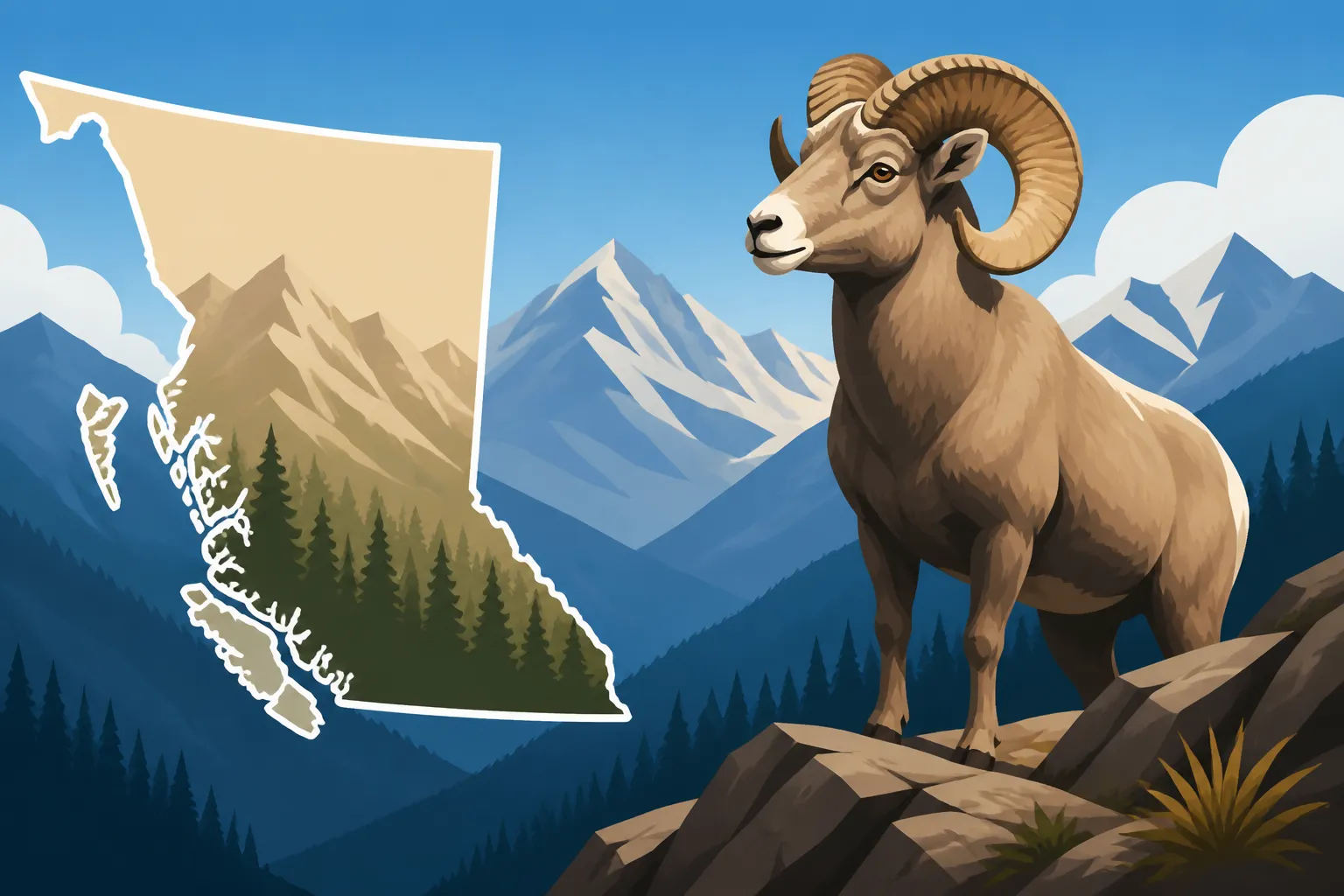
While the general habitat description gives you an idea, Stone's sheep are not found everywhere in British Columbia. Their populations are concentrated in the far northern reaches of the province, in vast, untamed mountain ranges that truly define wilderness. These regions are legendary among sheep hunters for their rugged beauty and the challenge they present.
Muskwa-Kechika Management Area
The Muskwa-Kechika Management Area (MKMA) is arguably the crown jewel of northern British Columbia's wilderness, often referred to as "Canada's Serengeti." This enormous, protected area in the northern Rockies is a critical stronghold for Stone's sheep and a host of other large mammals. It's a place of incredible biodiversity and scale, offering some of the most remote hunting experiences available anywhere.
Within the MKMA, the sheer vastness means sheep can be found across numerous mountain blocks, from the Northern Rocky Mountains to the Cassiar Mountains. Access is primarily by bush plane, horseback, or extensive foot travel, reinforcing its wild nature. Hunters often rely on meticulous pre-season scouting, sometimes even using satellite imagery or tools like GoHunt to analyze potential basins and understand the terrain before ever setting foot in the mountains.
The populations here are robust, a testament to the wilderness protection afforded to the area, though hunting a ram here still requires immense dedication and physical prowess. The rewards, however, are unparalleled – an opportunity to hunt a truly wild animal in one of the last great wildernesses on Earth. The challenges include navigating complex terrain, unpredictable weather, and the sheer effort of getting into and out of these remote areas, often while Packing Meat With a Frame Pack.
Stikine and Cassiar Mountains
Venturing further west and north, the Stikine and Cassiar Mountains represent another primary habitat for Stone's sheep. These ranges stretch across the northwestern part of British Columbia, bordering the Yukon and Alaska, and are characterized by towering, glaciated peaks, deep river valleys, and expansive plateaus. The Stikine River, in particular, carves a spectacular canyon through this country, creating unique and dramatic landscapes.
The sheep in the Stikine-Cassiar region are renowned for their dark, often striking coats, which makes them highly prized trophies. The remoteness here is extreme; many areas are only accessible by float plane, jet boat, or long horseback traverses from remote staging points. This region is home to some of the most challenging, yet rewarding, sheep hunts in the province. Hunters often spend weeks, not days, in this country, truly immersing themselves in the sheep's world.
Navigating this country requires specialized skills and equipment, from sturdy pack horses to the ability to set up a spike camp above timberline in exposed conditions. Success often hinges on finding the isolated bands of rams and then executing a flawless stalk in terrain that offers little cover. This is quintessential mountain hunting, demanding peak physical condition and mental fortitude.
The Spatsizi Plateau Wilderness Park
Nestled within the Stikine region, the Spatsizi Plateau Wilderness Park is a vast, ecologically intact area that is particularly significant for Stone's sheep. While hunting is regulated within certain areas adjacent to and sometimes within parts of the park, its sheer size acts as a critical refuge, ensuring healthy sheep populations that can disperse into surrounding huntable management units. This protected status is vital for the long-term health of the species.
The Spatsizi Plateau itself is a unique blend of high alpine tundra, rolling plateaus, and jagged peaks, crisscrossed by numerous rivers and streams. It's a place where wildlife flourishes, and the sheep here benefit from vast, undisturbed summer and winter ranges. The area is known for its pristine waters and diverse ecosystems, making it a critical habitat for many species beyond just sheep.
Hunters often access the Spatsizi region through specific guide-outfitter territories, often involving charter flights to remote lakes or airstrips, followed by horseback journeys deep into the mountains. The sheer isolation means hunters must be fully self-sufficient and prepared for any eventuality. Learning to Glassing an Alpine Basin for Rams in this expansive country is an art form, demanding patience and keen eyesight.
Factors Influencing Stone's Sheep Distribution
The precise distribution of Stone's sheep isn't random; it's a careful balance of environmental factors, historical patterns, and ongoing conservation efforts. Understanding these influences helps paint a more complete picture of why these majestic animals live exactly where they do.
Predator Avoidance and Security
One of the primary drivers of Stone's sheep habitat selection is security from predators. In British Columbia's north, their main predators include wolves, cougars, and grizzly bears. To escape these threats, sheep instinctively seek out extremely rugged, broken terrain with steep slopes, cliffs, and ledges where large predators struggle to follow. This is why you'll almost always find them near escape cover.
The high alpine environment itself offers a natural defense. The open sightlines allow sheep to spot predators from a great distance, giving them ample time to react and move into their safe havens. They often bed on ledges or high points with panoramic views, making a surprise attack nearly impossible. This constant need for security dictates their use of terrain, even influencing where they graze and where they choose to bed down for the night.
When disturbed, a band of sheep will typically ascend to higher, steeper ground, often disappearing into a labyrinth of cliffs and rock bands where even the most agile wolf or cougar would be hesitant to follow. This "vertical escape" strategy is paramount to their survival and shapes their preference for specific types of mountain landscapes that provide these natural fortresses.
Forage Availability and Quality
While security is key, sheep also need to eat, and the quality and availability of forage play an enormous role in their distribution. They are primarily grazers, preferring grasses, sedges, and forbs found in alpine meadows and on south-facing slopes. These areas typically experience earlier snowmelt and longer growing seasons, providing crucial nutrition.
The composition of the plant communities varies across their range, but generally, Stone's sheep seek out patches of high-energy and protein-rich vegetation that enable them to build up fat reserves. This is especially vital for ewes during lambing and lactation, and for rams to fuel horn growth and prepare for the physically demanding rut. A great tool like GoHunt can help you identify high-elevation green-up areas or potential forage zones by analyzing satellite imagery and topographical maps, giving you a distinct advantage in scouting.
Their seasonal movements are directly tied to these forage cycles. They will move to areas where the most palatable and nutritious plants are actively growing, which often means following the green wave up the mountain in spring and early summer. As plants mature and nutrient content drops, or as snow covers higher ground, they adjust their feeding locations accordingly, always balancing nutritional needs with the ever-present requirement for security.
Conservation Efforts and Habitat Protection
The health and distribution of Stone's sheep populations are also significantly influenced by ongoing conservation efforts and habitat protection initiatives. British Columbia has some of the most extensive protected wilderness areas in North America, many of which overlap directly with prime Stone's sheep habitat. These protected zones ensure minimal human disturbance and preserve the delicate ecosystems the sheep rely upon.
Organizations and government agencies work to monitor sheep populations, conduct research, and manage hunting quotas sustainably. The creation of large management areas, like the Muskwa-Kechika, is a direct example of how the province is committed to safeguarding these iconic species. These efforts help ensure that healthy populations persist and that hunting opportunities, when available, are managed for long-term sustainability.
However, even in remote areas, challenges like industrial development, climate change impacting winter ranges, and increased access can pose threats. Therefore, continuous monitoring and adaptive management strategies are essential. Hunters themselves play a crucial role in conservation, both through their direct involvement in habitat projects and by contributing financially through licence and tag fees which support wildlife management programs across British Columbia. Learning about British Columbia's Compulsory Reporting Rules is part of this responsible management.
Comparing Stone's Sheep Habitats in Northern BC
| Region | Key Characteristics | Primary Access Methods | Terrain Type | Typical Forage |
|---|---|---|---|---|
| Muskwa-Kechika Management Area | Vast, interconnected wilderness, high biodiversity. Strong populations. | Bush plane, horseback, extensive foot travel | Rugged Rockies, alpine meadows, deep valleys, high plateaus | Alpine grasses, sedges, forbs, lichens |
| Stikine Mountains | Glaciated peaks, dramatic river canyons (Stikine River), extreme remoteness. | Float plane, jet boat, long horseback traverses, foot travel | Very steep, broken rock, permanent snowfields, narrow valleys | Sparse alpine vegetation, early green-up in valleys |
| Cassiar Mountains | Rugged, diverse ranges, often darker-coloured sheep. Borders Yukon/Alaska. | Float plane, horseback, foot travel | High peaks, alpine tundra, cirques, scree slopes, scattered timberline | Alpine grasses, low shrubs, lichen-rich rock |
| Spatsizi Plateau Wilderness Park | Unique blend of plateau and peaks, critical refuge, pristine ecosystems. (Hunting regulated near/adjacent) | Charter flight to airstrip/lake, horseback, limited foot travel | Rolling alpine tundra, high plateaus, jagged peaks, river systems | Extensive alpine meadows, specific forbs, mineral licks |
Understanding where British Columbia's Stone's sheep live is not just about points on a map; it's about comprehending an entire ecosystem and the intricate relationship these magnificent animals have with their environment. From the sweeping plateaus of the Spatsizi to the jagged spires of the Cassiars, it's a world defined by verticality, solitude, and raw, untamed beauty. For the dedicated hunter, these regions represent the ultimate proving ground, a chance to truly connect with the wilderness and its most iconic inhabitant. The journey to find a Stone's sheep is as much a test of endurance as it is a lesson in mountain ecology, and it's a journey that starts with knowing their home.
Disclaimer
This article is for general informational purposes only and does not constitute professional advice. Laws, prices and regulations vary by location and change over time. Consult a qualified professional for guidance on your specific situation.