What British Columbia Elk Eat Through Winter
When the deep chill of winter settles over British Columbia, ushering in cold temperatures and blankets of snow, the challenge for elk truly begins. For hunters, understanding what British Columbia elk eat through winter isn't just a matter of curiosity; it's absolutely crucial for locating these magnificent animals when their survival instincts drive them to specific, often hard-to-reach, food sources. This comprehensive guide will explore the dietary adaptations, preferred forage, and habitat choices that define elk survival during the province's harshest season.
The Harsh Reality of a British Columbia Winter for Elk
British Columbia winters are no joke, and for elk, they represent a period of intense struggle and adaptation. Unlike the abundant buffet of succulent grasses and tender forbs found in the spring and summer, winter brings scarcity, deep snow, and energy-draining cold. Every calorie counts, and every movement is a calculated expenditure. The choices elk make about where to feed and what to eat are directly tied to their ability to survive until spring. It's a testament to their resilience that so many make it through.
Survival Strategies in Deep Snow
Deep snow isn't just an inconvenience for elk; it's a formidable barrier to their very survival. When snow depths exceed 60-70 cm (around 24-28 inches), elk struggle immensely to move, often expending three to five times more energy than they would on bare ground. This increased energy expenditure means they need more calories, but the very snow that drains their energy also buries their primary food sources. They become trapped in areas where they can either move with less effort or find sufficient forage, often sacrificing one for the other.
This struggle is particularly evident when you consider their physical build. While powerful, an elk's relatively long legs aren't as efficient as a moose's in very deep snow. They'll often try to follow established deer or moose trails, or create their own well-packed paths, which can lead to concentrated feeding areas. Finding areas with shallower snow, often on windswept ridges or south-facing slopes that catch more sun, becomes a priority. Understanding these dynamics is key for anyone Scouting a British Columbia Management Unit during the colder months, as it tells you where the elk simply cannot be, and more importantly, where they must be.
The Importance of Fat Reserves
The health and survival of an elk through winter are largely determined by how well they fed during the preceding fall. During the lush months of late summer and autumn, elk are driven to pack on as much fat as possible, converting abundant forage into crucial energy reserves. These fat reserves act as their primary fuel tank during winter, slowly metabolizing to provide the energy needed for warmth and basic bodily functions when food is scarce.
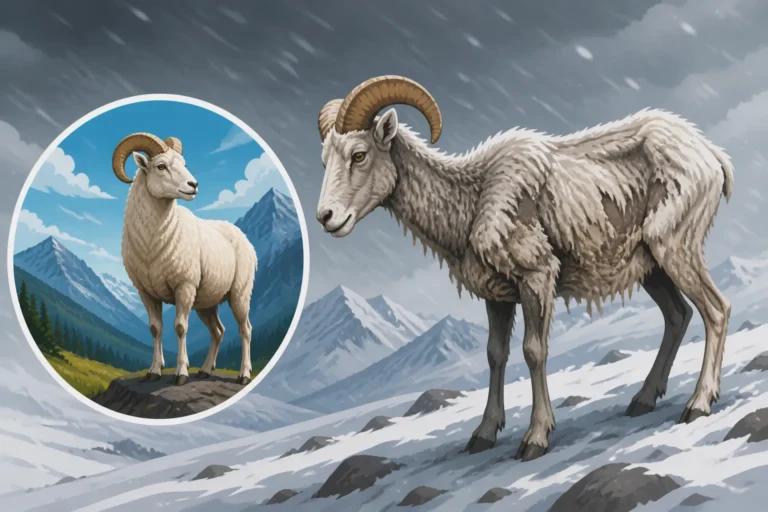
When an elk enters winter with insufficient fat, it faces an uphill battle. A prolonged cold snap or deep, crusted snow can quickly deplete these limited reserves, leading to starvation. This is why you often see elk in prime condition in the early fall, gorging themselves on rich grasses and forbs. Hunters who understand this know that healthy populations depend on good summer and fall habitat. A tough winter, especially after a poor feeding season, can have devastating impacts on herd numbers, which is why What a Hard Winter Does to Sheep provides a good analogue for the challenges other ungulates face.
Key Winter Forage for British Columbia Elk
Even in the leanest months, elk in British Columbia manage to find sustenance. Their diet shifts dramatically from the easily digestible grasses of summer to more fibrous, less nutritious woody browse, supplemented by whatever persistent greenery or opportunistic sources they can uncover. It’s a game of survival, and their menu reflects that desperation and ingenuity.
Woody Browse – The Staple
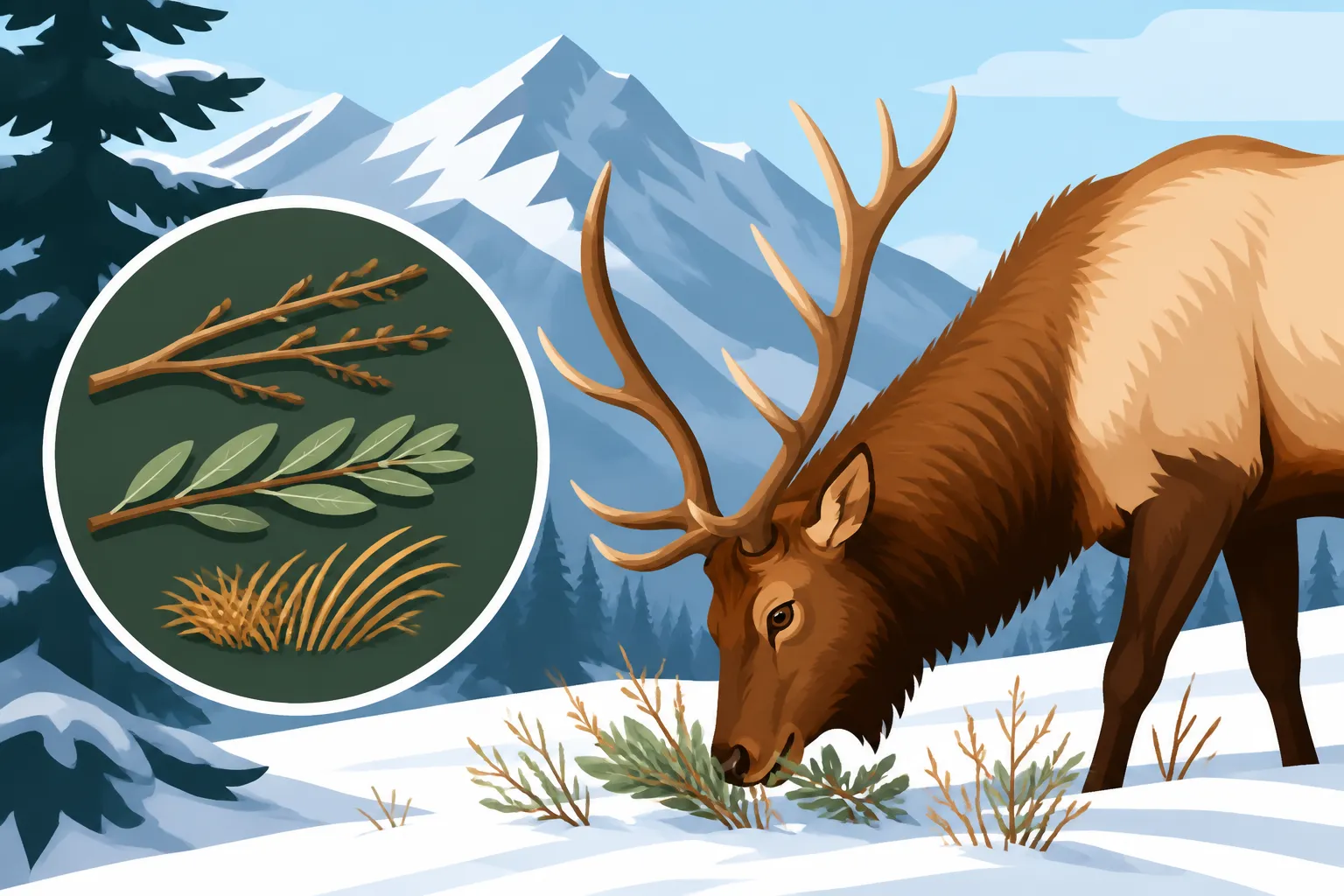
When snow covers the ground, woody browse becomes the most reliable, albeit less palatable, food source for elk. They will strip bark, twigs, and buds from a variety of trees and shrubs, often leaving tell-tale signs for observant hunters. These plants, while not offering the high protein and energy of summer grasses, provide essential fibre and some caloric value that helps sustain them.
Common browse species include willow, particularly in riparian areas and along frozen creek bottoms, where they might also be Hunting a British Columbia Lakeshore for Moose. Aspen and birch saplings are also heavily browsed, especially where young stands occur. Red-osier dogwood and saskatoon berry bushes are favoured where available. You'll often see distinct browse lines where elk (and deer) have fed repeatedly, especially in areas where heavy snow forces them into more restricted feeding zones. Knowing these species and where they grow can direct your search to prime elk winter range, particularly on south-facing slopes or in river valleys.
Persistent Greenery and Lichens
Even in winter, some pockets of green persist, offering a valuable nutritional boost. Elk will diligently dig through shallower snow, or forage in wind-swept areas, to find residual grasses and sedges. These might be found under the protective canopy of dense timber or on exposed benches that melt out quickly in the sun. This persistent greenery, though sparse, offers more digestible nutrients than woody browse.
In specific regions, especially in wetter, timbered areas, arboreal lichens can become a critical food source. These "old man's beard" lichens, found hanging from trees, are consumed by elk when other forage is scarce. This is particularly true in old-growth forests where these lichens are abundant. Understanding how elk access and utilize this type of forage is a key piece of the puzzle when you're trying to figure out How Elevation Moves British Columbia Game and where they might be feeding in different conditions. This is where detailed maps and even satellite imagery, like what's available through tools like GoHunt, can help identify areas with dense tree cover that might harbour these lichens, making your winter scouting much more efficient.
The Role of Agricultural Lands
In areas where human development encroaches on traditional elk winter range, agricultural lands can become a significant, albeit problematic, food source. Elk are opportunistic feeders and will readily utilize cultivated fields, especially those planted with winter wheat, alfalfa, or left with residual crop stubble. Hayfields, particularly those with late cuttings or spilled bales, are also major attractants. This provides a high-energy, easily accessible food source that can dramatically improve their winter survival rates.
However, this reliance on agricultural lands creates inevitable conflicts with landowners. Elk can cause significant damage to crops, fences, and stored feed, leading to understandable frustration. Wildlife management strategies often involve hazing programs or specific hunting seasons to try and manage these populations and mitigate damage. For hunters, knowing which private lands are routinely used by elk for winter forage, and securing permission to hunt these areas, can be incredibly productive, although it requires careful communication and respect for private property.
How Winter Diet Influences Elk Behavior and Location
Understanding an elk's winter diet is like having a secret map to their movements and preferred habitats. Their need to find food while conserving energy dictates almost every decision they make from late fall through early spring. This knowledge is an invaluable asset for any hunter hoping to fill an elk tag during British Columbia's rifle or archery seasons.
Migratory Patterns to Winter Range
As temperatures drop and snow begins to accumulate in the high country, elk initiate their annual migration from their expansive summer ranges to more sheltered wintering grounds. This isn't a random wander; it's a strategic move to areas that offer critical elements: shallower snow, southern exposure for warmth and snowmelt, and accessible forage. These winter ranges are typically at lower elevations, often in river bottoms, valley benches, or on open, south-facing slopes. The journey can be long and arduous, and the timing is often dictated by the first heavy snowfalls.
Hunters should pay close attention to historical winter range areas, which are usually well-documented in regional wildlife plans. These areas become hotbeds of activity, as elk from scattered summer territories consolidate. Knowing these migratory corridors and bottleneck points can be incredibly advantageous. You can often find significant sign – heavily browsed shrubs, rubbed trees, and distinct trails – as they transition. For those interested in Hunting Rocky Mountain Elk in British Columbia, understanding these seasonal shifts is paramount, as the high country that held them in September will be barren in December.
Feeding Habits and Daily Movements
During winter, every bit of energy saved is a gain. Elk become much less active, prioritizing rest and feeding over extensive travel. They often bed down in dense cover that offers protection from wind and snow, moving out to feed during the warmer parts of the day, typically around midday when the sun is highest and snow might be softer. Their feeding habits are deliberate and focused, often concentrating on a patch of browse until it's stripped clean before moving a short distance to the next.
Tracking their daily movements often involves identifying these bedding areas and then following trails to feeding grounds. Look for areas where they've pawed away snow to access grasses or where branches have been heavily browsed. Understanding these patterns, like where they'll find shelter from a fierce north wind versus a sunny, sheltered slope, allows you to anticipate their movements. This detailed scouting, whether using physical boots on the ground or digital mapping platforms like GoHunt, helps you pinpoint their crucial winter hangouts.
Hunter Insights from Winter Forage Knowledge
For a hunter, truly understanding what elk eat in winter translates directly into more successful outings. By recognizing key winter forage plants, you can identify potential feeding zones even without fresh tracks. Finding heavily browsed willows, stripped aspen bark, or areas where elk have pawed through snow for residual grasses is a clear indicator that elk have been, or still are, in the vicinity.
Furthermore, knowing their diet helps you interpret their movements. If snow is deep, they'll stick to areas with accessible browse. If there's a warm spell, they might spread out a bit more to access higher, wind-blown benches. This understanding helps you rule out vast stretches of unproductive country and focus your efforts on the limited areas that can sustain them. When planning a hunt for Elk Hunting in British Columbia, especially in later seasons, a deep dive into the winter forage characteristics of your chosen unit should be your first step. It's not just about where the elk are, but more specifically, where they have to be to survive.
Regional Variations in Winter Elk Diet
British Columbia is a vast and ecologically diverse province, and what an elk eats in winter can vary significantly depending on which of its many regions they call home. From the snowy interior mountains to the milder, wetter coast, elk have adapted their diets to make the most of what's available. This regional nuance is critical for any hunter planning a hunt across different parts of the province.
Kootenay Elk – A Mix of Mountains and Valleys
In the rugged Kootenay region, Rocky Mountain Elk face winters characterized by deep snow in the high country and more moderate conditions in the valleys. Their winter diet is often a blend of woody browse on south-facing slopes and the utilization of valley-bottom agricultural lands. In the mountains, they heavily rely on species like willow, trembling aspen, and various shrubby dogwoods found in lower elevation draw bottoms and on drier aspects. You'll often find them concentrated in areas like the Hunting the Elk Valley for Bulls or in the protected benches of the Hunting the Rocky Mountain Trench.
As snow depths increase, many herds will move down into the broader valley bottoms, where they can access residual grasses in open fields or browse along riparian corridors. The presence of agricultural crops like hay, silage, and winter cereals can become a significant attractant, leading to concentrated herds and potential conflicts. For hunters, this means focusing your efforts on these lower-elevation transition zones and valley bottoms, always checking with landowners if private property is involved.
Coastal Roosevelt Elk – Different Challenges
The Roosevelt Elk of British Columbia's coast, particularly those found on Vancouver Island and the mainland's Great Bear Rainforest, experience a very different winter. While snow can be an issue at higher elevations, it's often milder and wetter, meaning deep, persistent snow is less common in their primary range. Instead, their challenge is finding nutritious forage in the dense, often old-growth, forests and boggy coastal environments.
Their diet shifts to include more evergreen browse, such as salal, huckleberry, and Oregon grape. They also make extensive use of mosses and arboreal lichens that thrive in the damp, ancient forests. In areas like the Hunting Roosevelt Elk in British Columbia Old Growth, they will often be found near estuarine areas, feeding on sedges and grasses that persist in the milder coastal climate. Their diet and movements are highly influenced by the proximity to the ocean and the specific microclimates created by the coastal mountains and rainforests.
Northern Elk – Extreme Adaptations
In British Columbia's northern regions, like the Peace Country or the Skeena, winter conditions are often more extreme, with colder temperatures and deeper, longer-lasting snowpacks. Elk in these areas have developed robust adaptations to survive on limited forage. Woody browse like willow, balsam poplar, and aspen are absolutely critical, especially in river valleys and around sheltered wetlands.
These northern elk will often concentrate in sheltered river breaks, dense timber stands, and areas where persistent winds might clear snow from specific slopes. Their ability to find food can be the thin line between survival and starvation. For hunters pursuing Moose Hunting British Columbia's Interior or elk in these northern reaches, understanding the critical wintering habitat – often characterized by specific stands of browse species in sheltered locations – is the key to finding these hardy animals when the mercury plummets.
Below is a table summarizing some common winter forage types for elk in British Columbia, their general availability, and typical locations where you might find them.
| Forage Type | Description | Palatability (Winter) | Typical Location |
|---|---|---|---|
| Willow | Twigs, buds, and bark from various willow species. | High | Riparian areas, creek bottoms, wetlands |
| Aspen/Birch Saplings | Young growth, bark, and buds of deciduous trees. | Medium-High | Regenerating cutblocks, forest edges, sheltered slopes |
| Red-Osier Dogwood | Twigs and bark of a distinctive red-stemmed shrub. | Medium | Moist sites, valley bottoms, forest understory |
| Saskatoon Berry | Twigs and buds of this native shrub. | Medium | Dry to moist slopes, forest edges, open areas |
| Arboreal Lichens | "Old man's beard" hanging from tree branches. | Medium | Old-growth forests, dense timber (especially coastal) |
| Residual Grasses | Dry or semi-green blades of various grass species. | Low-Medium | Wind-blown ridges, south-facing slopes, sheltered benches |
| Sedges | Grass-like plants in wet or marshy areas. | Low-Medium | Swampy areas, lake edges, wet meadows |
| Alfalfa/Winter Wheat | Cultivated crops in agricultural fields. | High | Private agricultural lands, valley bottoms |
Disclaimer
This article is for general informational purposes only and does not constitute professional advice. Laws, prices and regulations vary by location and change over time. Consult a qualified professional for guidance on your specific situation.