What Wildfire Has Done to British Columbia Game
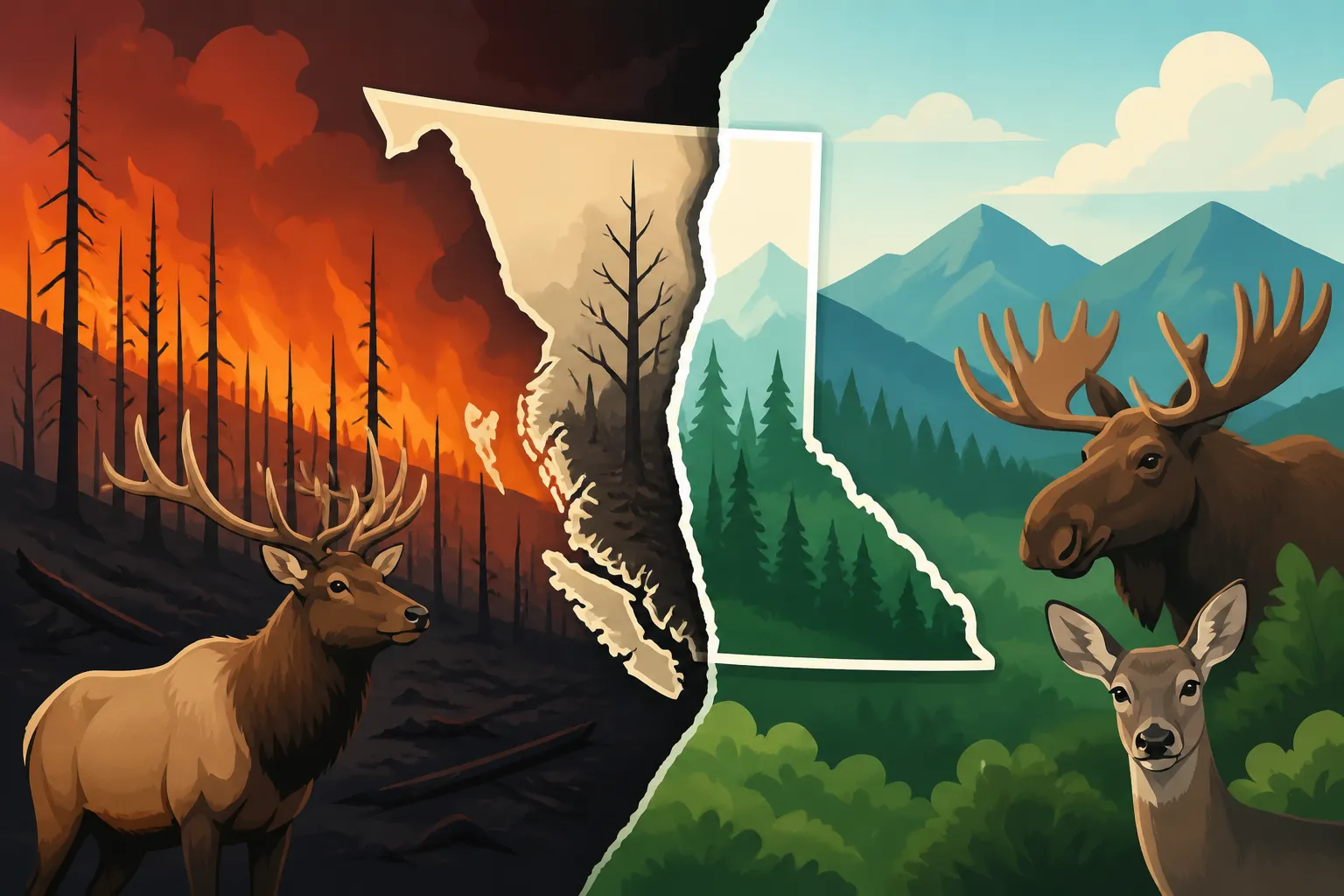
The acrid smell of smoke clinging to the air, the ash underfoot, the stark silhouettes of burned timber against the sky—these are increasingly common sights for hunters across British Columbia. Wildfires aren't just a seasonal inconvenience; they're profoundly reshaping our landscapes and, in turn, altering the very fabric of game habitats. This guide dives deep into the complex, often counterintuitive ways wildfires impact British Columbia's diverse game species, helping you understand the ecological shifts and how they affect your hunting pursuits.
Immediate Aftermath: The First Season Post-Fire
When a wildfire tears through a British Columbia landscape, the immediate consequences for wildlife can be stark and, frankly, heartbreaking. The speed and intensity of the blaze often dictate the initial impact, and it's a critical time for understanding how animals cope with sudden, drastic change.
Direct Mortality and Displacement
The most obvious and tragic effect of a fast-moving fire is direct mortality. While many animals possess an incredible instinct to flee, some are simply unable to escape the inferno. Very young animals, those with limited mobility, or creatures caught in pockets of intense flame can perish. This includes everything from fawns and elk calves to smaller furbearers and birds. Beyond direct losses, the survivors are instantly displaced. They lose their homes, their familiar territories, and often, their social structures are disrupted. This can lead to increased stress, vulnerability to predation, and competition for resources in adjacent, unburned areas. It’s a chaotic time for wildlife, often forcing them into unfamiliar ground, making them more visible but also more agitated.
Loss of Cover and Immediate Food Sources
Even for animals that escape the flames, the landscape they return to is profoundly changed. Dense forests that once provided crucial thermal cover and security are now stark, open, and black. This immediate loss of cover leaves many species, particularly deer and elk, highly exposed to predators and the elements. Imagine a deer herd accustomed to thick timber suddenly finding itself in a moonscape; every movement is visible. Furthermore, the immediate food sources – green browse, understory vegetation, berries, and acorns – are incinerated. While roots and seeds might survive beneath the surface, the immediate aftermath presents a barren pantry. Animals must quickly relocate to find sustenance, often pushing them into areas where they might compete with existing populations or face new threats. This initial period is a scramble for survival, testing the resilience of every animal in the ecosystem.
Short-Term Changes: Two to Five Years Post-Burn
While the immediate devastation of a wildfire is clear, the landscape often undergoes a remarkable transformation in the short to medium term. This period, roughly two to five years after the burn, frequently presents unexpected opportunities for certain game species and, consequently, for hunters willing to adapt.
Explosion of Forage and Early Successional Plants
One of the most significant short-term effects of wildfire is the dramatic flush of new growth. Fires clear out competing vegetation, deposit nutrient-rich ash into the soil, and allow sunlight to reach the forest floor. This creates an ideal environment for early successional plants – species like fireweed, various grasses, willow, aspen, and broadleaf shrubs – to rapidly colonize the burned area. These plants are often highly palatable and nutritious for herbivores. For deer and elk, these rejuvenated areas become prime feeding grounds, offering a buffet of fresh, tender browse that was previously unavailable or outcompeted by mature forest growth. We've seen firsthand how a seemingly barren landscape can become a vibrant green zone within a season or two, drawing animals in from surrounding unburned habitats. You can often see the impact of this new growth if you're Scouting a British Columbia Management Unit Online and comparing satellite imagery over different years.
New Access and Visibility for Hunters
Beyond the forage explosion, the altered landscape itself presents new dynamics for hunters. Burned areas, especially those that were once dense and difficult to penetrate, often become more accessible. Deadfall might be present, but the removal of thick underbrush opens up sightlines and travel corridors that simply didn't exist before. This increased visibility can be a double-edged sword: while it makes spotting game easier, it also makes hunters more visible. However, for those employing spot-and-stalk tactics, the ability to see further into the landscape can be a huge advantage. Roads and trails previously overgrown might also become more passable, though hunters must always be cautious of hazards like falling snags. Understanding these changes in terrain is crucial, and tools like GoHunt, with their detailed maps and satellite overlays, can be incredibly helpful in identifying these newly accessible and visible zones for your next hunting trip.
Long-Term Habitat Evolution: Five Years and Beyond
As the years turn into decades, a post-fire landscape continues its evolution, shifting from early successional bounty to a more mature, yet still distinct, forest type. These long-term changes have profound and lasting impacts on game populations, requiring hunters to think on a larger, more ecological scale.
Mature Forests Versus Regenerating Burn Zones
In the long term, a burned area doesn't simply revert to what it was before. The fire acts as a reset button, initiating a new successional pathway. While the initial flush of forage eventually gives way to saplings and young trees, the density and species composition of this regenerating forest can differ significantly from the pre-fire stand. For example, a conifer forest might regenerate with a higher proportion of deciduous species in the early stages, creating a more diverse habitat structure. As these young trees grow, they once again begin to provide thermal cover and security, though perhaps not in the same way as the old growth. This creates a mosaic of habitats across the landscape – pockets of mature unburned forest, regenerating burn zones, and areas in various stages of recovery. This mosaic can be incredibly beneficial, offering different resources throughout the year and encouraging greater biodiversity. For example, understanding What Logging Does to Deer Winter Range provides a useful comparison, as both logging and fire create new patterns of regrowth and forage.
Shifts in Species Distribution
The long-term evolution of post-fire habitats inevitably leads to shifts in where different game species thrive. Animals that prefer dense, old-growth forests might retreat to unburned pockets, while those that benefit from open areas and abundant browse will continue to utilize the regenerating burns. For example, while moose initially thrive in the browse-rich young stands, as those stands mature and become denser, the quality of their food diminishes, potentially causing them to seek out newer disturbances or different areas altogether. Conversely, species that rely on older forests for specific resources, like denning sites or specific food sources, may take decades to fully recolonize. This means that a hunting area that was fantastic for elk five years after a fire might be better for deer twenty years later, or vice versa, depending on how the forest regenerates. It’s a dynamic system, and hunters need to be aware that prime locations aren't static. This long-term understanding is vital, especially when considering British Columbia's Caribou Recovery Effort, as caribou are particularly sensitive to habitat changes over long periods.
Specific Species Responses to Fire-Altered Landscapes
Different game species react to the impacts of wildfire in unique ways, often dictated by their dietary needs, habitat preferences, and behavioral adaptations. Understanding these species-specific responses is key to predicting game movements and successful hunting in a fire-modified environment.
Deer and Elk: Adapting to New Browse
Deer and elk are often considered beneficiaries of wildfire in the mid-to-long term. Initially, the intense heat and immediate lack of cover can drive them out of burned areas. However, as the ecosystem recovers, the explosion of new, nutritious browse—like fireweed, aspen shoots, and various shrub species—becomes an irresistible draw. Deer, particularly mule deer, will readily move into these areas to take advantage of the abundant food. You might find yourself Hunting a Burn on a South Slope where the sun has encouraged vigorous regrowth. Elk, with their broader diet, also thrive on this new forage. The open nature of burned timber, while lacking traditional thermal cover, can sometimes make them easier to spot from a distance, favoring spot-and-stalk hunting methods. However, they will still seek out nearby unburned pockets or islands of timber for security and bedding. This means hunters often find success on the edges where the burn meets the unburned forest, or by locating isolated stands of timber within the burned zone.
Moose and Bear: Finding Opportunity in Regeneration
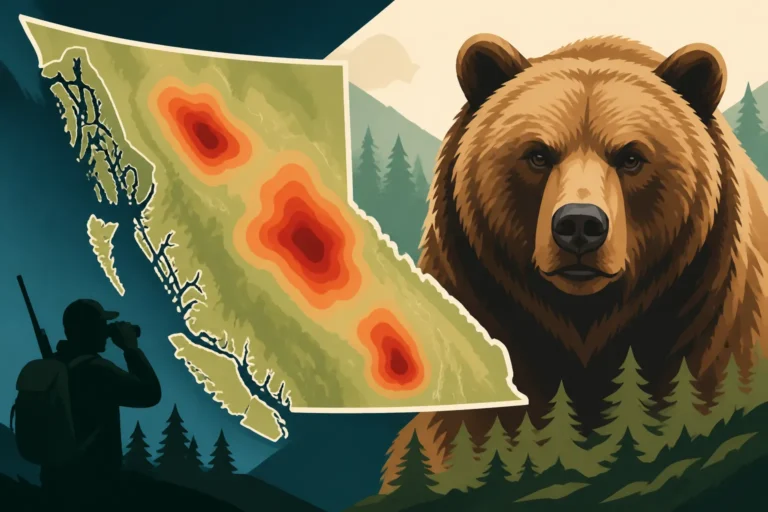
Moose, too, benefit from the increase in deciduous browse that often follows a fire. They are particularly fond of willow, aspen, and birch, which tend to flourish in post-fire environments. For this reason, if you're trying to figure out Why Moose Numbers Fell in the Interior, changes in forest composition due to factors like beetle kill and wildfire are definitely part of the puzzle. A few years after a burn, when these species have had a chance to grow, a fresh burn can become prime moose country. You might find that How Moose Use a Burn Three Years On can be quite predictable, as they gravitate towards these emerging food sources. Black bears are also opportunists in burned landscapes. While the fire might initially destroy their berry crops, the long-term regeneration of berry-producing shrubs can create exceptional bear habitat. Bears are also drawn to burned areas for insects that colonize dead timber, and for the availability of fresh green shoots in spring. A spring bear hunt in a regenerating burn can be highly productive, especially when glassing south-facing slopes. Even grizzlies, as highlighted in studies and observations related to British Columbia's Grizzly Population Estimate, will exploit these new food sources.
Caribou and Goats: Vulnerability and Resilience
Not all species benefit equally from fire, and some, like caribou, are particularly vulnerable. Woodland caribou rely heavily on mature, lichen-rich forests, which can take decades or even centuries to recover after a severe fire. For them, a large burn can represent a significant loss of critical winter habitat, forcing them into smaller, more fragmented areas where they might face increased predation risk or competition. Mountain goats, on the other hand, often inhabit alpine and subalpine terrain where large-scale, high-intensity fires are less common, but they are still affected by the indirect impacts such as changes in lower elevation migratory routes or disruption to water sources. While their rocky, high-elevation strongholds offer some refuge, widespread habitat alteration can still impact their overall health and population dynamics. Their resilience lies in their ability to navigate extreme terrain, but their specific habitat requirements mean that fire can still be a significant challenge to their populations.
Hunting Strategies in the Shadow of the Burn
Hunting in wildfire-affected areas demands a different approach, a keen eye, and a deep understanding of how animals adapt to these dynamic environments. It's not just about finding game; it's about understanding the subtle (and not-so-subtle) cues the altered landscape provides.
Scouting and Interpreting Burned Areas
Effective hunting in a burn zone begins long before you step foot in the field. Online tools and satellite imagery, such as those offered by GoHunt, become invaluable for identifying burn perimeters, intensity, and the surrounding unburned pockets. Look for areas where the fire created an edge, where a burn transitions into healthy timber or an unburned drainage. These edges are often travel corridors and feeding zones. Pay attention to variations in burn intensity; patchy burns often provide the best habitat, offering both food and cover. Within the burn, look for surviving pockets of timber, often on north-facing slopes, in gullies, or riparian zones—these act as crucial refuge for game. Water sources also become even more critical in burns, so identify any springs, creeks, or seepages. Remember, the ash can make tracks more visible, but it also means animals might be more skittish due to the lack of cover. Learning to read the subtle signs in a recovering burn, like fresh tracks in the ash or new browse nipped off, is a skill that comes with observation.
Safety and Access Considerations in Fire Zones
Hunting in a burned area comes with unique safety considerations that every hunter must prioritize. First and foremost, snags (standing dead trees) are a major hazard. They can fall without warning, especially in windy conditions or after heavy rain, posing a significant risk. Always be aware of your surroundings and avoid lingering under tall, dead timber. The ground itself can be treacherous, with unstable soil, ash pits, and hidden holes created by burned-out root systems. Wearing sturdy, ankle-supporting boots is non-negotiable. Visibility, while sometimes an advantage for spotting game, also extends to other hunters. Blaze orange remains crucial. Access can also be a challenge; roads might be washed out, blocked by fallen trees, or officially closed for safety or recovery efforts. Always check with local forestry or government agencies for current road conditions and area restrictions. If you're venturing into a severely burned area, consider bringing a saw or axe for clearing small obstacles, and always let someone know your plans and expected return. Knowing the rules for Driving a Deactivated Logging Road is also important, as fire can often make these routes even more difficult to traverse.
The Broader Ecological Picture: Challenges and Conservation
Wildfires are a natural part of many British Columbia ecosystems, but their increasing frequency and intensity, exacerbated by climate change, present significant challenges for long-term conservation and wildlife management. Understanding this broader picture is vital for responsible hunting.
Impacts on Water Quality and Soil
Beyond the immediate visible changes, wildfires have profound, sometimes devastating, effects on water quality and soil health. When vegetation is removed, the soil surface is exposed to the elements. Ash and sediment can easily be washed into streams and rivers during subsequent rain events, dramatically increasing turbidity and potentially introducing harmful nutrients or contaminants. This can impact fish populations and other aquatic organisms, which are a food source for many game animals. The intense heat can also alter soil structure, making it less permeable and increasing the risk of erosion and landslides, especially on steep slopes. Such events can destroy critical riparian habitats and further degrade water quality. Healthy watersheds are fundamental to healthy wildlife, and fire-induced changes can have cascading effects throughout the food web. This is a critical area for ongoing research and management, as changes here affect everything from insect life to large ungulates.
Management Strategies for a Fire-Prone Future
Given the increasing reality of frequent and intense wildfires, wildlife management in British Columbia is adapting. This involves a multi-faceted approach aimed at mitigating fire risk, supporting habitat recovery, and monitoring wildlife populations. Strategies might include controlled burns (where appropriate) to reduce fuel loads, targeted reforestation with fire-resistant species, and enhanced monitoring of game populations in post-fire landscapes. Agencies are increasingly using advanced mapping and satellite technology, much like the data accessible through GoHunt, to track burn severity and subsequent ecological recovery. For hunters, this translates to an increased need for awareness and adaptation. We need to be informed about how management decisions are shaped by fire ecology and understand that our hunting efforts can play a role in sustainable management, for example, by focusing on areas where populations are thriving in regenerating burns. The goal is to build more resilient ecosystems and ensure healthy game populations for future generations, even in a landscape that will inevitably continue to experience the transformative power of fire.
Table: Wildfire Impacts on Key British Columbia Game Species
Here's a quick look at how various species generally respond to wildfire in the short-term (1-5 years post-fire) and long-term (5+ years post-fire) in British Columbia.
| Species | Short-Term Impacts (1-5 years) | Long-Term Impacts (5+ years) |
|---|---|---|
| Mule Deer/Elk | Initial displacement, then drawn to abundant new browse; increased visibility. | Thrive in regenerating clearings; seek mature patches for cover. |
| Moose | Initial displacement, then drawn to abundant deciduous browse (willow, aspen). | Excellent habitat as deciduous browse matures, then declines with forest growth. |
| Black Bear | Initial loss of food sources; later drawn to new berry growth and insects. | Good habitat as berry-producing shrubs mature; dependent on salmon streams if coastal. |
| Grizzly Bear | Similar to black bears, also drawn to insects and roots in burns. | Habitat quality depends on regeneration of food sources and undisturbed areas. |
| Mountain Goat | Less direct impact in high alpine, but may affect lower elevation access/forage. | Habitat relatively stable unless alpine areas are directly impacted; indirect effects on travel corridors. |
| Caribou | Significant loss of critical lichen-rich old-growth winter habitat; highly vulnerable. | Recovery is extremely slow (decades to centuries) for lichen-dependent habitat. |
| Small Predators (Coyote, Wolf) | May follow ungulate prey into new areas; increased visibility aids hunting. | Adapt to new prey distribution; benefit from increased rodent populations in early successional stages. |
| Upland Birds (Grouse) | Initial loss of cover; later benefit from dense young regeneration for food/cover. | Habitat quality varies with succession; dense young stands are excellent cover. |
Disclaimer
This article is for general informational purposes only and does not constitute professional advice. Laws, prices and regulations vary by location and change over time. Consult a qualified professional for guidance on your specific situation.