Where British Columbia Cell Coverage Ends
British Columbia cellular coverage drops off remote logging roads and deep river valleys because rugged mountains block signals.
Find ground you can hunt.
National forest, BLM, and state land — WMAs, walk-in programs, unit boundaries, access rules, and how to get permission on private ground.
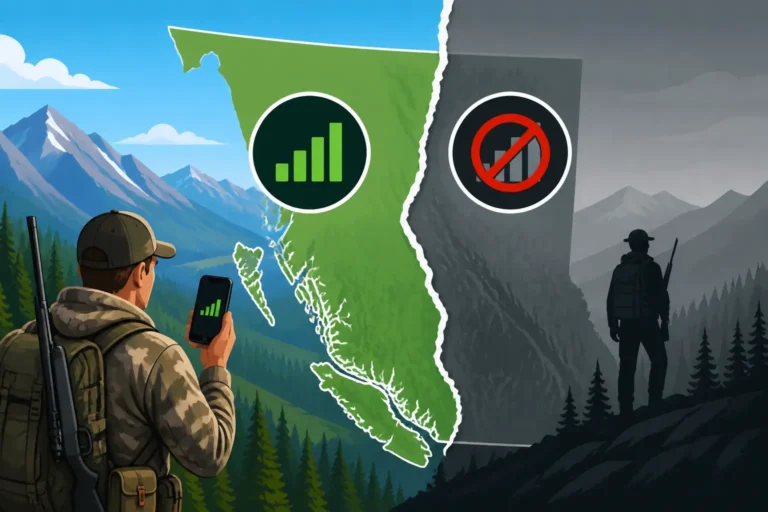
British Columbia cellular coverage drops off remote logging roads and deep river valleys because rugged mountains block signals.
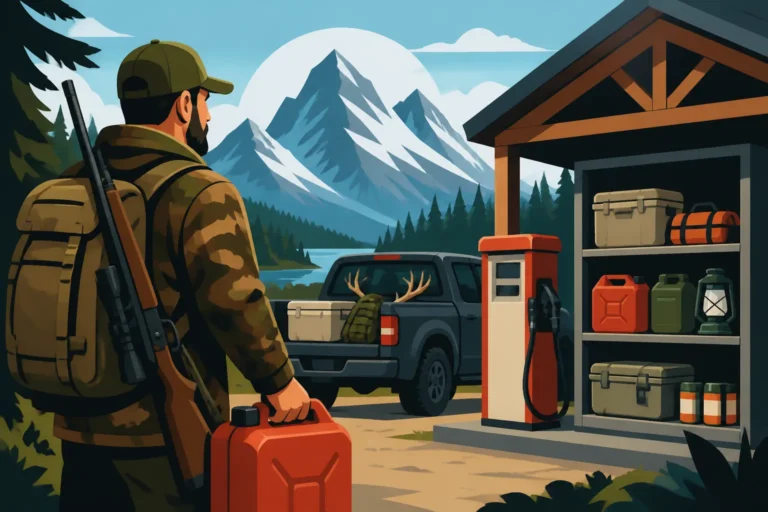
Northern British Columbia hunters learn where to find fuel, water, and groceries to safely navigate remote wilderness routes.
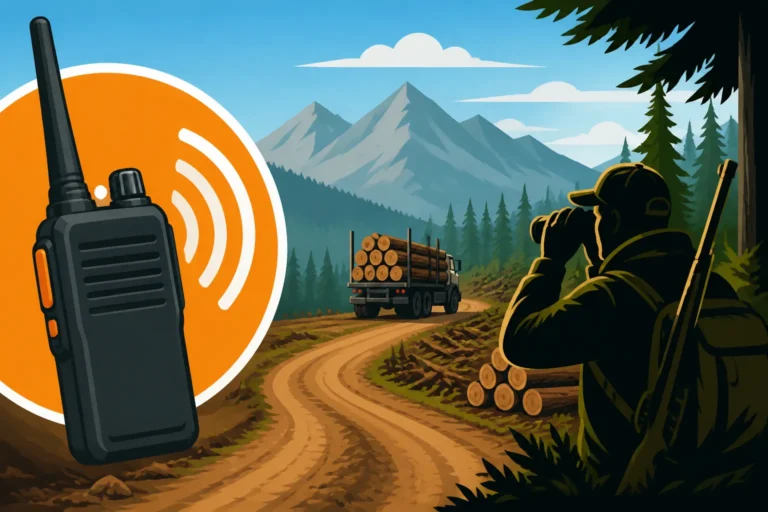
British Columbia forest service road radio channels prevent head-on collisions with industrial logging trucks on active routes.
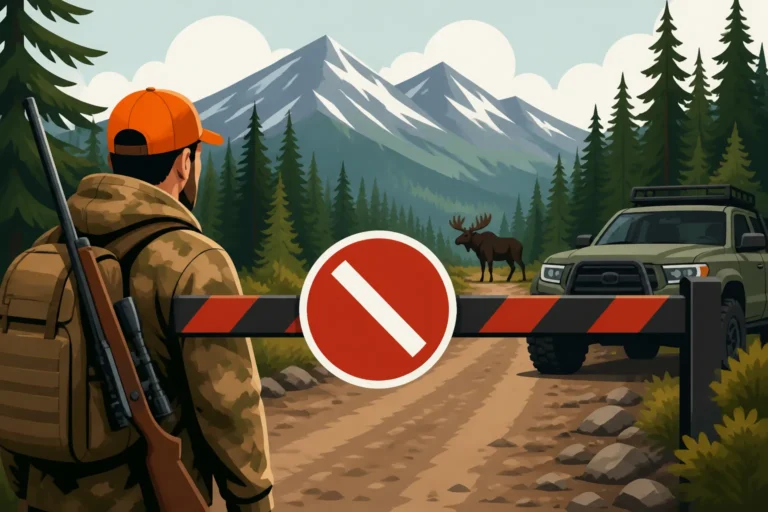
British Columbia forest service road closures and washouts explain how hunters plan routes around remote access obstacles.
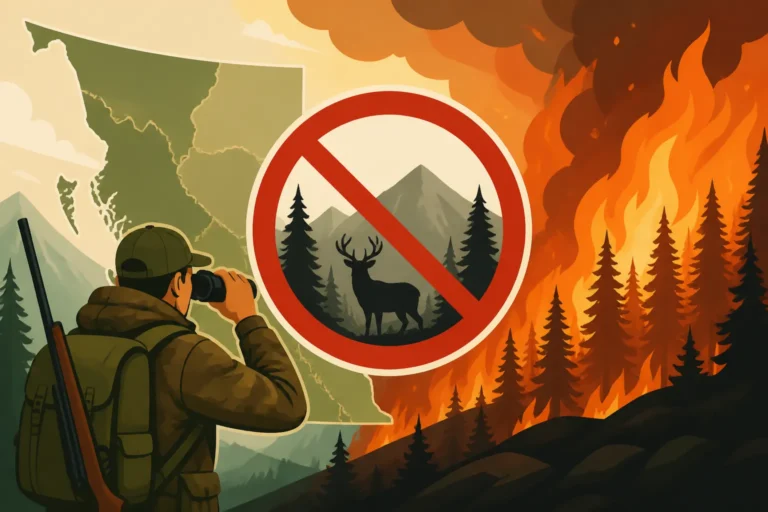
British Columbia wildfire closures disrupt hunting seasons, forcing hunters to track official sources, monitor access roads, and adapt plans.
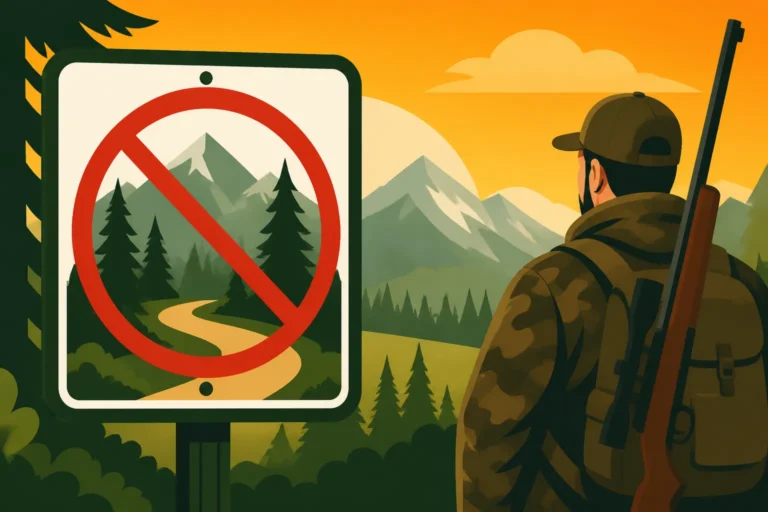
British Columbia park closures for hunters, explaining why provincial parks, conservancies, and ecological reserves ban hunting entirely.
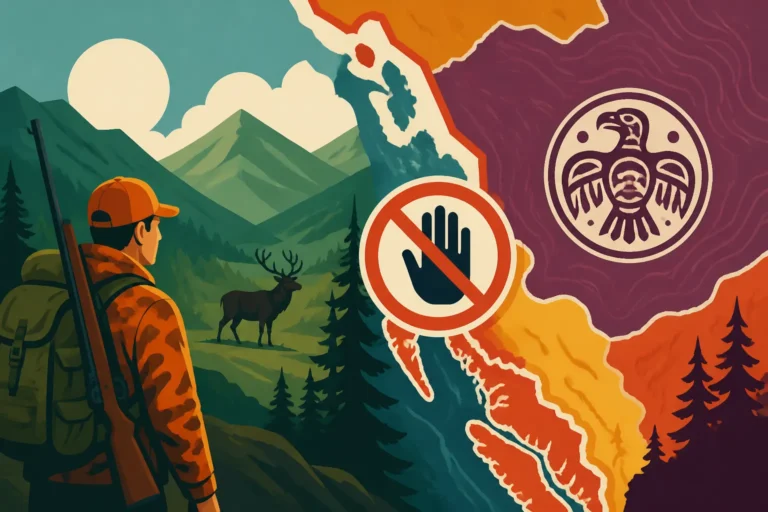
First Nations territory in British Columbia affects hunting access across traditional territories, reserves, and treaty settlement lands.
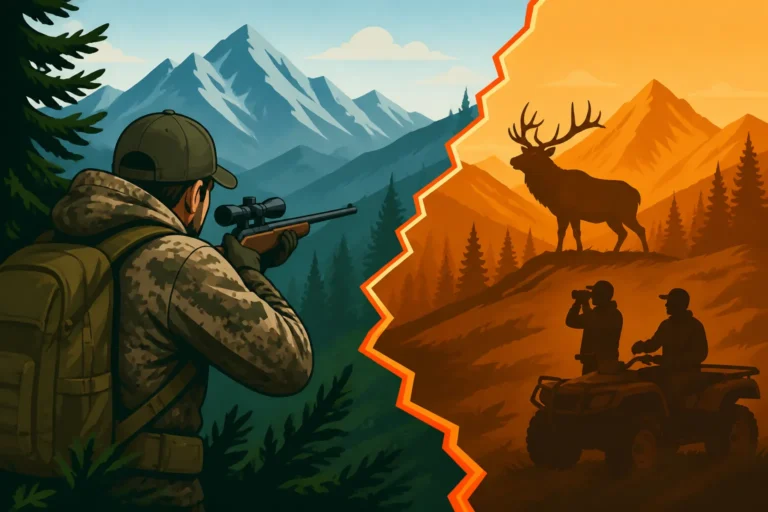
Guide outfitter territories in British Columbia clarify legal hunting access and rights for resident hunters on Crown land.
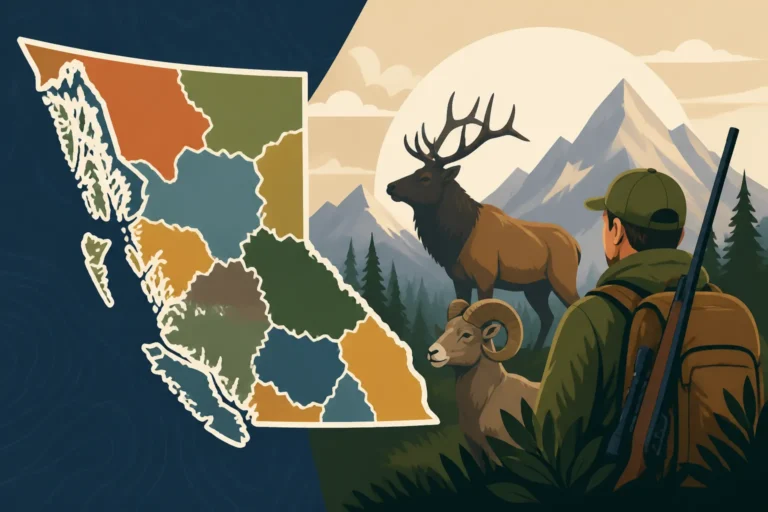
British Columbia guide outfitter territories grant exclusive commercial guiding rights to licensed operators for non-resident big game hunters.
British Columbia rod and gun clubs provide shooting ranges, conservation advocacy, fishing resources, and community networks.