Private Forest Land Access in British Columbia
Private forest land access rules in British Columbia explain how hunters can avoid trespassing and legally navigate private property boundaries.
Find ground you can hunt.
National forest, BLM, and state land — WMAs, walk-in programs, unit boundaries, access rules, and how to get permission on private ground.
Private forest land access rules in British Columbia explain how hunters can avoid trespassing and legally navigate private property boundaries.
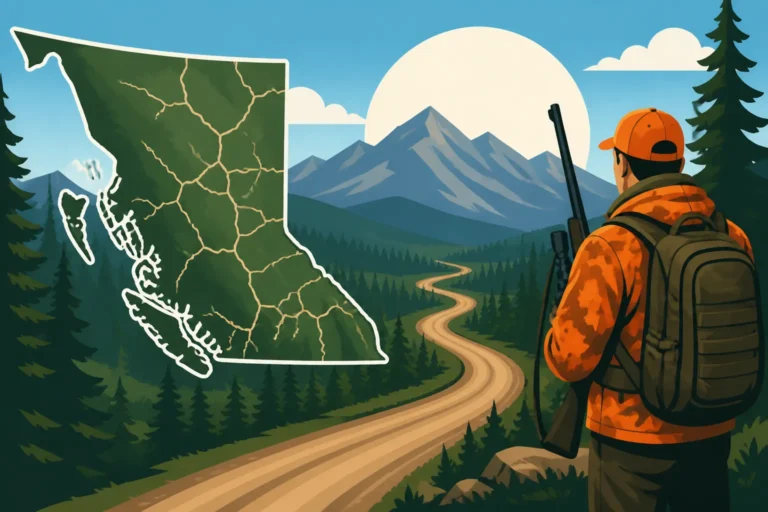
British Columbia Forest Service Roads provide hunters access to Crown land, but conditions vary widely from active logging routes to deactivated tracks.
Vancouver Island hunting in coastal rainforests requires navigating dense vegetation, steep mountain terrain, and diverse logging habitats.
British Columbia Kootenay hunting trips require planning for rugged mountains, diverse wildlife habitats, and complex regional regulations.
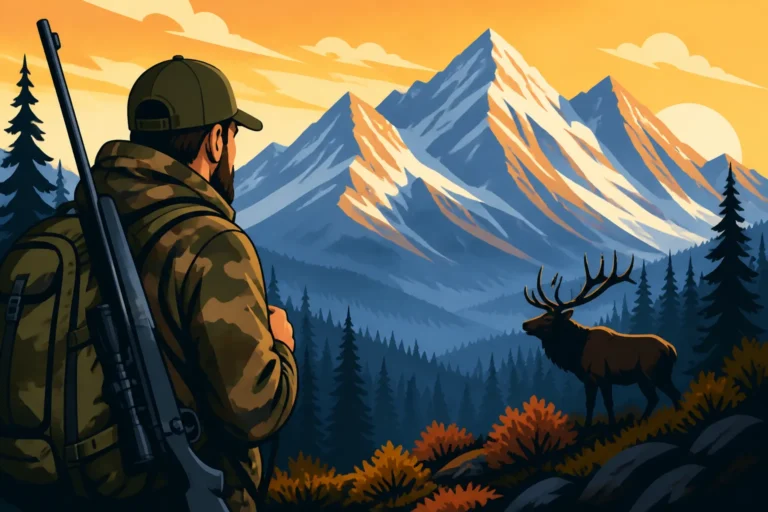
Big game hunting in British Columbia features rugged terrain, immense solitude, extreme weather, and detailed planning strategies.
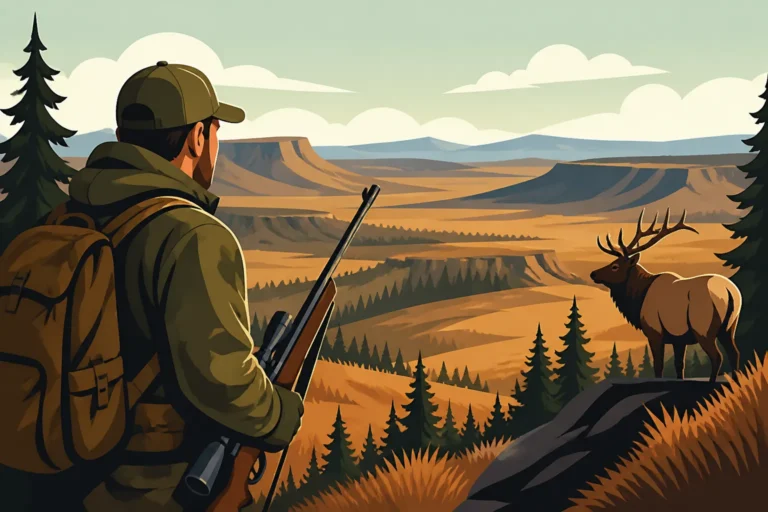
British Columbia’s Interior Plateau hunting offers strategies for mule deer, moose, and black bears across diverse regional landscapes.
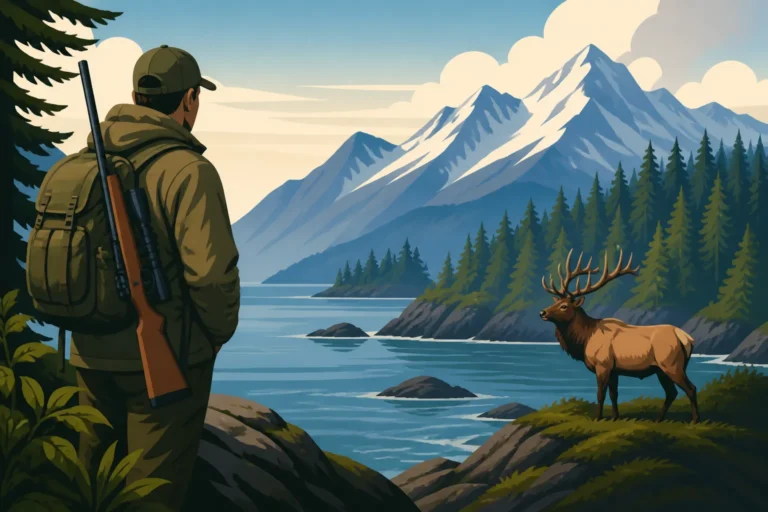
British Columbia coastal hunting zones, weather patterns, and mountain terrain dictate strategies for blacktail deer and spring bear.
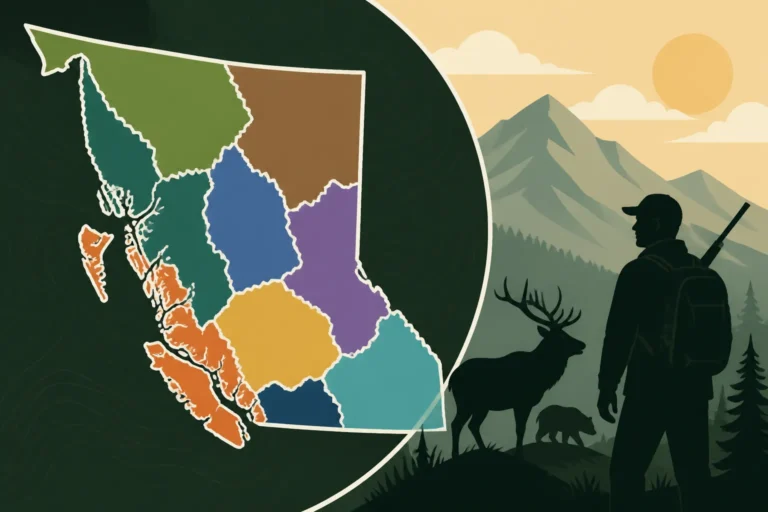
British Columbia divided into nine distinct hunting regions, detailing ecological differences and management units for hunters.
British Columbia Crown land access rules explain public land ownership, recreational rights, and hunting travel planning.
Public hunting land in British Columbia consists of Crown land, which covers ninety four percent of the province and requires checking local regulations.