How Moose Use a Burn Three Years On
British Columbia wildfire burns regenerate into dense willow and birch thickets, creating prime moose habitat three years later.
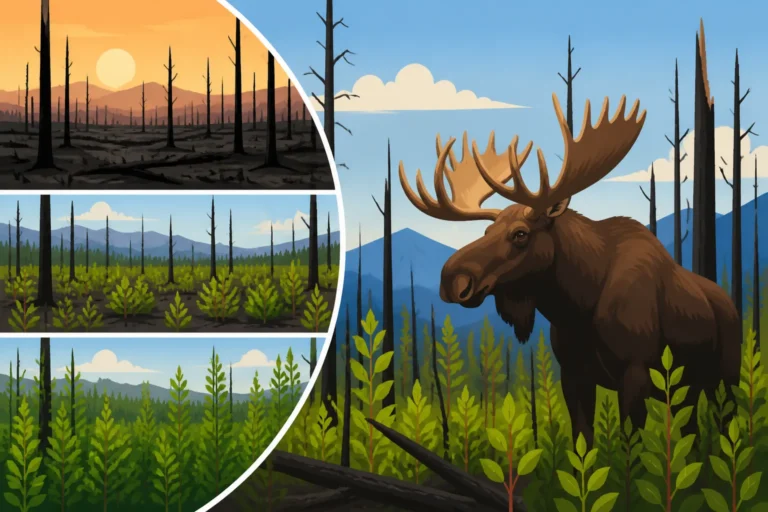
British Columbia wildfire burns regenerate into dense willow and birch thickets, creating prime moose habitat three years later.
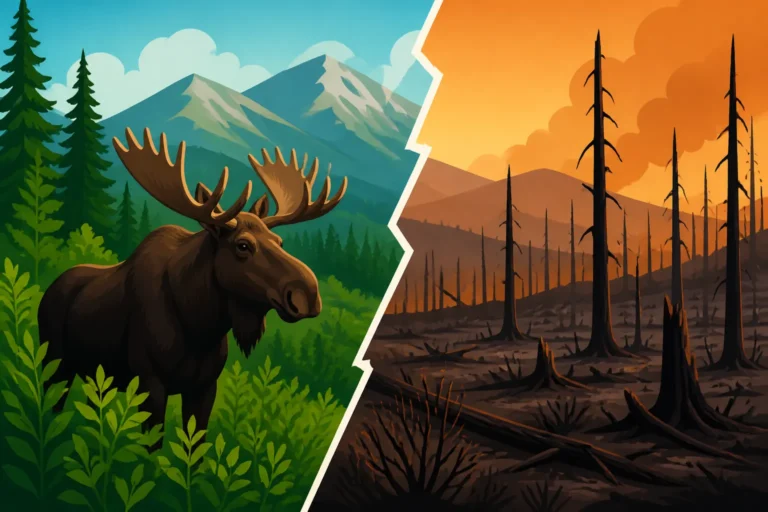
British Columbia wildfire impacts on moose habitat, detailing immediate forage loss, thermal cover destruction, and displacement struggles.
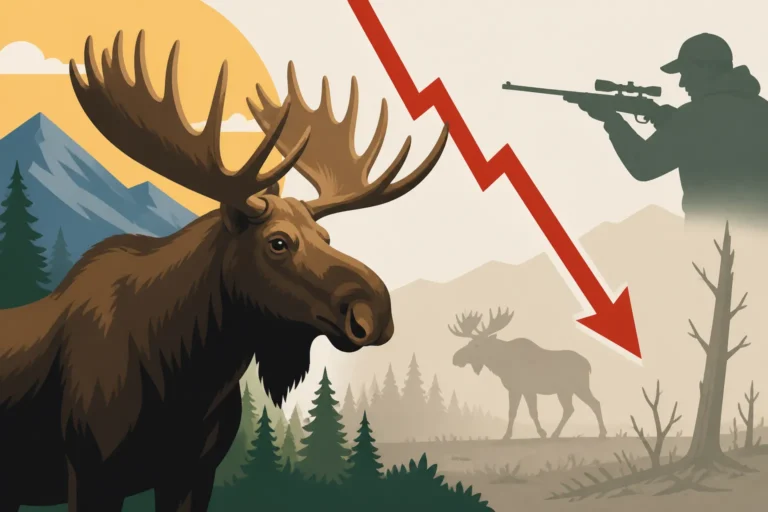
British Columbia Interior moose population declines stem from complex environmental pressures including wolves and bears.
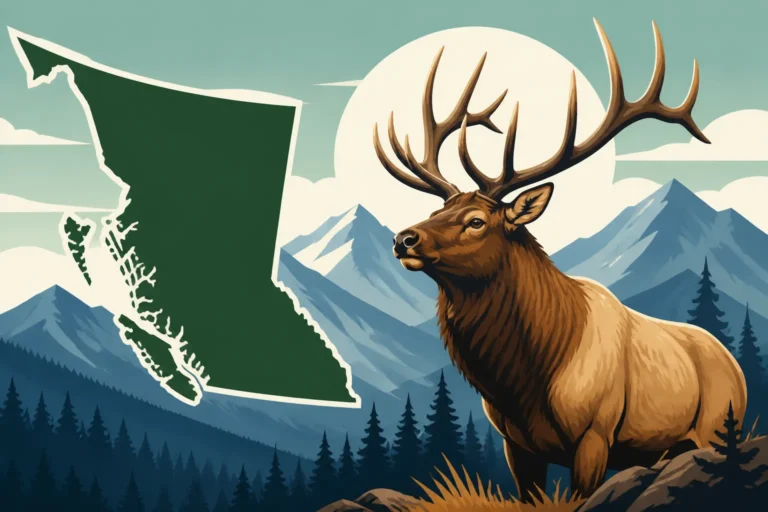
British Columbia bull moose and elk genetics, habitat nutrition, and ages between six and ten years create massive antlers.
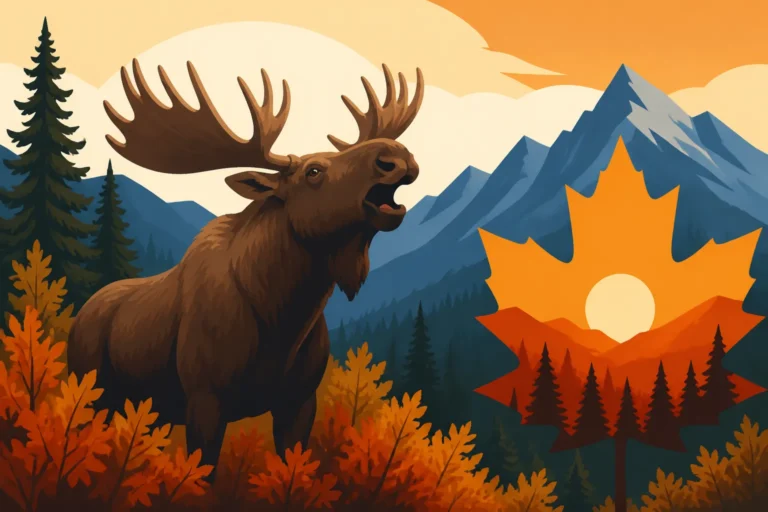
British Columbia moose rut timing details, explaining early September beginnings through the late September to early October peak.
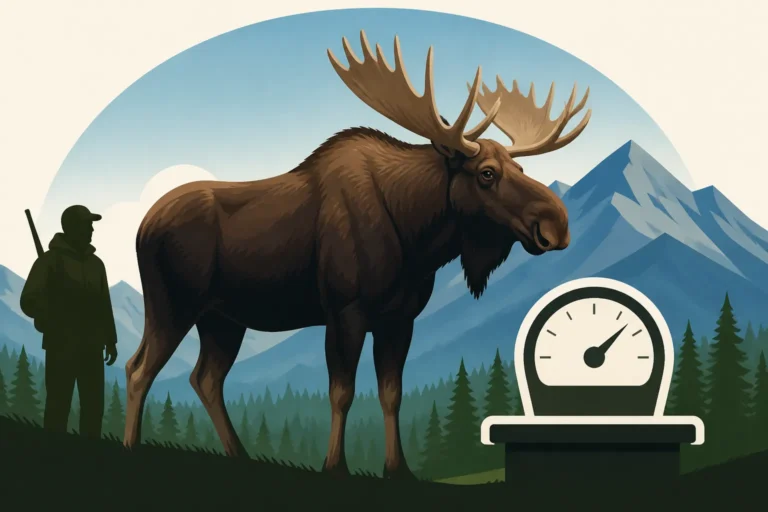
What a British Columbia bull moose weighs, with mature bulls typically 800 to 1,200 pounds and northern bulls sometimes reaching 1,400 to 1,600 pounds.
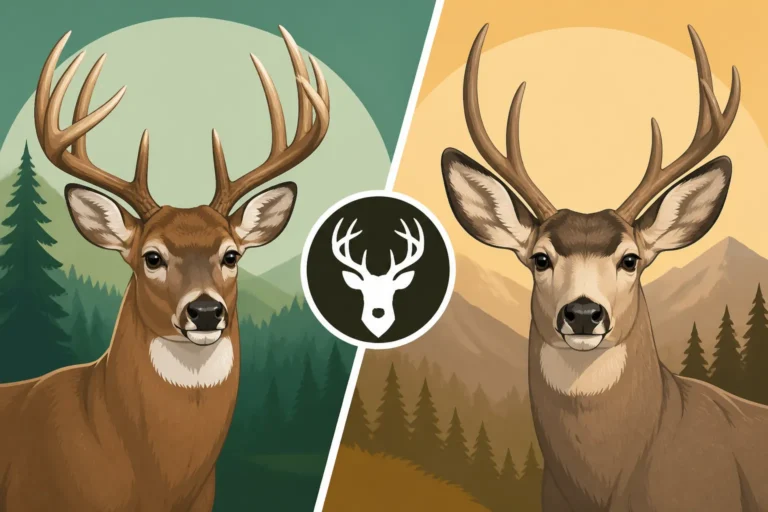
Distinguishing whitetail from mule deer in British Columbia requires examining antler configuration and tail characteristics.
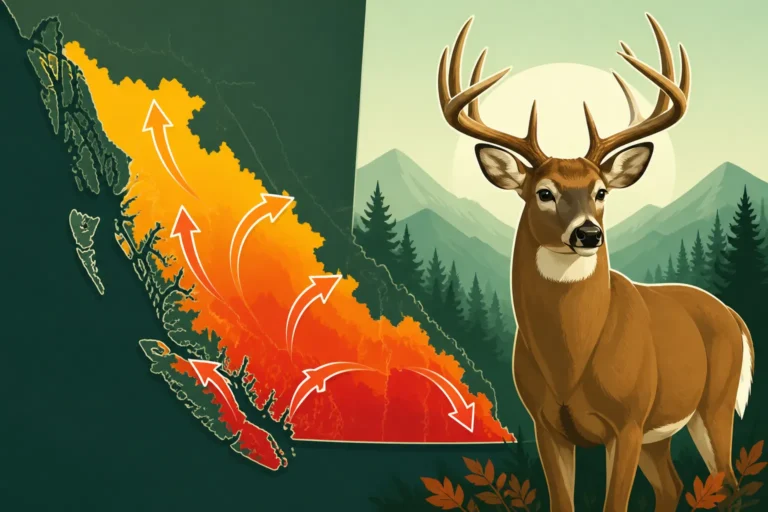
British Columbia whitetail deer are expanding their range through the Kootenays, Peace Country, and major river systems.
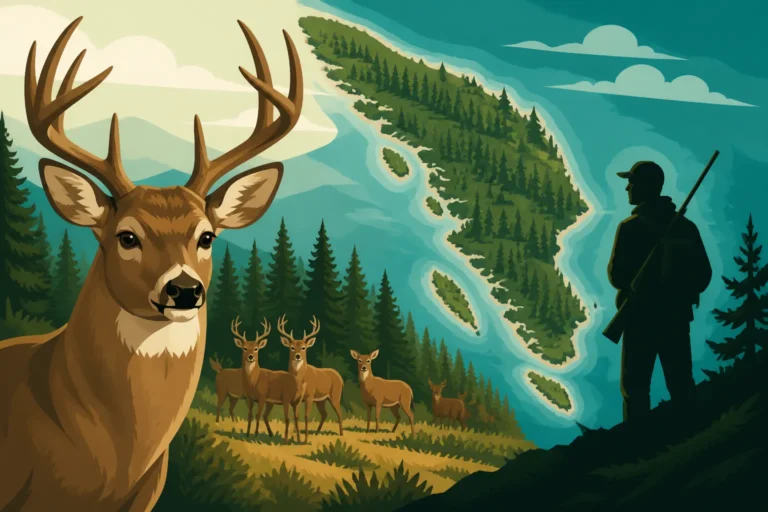
Sitka black-tailed deer population growth on Haida Gwaii, driven by early 1900s human introductions and lacking any natural predators.
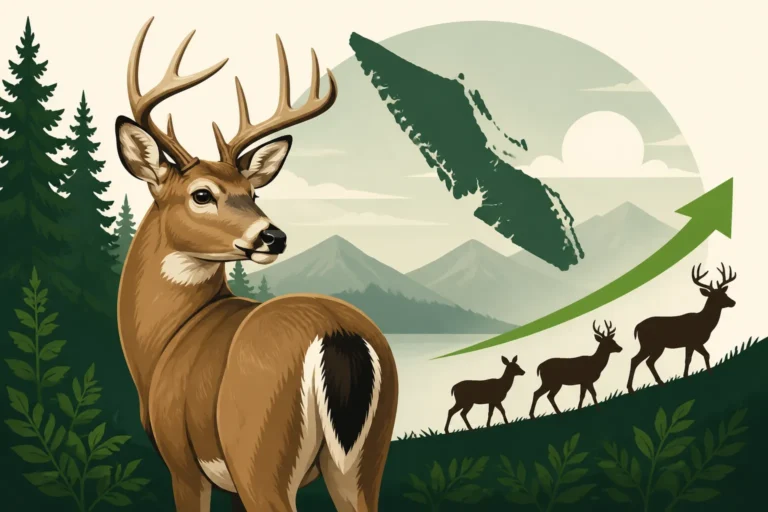
Vancouver Island blacktail deer population trends, habitat needs, winter impacts, and predator influences explained using wildlife estimates.