British Columbia’s Mountain Goat Numbers
It can feel like a real mystery trying to understand the health and viability of British Columbia's mountain goat populations. Hunters and conservationists alike often wonder about current numbers, where these majestic animals are thriving, and what challenges they face in our vast, rugged province. This comprehensive guide aims to pull back the curtain on British Columbia's mountain goat numbers, exploring their distribution, population dynamics, and the critical management strategies in place to protect them for future generations.
Understanding British Columbia's Mountain Goat Populations
Mountain goats are truly icons of British Columbia's high country, embodying the wild, untamed spirit of our province. But despite their iconic status, getting a precise count of these elusive animals is notoriously difficult. They inhabit some of the most inaccessible terrain, making comprehensive surveys a logistical challenge.
A Glimpse into Current Estimates and Distribution
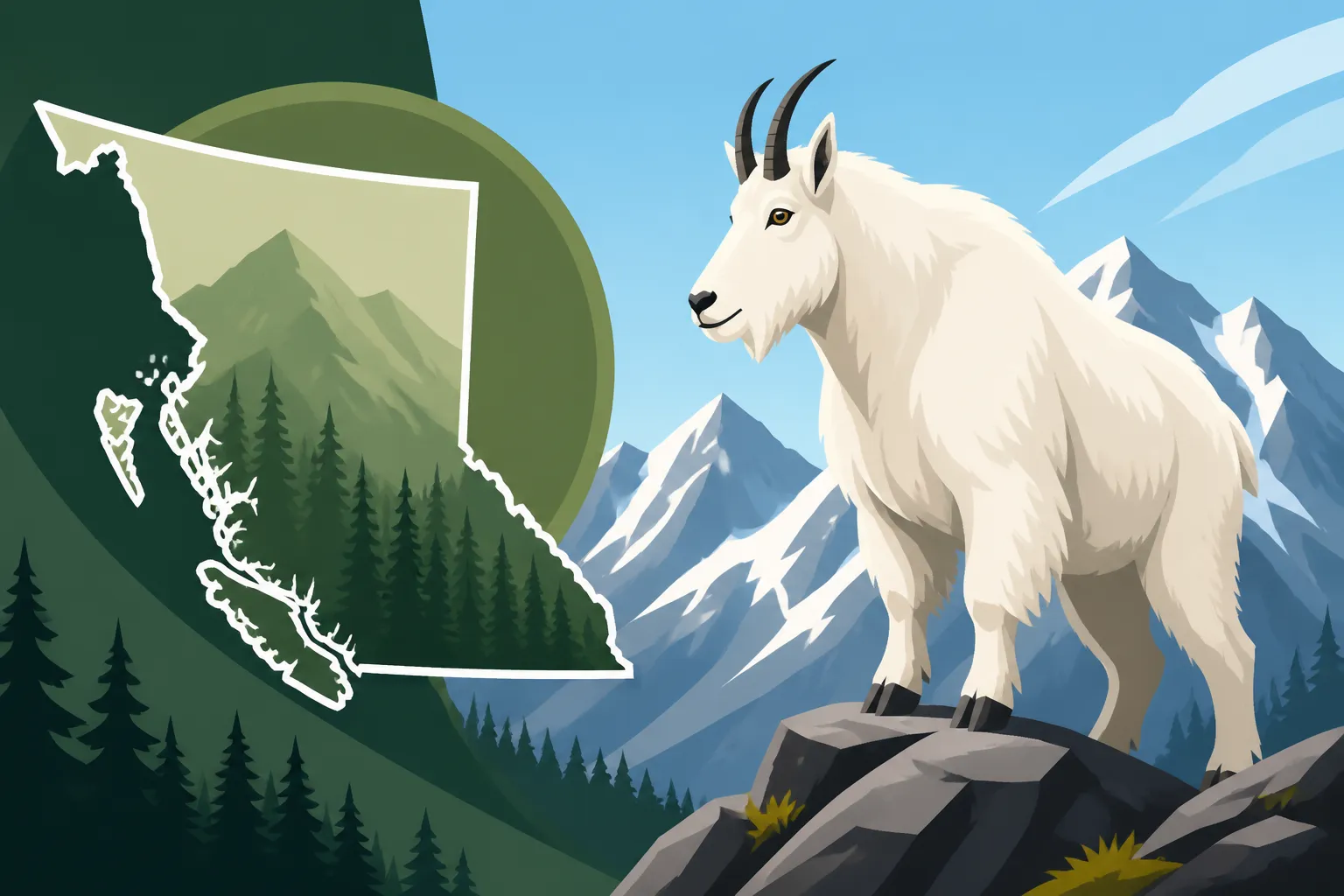
Across British Columbia, estimates generally place the mountain goat population in the range of 30,000 to 50,000 animals, though this can fluctuate. These numbers are derived from various methods, including aerial surveys, ground observations, and extrapolations based on known habitat. While impressive, it's important to remember these are estimates, and local populations can vary dramatically. You'll find mountain goats primarily in the Coast Mountain Range, throughout the Northern Rockies, and deep within the Purcell and Monashee Mountains in the Kootenays. These aren't creatures of the lowlands; they require steep, rocky, high-elevation terrain with access to subalpine meadows for forage. Their distribution is patchy, often dictated by the presence of suitable escape terrain – those sheer cliffs and rocky outcrops where they can evade predators.
The challenge in counting them accurately stems from several factors. Their white coats blend almost perfectly with snow and rock, making them hard to spot even from the air. They often live in small, dispersed groups, rather than large herds that are easier to track. Furthermore, the sheer scale of their habitat in British Columbia means that surveying every potential area is simply not feasible. Wildlife biologists use sophisticated techniques, but the inherent difficulties mean that managing these populations relies on careful monitoring of trends rather than absolute, static numbers. This constant effort is what helps inform vital decisions about management units and hunting opportunities.
Factors Influencing Population Dynamics
Mountain goat populations are incredibly sensitive to a myriad of environmental and human-related factors. Unlike deer or elk, they have a slower reproductive rate, typically only having one kid per year, and sometimes skipping a year altogether. This means that population recovery after a decline can be a very slow process, which is a major consideration for wildlife managers.
Habitat suitability is, without a doubt, the most critical factor. Goats rely on a very specific niche: high-alpine and subalpine rocky terrain that provides both forage and critical escape cover from predators. If this habitat is degraded or fragmented by development, logging, or even heavy recreational use, it directly impacts their survival and breeding success. Predation also plays a role, with cougars, wolves, and even golden eagles preying on kids. However, healthy adult goats on their steep home turf are quite adept at avoiding most predators. Environmental factors like harsh winters with deep snowpacks can be devastating, leading to increased mortality, especially among younger and older animals, by limiting access to food and increasing energy demands. Conversely, mild winters can lead to higher survival rates and better recruitment. Finally, human disturbance, whether from backcountry recreationists, mining, or heli-skiing operations, can stress goats, displace them from critical habitats, and potentially reduce their reproductive success, especially during sensitive periods like kidding season. It’s a delicate balance up there, and any change can have ripple effects.
Regional Variances in Mountain Goat Numbers
British Columbia is a massive province, and the experiences of mountain goats in one region can be vastly different from those in another. Their numbers, health, and the challenges they face are highly localized, reflecting the unique ecosystems they inhabit.
Coastal Ranges and Their Unique Challenges
Along British Columbia's rugged coast, mountain goats cling to the steep, often rain-soaked peaks overlooking the Pacific. Regions like the Coast Range, particularly areas around Bella Coola, Squamish, and further north towards Prince Rupert, hold significant populations. However, hunting Mountain Goat in British Columbia's Coast Range can be an especially demanding endeavor due to the typically wet and unpredictable weather, along with dense timber in the lower elevations. The unique challenges here include heavy precipitation, which can lead to rapid changes in snowpack and avalanche conditions, directly impacting their access to forage and escape routes.
Furthermore, coastal industrial activity, such as logging, can indirectly affect goat populations by altering lower elevation forests that some goats might occasionally use for shelter or browse during extreme winter events. While goats primarily stick to the alpine, disruptions in adjacent forest lands can sometimes push them into less optimal areas or increase encounters with predators. Accessibility can also be a double-edged sword; some coastal goat populations are remote and see little human pressure, while others, closer to population centers, may experience more disturbance from hikers, climbers, and heli-ski operations. This makes local, adaptive management absolutely critical for these coastal herds.
Interior and Northern British Columbia Strongholds
Venturing into the interior and northern parts of British Columbia, you'll find some of the most robust mountain goat populations in the province. Areas like the Northern Rockies, the Stikine and Cassiar regions, and the vast Omineca Mountains are often considered strongholds. The Muskwa-Kechika Management Area, for instance, is renowned for its immense wilderness and healthy populations of various large ungulates, including mountain goats. The Kootenay region also boasts significant goat numbers, particularly in the Purcell and Rocky Mountains.
These interior and northern habitats often present different environmental challenges compared to the coast. While they might experience less rain, they face extreme cold and prolonged periods of deep snow, demanding incredible resilience from the goats. The sheer remoteness of much of this territory means less direct human disturbance from development, but access for hunters and researchers can be incredibly difficult, often requiring extensive Backpack Hunting British Columbia's Sheep Country or even air charter. The management of these remote populations often relies on broad regional data and careful monitoring of hunter success and observations, supplementing infrequent, expensive aerial surveys. The health of these herds is often a good indicator of the overall wildness and ecological integrity of these vast, remote landscapes.
Identifying Stable vs. Declining Herds
Determining whether a mountain goat herd is stable, growing, or declining is a complex task that wildlife biologists approach with careful analysis. They look at several key metrics, most notably recruitment rates (the number of kids surviving to maturity) and the overall age structure of the population. A healthy, stable herd will show consistent recruitment, indicating that enough young are entering the breeding population to replace older animals. A declining herd, conversely, might show poor recruitment, often with fewer young animals and an aging population.
Specific areas within British Columbia have seen varying trends. While many populations across the province are considered stable, some localized herds, particularly those in more accessible or heavily developed areas, have shown signs of stress or decline. Conversely, very remote, expansive wilderness areas tend to support more robust and resilient populations. This is why the province uses a highly localized management approach, often breaking down hunting opportunities by specific management units (MUs) and even smaller zones, based on detailed local data. This granular approach is vital for making informed decisions. Platforms like GoHunt can be invaluable resources for hunters trying to understand these trends, often compiling data that helps illustrate the health and draw odds for various areas, helping them decide where to focus their efforts for a British Columbia Draw Tag. Understanding these localized dynamics is crucial not just for hunting, but for ensuring the long-term survival of these incredible animals.
How British Columbia Manages Mountain Goat Hunting
Given the mountain goat's specific habitat requirements, slow reproductive rate, and the difficulty in accurately assessing their numbers, British Columbia employs a highly conservative and meticulously managed hunting system. This approach prioritizes the long-term health of the populations above all else.
The Role of Limited Entry Hunting LEH Draws
For most of British Columbia's mountain goat populations, hunting is managed exclusively through a Limited Entry Hunting (LEH) draw system. This means you can't just buy an over-the-counter tag; you must apply for a specific hunt in a specific management unit during a designated season, and then hope your name is drawn in a lottery. The primary goal of this system is precise control over harvest levels. By limiting the number of tags issued, the province can ensure that hunting pressure remains sustainable and doesn't negatively impact the population. It's a system designed for quality over quantity, aiming to provide a high-quality hunting experience while protecting the resource.
The LEH system also allows wildlife managers to fine-tune harvest quotas based on the most current data available for each specific area. If a particular management unit shows signs of declining goat numbers or poor recruitment, the number of LEH authorizations can be reduced, or the season closed entirely, ensuring the population has a chance to recover. Conversely, a thriving population might see a slight increase in available tags. The application process requires careful research into specific management units and their associated odds, which many hunters do using tools that analyze historical data. For anyone interested in hunting these magnificent animals, understanding How British Columbia's LEH System Works is absolutely fundamental.
Harvest Quotas and Conservation Strategies
The setting of harvest quotas for mountain goats is a science-driven process. Biologists analyze population estimates, trends, and specific herd metrics like kid-to-nanny ratios to determine a sustainable harvest level for each LEH zone. A core principle of mountain goat conservation in hunting is the strong emphasis on selective harvest, particularly the avoidance of nannies (female goats). Nannies are the reproductive engine of the herd, and their loss can have a much more significant impact on population stability than the loss of a mature billy (male goat). Many LEH hunts are specifically designated for "billies only," and hunters are strongly encouraged to learn how to differentiate males from females in the field before their hunt.
After a successful harvest, a mountain goat typically requires compulsory inspection. This means the hunter must present the head of the goat, often with certain parts attached, to a certified wildlife official within a specified timeframe. This process allows wildlife biologists to collect valuable biological data, such as age and sex, which feeds directly back into population monitoring and management decisions. It's a crucial part of ensuring responsible and sustainable hunting practices. The details on Which Species Still Need Compulsory Inspection and where to take a head for inspection are readily available in the provincial regulations synopsis and online resources.
Comparing Management Approaches to Other Species
The management of mountain goats stands in stark contrast to that of many other big game species in British Columbia. For species like black bears or some deer populations in certain areas, general open seasons with over-the-counter tags are common. This is largely due to their higher reproductive rates, broader distribution, and often more robust populations. Black bears, for instance, can have multiple cubs and are less habitat-specific than goats.
Mountain goats, however, require a much more cautious and conservative approach. Their slow reproductive cycle means that any overharvest can take decades for a population to recover from. Additionally, their specialized alpine habitat makes them vulnerable to climate change and human disturbance in unique ways. Therefore, the LEH system for goats is not just about managing hunter numbers; it's about safeguarding a particularly sensitive species. This careful stewardship also extends to a focus on ethical hunting, emphasizing the importance of accurate identification and the avoidance of nanny goats, recognizing the fragility of their populations. These regulations are designed to ensure that the unique opportunity to pursue Mountain Goat Hunting in British Columbia's Coast Range or anywhere else in the province remains viable for generations to come.
| Region/Zone Example | Estimated Population Trend | Primary Habitat | Key Management Focus | Accessibility |
|---|---|---|---|---|
| Northern Rockies | Stable/Growing | High Alpine, Remote | Sustain LEH, Wilderness Preservation | Remote, Fly-in/Horse |
| Coast Range (South) | Stable/Localized Concerns | Steep Coastal Mountains | Careful LEH, Monitor Human Disturbance | Moderate to Remote |
| Kootenays (Purcell) | Stable | Rocky Mountains, Subalpine | Sustain LEH, Age Structure Monitoring | Moderate |
| Omineca/Cassiar | Stable/Good | Vast Wilderness, Alpine Plateaus | Maintain Low Pressure LEH, Habitat Protection | Very Remote |
This table provides generalized information; specific management unit data should always be consulted for precise details.
The Future of Mountain Goat Populations and Hunting
The future for British Columbia's mountain goats is, like their habitat, rugged and complex. While conservation efforts are strong, they face evolving challenges, particularly from environmental changes and increasing human presence in the backcountry.
Climate Change and Habitat Impacts
One of the most pressing long-term concerns for mountain goat populations is the impact of climate change. As temperatures rise, scientists predict shifts in snowlines and changes in vegetation patterns within alpine and subalpine ecosystems. Goats are highly adapted to cold, high-altitude environments, and warming trends could push their preferred habitat higher and reduce its overall extent. This might lead to increased competition for forage or force them into less optimal areas, potentially bringing them into closer contact with predators or human activity. Extreme weather events, such as heavier rainfall at higher elevations, might also increase avalanche risk or alter the availability of critical winter browse.
Moreover, changes in the timing and duration of snowpack can affect kidding success and kid survival. If spring comes too early or too late, it can disrupt the delicate balance between forage availability and the energy demands of nannies with newborn kids. Understanding How Elevation Moves British Columbia Game is key, and for goats, even small changes can have disproportionate effects due to their specialized requirements. Monitoring these climate-driven shifts is a crucial component of future management strategies, ensuring that conservation efforts remain adaptive and effective in the face of a changing environment.
Conservation Efforts and Ongoing Research
Despite these challenges, there's significant dedication to ensuring a healthy future for British Columbia's mountain goats. Conservation efforts are robust and multifaceted, encompassing continuous research, habitat protection, and public education. Wildlife biologists regularly conduct aerial surveys, often employing advanced techniques like helicopter-based counts and even drone technology in some areas, to gather more precise population data. GPS collaring studies provide invaluable insights into goat movements, habitat use, and survival rates, helping managers understand their needs better. Many of these efforts are funded, in part, by hunter contributions through species license fees and the Habitat Conservation Trust Foundation.
Collaboration between government agencies, First Nations communities, and conservation organizations is also vital. These partnerships aim to identify critical goat habitat, mitigate industrial impacts, and develop long-term conservation plans. Hunters themselves play a significant role by adhering to regulations, providing harvest data, and actively participating in conservation discussions. The collective commitment to scientific research and proactive habitat management is what will ultimately safeguard these iconic animals.
Ethical Considerations for Hunters
For those privileged enough to draw a tag and pursue Mountain Goat Hunting in British Columbia's Coast Range or any other area, ethical considerations are paramount. Given the sensitive nature of goat populations, hunters bear a significant responsibility. Foremost among these is ensuring accurate identification to selectively harvest mature billies and scrupulously avoid nannies. This requires patience, a good spotting scope, and a thorough understanding of goat anatomy and behaviour in the field. Many seasoned goat hunters will tell you that a big part of the challenge, and reward, is identifying your animal correctly before even thinking about a shot.
Beyond selection, preparing for a mountain goat hunt means understanding that Why Goat Hunting Is the Hardest Pack Out is not an exaggeration. These hunts are physically demanding, often taking you into extremely rugged and remote terrain. Hunters must be prepared for variable weather, steep climbs, and the arduous task of packing out heavy meat and a hide from high elevations. This demands excellent physical fitness, robust gear, and sound Emergency Planning in British Columbia's Backcountry. The experience is about more than just filling a tag; it's about respecting the animal, the land, and the demanding wilderness that mountain goats call home. It's an opportunity to connect with the wild on its own terms, emphasizing responsible and respectful engagement with a truly wild species.
Disclaimer
This guide is intended for informational purposes only and should not be considered legal advice. Hunting regulations in British Columbia are subject to change. Always consult the most current British Columbia Hunting and Trapping Regulations Synopsis, published by the provincial government, and any specific local regulations or advisories before planning or undertaking any hunting activity. Ensure you understand and comply with all licensing, tag, and reporting requirements.