British Columbia Disabled Hunter Permits
Hunting in British Columbia offers incredible opportunities, but for many individuals with permanent physical disabilities, the rugged terrain and standard regulations can feel like insurmountable barriers. It's a real frustration to have the passion for the outdoors and the drive to hunt, only to be limited by physical challenges that are simply beyond your control. This comprehensive guide is here to shed light on British Columbia's Disabled Hunter Permit program, detailing how it aims to provide necessary accommodations and enable those with mobility impairments to continue their hunting pursuits across this beautiful province.
Understanding British Columbia's Disabled Hunter Permit Program
The British Columbia government recognizes the deep connection many people have to hunting and the outdoors, and they've put measures in place to ensure that a permanent physical disability doesn't automatically mean the end of your hunting career. This permit isn't about giving an unfair advantage; it's about making hunting accessible for those whose mobility is significantly impacted, allowing them to participate in a manner that respects wildlife, safety, and the regulations.
What the Permit Is Designed For
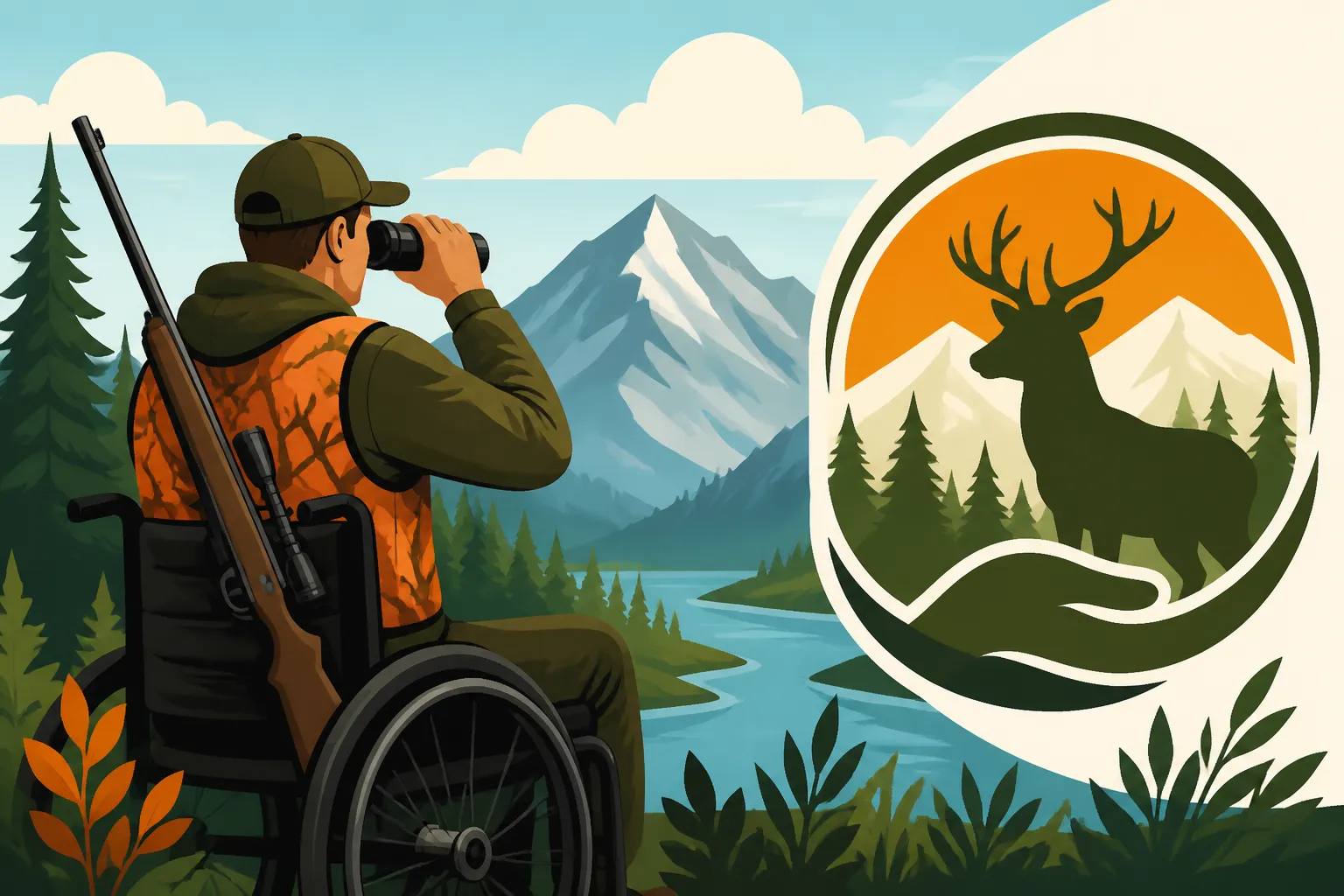
At its heart, the Disabled Hunter Permit is an accommodation, a way to level the playing field for hunters who face genuine, permanent physical limitations. It's specifically crafted for individuals whose mobility is so impaired that they would otherwise be severely restricted, or even completely prevented, from participating in hunting activities under the general regulations. Think of someone who relies on a wheelchair, or who can only walk very short distances with significant difficulty. The permit aims to bridge that gap, allowing them to adapt their hunting methods to their physical reality.
It's important to understand that this permit is strictly for permanent physical disabilities that impede mobility. It's not for temporary injuries, age-related slowness, or general fitness issues, no matter how frustrating those might be. The spirit of the program is inclusion for those with enduring challenges, ensuring they can still experience the thrill of the hunt, the solitude of the backcountry, and the satisfaction of providing for their families, just like any other hunter. The program reflects a commitment to keeping the hunting community vibrant and diverse, embracing all who share a respect for wildlife and the land.
Eligibility Requirements
So, who actually qualifies for one of these crucial permits? The key criterion is a permanent physical disability that significantly impairs your mobility for the purpose of hunting. This isn't a vague guideline; the application requires a medical practitioner, such as a doctor, to certify the nature and permanence of your condition. They'll need to confirm that your disability affects your ability to walk, stand, or move around in the hunting environment in a way that necessitates the accommodations provided by the permit.
Typical examples of qualifying conditions include, but aren't limited to, paralysis, severe neurological disorders affecting locomotion, significant loss of limb function, or conditions that require the use of a wheelchair, crutches, or other major mobility aids. The medical professional's assessment is absolutely critical in determining eligibility, as they are the ones who can speak to the clinical reality of your disability and its direct impact on your capacity to hunt according to standard rules. Without their certification, the application simply cannot proceed.
Navigating the Application Process for Your Permit
Applying for a Disabled Hunter Permit isn't overly complicated, but it does require attention to detail and ensuring all the necessary documentation is correctly completed. It’s not something you want to rush, especially given the importance of the medical certification. Taking the time to gather everything properly will save you headaches and delays down the line.
Required Documentation and Medical Certification
The cornerstone of your application will be the medical declaration form. This isn't just a simple checkbox; your doctor will need to provide a detailed explanation of your permanent physical disability, confirming its nature and how it directly and significantly impairs your mobility for hunting activities. They'll need to specify why you require the special accommodations the permit offers. This could include describing your reliance on mobility aids, the limited distances you can traverse on foot, or other pertinent information that clearly outlines the physical barriers you face.
In addition to the medical form, you'll need to complete the standard application form for the Disabled Hunter Permit. Ensure all your personal details are accurate and up to date, matching the information associated with your British Columbia Hunting Licences and Fees and your British Columbia's CORE Exam and FWID registration. Any discrepancies can flag your application for further review and potentially prolong the waiting period. It's a good practice to make copies of all submitted documents for your own records before sending them in.
Submitting Your Application and Awaiting Approval
Once you have both the completed application form and the thoroughly detailed medical certification from your doctor, you're ready to submit. The BC government generally provides options for submission, often including online portals or mailing in hard copies. Utilizing the online system, if available, can sometimes offer a quicker processing time and allows you to track the status of your application more easily. Always double-check the specific submission instructions provided by the province's fish and wildlife branch.
Processing times can vary depending on the volume of applications and the time of year, so it’s always wise to apply well in advance of when you plan to hunt, especially if it's for a specific season. Don't wait until August to apply for a September hunt. If there are any questions or if the provincial authorities require additional information or clarification regarding your medical condition, respond promptly and provide any requested details to keep your application moving forward. A bit of patience and proactive communication will go a long way in ensuring your permit is issued efficiently.
Special Allowances and Considerations for Disabled Hunters
The real benefit of a Disabled Hunter Permit lies in the specific allowances it grants, which address the mobility challenges faced by permit holders. These aren't blanket exemptions from all rules, but targeted modifications designed to enable participation while maintaining the integrity of hunting regulations and safety standards.
Vehicle Use and Access
One of the most significant provisions of the Disabled Hunter Permit is the permission to use a vehicle in ways that would otherwise be strictly prohibited for general open season hunters. This often includes the ability to discharge a firearm or bow from a stationary vehicle. Let's be very clear: this absolutely does not mean shooting from a moving vehicle or while driving on a public highway. The vehicle must be completely stopped, with the engine off, and the hunter must be in a safe, controlled position. This allowance is particularly vital for those who cannot easily dismount and move away from a vehicle to set up a shot.
Beyond shooting from a vehicle, the permit may also grant permission for off-road vehicle use in certain designated areas or for specific purposes, where general access is restricted. This can be a game-changer for accessing areas that would otherwise require extensive walking or climbing, such as beyond a deactivated logging road or deep within a British Columbia Wildlife Management Area. Hunters often face significant challenges finding open forest roads in British Columbia, and this permit can help open up access to terrain that might be completely out of reach otherwise. This enhanced access ensures that those with severe mobility issues can still reach productive hunting grounds, offering a much-needed lifeline to continue their passion. Just remember to always verify the specific conditions of your permit regarding vehicle use, as they can sometimes have particular clauses related to the type of vehicle or the specific location.
Companion Hunting and Assistance
Hunting is often a communal activity, and for disabled hunters, having a supportive companion can be absolutely essential. The Disabled Hunter Permit implicitly recognizes this by allowing companions to assist the permit holder in various crucial ways. While the permit holder must always be the one to take the shot and actively participate in the act of hunting, a companion can provide invaluable support with tasks like tracking game, retrieving a harvested animal, or even helping with the arduous process of field dressing, especially when faced with challenging terrain or a large animal like a moose.
This collaborative approach ensures safety and increases the likelihood of a successful and ethical hunt. For instance, if you're Hunting Mule Deer in British Columbia in steep country, having an able-bodied companion to help navigate and pack out can make all the difference. The companion acts as an extension of the disabled hunter's capabilities, facilitating the hunt without taking over the core responsibility of the permit holder. It's a true partnership, making the outdoor experience richer and safer for everyone involved.
Specific Regulations and Species Considerations
It's crucial to understand that while the Disabled Hunter Permit provides specific mobility-related accommodations, it does not exempt you from the vast majority of British Columbia's other hunting regulations. All rules pertaining to seasons, bag limits, compulsory reporting, and the types of legal firearms and bows still apply fully. For example, if you're pursuing Moose Hunting British Columbia's Interior, you still need the correct species licence and must adhere to the regional season dates and antler restrictions, regardless of your permit. The permit is about how you access and engage with the hunt, not what you can harvest or when.
This also means that ethical hunting practices remain paramount. The permit offers a privilege, and with that comes the responsibility to use it wisely and respectfully. Safety, animal welfare, and compliance with the law should always be your top priorities. The province's detailed regulations, including those for specific British Columbia's Management Units and Regions, are still your primary guide once you're in the field.
Making the Most of Your Disabled Hunter Permit
Having the permit is just the first step. To truly maximize your hunting success and enjoyment, thoughtful planning, appropriate equipment, and a strong commitment to safety are all essential. The permit gives you the tools; now it’s about using them effectively and responsibly.
Planning Your Hunt and Scouting
For any hunter, preparation is key, but for disabled hunters, it becomes even more critical. Pre-scouting using modern mapping tools can revolutionize how you approach your hunt. Platforms like GoHunt, along with provincial mapping resources, allow you to analyze terrain, identify potential access points, and pinpoint likely game habitat from the comfort of your home. You can look for accessible logging roads, flat benches, or areas with minimal elevation changes that would be suitable for vehicle-based hunting. Many hunters find tools like GoHunt indispensable for pre-scouting, allowing them to make informed decisions about where to focus their efforts.
Considering factors like distance from accessible roads, emergency access points, and potential weather challenges is vital. For example, if you’re Hunting a British Columbia Backroad in the Rain, understanding the road conditions beforehand can prevent you from getting stuck. With the detailed overlay maps available on platforms like GoHunt, you can pinpoint exactly where to try and where to avoid, saving valuable time and effort in the field. Remember, the better you plan, the smoother and safer your hunt will be.
Equipment and Safety Considerations
Adaptive equipment can significantly enhance your hunting experience. This might include specialized shooting rests that can be mounted in a vehicle, portable blinds that offer easy access, or even custom mobility devices designed for rugged terrain. It’s about tailoring your gear to your specific needs, allowing you to operate efficiently and safely. Always ensure any adaptive equipment you use complies with provincial hunting regulations.
Safety protocols need to be at the forefront of every hunt. When discharging a firearm from a vehicle, utmost care must be taken to ensure the bullet's trajectory is clear and that no one is in harm's way. Always communicate clearly with your hunting companions. Carrying a robust first-aid kit, knowing your exact location, and having reliable communication devices like a satellite messenger are non-negotiable, especially when venturing into remote areas. Having an Emergency Planning in British Columbia's Backcountry strategy is not just smart; it's essential for all hunters, but particularly so for those with mobility challenges. Familiarize yourself with how to use a Satellite Communication on a Remote Hunt device effectively.
The Ethical Hunter's Responsibility
Holding a Disabled Hunter Permit is a privilege that comes with significant responsibility. It’s a testament to the inclusive nature of the hunting community in British Columbia, and it’s up to each permit holder to uphold the highest standards of ethical conduct. This means always adhering to all regulations, ensuring clean and humane harvests, and respecting wildlife and the environment. Never abuse the accommodations granted by the permit; use them as intended to overcome mobility barriers, not to gain an unfair advantage or engage in practices that detract from the sport.
Your actions reflect not only on yourself but on the entire community of disabled hunters. By demonstrating respect, responsibility, and adherence to ethical principles, you contribute positively to the perception and future of these vital programs. Share your experiences, mentor new hunters, and be an ambassador for accessible and responsible hunting in British Columbia.
Disclaimer
Please note that hunting regulations, fees, and permit requirements can change. Always consult the most current British Columbia Hunting and Trapping Synopsis and official government websites for the latest and most accurate information before planning any hunting trip. This guide is for informational purposes only and does not supersede official regulations.