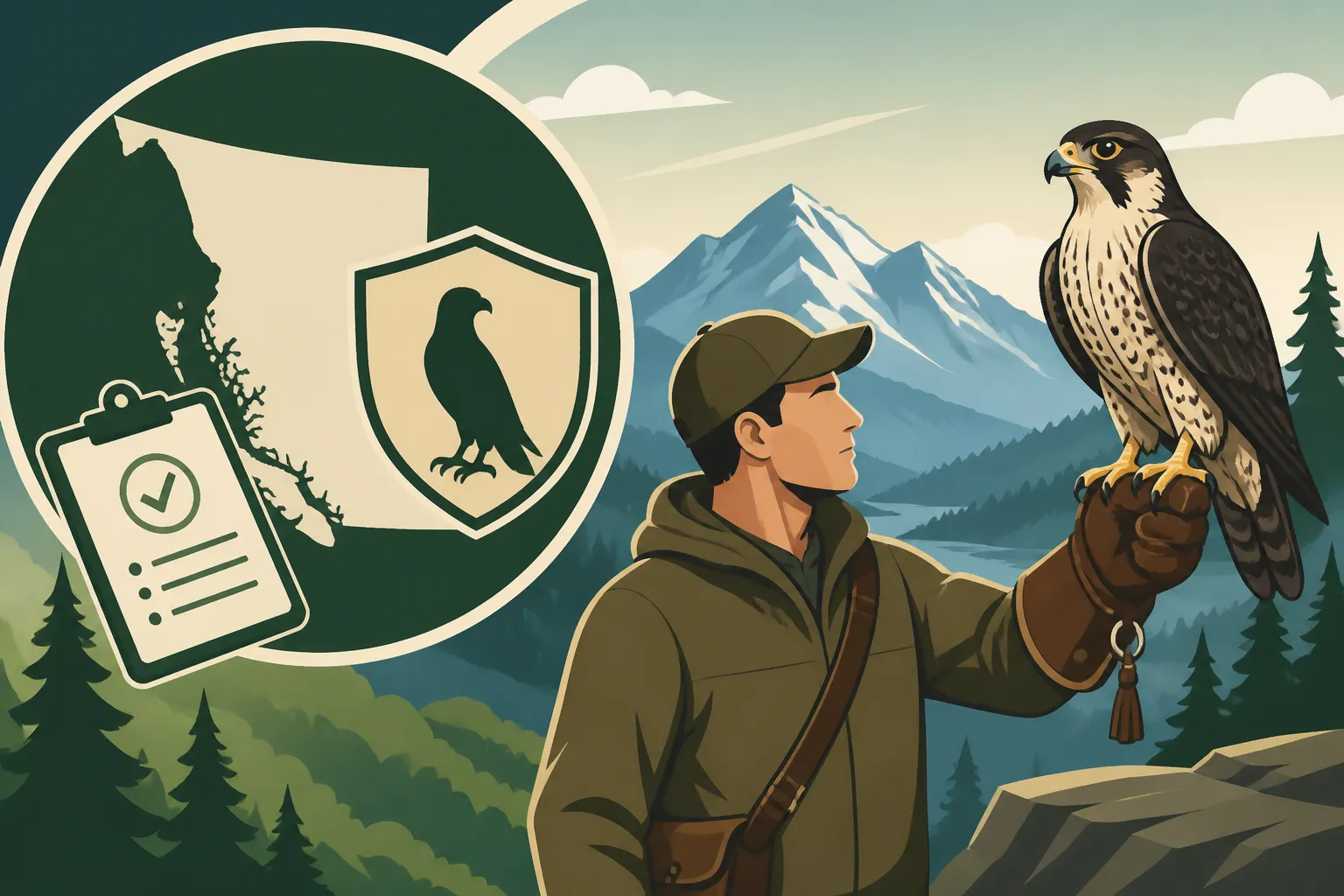
British Columbia Falconry Permit Rules
Navigating the specific legalities and ethical responsibilities of practicing falconry in British Columbia can feel like trying to find a needle in a haystack for many aspiring and even experienced raptor enthusiasts. It’s a niche within a niche, and the information isn't always laid out clearly. This guide will walk you through the precise permit rules and requirements, ensuring you understand exactly what it takes to ethically and legally practice falconry here in BC.
Understanding Falconry in British Columbia
Falconry isn't just a hobby; it's an ancient art form, a unique hunting method, and a profound partnership between human and raptor. It’s a commitment that requires significant dedication, knowledge, and adherence to stringent regulations designed to protect both the birds of prey and the wildlife they hunt. In British Columbia, the practice is tightly controlled to ensure sustainability and the welfare of these magnificent creatures.
The Tradition and Modern Practice
For centuries, falconry has been revered as the "sport of kings," a method of hunting small game and birds using trained raptors. Unlike many other forms of hunting, it involves a deep, almost symbiotic relationship with a bird of prey, a creature of immense power and instinct. In BC, modern falconry still holds true to these traditions, but it's grounded in contemporary wildlife management and conservation principles. This means that while the thrill of the hunt remains, it's balanced with a strong emphasis on responsible stewardship. You're not just a hunter; you're a caretaker, an educator, and a conservationist. The emotional investment in training and flying a raptor is immense, and the connection forged is truly special. It's a journey that combines biological understanding, patience, and incredible respect for the natural world.
Why Specific Permits Are Needed for Falconry
Given the sensitive nature of raptors and their role in the ecosystem, you can’t simply decide to pick up falconry and acquire a bird. These aren't pets; they are wild animals, and their handling and use for hunting are strictly regulated. The British Columbia government, through its Ministry of Forests, Lands, Natural Resource Operations and Rural Development (FLNRORD), issues special permits to ensure that only qualified individuals with appropriate facilities and knowledge are allowed to engage in falconry. These permits protect raptor populations from exploitation, ensure proper care for the birds in captivity, and uphold ethical hunting standards. Without these specific permits, any possession or hunting with a raptor is illegal and subject to severe penalties. It’s a system designed to safeguard both the individual birds and the broader conservation efforts in the province.
Obtaining a British Columbia Falconry Permit
Acquiring a falconry permit in British Columbia is a multi-step process that demands patience, significant preparation, and often, mentorship. It's not a quick application; it's a demonstration of your commitment and readiness to take on the responsibility of caring for and hunting with a raptor.
Eligibility and Experience Requirements
To even begin the application process, you must meet several key eligibility criteria. First and foremost, you need to be a resident of British Columbia. There are specific age requirements, generally meaning applicants must be at least 19 years old, though provisions may exist for younger individuals under strict supervision and specific apprentice permits. Crucially, you'll need to demonstrate a thorough understanding of raptor biology, husbandry, training, and the laws governing falconry. This often involves successfully completing a written examination.
Perhaps the most significant hurdle for new falconers is the requirement for sponsorship or mentorship. Aspiring falconers, known as apprentices, typically need to be sponsored by an experienced, licensed falconer who commits to guiding them through their initial years. This mentor ensures the apprentice gains practical, hands-on experience in all aspects of raptor care and hunting. This apprenticeship period is vital, as it provides invaluable practical knowledge that no book can fully convey, from understanding raptor behaviour to proper feeding, mews construction, and field techniques. It’s a deep dive into a very specific skill set, and having an experienced hand to guide you is paramount.
The Application Process
Once you meet the eligibility criteria and have secured a sponsor, the formal application process can begin. This usually involves submitting a detailed application form to FLNRORD, outlining your experience, your sponsor's details, and plans for your mews (raptor housing). You'll typically need to provide blueprints or descriptions of your proposed facilities to ensure they meet the minimum standards for safety, hygiene, and the well-being of the raptor.
The application often requires a fee, and a significant component is an inspection of your facilities by a provincial wildlife official. They will assess your mews, weathering yards, and equipment to ensure everything is up to code before a permit is issued. This inspection is not just a formality; it's a critical check to ensure your environment is suitable for housing a wild bird of prey. Documentation of your prior experience, exam results, and a letter of recommendation from your sponsor are all integral parts of this comprehensive application. It’s a rigorous process designed to weed out those who aren’t truly prepared for the commitment. For general hunting licenses, the process is much simpler, as detailed in our guide on British Columbia Hunting Licences and Fees.
Required Facilities and Equipment
Housing a raptor demands specific facilities and equipment, far beyond what a typical pet owner might consider. Your primary facility will be the "mews," an enclosure designed to safely house your raptor. These must be escape-proof, predator-proof, and provide adequate space, ventilation, and protection from the elements. The dimensions and construction materials are often specified in the regulations to ensure the bird's welfare. For example, walls must be smooth to prevent feather damage, and perches must be of appropriate size and material.
Beyond the mews, you’ll need a "weathering yard," an outdoor enclosure that allows the bird to get fresh air and sunlight while still being secure. Essential equipment includes scales for daily weighing (critical for managing a raptor's hunting weight), leashes (jesses), hoods, gloves, perches (both indoor and outdoor), and telemetry equipment for tracking your bird in the field. All this equipment must be specifically designed for falconry to ensure the safety and health of the bird. Understanding the nuances of these items is part of the extensive knowledge required, and your mentor will be invaluable in guiding your acquisitions.
Rules and Regulations for Practicing Falconry in British Columbia
Once you hold a valid falconry permit, the journey truly begins. However, the permit comes with a detailed set of rules and regulations that govern every aspect of your falconry practice, from the species of raptor you can possess to the game you can hunt.
Permitted Raptor Species and Acquisition
Not all raptor species are available for falconry in British Columbia. The regulations specify which species can be used, typically those that are native, relatively common, and have a proven track record in falconry. Common choices often include Red-tailed Hawks, Goshawks, Peregrine Falcons, and Great Horned Owls, but availability and specific rules can vary. Critically, you cannot simply buy a raptor from a breeder or capture one at will. Falconers are typically permitted to trap a limited number of wild, passage (young, migratory) raptors, or acquire captive-bred birds from licensed propagators.
The trapping of wild birds is highly regulated, requiring additional permits, specific trapping methods designed to minimize harm, and strict reporting. The intent is to acquire a bird for falconry, not to impact wild populations. Any acquired raptor must be reported and registered with FLNRORD, ensuring that all permitted birds are accounted for. This careful control ensures that only appropriate species are used and that their acquisition does not negatively affect wild populations. For those interested in the broader context of wildlife management, our guide on British Columbia's Species Licences and Tags provides further insight into how different animal populations are managed.
Hunting Seasons and Bag Limits with Raptors
Hunting with a raptor in British Columbia is subject to specific seasons, bag limits, and management unit restrictions, much like traditional firearm or archery hunting. However, these rules are tailored to the unique nature of falconry. Typically, falconry seasons might differ from general open seasons for the same game species, often being longer or falling at different times, to account for the effectiveness of raptors in varying conditions.
The types of game animals that can be hunted with raptors are generally restricted to upland game birds and small game mammals. Think rabbits, squirrels, pheasants, grouse, and certain ducks. Larger game, like deer or moose, are explicitly off-limits for falconry. You'll need to consult the current British Columbia Hunting and Trapping Synopsis and specific falconry regulations each year, as these can change. For example, while you might be pursuing upland birds, the rules for British Columbia Grouse Season and Limits or British Columbia Duck Season Dates still apply, sometimes with specific provisions for falconry. Furthermore, you must adhere to any regional or local restrictions, ensuring your hunt respects conservation zones, as detailed in our discussion of British Columbia Wildlife Management Area Rules. It's a precise framework designed to ensure fair chase and sustainable harvests.
Here's a simplified overview of typical game and season considerations, but always verify with the current regulations:
| Game Species (Typical) | General Open Season (Example) | Falconry Season (Example) | Bag Limit (Daily) (Example) | Notes |
|---|---|---|---|---|
| Upland Game Birds (Grouse, Pheasant) | Sept – Dec | Aug – Mar | 2-4 | Falconry seasons often start earlier and extend later for these species. |
| Small Game Mammals (Rabbits, Squirrels) | Year-round (specific areas) | Year-round (specific areas) | Varies | Check specific management unit rules; often more flexible for falconry. |
| Ducks & Geese (Waterfowl) | Sept – Jan | Sept – Jan | Varies (Federal Permit) | Requires Federal Migratory Game Bird Permit; non-toxic shot rules apply for waterfowl. |
Note: This table provides typical examples. Actual seasons and limits vary by region and management unit and change annually. Always consult the official British Columbia Hunting and Trapping Synopsis.
Ethical Considerations and Public Perception
Falconry carries a significant public profile, and maintaining a positive public image is crucial for its continued acceptance. Ethical considerations go beyond simply following the law; they encompass respect for the raptor, the quarry, and other members of the public. This means practicing humane trapping methods, ensuring the raptor is always in peak health and condition, and avoiding any actions that could be perceived as cruel or irresponsible. When hunting, falconers must be mindful of private land laws, respecting boundaries and always obtaining permission before accessing properties, as outlined in British Columbia Trespass and Private Land Law.
Moreover, falconers are often seen as ambassadors for both hunting and raptor conservation. Engaging with the public respectfully, educating them about falconry, and demonstrating responsible practices can go a long way in fostering understanding and support. Any negative incident can reflect poorly on the entire falconry community. Therefore, maintaining high ethical standards, ensuring the safety of your bird and the public, and promoting a positive image are not just recommended but essential for the future of this ancient sport. It’s a privilege to practice falconry in BC, and that privilege comes with immense responsibility.
Maintaining Your Permit and Future Considerations
Getting your falconry permit is a huge achievement, but it's just the beginning. Like any significant privilege, it comes with ongoing responsibilities to ensure you remain compliant with provincial regulations and continue to uphold the highest standards of care and ethical practice.
Renewal Process and Reporting Requirements
Your falconry permit in British Columbia is not a lifetime pass; it requires regular renewal, typically on an annual or biennial basis. This process ensures that the authorities can verify you are still actively engaged in falconry, your facilities remain up to standard, and your raptor is still accounted for and well-cared for. Alongside renewals, falconers are subject to strict reporting requirements. This usually includes submitting annual reports detailing your falconry activities, such as the species of raptor held, any changes in possession, the number of successful hunts, and the general health and condition of your bird.
These reports are vital for wildlife management agencies to monitor raptor populations and the impact of falconry. Missing renewal deadlines or failing to submit accurate reports can lead to the suspension or revocation of your permit. It’s imperative to keep meticulous records of your bird's health, weight, training logs, and hunting outings. Remember, just like with a British Columbia Resident Hunting Licence Cost, these permits require ongoing administrative attention. Staying organized and proactive in your compliance is key to a long and successful falconry journey.
Challenges and Support for BC Falconers
Practicing falconry in British Columbia presents its unique set of challenges, from finding suitable hunting grounds to navigating complex regulations. British Columbia’s diverse landscape offers incredible opportunities, but also means varied local rules and conditions. One of the biggest challenges for many falconers, especially those new to the province, is finding access to areas with abundant small game that are also permissible for falconry. While platforms like GoHunt can help identify potential hunting areas and understand regional specifics, local knowledge and networking within the falconry community are often invaluable.
Support for falconers often comes through provincial or national falconry associations, such as the British Columbia Falconry Association (BCFA). These organizations play a crucial role in advocating for falconers, providing educational resources, organizing workshops, and fostering a strong community. They can be invaluable for connecting with mentors, sharing knowledge, and staying informed about regulatory changes. Being part of such a community offers not just practical advice, but also camaraderie and shared passion for this unique pursuit. Whether it's advice on Hunting British Columbia's Game Birds and Waterfowl or understanding the intricate details of raptor health, these groups are a lifeline.
Falconry and Conservation: A Deeper Connection
Beyond the thrill of the hunt, falconry often fosters a deep commitment to conservation. Many falconers are actively involved in raptor rehabilitation, breeding programs for endangered species, or educational outreach. Their intimate knowledge of raptor biology and behaviour makes them uniquely positioned to contribute to scientific research and public education. The discipline required for falconry naturally instills a profound respect for wildlife and habitat, underscoring the interconnectedness of all living things.
As a falconer, you become an unofficial sentinel for the local environment, noticing changes in game populations, habitat quality, and raptor health. This connection transcends mere sport, becoming a way of life that directly supports the broader goals of wildlife conservation in British Columbia. The skills learned and the observations made in the field contribute directly to the understanding and protection of British Columbia's magnificent birds of prey, aligning perfectly with the spirit of the Wildlife Habitat Conservation Stamp that all hunters contribute to.
Disclaimer
Please remember that hunting regulations, including those pertaining to falconry permits, can change frequently. While every effort has been made to provide accurate and up-to-date information, this guide is for informational purposes only. Always consult the most current British Columbia Hunting and Trapping Synopsis, published by the provincial government, or contact the Ministry of Forests, Lands, Natural Resource Operations and Rural Development (FLNRORD) directly for the definitive and legally binding rules and requirements before engaging in any falconry activities.