Taking Meat Across the Border
You’ve finally done it. After weeks, months, or even years of planning, scouting, and enduring the elements, you’ve successfully harvested an animal in the stunning wilderness of British Columbia. The sheer joy and satisfaction are immense, but as the adrenaline fades, a new set of questions often arises: how do I get this incredible bounty of game meat back home, especially if "home" is across the U.S. border? The thought of navigating complex customs regulations can feel daunting, threatening to overshadow the triumph of your hunt. This comprehensive guide is here to demystify the process, offering clear, step-by-step advice to ensure your hard-earned meat makes it safely and legally to your freezer.
Understanding the Rules and Regulations for Exporting Game Meat from British Columbia
Bringing game meat out of British Columbia and into another country, particularly the United States, isn't as simple as just tossing it in a cooler. There are specific rules and documentation requirements that you absolutely must adhere to on the Canadian side before you even think about crossing the border. Ignoring these can lead to significant headaches, delays, or even the confiscation of your prized harvest.
Canadian Export Regulations and Necessary Documentation
First and foremost, you need to understand that exporting game meat from Canada is governed by various provincial and federal laws. For British Columbia, you must be able to prove that the animal was legally harvested. This means having all your Ducks Unlimited Canada and BC Wildlife Federation British Columbia Hunting Licences and Fees in order, including your basic hunting licence and the specific species tag for the animal you harvested. This isn't just about showing a piece of paper; it's about having valid proof for every pound of meat.
Beyond your licenses, the process involves proper harvest reporting. In British Columbia, there are British Columbia's Compulsory Reporting Rules for many big game species. You need to report your harvest within 30 days of taking the animal or by specific deadlines, depending on the species and region. While you might complete this online after your trip, having a record of this reporting or a clear plan to do so is part of demonstrating legal compliance. Always ensure you understand What Information a Harvest Report Needs before you begin the reporting process, as this detail can be critical for documentation.
You will also need to declare the meat at Canadian Customs. While most of the stringent inspection occurs on the U.S. side, Canadian officials need to know what you are exporting. They will verify your hunting licenses and tags. Think of this as the first checkpoint in a two-part inspection system. Having all your paperwork organized and easily accessible will make this step smooth. Many seasoned hunters utilize digital copies on their phones as backup, but always carry physical copies as well; technology can fail in the backcountry.
Processing Your Game for Cross-Border Travel
The condition of your meat is paramount. Simply throwing unbutchered quarters into a cooler won't cut it. For most U.S. border crossings, particularly from Canada, the meat needs to be processed to a certain standard. This typically means it must be boneless, or at the very least, deboned down to the major skeletal structures for ease of inspection and to reduce the risk of carrying certain diseases.
For instance, importing deer, elk, or moose meat from British Columbia into the U.S. often requires the removal of the brain, spinal cord, eyes, tonsils, and any other central nervous system tissue, due to concerns about Chronic Wasting Disease (CWD), even though BC does not currently have CWD. While BC actively monitors for CWD with its British Columbia's CWD Surveillance Program, these precautions are still standard on the U.S. side. This is why many hunters opt for a professional butcher to process their animal, obtaining a certificate of processing that details the cuts and validates that all specified tissues have been removed. This professional touch can save you immense trouble at the border.
Furthermore, proper care in the field and during transport is non-negotiable. If you're hunting in early September, like for Bowhunting British Columbia's September Seasons, temperatures can still be quite warm. You absolutely must prioritize Meat Care in British Columbia's Warm Early Seasons and ensure Keeping Meat Cool in an Early Season. This means prompt field dressing, quartering, and getting the meat on ice or in a refrigerated unit as quickly as possible. Spoiled meat won't be allowed across, regardless of your paperwork, and can even lead to accusations of Rules on Wasting Game Meat, which carries legal consequences.
Evidence of Sex Requirements
One often overlooked but critical detail is the "evidence of sex" requirement. Many hunting regulations, both in British Columbia and for cross-border transport, require you to maintain evidence of the animal's sex until the meat is processed or consumed. This is particularly important for species where sex-specific regulations apply, such as antler restrictions for deer or limited entry opportunities for bulls.
For deer, elk, and moose, this typically means leaving a portion of the head (antlers or pedicles for males) or sex organs attached to a quarter of the meat, or having a photograph that clearly shows the sex and species, along with your tag. Always double-check the current British Columbia's Two-Year Regulations Synopsis for specific rules regarding Evidence of Sex Requirements for your species and region. This simple step provides crucial verification for wildlife officials and border agents alike, confirming that you legally harvested the specific type of animal allowed by your tag.
Failing to provide adequate evidence of sex can raise red flags and lead to further scrutiny, delays, or even refusal of entry, especially if there's any ambiguity about the species or legality of the harvest. It’s a small detail that can have big implications. If you're using a professional butcher, ensure they understand this requirement and can provide the necessary documentation or cuts that preserve this evidence until you've crossed the border.
Navigating U.S. Customs and Border Protection Requirements
Once you've cleared the Canadian side, the next hurdle is U.S. Customs and Border Protection (CBP) and the U.S. Department of Agriculture (USDA). They have their own set of rules, designed primarily to prevent the introduction of foreign animal diseases into the United States. It's vital to remember that a successful exit from Canada doesn't automatically guarantee entry into the U.S.
USDA and CBP Inspection Protocols
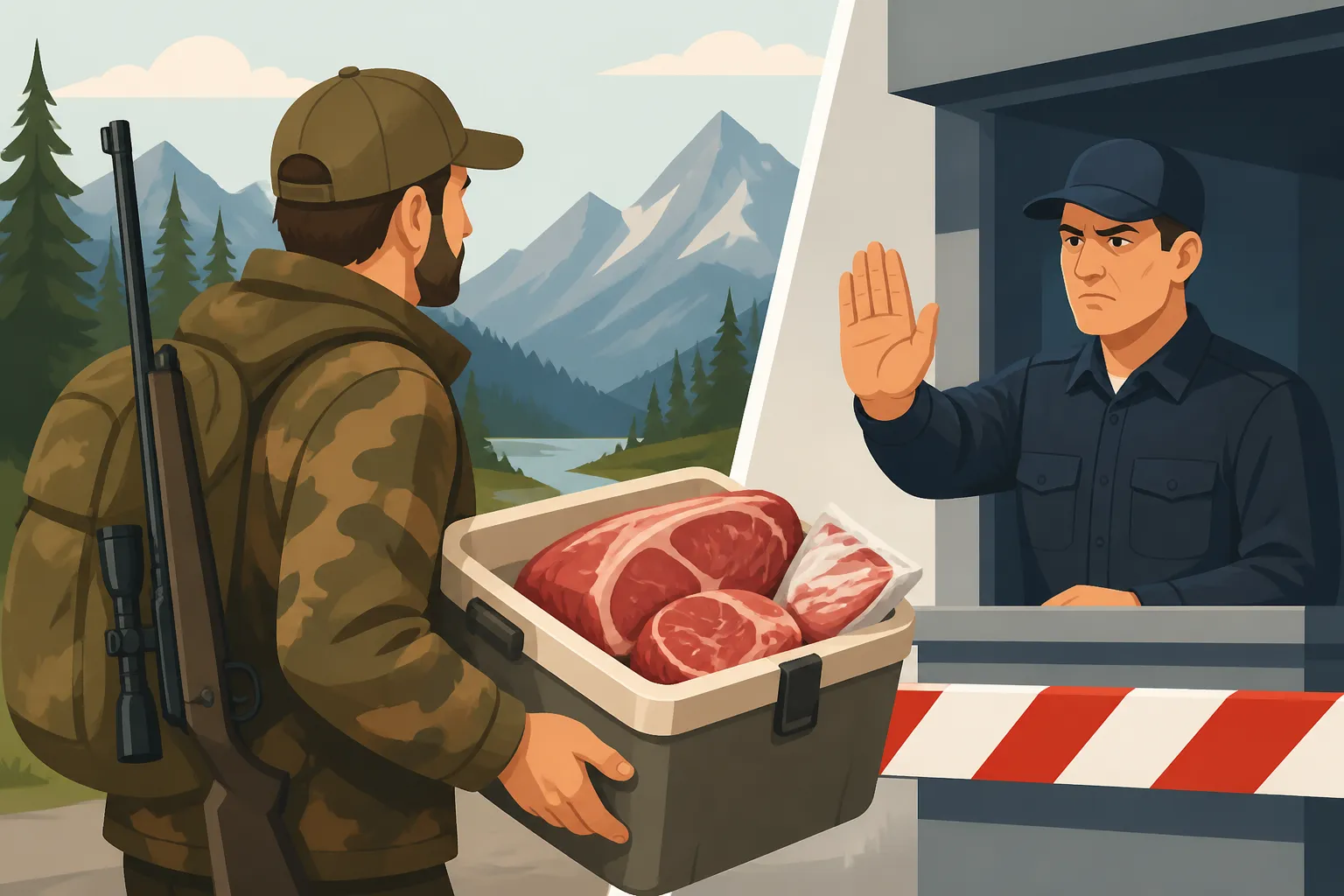
Upon arrival at a U.S. port of entry, you must always declare any game meat you are bringing across. Failure to declare can result in significant fines and penalties, not to mention the confiscation of your vehicle and meat. Be prepared for a thorough inspection by a CBP officer, and potentially a USDA inspector if one is on duty or called to the scene. They will want to see your Canadian hunting licenses, tags, and any processing certificates you have.
The primary concern for USDA is animal health. They are looking for signs of disease and ensuring that the meat has been handled and processed in a manner that minimizes risk. This often translates to rules about the removal of certain tissues, as mentioned earlier, and strict packaging requirements. For instance, any meat that still has bone attached, or any remaining nervous system tissue, is a prime target for additional scrutiny or outright refusal. This is why having boneless cuts is generally the safest bet. They may also ask about the specific location of the harvest in British Columbia. Resources like GoHunt can sometimes provide detailed management unit maps and historical data that might be helpful for officials to verify harvest locations if they have questions.
Expect questions about how the animal was stored, the temperature, and the method of preservation. If your coolers are leaking, or the meat appears anything less than perfectly chilled and clean, you'll face an uphill battle. Presentation matters a great deal; clean, well-packaged meat reflects responsible hunting and proper care.
Specific Rules for Different Species
While the general rule of boneless, clean meat applies broadly, there can be species-specific nuances. For example, some parts of game animals, like antlers, capes, or skulls, might have different import requirements than the meat itself. If you're bringing back a trophy, ensure you understand the rules for importing animal parts, which might involve taxidermy forms or additional permits.
For waterfowl and upland game birds, different rules might apply regarding cleaning and feathering. Typically, a certain amount of plumage must remain on migratory game birds to allow for species identification. For red meat, such as deer, elk, or moose, the boneless rule is most critical. If you're attempting to bring in bear meat, ensure it's fully cooked or has undergone specific processing, as some jurisdictions have concerns about trichinosis. Always consult the official CBP and USDA websites or call their agricultural information lines for the most up-to-date and specific regulations for the species you intend to import. Using tools like GoHunt to research the local regulations in BC and anticipate US import rules for specific species can save a lot of last-minute stress.
Here’s a simplified breakdown of common requirements:
| Item Type | Canadian Export Requirements | U.S. Import Requirements (CBP/USDA) |
|---|---|---|
| Hunting License | Valid BC Resident/Non-Resident Hunting License | Proof of valid license from origin province (BC) |
| Species Tag | Valid species tag for the harvested animal, properly validated | Valid species tag, matching harvested animal |
| Harvest Report | Completed or plan to complete British Columbia's Compulsory Reporting Rules | May be requested as proof of legal harvest |
| Meat Condition | Clean, cooled, and fit for human consumption | Boneless, unless otherwise specified for specific cuts/species; free of brain/spinal tissue |
| Evidence of Sex | Specific portions (e.g., antler, testicle) or photo evidence | May be required depending on species/jurisdiction to verify legal harvest |
| Packaging | Secure, leak-proof containers | Commercial-grade, leak-proof, clearly labeled packaging preferred |
| Professional Processing Cert. | Recommended for complex cuts or large animals | Highly recommended, especially for bone-in products or if CWD concerns are present |
| Firearms | Must follow Canadian export rules for firearms | The Non-Resident Firearm Declaration required for U.S. entry |
Note: This table is a general guide. Always consult official government sources (CFIA, CBP, USDA, BC Fish and Wildlife) for the most current and specific regulations before travel.
Prohibited Items and Common Pitfalls
Beyond the specific processing requirements, certain items are strictly prohibited. While not always meat-related, it's worth noting that fresh fruits, vegetables, and certain plant materials can also be restricted due to pest and disease concerns. Don't try to bring back a sack of British Columbia apples or a bag of wild mushrooms unless you've confirmed they are allowed.
Common pitfalls for hunters include:
- Inadequate Documentation: Missing a tag, having an expired license, or forgetting to complete compulsory reporting can be a deal-breaker.
- Improperly Processed Meat: Attempting to cross with bone-in deer or moose meat, or meat that still contains lymph nodes or nervous system tissue, is a major red flag.
- Poor Meat Handling: Meat that is warm, starting to spoil, or leaking blood from its packaging will not be permitted. This underscores the importance of proper Meat Care in British Columbia's Warm Early Seasons and ensuring your coolers are up to the task.
- Failure to Declare: This is arguably the biggest mistake. Even if you're unsure if something is allowed, declare it. Border agents appreciate honesty and transparency far more than finding undeclared items.
- Lack of Patience: Border crossings can be busy, and inspections take time. Trying to rush or becoming agitated with border officials will only make things worse.
Practical Tips for Transporting Your Harvest
Getting your game meat across the border successfully requires meticulous planning, both in the field and for the journey home. Don't underestimate the logistical challenges, especially if you’ve harvested a large animal like a moose, which can yield hundreds of pounds of meat. The effort you put into preparation will directly impact your success at the border.
Proper Packaging and Storage for the Journey
Once your animal is harvested and field dressed—and if you're Field Dressing in British Columbia's Wet Weather on the coast, you know how challenging that can be—the focus shifts to packaging and storage. For cross-border travel, robust, leak-proof coolers are your best friend. Invest in quality coolers that can hold ice for extended periods, especially if you have a long drive ahead. Packing meat in vacuum-sealed bags within your coolers offers an extra layer of protection, preventing contamination and freezer burn.
Ensure all packages are clearly labeled with the species and date of harvest. This small detail can be incredibly helpful for border agents during inspection. If you're bringing back multiple species or cuts, separate them and label them accordingly. Dry ice can be an excellent option for long hauls, as it keeps meat frozen solid without creating meltwater, but be aware of proper ventilation requirements when using it in a vehicle. You can often find information on hunting forums or resources like GoHunt regarding best practices for transport from BC specific regions, which often include advice on local ice suppliers or butchers that cater to hunters.
The quantity of meat also matters. While there isn't a strict "limit" on the amount of legally harvested game meat you can bring, common sense prevails. An amount that seems reasonable for personal consumption is less likely to raise questions than an excessive volume that might suggest commercial intent. Always confirm that all parts of your animal have been properly cared for; remember the Rules on Wasting Game Meat apply throughout the process, ensuring no edible portions are left to spoil.
Planning Your Route and Border Crossing Point
Your chosen border crossing can make a difference. Some smaller ports of entry might have fewer staff or less experience with game meat inspections, potentially leading to longer waits or more confusion. Larger, busier crossings like Blaine (Peace Arch), Sumas, or Osoyoos in Washington, or Coutts in Alberta, are often better equipped and more accustomed to handling game meat, though they can also have longer lines. Researching border wait times and specific port requirements through official government websites before you travel is highly advisable.
Consider the time of day you plan to cross. Early mornings or late evenings might offer shorter wait times. Avoid peak holiday periods if possible. Having your The Non-Resident Firearm Declaration form ready and knowing the process for Bringing Firearms Into British Columbia will also streamline your journey, as many hunters combine meat transport with firearm transport. Remember, transparency and preparation are key.
Also, think about your vehicle. Is it suitable for carrying a significant amount of weight? A successful hunt might mean hundreds of pounds of meat, especially if you're bringing out an entire bull moose or a couple of deer. This can affect fuel economy and handling. For large animals, having a dedicated game hauler or a truck with a cap and a well-secured cooler setup is ideal. For those adventurous backcountry hunts that require Getting a Moose Out on a British Columbia River or using a Packing Meat With a Frame Pack, you'll appreciate any ease on the final leg of the journey.
Dealing with Unexpected Delays
Despite all your careful planning, delays can happen. Weather, unexpected road closures (especially common on forest service roads in British Columbia), or simply heavy traffic at the border can add hours to your trip. This is where your diligent meat care really pays off. If you’ve packed your coolers with enough ice or dry ice, a few extra hours shouldn't compromise the quality of your meat.
Have a contingency plan for communication. While cell service is spotty in many parts of British Columbia, especially in remote hunting areas, having a satellite messenger or an emergency radio can be invaluable. This allows you to check road conditions or alert family to your status. Keep enough fuel in your vehicle for unexpected detours or idling at the border. And most importantly, remain calm and polite with border officials. Their job is to ensure safety and compliance, and a cooperative attitude will always serve you better than frustration. Remember, you're representing the hunting community, and showing respect for the process is crucial.
Ultimately, bringing your hard-won British Columbia game meat across the border is entirely achievable with careful preparation and attention to detail. It's the final, crucial step in honouring your harvest and ensuring that the memories of your incredible hunting adventure can be savored long after you've returned home.
Disclaimer
Please remember that hunting regulations, export/import laws, and border crossing requirements are subject to change. This guide provides general information based on current knowledge and common practices. It is your personal responsibility to verify all current regulations with the relevant authorities (e.g., British Columbia Fish and Wildlife, Canadian Border Services Agency, U.S. Customs and Border Protection, U.S. Department of Agriculture) before planning your hunt and attempting to transport game meat across international borders. Failure to comply with all laws can result in fines, penalties, and confiscation of your harvest.