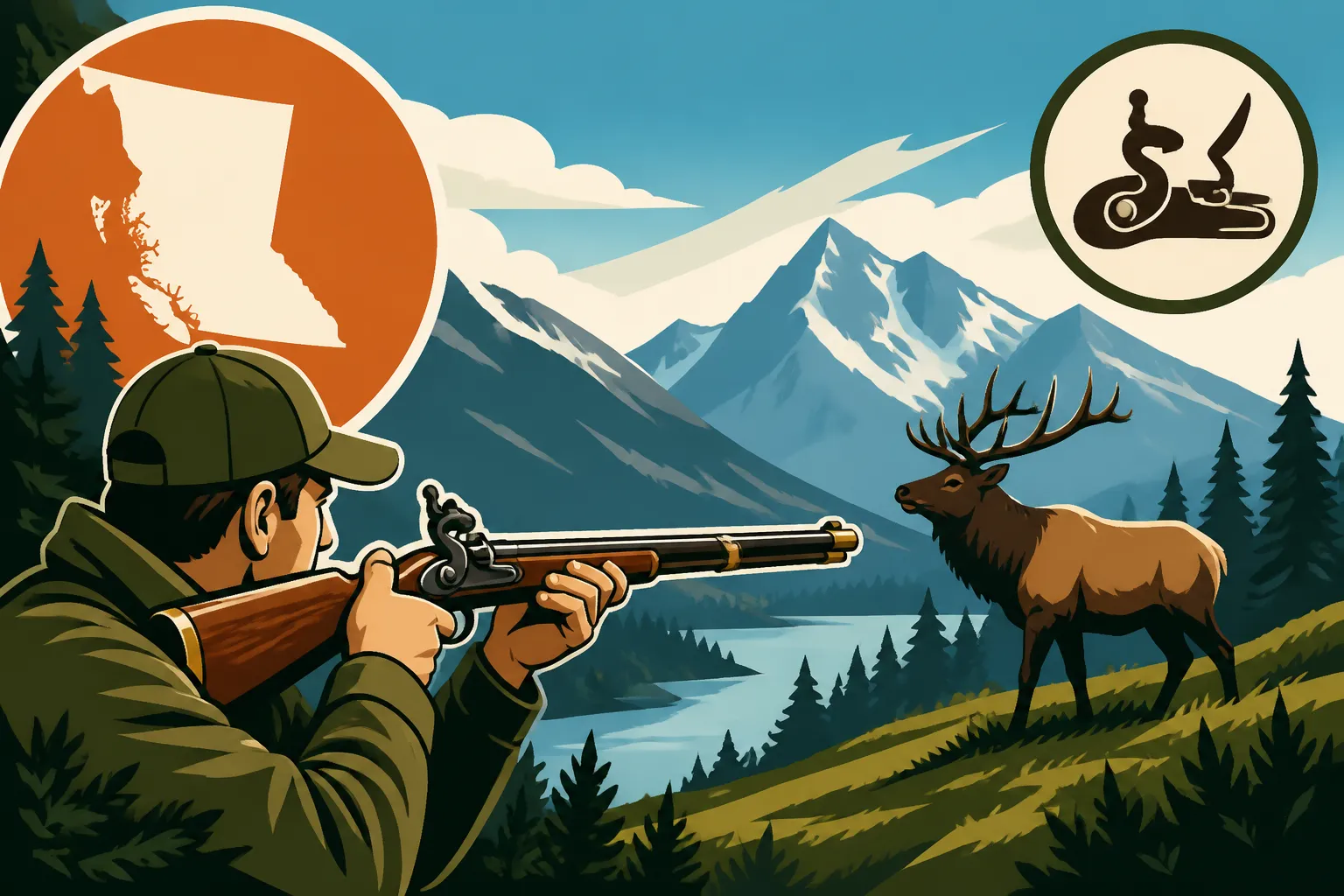
Muzzleloader Rules for Big Game
It can be incredibly frustrating trying to decipher the specific rules for using a muzzleloader for big game hunting in British Columbia. The regulations can seem like a dense puzzle, leaving many hunters scratching their heads about everything from legal calibers to season dates. This comprehensive guide aims to clear up that confusion, offering a realistic and detailed look at what you need to know to hunt successfully and legally with a muzzleloader in BC.
Understanding British Columbia's Hunting Regulations for Muzzleloaders
British Columbia offers a unique and often challenging hunting landscape, and that includes the specific rules governing muzzleloaders. Many hunters are drawn to muzzleloader hunting for the extended seasons, the traditional feel, or simply the added challenge it presents. However, unlike modern firearms, muzzleloaders come with their own distinct set of regulations that are crucial to understand before you even think about heading into the field. These aren't just suggestions; they are the law, and failing to adhere to them can lead to serious consequences, including fines and loss of hunting privileges.
The Specifics of Muzzleloader Regulations
The BC Hunting and Trapping Synopsis, updated every two years, is your go-to resource for all regulations, and it details what constitutes a legal muzzleloader for big game. It's not enough to simply own a muzzleloader; you need to understand its components and how they fit into the regulatory framework. These rules cover everything from the minimum projectile diameter and weight to whether you can use a scope or not. It’s a common misconception that if it's a muzzleloader, it's automatically legal for a muzzleloader season. However, there are nuances that separate modern inline muzzleloaders from more traditional percussion or flintlock designs in terms of what's permitted during specific seasons. For instance, some regulations specify that it must be charged with black powder or an approved substitute, and that saboted bullets might be restricted in certain contexts. Always remember to consult the official British Columbia's Two-Year Regulations Synopsis before planning your hunt, as details can shift slightly between cycles.
Why Muzzleloader Seasons Exist
The primary reason British Columbia has dedicated muzzleloader seasons, often overlapping with or preceding general rifle seasons, is to provide additional hunting opportunities while managing wildlife populations. These seasons are a way to extend hunting pressure without overharvesting, and they do so by limiting the effectiveness (and range) of the weapon. Muzzleloaders, by their nature, are generally less powerful and have a shorter effective range than modern centerfire rifles. This implicitly means hunters are often required to be more skilled in tracking, stalking, and close-range shot placement. They promote a more traditional, close-quarters hunting experience. These specialized seasons also help spread out hunters, reducing pressure during peak rifle seasons and potentially increasing the quality of the hunting experience for all. Sometimes, these seasons can offer hunters access to areas or species that might be harder to draw or access during general open seasons.
Key Muzzleloader Requirements for Big Game in BC
When you decide to hunt big game with a muzzleloader in British Columbia, it's absolutely vital to know the specific legal requirements for your chosen firearm. This isn't just about preventing a violation; it's about ensuring an ethical and effective harvest. Using an underpowered or non-compliant setup could result in a wounded animal, which is every hunter's worst nightmare.
Minimum Caliber and Projectile Weight
British Columbia has clear standards for what constitutes a legal muzzleloader for big game. For deer, elk, moose, sheep, goats, and bears, the minimum bore diameter is generally specified. Historically, this has been .45 caliber, and your projectile needs to meet a minimum weight requirement. For instance, a .45 caliber rifle must typically fire a projectile that weighs at least 250 grains. If you're using a .50 caliber, the projectile weight requirements will be different, often starting around 300 grains. This is to ensure sufficient kinetic energy and penetration for a quick, humane kill on larger animals. Many hunters opt for .50 caliber muzzleloaders as they offer a bit more flexibility with projectile choices and often meet the energy requirements more easily. Forget about those smaller calibers you might use for varmints; they won't cut it for BC's big game. Using a platform like GoHunt can help you visualize management units where these regulations apply, making your planning much more efficient.
Powder Types and Loading Methods
The regulations also specify the type of propellant you can use. Generally, true black powder or an approved synthetic substitute like Pyrodex or Triple Seven is required. Smokeless powder, which is common in modern cartridges, is strictly prohibited in most muzzleloaders designed for black powder, and often explicitly forbidden during muzzleloader seasons. This isn't just a regulatory quirk; it's a safety issue, as these firearms are not designed to handle the pressures generated by smokeless powder. The loading method is also key: the firearm must be loaded from the muzzle. This means no breech-loading systems, even if they use black powder, unless explicitly stated as legal for specific circumstances. It's about maintaining the traditional spirit of muzzleloading and ensuring a level playing field among hunters participating in these specialized seasons.
Sights and Scopes
This is an area that often causes confusion. Many modern inline muzzleloaders come drilled and tapped for scopes, and some even come with them pre-mounted. However, during dedicated muzzleloader seasons in British Columbia, the use of telescopic sights is typically prohibited. You'll likely be restricted to open sights, peep sights, or fiber optic sights. This regulation again leans into the traditional aspect of muzzleloader hunting, increasing the challenge and emphasizing close-range proficiency. It forces hunters to become more adept at estimating distance and making precise shots without magnification, which is a fantastic skill to develop. Always double-check the current synopsis, as these rules can sometimes be subject to minor adjustments or specific exceptions for certain areas or tags, though generally, it's open sights only. If you're used to hunting with a scope, practicing with open sights well before the season is absolutely critical to build confidence and accuracy.
Navigating Muzzleloader Seasons and Opportunities
Understanding when and where you can hunt with your muzzleloader is just as important as knowing what constitutes a legal firearm. British Columbia's hunting landscape is divided into Management Units and Regions, each with its own specific season dates and rules. You can't just assume a muzzleloader season exists for every species in every area.
General Open Seasons Versus Muzzleloader-Specific Seasons
British Columbia's hunting regulations outline two main types of seasons relevant to muzzleloaders: General Open Seasons (GOS) and specific Muzzleloader-Only Seasons. During a GOS, you are typically allowed to use any legal firearm, including a muzzleloader, as long as it meets the general big game requirements for the species you are pursuing, and you are adhering to the rules like Legal Rifle Calibres for Big Game. However, the real draw for muzzleloader enthusiasts lies in the muzzleloader-specific seasons. These are periods, often in early fall or late winter, when only muzzleloaders are permitted to be used for certain species in designated Management Units. These seasons are designed to offer a unique hunting opportunity, often before or after the main rifle seasons, and are usually unpressured. This can give you a significant advantage, as game might be less wary. Always refer to the British Columbia Big Game Season Dates for your chosen region and species, making sure to specifically check for muzzleloader-only provisions.
Species-Specific Rules
While the general muzzleloader rules regarding caliber and loading apply across big game, there might be species-specific nuances. For instance, a .45 caliber muzzleloader might be perfectly legal for mule deer, but some hunters might choose a .50 caliber for larger animals like moose or elk, simply for the added energy and ethical assurance. You'll also find that not all species have dedicated muzzleloader seasons. Deer (both mule deer and black-tailed deer), elk, and black bears are common targets during muzzleloader seasons. For more specialized species like mountain goat or sheep, muzzleloader-only seasons are less common and often tied to British Columbia's Limited Entry Hunting Draws, meaning you'd need to be successful in the lottery system to get a tag. Even then, the weapon restrictions would apply. Always confirm the specific species you intend to hunt and cross-reference with the muzzleloader regulations in the synopsis.
Using the Synopsis and Online Tools
The British Columbia Hunting and Trapping Synopsis is your bible for all hunting regulations. It breaks down seasons by region and Management Unit, clearly indicating any muzzleloader-specific rules. Don't just skim it; read it thoroughly, paying close attention to the footnotes and special conditions. Many experienced hunters find it incredibly helpful to use online mapping tools, like those offered by GoHunt, in conjunction with the synopsis. These platforms can overlay Management Unit boundaries onto topographical maps, helping you visualize terrain, access points, and potential hunting spots that fall within designated muzzleloader zones. You can also research specific British Columbia's Management Units and Regions to understand the landscape and local regulations better. These tools are invaluable for planning your trip, identifying where muzzleloader opportunities exist, and understanding the terrain before you ever set foot in the field.
Practical Considerations for Muzzleloader Hunters
Beyond the regulations, there are a host of practical considerations that muzzleloader hunters in British Columbia need to master. This isn't just about loading powder and a bullet; it's about preparedness, safety, and ethical hunting in often challenging conditions.
Maintenance and Field Care
Muzzleloaders, especially those using black powder, require meticulous cleaning and maintenance. Black powder is corrosive, and neglecting your firearm after a day in the field, especially in BC's often damp climate, can lead to serious rust and damage. A thorough cleaning regimen immediately after shooting, or at the very least, a good scrub down at the end of each hunting day, is non-negotiable. This means carrying cleaning supplies with you, even in the backcountry. Think about a cleaning rod, patches, solvents designed for black powder, and bore butter or oil. In the field, a quick swab between shots can maintain accuracy. Furthermore, protecting your muzzleloader from the elements is crucial. A good gun sleeve or waterproof cover will shield it from the rain and snow that are common during many BC hunting seasons. If you're planning a multi-day trip, especially for something like Elk Hunting in British Columbia, understanding how to keep your powder dry and your firearm functioning reliably in adverse weather is paramount.
Loading and Unloading Safely
Safety is always the top priority in hunting, and muzzleloaders demand extra attention during loading and unloading. When loading, always ensure you're using the correct powder charge and projectile. Double-charging or using the wrong powder can be catastrophic. Use a powder measure, not just guesswork. After seating your projectile, ensure it's firmly against the powder charge to avoid dangerous air gaps. In the field, always treat your muzzleloader as if it's loaded, even if you think it's not. Unloading can be done by firing the weapon safely into a backstop or, if that's not possible, by carefully removing the breech plug (on an inline) or using a CO2 discharge tool. Never force a stuck projectile or try to "tap" it out, as this can be extremely dangerous. Understanding these procedures is part of becoming a responsible hunter, and often covered in courses like those required to get your British Columbia's CORE Exam and FWID.
Ethical Shot Placement
Given the nature of muzzleloaders – their shorter effective range and often single-shot capacity – ethical shot placement becomes even more critical. You don't have the luxury of a quick follow-up shot like with a modern repeater. This means hunters need to be exceptionally proficient with their weapon, understanding its ballistic capabilities and limitations. Practice at varying ranges, not just at 50 yards, to truly know your holdovers and trajectory. Understand vital anatomy for the species you're hunting. For deer, elk, or moose, aim for the lung-heart area to ensure a quick, humane kill. Resist the urge to take marginal shots, especially at longer distances or through heavy brush. Patience is a muzzleloader hunter's greatest virtue. If the shot isn't perfect, wait for a better opportunity. If you do make a shot and the animal doesn't drop immediately, know how to track effectively. This commitment to ethical hunting is a hallmark of the muzzleloader community.
Preparing for Your Muzzleloader Hunt in BC
Successfully hunting with a muzzleloader in British Columbia requires preparation that goes beyond just sighting in your rifle. It involves understanding the environment, the specific challenges of the weapon, and having the right gear.
Gear Essentials for the Muzzleloader Hunter
Beyond your muzzleloader itself, you'll need specific gear to make your hunt successful and safe. This includes a reliable powder flask or speed loaders pre-measured with your charge, extra percussion caps or flints, and cleaning supplies as mentioned. A good quality ramrod is critical – many factory rods are flimsy. Consider a sturdy aftermarket ramrod, perhaps even a sectional one for backpacking. Optics, even without a scope on your rifle, are vital. A good pair of binoculars, like a 10×42, will help you spot game at a distance and assess shot opportunities, especially if you're Glassing an Interior Hillside for Mule Deer. A rangefinder is also invaluable, as accurately judging distance without a scope is tough, and crucial for ensuring your shot is within your effective range. Don't forget a sturdy pack, appropriate clothing for BC's variable weather – especially if you're dealing with Hunting in British Columbia's Coastal Rain – and robust hiking boots.
Training and Practice
You simply cannot overstate the importance of practice with your muzzleloader. It's a different beast than a modern rifle. Spend significant time at the range, not just shooting from a bench, but practicing various field positions: kneeling, sitting, and standing off-hand. Recreate hunting scenarios. Practice loading quickly and efficiently, especially under a bit of simulated pressure. Understand how different powder charges and bullet types affect accuracy. A lot of muzzleloader seasons are in the early fall, when temperatures can still be warm. This can affect powder burn and trajectory, so practice in conditions similar to what you'll encounter during your hunt. The more comfortable and proficient you are with your muzzleloader, the more confident you'll be when that hard-earned opportunity arises. For specific species, like during a Black Bear Hunting British Columbia's Spring season, you need to be ready for quick shots in diverse environments.
Field Dressing and Meat Care
Once you've successfully harvested an animal with your muzzleloader, the work isn't over. Field dressing quickly and efficiently is paramount, especially during warmer early season hunts. Muzzleloader seasons often fall in September or early October, where temperatures can still be quite mild. This means you need to get that hide off and the internal organs out as fast as possible to start cooling the meat. Have a sharp knife, game bags, and perhaps even some pepper spray for Bear Safety While Hunting in British Columbia, as gut piles can attract predators. Understanding how to break down an animal into manageable pieces for packing out is also critical, particularly if you're hunting in challenging terrain or far from a road. You might be interested in reading about Keeping Meat Cool in an Early Season to prevent spoilage.
Comparing Muzzleloader Opportunities Across British Columbia
To give you a clearer picture of what to expect, here's a brief comparison of typical muzzleloader season characteristics across different regions of British Columbia. Remember, these are general guidelines, and the precise dates and species vary significantly each year and by Management Unit.
| Region of BC | Common Species for Muzzleloader Seasons | Typical Season Timing (General) | Key Considerations |
|---|---|---|---|
| Kootenay (Region 4) | Mule Deer, Elk, Black Bear | Early September, Mid-October | Often good elk opportunities, rugged terrain, cold snaps. |
| Okanagan (Region 8) | Mule Deer, Whitetail Deer, Black Bear | Early September, Mid-October | Dry, open country, good for glassing. |
| Cariboo (Region 5) | Mule Deer, Moose, Black Bear | Early September, Late October | Diverse habitat from open range to dense timber. Moose draws are highly sought after. |
| Skeena (Region 6) | Moose, Mule Deer, Black Bear | Early September, Late October | Remote, potentially challenging access. Significant moose populations in some areas. |
| Peace (Region 7) | Moose, Whitetail Deer, Black Bear | Early September, Mid-October | More agricultural fringe, but vast bush. Good for whitetails. |
| Coast (Region 1, 2) | Black-tailed Deer, Black Bear | Early September, Late October/November | Wet weather, dense rainforest. Spot-and-stalk bears on estuaries. |
This table is a simplified overview. Always check the full BC Hunting and Trapping Synopsis for detailed and current information. The "Typical Season Timing" refers to muzzleloader-specific hunts or early archery seasons where muzzleloaders may also be permitted under specific conditions. General Open Seasons for rifles will often occur later in these same areas.
Disclaimer
The information provided in this guide is for general informational purposes only and is not intended as legal advice. Hunting regulations in British Columbia are complex and subject to change. It is the individual hunter's responsibility to review and understand the current British Columbia Hunting and Trapping Synopsis, available from the BC government, and all applicable federal, provincial, and local laws before participating in any hunting activity. Always confirm regulations for the specific Management Unit and species you intend to hunt.